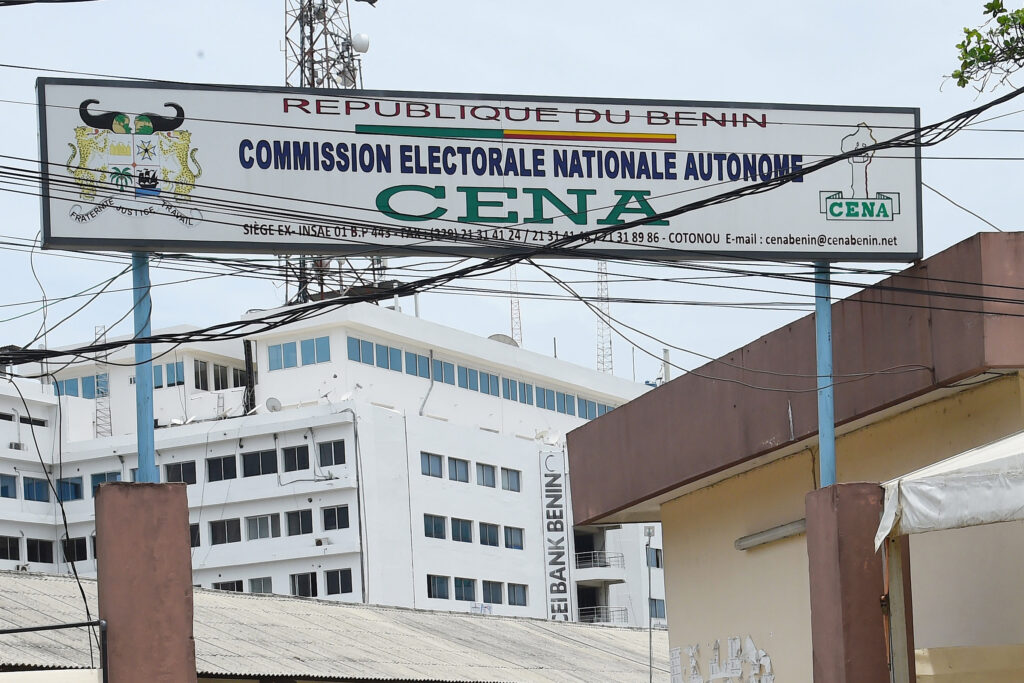
Beninese President Patrice Talon’s ruling bloc won a clean sweep in legislative elections, eliminating the opposition from parliament and cementing its grip on power ahead of presidential polls, according to provisional results.Talon’s three-party coalition routed the main opposition Democrats party in the January 11 elections, thanks to a tough rule requiring parties to get at least 20 percent of the vote nationwide to sit in parliament.The Democrats fell shy of that, winning 16 percent across Benin’s 24 voting districts, according to provisional results released Saturday by the national electoral commission.The results strengthen the presidential bloc’s hand going into presidential elections in April, in which Talon, who has ruled the west African country for a decade, looks likely to transfer power to his hand-picked successor, Finance Minister Romuald Wadagni.Talon, 67, is barred from standing again by term limits.The Democrats are barred from standing in the presidential polls, after failing to gather enough signatures to register.The same rule sidelined them from local elections that were held alongside the parliamentary polls on January 11.The two top parties in the ruling coalition, which holds 81 of the 109 seats in the current National Assembly, will now have full control of parliament.Turnout in the elections was 36.7 percent, officials said, roughly on par with the 37 percent registered in 2023, at the last legislative polls.Under a November constitutional reform, the presidential term was extended to seven years, with a two-term limit.Under the tweak, after April’s presidential race, Benin will go years without elections at any level — a fact the Democrats attacked ahead of the legislative polls as putting “freedoms in quarantine”.The elections came at a fraught moment for Benin, still reeling from a deadly coup attempt by army mutineers on December 7, which was put down in a matter of hours by the military, with support from Nigeria and France.Talon has presided over strong economic development in his two terms in power, but critics accuse him of restricting political opposition and basic rights.Ahead of the vote, Amnesty International’s executive director in Benin, Dieudonne Dagbeto, warned that “civic space is shrinking” in the country, “with a wave of attacks on independent media and people arbitrarily arrested and detained for expressing differing opinions.”Members of the ruling majority reject those accusations.