Le Nobel de littérature décerné au Hongrois Laszlo Krasznahorkai, le “maître de l’apocalypse”

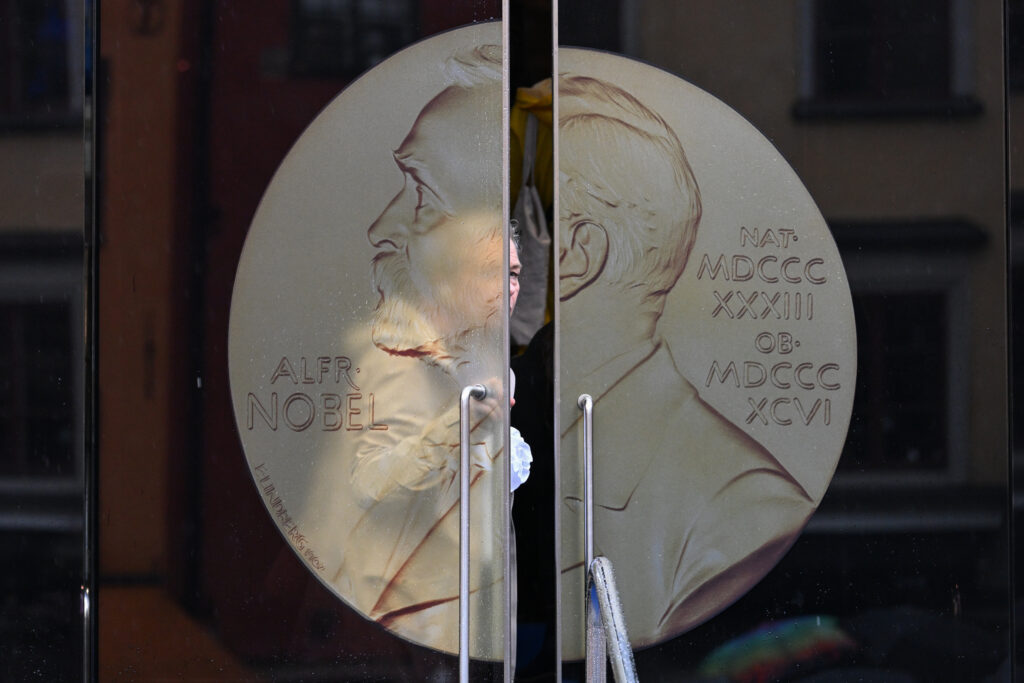
Le prix Nobel de littérature 2025 a été décerné jeudi à l’écrivain hongrois Laszlo Krasznahorkai, dont l’oeuvre explore les thèmes de la dystopie et de la mélancolie.Agé de 71 ans, il a été récompensé “pour son œuvre fascinante et visionnaire qui, au milieu d’une terreur apocalyptique, réaffirme le pouvoir de l’art”, a expliqué le jury.Né le 5 janvier 1954 à Gyula, dans le sud-est de la Hongrie, Laszlo Krasznahorkai est surtout lu en Allemagne, où il a vécu pendant des années, et en Hongrie, où il est considéré par beaucoup comme l’un des plus importants auteurs vivants du pays. Une région rurale reculée sert de décor à son premier roman, “Le Tango de Satan” (Satantango), paru en 1985. “Sensation littéraire” en Hongrie, ce roman marque la percée de l’auteur, explique le jury.”Je suis très heureux, calme et très nerveux à la fois”, a-t-il réagi, à chaud, auprès de la radio suédoise SR.Son nom revenait depuis plusieurs années dans les conjectures des critiques littéraires. La critique américaine Susan Sontag l’avait qualifié de “maître de l’apocalypse” après avoir lu son deuxième roman, “La mélancolie de la résistance” (1989), où l’on suit dans une petite ville du sud-est de la Hongrie Mme Pflaum, qui se débat avec une menace jamais nommée. La venue d’un cirque et l’exhibition d’une immense baleine sèment le trouble dans la communauté, puis précipitent la ville dans une explosion de violences.- “La réalité examinée jusqu’à la folie” -László Krasznahorkai est “un grand écrivain épique dans la tradition d’Europe centrale qui s’étend de Kafka à Thomas Bernhard et se caractérise par l’absurdisme et l’excès grotesque. Mais il a plus d’une corde à son arc et il se tourne également vers l’Orient en adoptant un ton plus contemplatif et finement calibré”, selon l’Académie.Outre “la syntaxe ample et sinueuse de Krasznahorkai qui est devenue sa marque distinctive en tant qu’écrivain, son style laisse également place à une certaine légèreté et à une grande beauté lyrique”, a estimé l’un des membres du comité de l’Académie suédoise, Steve Sem-Sandberg.Difficile et exigeant, son style a été décrit par le romancier hongrois lui-même comme “la réalité examinée jusqu’à la folie”. Son penchant pour les longues phrases et les rares coupures de paragraphe ont également valu à l’écrivain d’être qualifié d'”obsessionnel”. Krasznahorkai a grandi dans une famille juive de classe moyenne et puisé son inspiration dans son expérience du communisme ainsi que dans les nombreux voyages qu’il a entrepris après s’être installé à l’étranger pour la première fois, en 1987, à Berlin-Ouest, grâce à une bourse.Il partage sa vie entre Vienne, Trieste et Budapest.Le chef du gouvernement hongrois Viktor Orban, envers lequel l’écrivain se montre critique en raison de sa politique nationaliste, l’a félicité.”La fierté de la Hongrie, premier prix Nobel originaire de Gyula, László Krasznahorkai. Félicitations !”, a-t-il écrit sur Facebook.- Kafka, Hendrix et Kyoto -En 2015, il remporte le prix britannique Man Booker International pour l’ensemble de sa carrière.”C’est le regard artistique de László Krasznahorkai, entièrement dépourvu d’illusions et capable de percevoir la fragilité de l’ordre social, associé à sa foi inébranlable dans le pouvoir de l’art” qui a motivé la décision du jury, a souligné Steve Sem-Sandberg.Deuxième auteur hongrois à recevoir ce prix, après Imre Kertész en 2002, le lauréat a cité l’auteur Franz Kafka, le chanteur Jimi Hendrix et la ville de Kyoto au Japon en tant que sources d’inspiration. Interrogé après avoir reçu son prix sur sa plus grande source d’inspiration, il a répondu : “l’amertume”.Le romancier s’est dit “très triste” face à “l’état du monde” actuel qu’il décrit comme une période “très, très sombre”.La littérature offre de l’espoir, a-t-il déclaré dans un communiqué envoyé à l’AFP par son agence littéraire RCW.”Et pour ceux qui la lisent, elle offre un certain espoir que la beauté, la noblesse et le sublime existent encore en elles-mêmes. Elle peut même offrir de l’espoir à ceux en qui la vie ne fait que vaciller à peine”, a-t-il ajouté.L’an dernier, l’écrivaine sud-coréenne Han Kang a remporté la prestigieuse récompense, devenant la première femme asiatique primée.Depuis sa création, le Nobel de littérature est dominé par les hommes et les lettres occidentales. Parmi les 122 lauréats, seules 18 femmes ont obtenu le prix et une minorité des auteurs récompensés sont de langues asiatiques ou moyen-orientales. Aucune langue africaine n’est représentée. Longtemps critiquée pour ses choix centrés sur des auteurs occidentaux, l’Académie suédoise, bouleversée par un scandale #Metoo en 2018, a fait peau neuve et plus de la moitié de ses membres ont été remplacés. Depuis, près d’un lauréat sur deux est une femme. Le Nobel consiste en un diplôme, une médaille et un chèque de 11 millions de couronnes (environ un million d’euros). 
Israël annonce que “toutes les parties” ont signé la première phase de l’accord sur Gaza

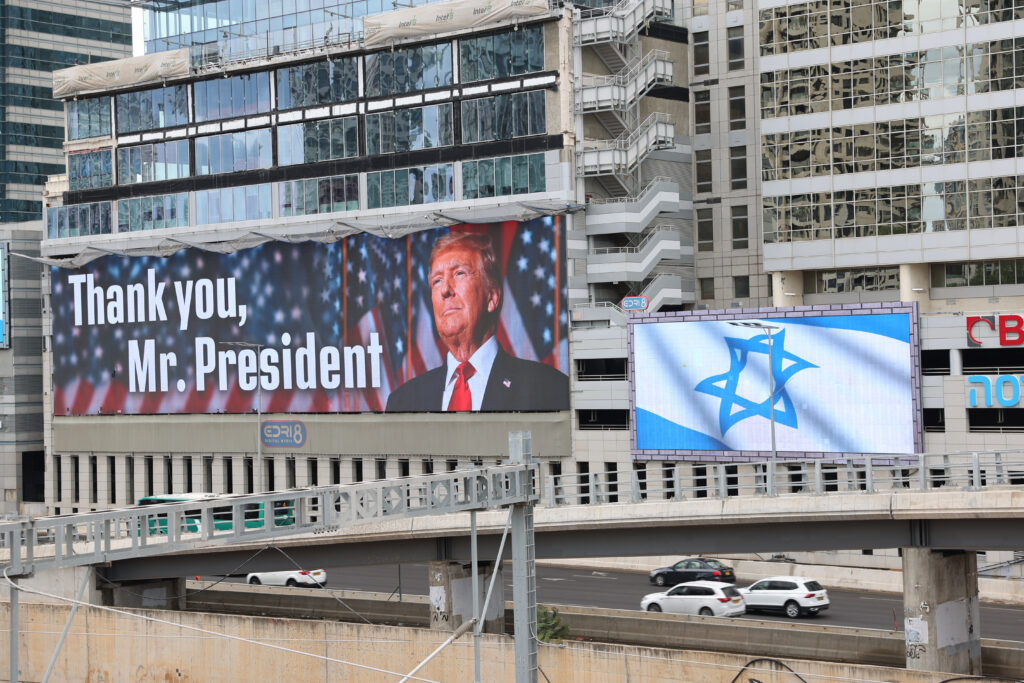
Israël et le Hamas ont signé jeudi la première phase d’un accord sur un cessez-le-feu à Gaza et une libération d’otages après de fortes pressions du président américain Donald Trump pour mettre fin à deux ans de guerre dévastatrice dans le territoire palestinien.La libération des captifs “devrait mettre fin à la guerre”, a déclaré le chef de la diplomatie israélienne, Gidéon Saar. Selon Shosh Bedrosian, une porte-parole du bureau du Premier ministre israélien Benjamin Netanyahu, “la version finale de la première phase a été signée ce matin en Egypte par toutes les parties en vue de la libération de tous les otages” retenus à Gaza. “Tous nos otages, vivants et décédés, seront libérés (au plus tard) 72 heures (après l’entrée en vigueur du cessez-le-feu), ce qui nous amène à lundi”, a précisé à l’AFP Mme Bedrosian.Le président américain a toutefois reconnu que les corps de certains otages seraient “un peu difficiles à trouver”.L’accord devait encore être validé jeudi par le cabinet de sécurité israélien, avant une réunion du gouvernement au complet.Dans les 24 heures suivant l’entrée en vigueur du cessez-le-feu, l’armée israélienne se retirera de zones où elle est déployée, mais gardera le contrôle de 53% du territoire de la bande de Gaza, selon la porte-parole.La signature intervient après quatre jours de négociations indirectes en Egypte ayant impliqué plusieurs acteurs internationaux dont les Etats-Unis.M. Trump, qui a annoncé l’accord, conclu sur la base d’un plan qu’il a présenté fin septembre, pourrait se rendre à Jérusalem dimanche, selon la présidence israélienne. Le président américain a par ailleurs affirmé qu’il “essaierait” de se rendre en Egypte, où le président Abdel Fattah al-Sissi l’a invité à une cérémonie pour célébrer l’accord de paix. La date n’a pas été précisée.   A Khan Younès, dans le sud de la bande de Gaza, dévastée et affamée, des Palestiniens ont applaudi, chanté et dansé à l’annonce de l’accord, salué par plusieurs pays dont l’Iran, soutien du Hamas et ennemi juré d’Israël.”Dieu merci! Malgré tous les morts et la perte d’êtres chers, nous sommes heureux aujourd’hui”, a dit Ayman al-Najjar à Khan Younès.- “Ils reviennent” -Sur la “place des Otages” à Tel-Aviv, des centaines de personnes se sont rassemblées, beaucoup arborant un autocollant avec l’inscription “Ils reviennent”, d’autres s’embrassant et se félicitant.”Nous attendons ce jour depuis 734 jours”, a dit Laurence Yitzhak, 54 ans. Sur les 251 personnes enlevées et emmenées à Gaza lors de l’attaque du Hamas contre Israël ayant déclenché la guerre le 7 octobre 2023, 47 y sont toujours retenues dont au moins 25 sont mortes selon l’armée.Lancée en riposte à l’attaque du 7-Octobre, l’offensive israélienne à Gaza a fait des dizaines de milliers de morts et provoqué un désastre humanitaire. Jeudi soir, des journalistes de l’AFP et des témoins ont dit entendre encore des explosions et des tirs d’artillerie dans le centre et le sud du territoire palestinien. Le président égyptien Sissi a appelé Israël à “la désescalade ou à cesser le feu” jusqu’à la signature de l’accord pour ne pas compromettre son “esprit”.Selon un responsable palestinien, les otages vivants seront libérés contre près de 2.000 prisonniers palestiniens détenus par Israël, “simultanément à des retraits israéliens spécifiques (de Gaza) et une entrée de (davantage) d’aides humanitaires”. Il n’a pas mentionné les captifs morts. L’armée israélienne a par ailleurs annoncé se préparer à repositionner ses troupes dans la bande de Gaza.Lors d’un appel jeudi, le Premier ministre israélien remercié M. Trump “pour ses efforts de leadership mondial ayant permis de rendre tout cela possible”.Il a jugé, tout comme le président égyptien, qu’il “mérite” le prix Nobel de la Paix”. – Prochaine étape -Les négociations pour la deuxième phase du plan Trump devaient commencer “immédiatement” après la signature de l’accord sur la première phase, avait annoncé un responsable du Hamas. Le plan Trump prévoit un cessez-le-feu, un échange dans les 72 heures des otages contre des prisonniers palestiniens, le retrait par étapes de l’armée israélienne de Gaza et le désarmement du Hamas. Le président américain a dit jeudi qu’il y aurait “un désarmement” et un “retrait” de troupes dans une prochaine phase, précisant que la priorité était le retour des otages. L’accord prévoit aussi la création d’un “comité de la paix” présidé par M. Trump lui-même pour superviser le gouvernement de transition à Gaza.Interrogé par la chaîne Al Araby sur le comité, Osama Hamdan, un haut responsable du Hamas, a déclaré: “Aucun Palestinien ne pourrait accepter. Toutes les factions, y compris l’Autorité palestinienne, rejettent ceci (ce comité, ndlr)”.Deux précédentes trêves en novembre 2023 et début 2025 avaient permis le retour d’otages ou de corps de captifs en échange de prisonniers palestiniens, avant de s’effondrer.L’attaque du 7-Octobre a entraîné la mort de 1.219 personnes, en majorité des civils, selon un bilan établi par l’AFP à partir de données officielles.En riposte, Israël a lancé une campagne militaire qui a dévasté le territoire, et fait selon le ministère de la Santé du Hamas, plus de 67.194 morts, en majorité des civils.Les besoins humanitaires sont colossaux: “Le cessez-le-feu, c’est le début d’un long chemin, parce qu’on a encore actuellement plus de 300.000 personnes qui sont dans la ville de Gaza et dans le Nord, et qui sont complètement coupées de tout”, a dit à l’AFP Antoine Renard, directeur du Programme alimentaire mondial (PAM) dans les Territoires palestiniens.

Trump eyes Egypt trip, says hostages to be freed early next week

US President Donald Trump said he would try to go to Egypt for the signing of a Gaza ceasefire deal, adding that he expected Hamas to free hostages on Monday or Tuesday under the long-sought agreement.Speaking at a cabinet meeting on Thursday, Trump said the agreement between Israel and Palestinian militant group had “ended the war in Gaza” and would lead to broader Middle East peace.”We secured the release of all of the remaining hostages, and they should be released on Monday or Tuesday,” Trump told his assembled cabinet secretaries at the White House.But Trump said that the bodies of some of the dead hostages would be “hard to find.” Trump announced plans to travel to the Middle East even before he unveiled the first phase of the peace deal on Wednesday, but said arrangements were still being made for a possible stop in Egypt.”I’m going to try and make a trip over. We’re going to try and get over there, and we’re working on the timing, the exact timing,” Trump said Thursday.Egyptian President Abdel Fattah al-Sisi said earlier that he had invited his US counterpart to take part in a “celebration to be held in Egypt” for the agreement for the first phase of a ceasefire.Trump said he also expected to visit Israel, adding that he had been invited to address the Israeli parliament.”They asked me to speak at the Knesset and… I’ve agreed to, if they would like me to, I will do it,” Trump said in response to a question from a reporter.Trump falsely claimed that he would be the first president to do so. The Knesset website lists US presidents George W. Bush, Bill Clinton and Jimmy Carter among foreign leaders who have addressed the parliament in the past.- ‘Extraordinary phone calls’ -The Republican gave few details about the second phase of the peace deal and the future of Gaza.Trump said “there will be disarming, there will be pullbacks,” in apparent reference to Israel’s demand that Hamas disarm and calls by the Palestinian militant group for Israel to withdraw its forces, but did not elaborate.He added that Gaza would be “slowly redone” and indicated that Arab states with “tremendous wealth” would help it rebuild, as well as possibly taking part in peacekeeping efforts.Trump did not comment on whether he now expected to achieve his long-held dream of winning the Nobel Peace Prize.But his cabinet officials lined up to praise him, led by Secretary of State Marco Rubio, who had on Wednesday handed the US president a note during an event saying a deal was imminent.”Frankly, I don’t know of any American president in the modern era that could have made this possible,” Rubio said.Rubio also hinted at the tough negotiations that led to the agreement, which saw Trump pressure Israeli Prime Minister Benjamin Netanyahu and rally Arab and Muslim states to lean on Hamas.”One day, perhaps the entire story will be told,” Rubio said.”The president had some extraordinary phone calls and meetings that required a high degree of intensity and commitment and made this happen.”

Trump eyes Egypt trip, says hostages to be freed early next week

US President Donald Trump said he would try to go to Egypt for the signing of a Gaza ceasefire deal, adding that he expected Hamas to free hostages on Monday or Tuesday under the long-sought agreement.Speaking at a cabinet meeting on Thursday, Trump said the agreement between Israel and Palestinian militant group had “ended the war in Gaza” and would lead to broader Middle East peace.”We secured the release of all of the remaining hostages, and they should be released on Monday or Tuesday,” Trump told his assembled cabinet secretaries at the White House.But Trump said that the bodies of some of the dead hostages would be “hard to find.” Trump announced plans to travel to the Middle East even before he unveiled the first phase of the peace deal on Wednesday, but said arrangements were still being made for a possible stop in Egypt.”I’m going to try and make a trip over. We’re going to try and get over there, and we’re working on the timing, the exact timing,” Trump said Thursday.Egyptian President Abdel Fattah al-Sisi said earlier that he had invited his US counterpart to take part in a “celebration to be held in Egypt” for the agreement for the first phase of a ceasefire.Trump said he also expected to visit Israel, adding that he had been invited to address the Israeli parliament.”They asked me to speak at the Knesset and… I’ve agreed to, if they would like me to, I will do it,” Trump said in response to a question from a reporter.Trump falsely claimed that he would be the first president to do so. The Knesset website lists US presidents George W. Bush, Bill Clinton and Jimmy Carter among foreign leaders who have addressed the parliament in the past.- ‘Extraordinary phone calls’ -The Republican gave few details about the second phase of the peace deal and the future of Gaza.Trump said “there will be disarming, there will be pullbacks,” in apparent reference to Israel’s demand that Hamas disarm and calls by the Palestinian militant group for Israel to withdraw its forces, but did not elaborate.He added that Gaza would be “slowly redone” and indicated that Arab states with “tremendous wealth” would help it rebuild, as well as possibly taking part in peacekeeping efforts.Trump did not comment on whether he now expected to achieve his long-held dream of winning the Nobel Peace Prize.But his cabinet officials lined up to praise him, led by Secretary of State Marco Rubio, who had on Wednesday handed the US president a note during an event saying a deal was imminent.”Frankly, I don’t know of any American president in the modern era that could have made this possible,” Rubio said.Rubio also hinted at the tough negotiations that led to the agreement, which saw Trump pressure Israeli Prime Minister Benjamin Netanyahu and rally Arab and Muslim states to lean on Hamas.”One day, perhaps the entire story will be told,” Rubio said.”The president had some extraordinary phone calls and meetings that required a high degree of intensity and commitment and made this happen.”

An urgent note, a whisper — and a Gaza deal long sought by Trump

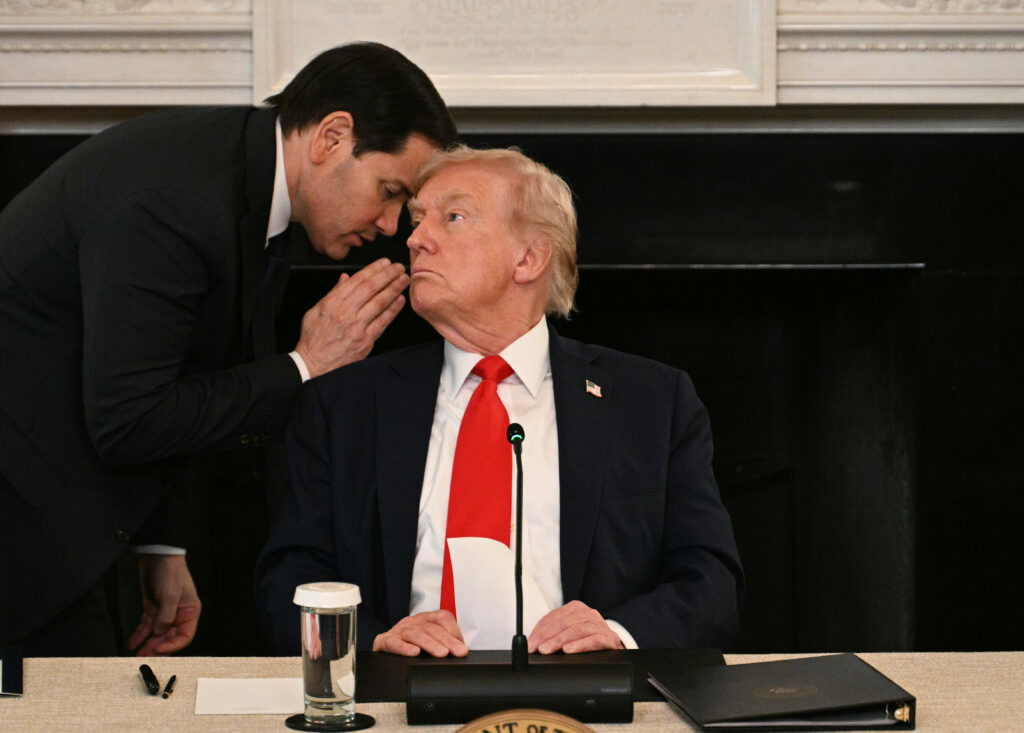
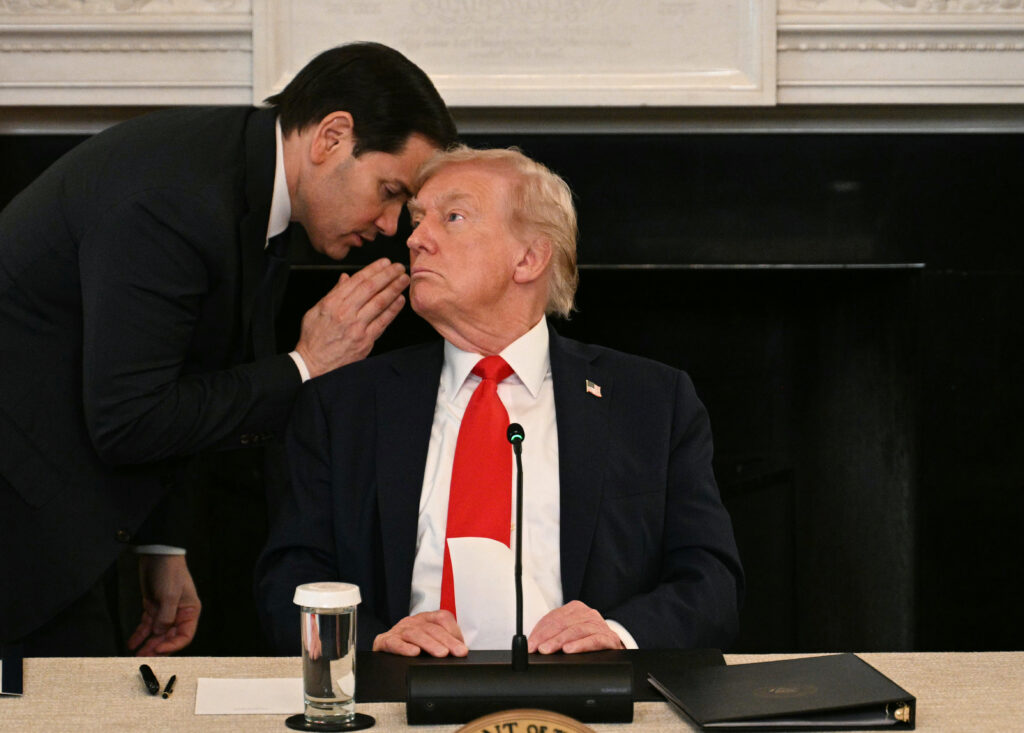
It began with a hastily written note and a whisper. It ended with a Gaza deal long sought by Donald Trump.Something was obviously going on when US Secretary of State Marco Rubio made an unexpected appearance during a roundtable at the White House on the left-wing Antifa movement on Wednesday.”By the way, we have Marco Rubio. Marco, come on up here please,” Trump said, beckoning him over to his side of the White House’s State Dining Room. “Anything we should know about the Middle East?”There was. But the scrupulously low-key Rubio was not about to do it in public. “That’s what we’re hoping to talk to you about Mr President, once they leave,” said Rubio, pointing to journalists and eliciting a laugh from the 79-year-old Trump.What followed next was history playing out in real time — an extraordinary moment even for a reality TV star-turned-president with a flair for showmanship.With reporters watching carefully for signs about the progress of the Israel-Hamas peace talks in Egypt, Rubio took a seat vacated by White House Chief of Staff Susie Wiles and briefly gave Trump the thumbs up.The top US diplomat then reached over and took a pen and a White House notepad from Deputy Chief of Staff Stephen Miller to his right.While Trump answered a question about “cutting the head off the snake” of Antifa, Rubio scribbled for nearly a minute as Miller leaned over to look.- ‘Very close’ -Rubio then showed the note to Miller, and leaned over to Press Secretary Karoline Leavitt, seated on Miller’s right. The three of them consulted briefly together before Rubio tore off a sheet of paper.Seconds later, Rubio reached behind the back of US Attorney General Pam Bondi as she answered another reporter’s question, and handed Trump the piece of paper.As the cameras rolled, Trump sat back in his chair and read the note for 10 seconds, with an approving nod.Rubio then got up and went over to Trump and whispered in his ear, with his hand covering his mouth.It was perhaps the most notable presidential whisper since George W. Bush’s chief of staff Andy Card interrupted him during an event at a Florida school to tell him that a second plane had hit the World Trade Center on September 11, 2001.”Ok,” said Trump as Rubio went back to his seat, motioning for reporters to be quiet as they shouted questions. “I was just given a note by the secretary of state saying that we’re very close to a deal in the Middle East and they’re going to need me pretty quickly, so we’ll take a couple more questions.” Reporters could not immediately see what the note said. But photographs, including an AFP picture, later revealed the contents of Rubio’s history-making note to the president.”Very close. We need you to approve a Truth Social post soon so you can announce deal first,” it said, referring to Trump’s social network.The words “very close” were underlined twice.- ‘Blessed are the peacemakers’ -At the end, Rubio stood waiting for Trump, who shook hands with the roundtable attendees on his way out as the clock ticked.Images later shared by the White House showed the urgency of the moment.Trump, Vice President JD Vance, Rubio and Wiles strode purposefully through the Rose Garden colonnade towards the Oval Office as they made the final preparations to announce the deal, in a video posted on social media by Deputy Chief of Staff Dan Scavino.Almost exactly two hours after Rubio’s intervention, Trump’s Truth Social finally went out. “BLESSED ARE THE PEACEMAKERS!” it proclaimed.

An urgent note, a whisper — and a Gaza deal long sought by Trump

It began with a hastily written note and a whisper. It ended with a Gaza deal long sought by Donald Trump.Something was obviously going on when US Secretary of State Marco Rubio made an unexpected appearance during a roundtable at the White House on the left-wing Antifa movement on Wednesday.”By the way, we have Marco Rubio. Marco, come on up here please,” Trump said, beckoning him over to his side of the White House’s State Dining Room. “Anything we should know about the Middle East?”There was. But the scrupulously low-key Rubio was not about to do it in public. “That’s what we’re hoping to talk to you about Mr President, once they leave,” said Rubio, pointing to journalists and eliciting a laugh from the 79-year-old Trump.What followed next was history playing out in real time — an extraordinary moment even for a reality TV star-turned-president with a flair for showmanship.With reporters watching carefully for signs about the progress of the Israel-Hamas peace talks in Egypt, Rubio took a seat vacated by White House Chief of Staff Susie Wiles and briefly gave Trump the thumbs up.The top US diplomat then reached over and took a pen and a White House notepad from Deputy Chief of Staff Stephen Miller to his right.While Trump answered a question about “cutting the head off the snake” of Antifa, Rubio scribbled for nearly a minute as Miller leaned over to look.- ‘Very close’ -Rubio then showed the note to Miller, and leaned over to Press Secretary Karoline Leavitt, seated on Miller’s right. The three of them consulted briefly together before Rubio tore off a sheet of paper.Seconds later, Rubio reached behind the back of US Attorney General Pam Bondi as she answered another reporter’s question, and handed Trump the piece of paper.As the cameras rolled, Trump sat back in his chair and read the note for 10 seconds, with an approving nod.Rubio then got up and went over to Trump and whispered in his ear, with his hand covering his mouth.It was perhaps the most notable presidential whisper since George W. Bush’s chief of staff Andy Card interrupted him during an event at a Florida school to tell him that a second plane had hit the World Trade Center on September 11, 2001.”Ok,” said Trump as Rubio went back to his seat, motioning for reporters to be quiet as they shouted questions. “I was just given a note by the secretary of state saying that we’re very close to a deal in the Middle East and they’re going to need me pretty quickly, so we’ll take a couple more questions.” Reporters could not immediately see what the note said. But photographs, including an AFP picture, later revealed the contents of Rubio’s history-making note to the president.”Very close. We need you to approve a Truth Social post soon so you can announce deal first,” it said, referring to Trump’s social network.The words “very close” were underlined twice.- ‘Blessed are the peacemakers’ -At the end, Rubio stood waiting for Trump, who shook hands with the roundtable attendees on his way out as the clock ticked.Images later shared by the White House showed the urgency of the moment.Trump, Vice President JD Vance, Rubio and Wiles strode purposefully through the Rose Garden colonnade towards the Oval Office as they made the final preparations to announce the deal, in a video posted on social media by Deputy Chief of Staff Dan Scavino.Almost exactly two hours after Rubio’s intervention, Trump’s Truth Social finally went out. “BLESSED ARE THE PEACEMAKERS!” it proclaimed.

Police clash with protesters as thousands rally in MadagascarThu, 09 Oct 2025 17:04:09 GMT

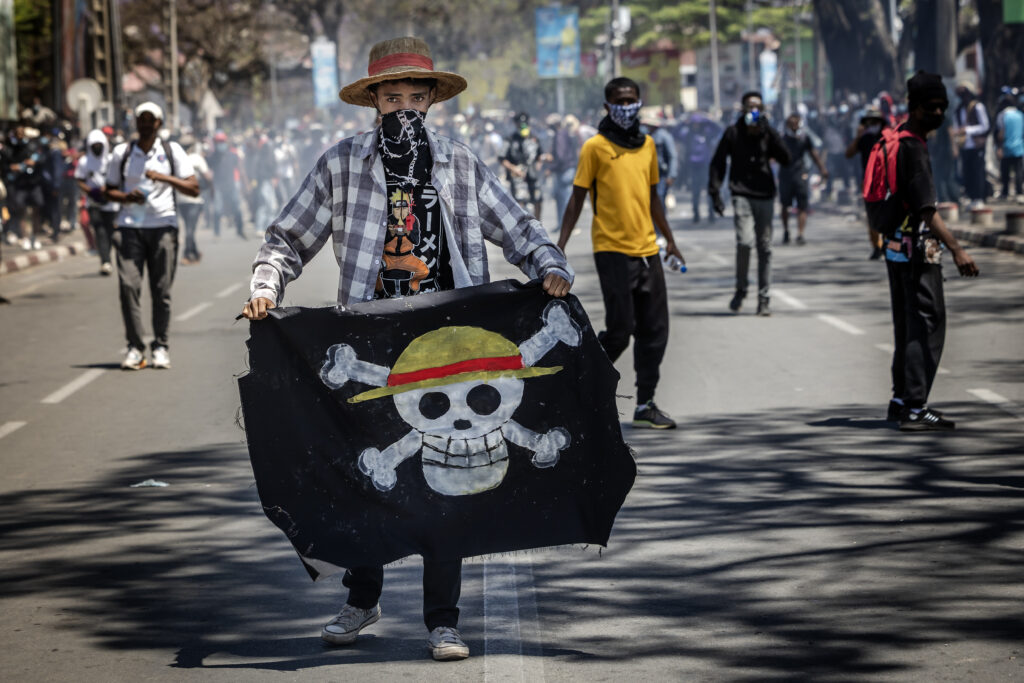
Several thousand anti-government demonstrators marched on Thursday through Madagascar’s capital, several of them injured when police cracked down on the latest youth-led protest of the past two weeks.The fresh rally came after the Gen Z movement called for a general strike and rejected President Andry Rajoelina’s attempts to defuse the tensions rocking the Indian Ocean island.The …

Police clash with protesters as thousands rally in MadagascarThu, 09 Oct 2025 17:04:09 GMT Read More »

Texas appeals ourt halts execution of man in ‘shaken baby’ case

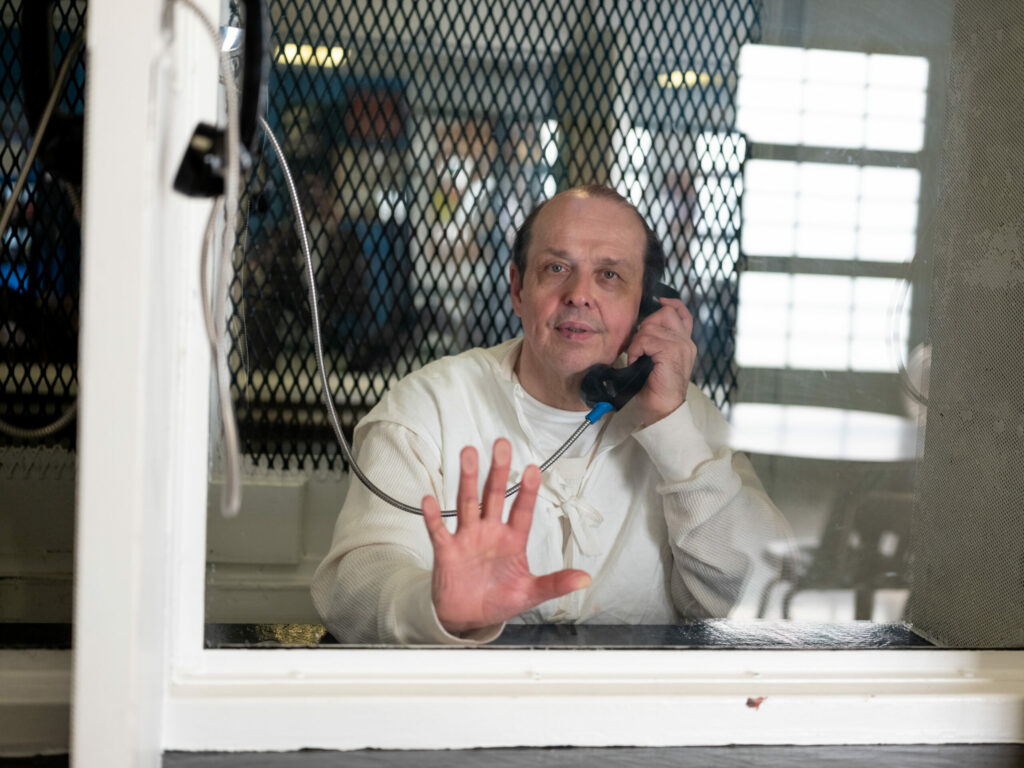
A Texas appeals court on Thursday halted the scheduled execution of an autistic man convicted in a problematic “shaken baby” case.Robert Roberson, 58, had been scheduled to be put to death by lethal injection next week for the 2002 death of his two-year-old daughter, Nikki.The Texas Court of Criminal Appeals granted a stay of execution to Roberson so a lower court can consider a challenge to his conviction and the evidence of shaken baby syndrome.Gretchen Sween, Roberson’s attorney, welcomed the decision, which comes after another Texas man convicted in a shaken baby case was exonerated.”We are confident that an objective review of the science and medical evidence will show there was no crime,” Sween said in a statement.A bipartisan group of Texas lawmakers has urged clemency for Roberson, citing “voluminous new scientific evidence” that casts doubt on his guilt.Roberson would be the first person executed in the United States based on a diagnosis of shaken baby syndrome, according to his lawyers.His case has drawn the attention of not only Texas lawmakers but also best-selling American novelist John Grisham, medical experts and the Innocence Project, which works to reverse wrongful convictions.Also among his supporters is the man who put him behind bars — Brian Wharton, the former chief detective in the town of Palestine — who has said “knowing everything that I know now, I am firmly convinced that Robert is an innocent man.”Roberson has always maintained his innocence and his lawyers maintain his chronically ill daughter died of natural and accidental causes, not abuse.The diagnosis of shaken baby syndrome, made at the hospital where Roberson’s daughter died, was erroneous, they say, and the cause of death was pneumonia, aggravated by doctors prescribing improper medication.Roberson’s autism spectrum disorder, which was not diagnosed until 2018, also contributed to his arrest and conviction, according to his lawyers.There have been 34 executions in the United States this year.

Procès Péchier: syndrome rarissime ou empoisonnement, une double énigme médicale à la barre

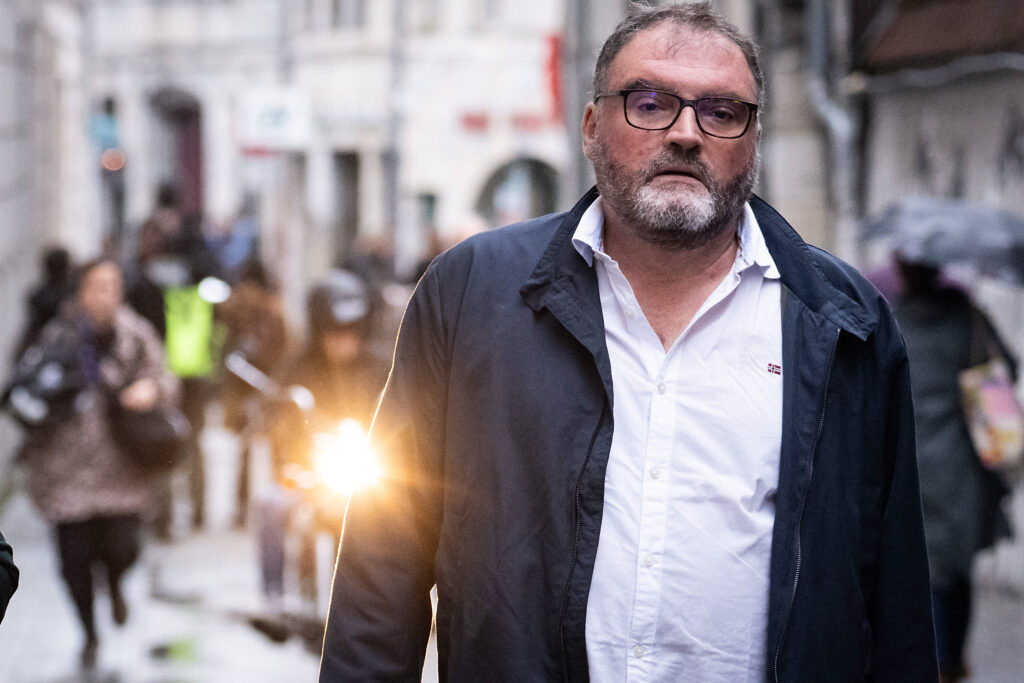
Syndrome rarissime, ou intervention malveillante ? La cour d’assises du Doubs, qui juge l’ancien anesthésiste Frédéric Péchier pour 30 empoisonnements, a remonté le temps jeudi pour tenter d’expliquer les arrêts cardiaques de deux patients en 2009 dans une clinique de Besançon.A l’époque des faits, les accidents cardiaques particulièrement surprenants ayant frappé ces deux patients, Eric Gendronneau et Sylvie Gaillard, à 19 jours d’écart en septembre 2009, avaient été imputés à un syndrome de Tako-Tsubo. “Un Tako-Tsubo, c’est le cœur qui crampe”, à cause d’un excès d’adrénaline provoqué par le stress, a expliqué à la barre le directeur d’enquête Olivier Verguet. “C’est un phénomène d’une rareté absolue”, a-t-il insisté.Les deux patients, alors âgés de 49 et 41 ans, survivront. Et c’est bien plus tard, après l’ouverture d’une enquête en 2017 concernant d’autres arrêts cardiaques dans la même clinique Saint-Vincent, que les policiers envisageront l’hypothèse d’un empoisonnement par Frédéric Péchier. L’accusation lui en impute 30 au total, dont 12 mortels, entre 2008 et 2017.Dans le cas de M. Gendronneau, un anesthésique local (un poison potentiel) sera retrouvé dans une poche de perfusion utilisée ce jour-là au bloc opératoire. Mais l’anesthésiste en charge du patient, Martial Jeangirard, a affirmé jeudi devant la cour qu’il ne l’avait pas utilisée pour ce patient.”Il n’y a rien dans ce dossier”, tance l’avocat de la défense, Randall Schwerdorffer. Pour que la thèse de l’empoisonnement tienne, “il aurait fallu que Frédéric Péchier entre dans le bloc” quand le Dr Jeangirard en était sorti, et “qu’il mette cette poche-là, sans que les infirmières le voient”, un scénario invraisemblable selon lui.Après l’arrêt cardiaque, Martial Jeangirard a raconté qu’il avait appelé à l’aide son collègue Frédéric Péchier, alors “au top de la réanimation” et qui “s’était créé un vrai personnage charismatique de sauveur”. Ce dernier “m’a pris dans les bras et m’a dit: +Tu sais mon gars, quand on a un problème comme ça, il faut rentrer chez soi et se reposer. T’inquiète, je m’occuperai de tes patients+”, s’est souvenu le praticien. “Sur le coup j’ai trouvé ça très sympa, maintenant, je trouve ça traitre”, a poursuivi le médecin qui pense désormais l’accusé coupable.Selon l’accusation, l’un des mobiles présumés de Frédéric Péchier pour empoisonner des patients aurait été de nuire à des collègues anesthésistes avec lesquels il avait des différends.Or, avant ces événements de 2009, le Dr Péchier était parti travailler quelques mois dans une autre clinique, ce que le Dr Jeangirard lui avait reproché, a observé le directeur d’enquête. “Je ne comprends pas qu’on fasse la valse entre deux établissements”, a confirmé le témoin.”S’attaquer à un de vos patients, c’était une bonne manière de vous toucher ?”, lui demande son avocat, Me Kevin Louvet. “Oui, là, c’était touché-coulé”, répond l’anesthésiste, très éprouvé par cet évènement.Interrogé par Me Schwerdorffer, Martial Jeangirard concède néanmoins qu'”à l’époque”, il “s’entendait bien avec Péchier”. “J’ai l’impression”, abonde l’avocat, “je ne comprends toujours pas pourquoi il vous en aurait voulu”.”Je ne suis pas dans les méandres de son cerveau”, répond le médecin. “Peut-être qu’il n’y en a pas”, conclut le conseil, suscitant des sourires dans l’assistance.Frédéric Péchier, qui a toujours clamé son innocence, comparait libre, mais risque la réclusion criminelle à perpétuité. Verdict le 19 décembre.