European Union resigned to 15 percent US tariff

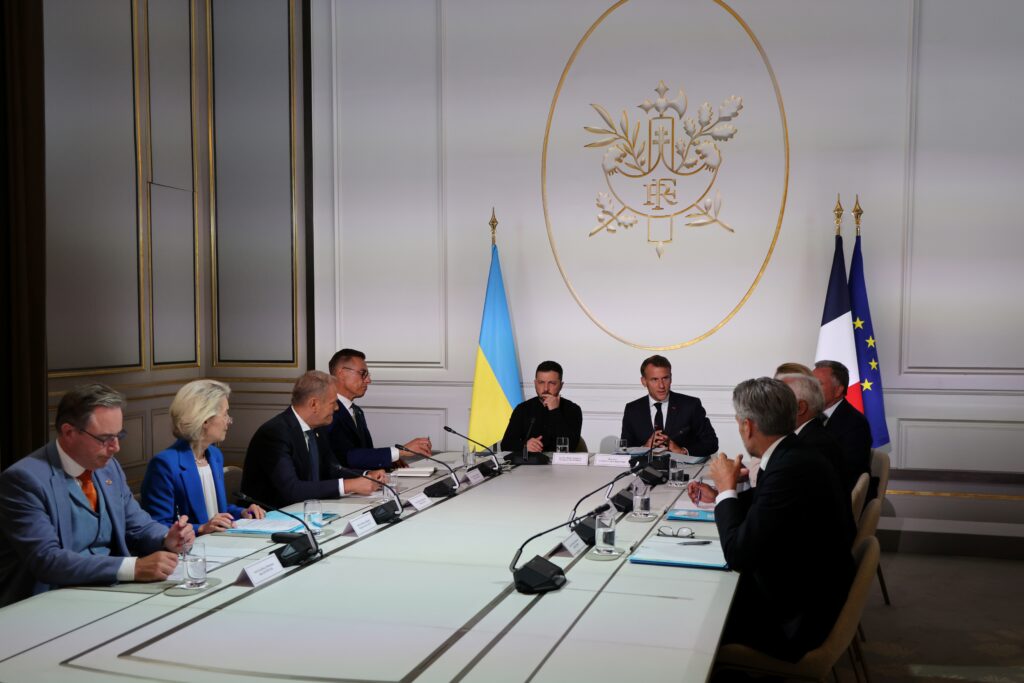
The United States and the European Union clinched a trade agreement on Sunday that will see EU exports taxed at 15 percent, in a bid to resolve a transatlantic tariff stand-off that threatened to explode into a full-blown trade war.US President Donald Trump emerged from a high-stakes meeting with European Commission President Ursula von der Leyen at his golf resort in Scotland, describing the deal as the “biggest-ever”. The deal, which the leaders reached after an hour of talks, came as the clock ticked down on an August 1 deadline to avoid an across-the-board US levy of 30 percent on European goods.”We’ve reached a deal. It’s a good deal for everybody. This is probably the biggest deal ever reached in any capacity,” said Trump.Trump said a baseline tariff of 15 percent would apply across the board, including for Europe’s crucial automobile sector, pharmaceuticals and semiconductors.As part of the deal, Trump said the 27-nation EU bloc had agreed to purchase “$750 billion worth of energy” from the United States, as well as make $600 billion in additional investments.Von der Leyen said the “significant” purchases of US liquefied natural gas, oil and nuclear fuels would come over three years, as part of the bloc’s bid to diversify away from Russian sources.Negotiating on behalf of the EU’s 27 countries, von der Leyen had been pushing hard to salvage a trading relationship worth an annual $1.9 trillion in goods and services.”It’s a good deal,” the EU chief told reporters.”It will bring stability. It will bring predictability. That’s very important for our businesses on both sides of the Atlantic,” she said.She added that bilateral tariff exemptions had been agreed on a number of “strategic products”, notably aircraft, certain chemicals, some agricultural products and critical raw materials.Von der Leyen said the EU still hoped to secure further so-called “zero-for-zero” agreements, notably for alcohol, which she hoped to be “sorted out” in the coming days.Trump also said EU countries — which recently pledged to ramp up their defence spending within NATO — would be purchasing “hundreds of billions of dollars worth of military equipment.”- ‘Best we could get’ -The EU has been hit by multiple waves of tariffs since Trump reclaimed the White House.It is currently subject to a 25-percent levy on cars, 50 percent on steel and aluminium, and an across-the-board tariff of 10 percent, which Washington threatened to hike to 30 percent in a no-deal scenario.The bloc had been pushing hard for tariff carve-outs for critical industries from aircraft to spirits, and its auto industry, crucial for France and Germany, is already reeling from the levies imposed so far.”Fifteen percent is not to be underestimated, but it is the best we could get,” acknowledged von der Leyen.Any deal will need to be approved by EU member states — whose ambassadors, on a visit to Greenland, were updated by the commission Sunday morning. They were set to meet again after the deal struck in Scotland.German Chancellor Friedrich Merz rapidly hailed the deal, saying it avoided “needless escalation in transatlantic trade relations”.But German exporters were less enthusiastic. The powerful BDI federation of industrial groups said the accord would have “considerable negative repercussions” while the country’s VCI chemical trade association said the accord left rates “too high”.Ireland, one of the EU’s top exporters to the United States, said Sunday it welcomed the deal for bringing “a measure of much-needed certainty”, but that it “regrets” the baseline tariff, in a statement by its Department of Foreign Affairs and Trade.France’s minister for Europe, Benjamin Haddad, wrote on X on Monday that the agreement would provide “temporary stability… but it is unbalanced”.The EU had pushed for a compromise on steel that could allow a certain quota into the United States before tariffs would apply.Trump appeared to rule that out, saying steel was “staying the way it is”, but the EU chief insisted later that “tariffs will be cut and a quota system will be put in place” for steel.- ‘The big one’ -While 15 percent is much higher than pre-existing US tariffs on European goods, which average around 4.8 percent, it mirrors the status quo, with companies currently facing an additional flat rate of 10 percent.Had the talks failed, EU states had greenlit counter tariffs on $109 billion (93 billion euros) of US goods, including aircraft and cars to take effect in stages from August 7. Trump has embarked on a campaign to reshape US trade with the world, and has vowed to hit dozens of countries with punitive tariffs if they do not reach a pact with Washington by August 1.Asked what the next deal would be, Trump replied: “This was the big one. This is the biggest of them all.”burs-gv/yad/tc

Cambodge-Thaïlande: au cinquième jour des combats, l’espoir d’un cessez-le-feu

Les dirigeants thaïlandais et cambodgien sont attendus lundi en Malaisie pour apaiser les tensions qui ont dégénéré durant cinq jours d’affrontements meurtriers à leur frontière.La Thaïlande et le Cambodge s’opposent depuis des décennies sur le tracé de leur frontière commune, définie au temps de l’Indochine française, mais la région n’avait plus connu de tel épisode de violences depuis 2011. Les échanges de tirs, notamment d’artillerie, et les frappes aériennes ont fait depuis jeudi au moins 35 morts et provoqué le déplacement d’environ 200.000 personnes. Bangkok et Phnom Penh sont convenus de se rencontrer pour la première fois lundi après-midi près de Kuala Lumpur, sous l’œil des Etats-Unis et de la Chine, mais à quelques heures de la réunion, des combats continuaient de faire rage près de temples angkoriens contestés.Les deux capitales s’accusent mutuellement d’avoir ouvert les hostilités et de tenir un double langage, chaque camp ayant exprimé sa volonté de rétablir la paix, sans joindre les actes à leur parole jusque-là, malgré les appels de leurs principaux partenaires internationaux.”Nous ne pensons pas que le Cambodge agisse de bonne foi, compte tenu de leurs actions pour régler le problème. Ils doivent faire preuve d’une intention sincère”, a déclaré le Premier ministre thaïlandais par intérim Phumtham Wechayachai, depuis un aéroport de Bangkok.- Assaut nocturne -“Nous avons besoin de discussions bilatérales pour négocier l’arrêt des combats. Cependant, un cessez-le-feu ne signifie pas que tout reviendra comme avant”, a-t-il prévenu.Le Cambodge a affirmé lundi matin que le camp rival avait lancé un assaut près de temples contestés du nord-ouest.”A 03H10 du matin (20H10 GMT dimanche), les forces thaïlandaises ont continué d’attaquer en premier”, a indiqué lundi la porte-parole du ministère cambodgien de la Défense, Maly Socheata.”C’est le cinquième jour que la Thaïlande a envahi le territoire cambodgien avec des armes lourdes et le déploiement de beaucoup de soldats”, a-t-elle déclaré.Des journalistes de l’AFP présents à Samraong, dans le nord-ouest du Cambodge, à une vingtaine de kilomètres de la frontière, ont également entendu des bruits de tirs d’artillerie durant la nuit de dimanche à lundi.Dimanche soir, l’armée thaïlandaise a dit s’attendre à une “opération militaire majeure” de ses adversaires, en faisant état de combats à sept endroits différents.Phumtham Wechayachai et le Premier ministre cambodgien Hun Manet doivent se rencontrer à Putrajaya, la capitale administrative malaisienne, à 15H00 heure locale (07H00 GMT), selon Bangkok. Le chef du gouvernement malaisien Anwar Ibrahim joue le rôle de médiateur, son pays occupant la présidence tournante de l’Association des nations d’Asie du Sud-Est (Asean) dont la Thaïlande et le Cambodge sont membres.- Paix “le plus tôt possible” -La réunion sera aussi “co-organisée par le Etats-Unis, avec la participation de la Chine”, a précisé Hun Manet.Le président américain Donald Trump, qui a appelé le chef des deux camps samedi, a exhorté les deux pays à s’entendre autour d’un accord rapide, sous peine de geler les discussions portant sur les droits de douane prohibitifs qui doivent frapper ces deux économies dépendantes des exportations le 1er août.Des représentants américains sont en Malaisie pour “soutenir les efforts de paix”, a déclaré le secrétaire d’Etat américain Marco Rubio. “Nous voulons que ce conflit se termine le plus tôt possible.”Les affrontements ont officiellement fait 22 morts côté thaïlandais, dont huit soldats, et 13 morts, dont cinq militaires, côté cambodgien. Plus de 138.000 Thaïlandais ont évacué les zones à risques, selon Bangkok, et plus de 80.000 Cambodgiens ont fait de même, d’après Phnom Penh.Les relations diplomatiques entre les deux royaumes voisins, liés culturellement et économiquement, sont au plus bas depuis des décennies.L’épisode en cours tire son origine de la mort d’un soldat khmer, fin mai, lors d’un échange de tirs dans une zone contestée. Depuis, les deux royaumes ont annoncé une série de mesures qui ont tari les échanges commerciaux et le déplacement des personnes, sur fond de flambée du discours nationaliste.

Cambodge-Thaïlande: au cinquième jour des combats, l’espoir d’un cessez-le-feu

Les dirigeants thaïlandais et cambodgien sont attendus lundi en Malaisie pour apaiser les tensions qui ont dégénéré durant cinq jours d’affrontements meurtriers à leur frontière.La Thaïlande et le Cambodge s’opposent depuis des décennies sur le tracé de leur frontière commune, définie au temps de l’Indochine française, mais la région n’avait plus connu de tel épisode de violences depuis 2011. Les échanges de tirs, notamment d’artillerie, et les frappes aériennes ont fait depuis jeudi au moins 35 morts et provoqué le déplacement d’environ 200.000 personnes. Bangkok et Phnom Penh sont convenus de se rencontrer pour la première fois lundi après-midi près de Kuala Lumpur, sous l’œil des Etats-Unis et de la Chine, mais à quelques heures de la réunion, des combats continuaient de faire rage près de temples angkoriens contestés.Les deux capitales s’accusent mutuellement d’avoir ouvert les hostilités et de tenir un double langage, chaque camp ayant exprimé sa volonté de rétablir la paix, sans joindre les actes à leur parole jusque-là, malgré les appels de leurs principaux partenaires internationaux.”Nous ne pensons pas que le Cambodge agisse de bonne foi, compte tenu de leurs actions pour régler le problème. Ils doivent faire preuve d’une intention sincère”, a déclaré le Premier ministre thaïlandais par intérim Phumtham Wechayachai, depuis un aéroport de Bangkok.- Assaut nocturne -“Nous avons besoin de discussions bilatérales pour négocier l’arrêt des combats. Cependant, un cessez-le-feu ne signifie pas que tout reviendra comme avant”, a-t-il prévenu.Le Cambodge a affirmé lundi matin que le camp rival avait lancé un assaut près de temples contestés du nord-ouest.”A 03H10 du matin (20H10 GMT dimanche), les forces thaïlandaises ont continué d’attaquer en premier”, a indiqué lundi la porte-parole du ministère cambodgien de la Défense, Maly Socheata.”C’est le cinquième jour que la Thaïlande a envahi le territoire cambodgien avec des armes lourdes et le déploiement de beaucoup de soldats”, a-t-elle déclaré.Des journalistes de l’AFP présents à Samraong, dans le nord-ouest du Cambodge, à une vingtaine de kilomètres de la frontière, ont également entendu des bruits de tirs d’artillerie durant la nuit de dimanche à lundi.Dimanche soir, l’armée thaïlandaise a dit s’attendre à une “opération militaire majeure” de ses adversaires, en faisant état de combats à sept endroits différents.Phumtham Wechayachai et le Premier ministre cambodgien Hun Manet doivent se rencontrer à Putrajaya, la capitale administrative malaisienne, à 15H00 heure locale (07H00 GMT), selon Bangkok. Le chef du gouvernement malaisien Anwar Ibrahim joue le rôle de médiateur, son pays occupant la présidence tournante de l’Association des nations d’Asie du Sud-Est (Asean) dont la Thaïlande et le Cambodge sont membres.- Paix “le plus tôt possible” -La réunion sera aussi “co-organisée par le Etats-Unis, avec la participation de la Chine”, a précisé Hun Manet.Le président américain Donald Trump, qui a appelé le chef des deux camps samedi, a exhorté les deux pays à s’entendre autour d’un accord rapide, sous peine de geler les discussions portant sur les droits de douane prohibitifs qui doivent frapper ces deux économies dépendantes des exportations le 1er août.Des représentants américains sont en Malaisie pour “soutenir les efforts de paix”, a déclaré le secrétaire d’Etat américain Marco Rubio. “Nous voulons que ce conflit se termine le plus tôt possible.”Les affrontements ont officiellement fait 22 morts côté thaïlandais, dont huit soldats, et 13 morts, dont cinq militaires, côté cambodgien. Plus de 138.000 Thaïlandais ont évacué les zones à risques, selon Bangkok, et plus de 80.000 Cambodgiens ont fait de même, d’après Phnom Penh.Les relations diplomatiques entre les deux royaumes voisins, liés culturellement et économiquement, sont au plus bas depuis des décennies.L’épisode en cours tire son origine de la mort d’un soldat khmer, fin mai, lors d’un échange de tirs dans une zone contestée. Depuis, les deux royaumes ont annoncé une série de mesures qui ont tari les échanges commerciaux et le déplacement des personnes, sur fond de flambée du discours nationaliste.

Tunisia plastic collectors spread as economic, migration woes deepen

A towel draped over his head, Hamza Jabbari sets bags of plastic bottles onto a scale. He is among Tunisia’s “barbechas”, informal plastic recyclers whose increasing numbers reflect the country’s economic — and migratory — woes.The 40-something-year-old said he starts the day off at dawn, hunching over bins and hunting for plastic before the rubbish trucks and other plastic collectors come.”It’s the most accessible work in Tunisia when there are no job offers,” Jabbari said, weighing a day’s haul in Bhar Lazreg, a working-class neighbourhood north of the capital, Tunis.The work is often gruelling, with a kilogramme of plastic bottles worth only 0.5 to 0.7 Tunisian dinar — less than $0.25.In Tunis, it’s common to see women weighed down by bags of plastic bottles along the roadside, or men weaving through traffic with towering loads strapped to their motorcycles.”Everyone does it,” said Jabbari.- ‘Supplementary job’ -Hamza Chaouch, head of the National Chamber of Recyclable Waste Collectors, estimated that there were roughly 25,000 plastic collectors across Tunisia, with 40 percent of them in the capital.Yet, with the job an informal one, there is no official count of how many plastic collectors operate in Tunisia.One thing is certain: their number has increased in recent years, said Chaouch, who also runs a plastic collection centre south of Tunis.”It’s because of the cost of living,” he explained. “At first, it was people with no income, but for the past two years, workers, retirees and cleaning women have also turned to this work as a supplementary job.”Around 16 percent of Tunisians lived under the poverty line as of 2021, the latest available official figures.Unemployment currently hovers around 16 percent, with inflation at 5.4 percent.The ranks of these recyclers have also grown with the arrival of migrants from sub-Saharan Africa — often hoping to reach Europe but caught in limbo with both the EU and Tunis cracking down on Mediterranean crossings.Tunisia is a key transit country for thousands of sub-Saharan migrants seeking to reach Europe by sea each year, with the Italian island of Lampedusa only 150 kilometres (90 miles) away.Abdelkoudouss, a 24-year-old from Guinea, said he began collecting plastic to make ends meet but also to save up enough money to return home after failing two crossing attempts to Europe.For the past two months, he has worked at a car wash, he said, but the low pay forced him to start recycling on the side.”Life here is not easy,” said Abdelkoudouss, adding he came to the capital after receiving “a lot of threats” amid tension between migrants and locals in Sfax, a coastal city in central Tunisia.- ‘Just trying to survive’ -Thousands of migrants had set up camp on the outskirts of Sfax, before authorities began dismantling the makeshift neighbourhoods this year. Tensions flared in early 2023 when President Kais Saied said “hordes of sub-Saharan migrants” were threatening the country’s demographic composition.Saied’s statement was widely circulated online and unleashed a wave of hostility that many migrants feel still lingers.”There’s a strong rivalry in this work,” said Jabbari, glancing at a group of sub-Saharan African migrants nearby.”These people have made life even more difficult for us. I can’t collect enough plastic because of them.”Chaouch, the collection centre manager, was even more blunt: “We don’t accept sub-Saharans at our centre. Priority goes to Tunisians.” In contrast, 79-year-old Abdallah Omri, who heads another centre in Bhar Lazreg, said he “welcomes everyone”.”The people who do this work are just trying to survive, whether they’re Tunisian, sub-Saharan or otherwise,” he said.”We’re cleaning up the country and feeding families,” he added proudly.

Tunisia plastic collectors spread as economic, migration woes deepenMon, 28 Jul 2025 04:08:25 GMT

A towel draped over his head, Hamza Jabbari sets bags of plastic bottles onto a scale. He is among Tunisia’s “barbechas”, informal plastic recyclers whose increasing numbers reflect the country’s economic — and migratory — woes.The 40-something-year-old said he starts the day off at dawn, hunching over bins and hunting for plastic before the rubbish …

Tunisia plastic collectors spread as economic, migration woes deepenMon, 28 Jul 2025 04:08:25 GMT Read More »