Japon: l’inflation ralentit plus qu’attendu en juin, le prix du riz double sur un an

L’inflation au Japon a ralenti plus qu’attendu en juin mais reste à un niveau élevé, tirée par un doublement sur un an des prix du riz, de quoi accroître la pression sur la coalition au pouvoir avant des élections cruciales ce dimanche.La hausse des prix à la consommation (hors produits frais) s’est établie à 3,3% sur un an le mois dernier, se modérant après 3,7% en mai, au plus haut depuis janvier 2023, selon des chiffres gouvernementaux publiés vendredi.Ce chiffre est meilleur que la prévision des économistes sondés par Bloomberg (+3,4%), mais s’établit toujours très au-delà de la cible de 2% fixée par la Banque du Japon (BoJ). Et l’inflation hors énergie et produits frais a accéléré à 3,4%, contre 3,3% en mai.La vertigineuse envolée des prix du riz, par ailleurs, ne s’essouffle pas: ils ont bondi de 99,2% sur un an en juin, après avoir déjà doublé en rythme annuel (+101%) le mois précédent.Cette flambée inédite depuis au moins un demi-siècle se poursuit malgré le déblocage par les autorités d’une partie des stocks stratégiques de riz du pays.L’inflation persistante exacerbe le mécontentement contre le gouvernement du Premier ministre conservateur Shigeru Ishiba, qui aborde en mauvaise posture des élections sénatoriales de dimanche, selon des sondages récents.- Le riz, enjeu électoral -A 68 ans, M. Ishiba dirige un gouvernement minoritaire depuis octobre, après avoir conduit le Parti libéral-démocrate (PLD) à un cuisant revers lors d’élections législatives. Sa coalition, formée du PLD et de son allié Komeito, risque désormais de perdre également sa majorité à la chambre haute du Parlement lors du scrutin du 20 juillet.Pour tenter d’atténuer l’impact sur les ménages et à l’approche des élections, Shigeru Ishiba a étendu les aides au logement, prolongé des subventions à l’énergie, et s’est engagé à verser des chèques de 20.000 yens (120 dollars) par citoyen.Le prix du riz, qui s’envole depuis l’automne, est néanmoins resté un enjeu-clé de la campagne.La récolte 2023 (consommée l’an dernier) avait été pénalisée par des chaleurs record, tandis que la demande de riz était gonflée en 2024 par des achats paniques suite à un avertissement des autorités sur un possible “mégaséisme”, par le renchérissement des aliments importés, et le stockage de négociants désireux de muscler leurs profits à terme. Plus généralement, les prix de divers produits alimentaires (fruits, viande…) ont contribué à tirer l’inflation en juin. Mais les factures d’électricité et de gaz ont augmenté moins qu’auparavant.”Le principal facteur à l’origine du ralentissement de l’inflation est le net recul des prix énergétiques, qui reflète la reprise des subventions aux achats d’essence”, souligne Abhijit Surya, analyste de Capital Economics.- Défi pour la banque centrale -L’archipel, longtemps englué dans une inflation nulle voire négative, est confronté à un changement de paradigme: depuis avril 2022, l’indice des prix à la consommation hors produits frais reste systématiquement au-dessus de 2%.La Banque du Japon (BoJ) a entamé en mars 2024 un resserrement de ses taux pour contrer l’inflation, après dix ans de politique monétaire ultra-accommodante.Mais l’institution a récemment privilégié le statu quo monétaire face aux incertitudes liées à la guerre douanière lancée par les Etats-Unis: le Japon pâtit de droits de douane américains de 25% sur l’automobile et de 50% sur l’acier, et est sous la menace d’une surtaxe “réciproque” de 25% sur toutes ses exportations.M. Ishiba et le négociateur japonais Ryosei Akazawa rencontreront vendredi à Tokyo le secrétaire américain au Trésor, Scott Bessent, pour tenter de débloquer des pourparlers dans l’impasse.Certes, vu le niveau toujours élevé de l’inflation, “il existe toujours des arguments convaincants pour que la BoJ reprenne son cycle de resserrement monétaire plus tard cette année”, estime Abhijit Surya.Mais l’institution pourrait rester suspendue aux négociations commerciales “toujours en suspens” entre Tokyo et Washington, avec “le risque (…) grandissant qu’elle reporte sa prochaine hausse de taux à début 2026″, tempère-t-il.”Cela place la BoJ dans une situation difficile: elle devrait maintenir son statu quo pour l’heure mais pas pour longtemps”, abonde Stefan Angrick, de Moody’s Analytics, misant sur une hausse des taux “d’ici janvier”.D’ici là, “les revirements de politique monétaire, la répercussion tardive des prix à la production et la dépréciation du yen continueront de pousser les prix à la consommation à court terme” sans que les salaires ne suivent, estime-t-il.
Japan rice prices double, raising pressure on PM

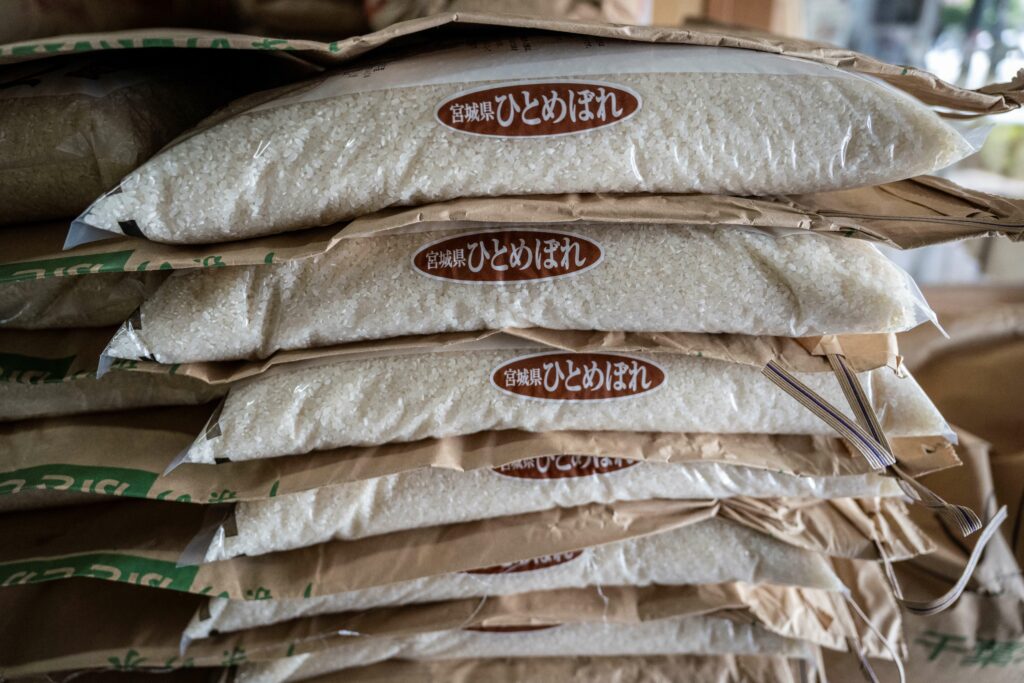
Rice prices in Japan soared 99.2 percent in June year-on-year, official data showed Friday, piling further pressure on Prime Minister Shigeru Ishiba ahead of elections this weekend.Public support for Ishiba’s administration has tumbled to its lowest level since he took office last year, partly because of frustration over the cost of living.One of the main sources of anger has been inflation and in particular the surging cost of rice, as well as scandals within the ruling party.The price of the grain already rocketed 101 percent year-on-year in May, having jumped 98.4 percent in April and more than 92.5 percent in March.Overall, Japan’s core inflation rate slowed to 3.3 percent last month from 3.7 percent in May, the data from the internal affairs ministry showed.The reading, which excludes volatile fresh food prices, was slightly below market expectations of 3.4 percent.Excluding energy and also fresh food, consumer prices rose 3.4 percent, compared with 3.3 percent in May.Opinion polls ahead of Sunday’s election suggest the ruling coalition may lose its majority in the upper house.This could force Ishiba to resign after less than a year in office.In October, his coalition was deprived of a majority in the powerful lower house.It was the worst election result in 15 years for the Liberal Democratic Party (LDP), which has governed Japan almost continuously since 1955.- Tariff pressure -Ishiba is under additional pressure to reach a trade deal with the United States before new tariffs of 25 percent take effect on August 1.Japan’s important auto imports into the world’s biggest economy are already subject to painful levies, as are steel and aluminium.US President Donald Trump wants to get Japanese firms to manufacture more in the United States, and Tokyo to buy more US goods — notably gas and oil, cars and rice — to reduce the $70 billion trade deficit with the Asian powerhouse.Ishiba, who has sent his trade envoy Ryosei Akazawa to Washington seven times to try and broker a deal, was due to host US Treasury Secretary Scott Bessent on Friday.Akazawa was also set to join the talks, and travel with Bessent to visit the World Expo in Osaka on Saturday, the Japanese government said.The Bank of Japan has been tightening monetary policy since last year as inflation crept up but worries about the impact of US tariffs on the world’s number four economy has forced it to take a slower approach.Factors behind the rising price of rice include shortages due to an intensely hot and dry summer two years ago that damaged harvests nationwide.Since then some traders have been hoarding rice in a bid to boost their profits down the line, experts say.The issue was made worse by panic buying last year prompted by a government warning about a potential “megaquake” that did not strike.The government has taken the rare step of releasing its emergency stockpile since February, which it typically only ever did during disasters.”Policy flip-flops, delayed pass-through from producer to consumer prices, and yen depreciation will keep price pressures elevated in the near term,” said Stefan Angrick at Moody’s Analytics.”With nominal pay gains stuttering, real wages won’t get the lift they need any time soon. And pay growth will likely slow further as US tariffs and tariff threats hit manufacturing and employment conditions,” he said in a note.”This leaves the Bank of Japan in a bind… We expect the BoJ will stay on hold for now, but not for long. A rate hike is likely by January and could come as early as December.”

Japan’s SMEs ready to adapt to Trump tariffs

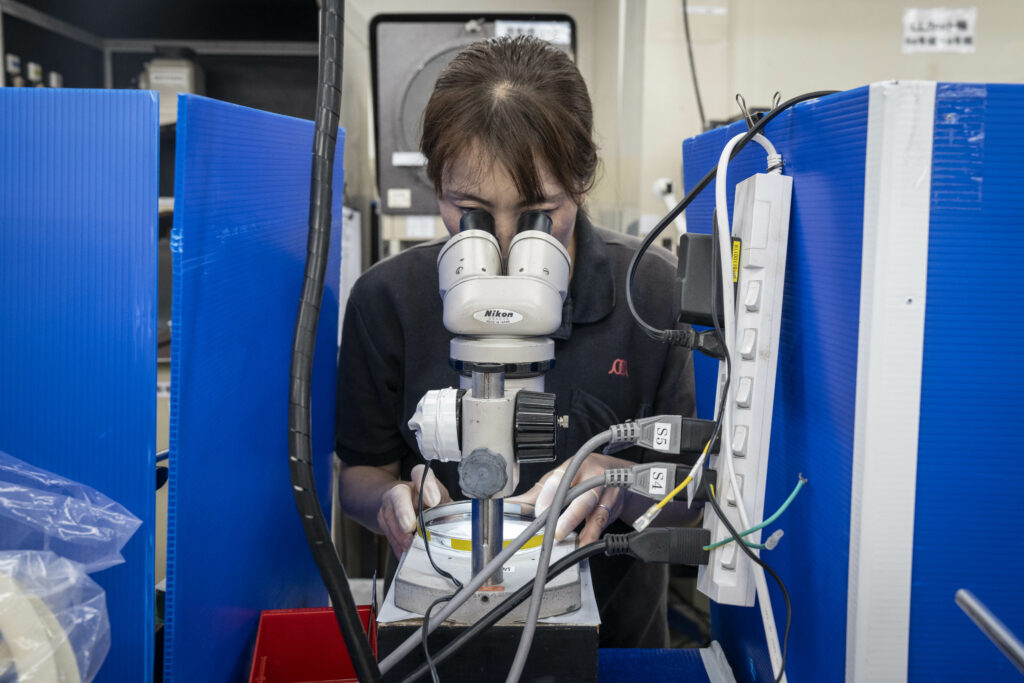
Small and medium-sized firms like Mitsuwa Electric that form the backbone of Japan’s economy have weathered many storms over the decades, and company president Yuji Miyazaki is hopeful they will also withstand Donald Trump.As part of a campaign against friend and foe, the US president has threatened 25 percent tariffs on imports of Japanese goods from August 1, having already imposed tough levies on its vehicles, steel and aluminium.However, Miyazaki told AFP that he was confident.”We are providing very specialised products for specialised industries, where it is difficult to change suppliers or supplying countries just because of boosted tariffs,” he said on a tour of the 92-year-old firm.”I’m not worried too much, because if American companies can’t produce parts on their own, they have no choice but to import those parts regardless of tariffs,” the descendant of the firm’s founder said.With 100 employees, Mitsuwa Electric is not a household name.But like millions of other SMEs that account for 99.7 percent of Japan’s companies, it is world-class in its specialist niche.It began making light bulb filaments and now produces coils, rods, needles, plates, pipes and wires for a range of goods including car lights, photocopiers and X-ray machines.In 2022 it won a Guinness World Record for the smallest commercially available metal coil, with a diameter around half that of a human hair.Mitsuwa’s customers are across Asia, Europe and North America and include Japanese engineering giant Toshiba and Toyota-affiliated parts maker Koito Manufacturing.Miyazaki said the impact of US tariffs on the company’s business is limited so far, with one auto sector customer asking it to lower prices.”All we can do is to adapt to any changes in the business environment,” Miyazaki said.- Diversify to survive -Prime Minister Shigeru Ishiba has sent his tariffs envoy Ryosei Akazawa to Washington seven times since April to try to win relief from the tariffs.US Treasury Secretary Scott Bessent was due to meet Ishiba and Akazawa on Friday in Tokyo.But the prime minister’s apparently maximalist strategy of insisting all tariffs are cut to zero have been criticised in some parts, especially as August 1 approaches.US-bound exports of Japanese vehicles — a sector tied to eight percent of Japanese jobs — tumbled around 25 percent in May and June. The lack of a deal isn’t helping Ishiba’s popularity ahead of upper house elections on Sunday that may end Ishiba’s premiership after less than a year.What bothers Japanese firms is Trump’s unpredictability and the complexity of the tariffs, according to government-backed SME support organisation JETRO.Since February, the group has received more than 2,000 enquiries from members about US tariffs, with a flood of requests since June asking for “the latest information” as the deadline approaches.Mitsuwa Electric boss Miyazaki admits worrying about Trump’s threat of pharmaceuticals tariffs of 200 percent, or if medical equipment is targeted.Together with its broad product range, the diversification of its customer base has shielded it so far, he said.This is also vital for other firms to survive, said Zenkai Inoue, an SME expert and professor at the Kyushu Institute of Information Sciences.”I’m proposing a ‘tricycle strategy’, which means you have to have (at least) three customers in different regions,” he told AFP.”For SMEs, securing financial stability by asking banks for their funding is important to survive for the time being, then the next step would be expanding their sales channels to other markets,” he said.Inoue added that some Japanese firms had been slow to prepare for Trump’s tariffs, even after he said he would during his 2024 election campaign.”There was a time when Japanese companies, having heavily relied on the Chinese market, (were) hurt badly by a sudden change in China’s policy. But some of them have not learnt a lesson enough from that experience,” he said.

Syria troops quit Druze heartland after violence leaves nearly 600 dead

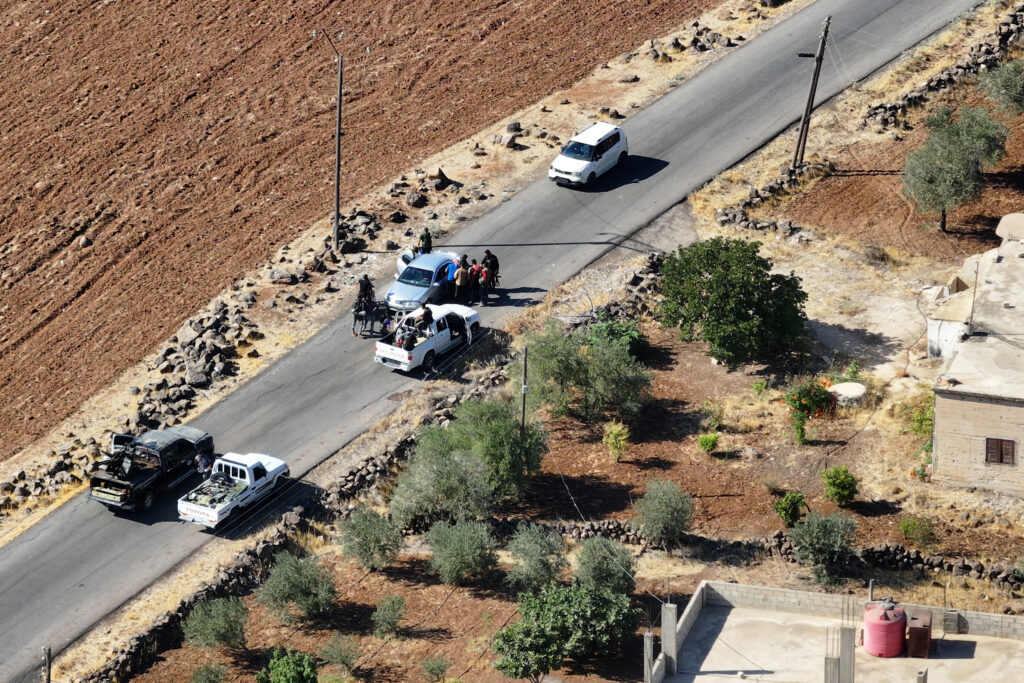
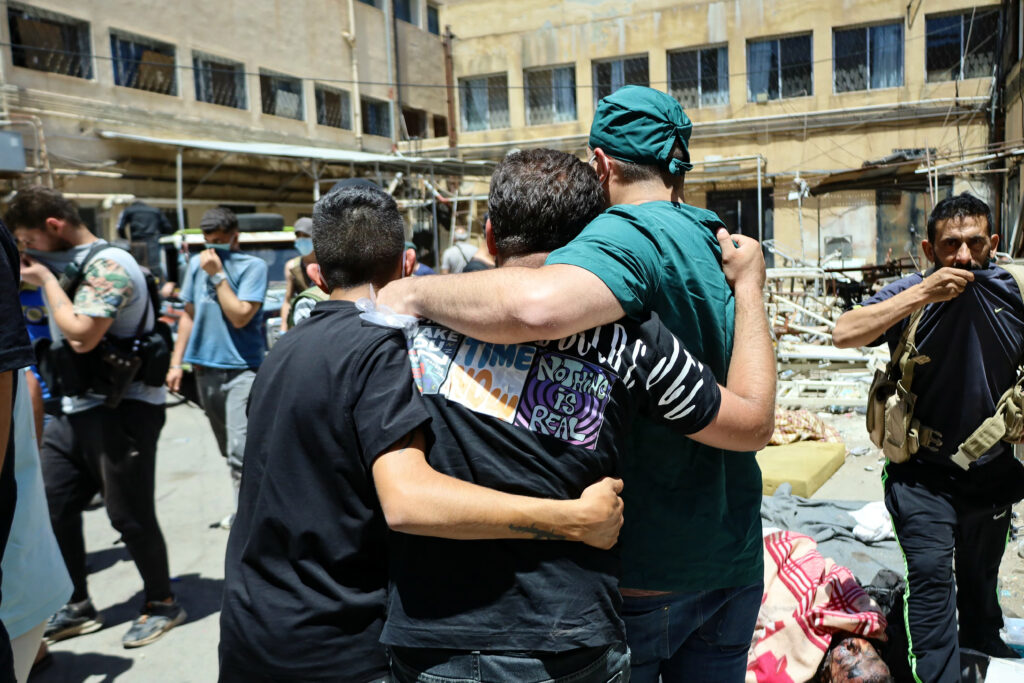
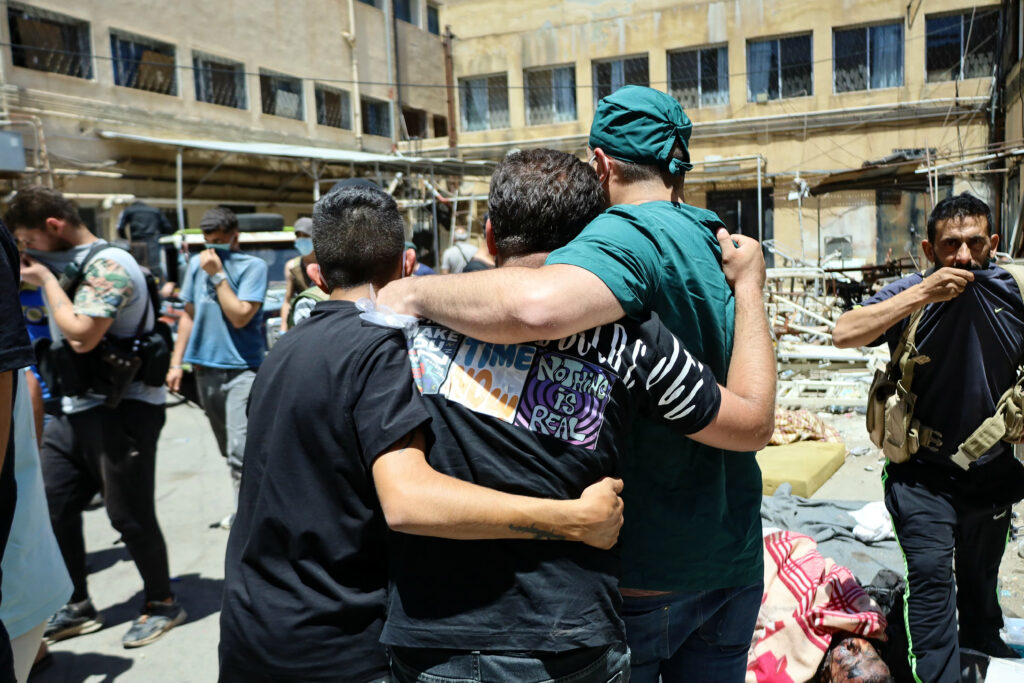
Syrian troops on Thursday pulled out of the Druze heartland of Sweida on the orders of the Islamist-led government, following days of deadly clashes that killed nearly 600 people, according to a war monitor.The southern province has been gripped by deadly sectarian bloodshed since Sunday, with hundreds reportedly killed in clashes pitting Druze fighters against Sunni Bedouin tribes and the army and its allies.The city of Sweida was desolate on Thursday, AFP correspondents on the ground reported, with shops looted, homes burnt and bodies in the streets.”What I saw of the city looked as if it had just emerged from a flood or a natural disaster,” Hanadi Obeid, a 39-year-old doctor, told AFP.Syria’s interim President Ahmed al-Sharaa said in a televised speech that community leaders would resume control over security in Sweida “based on the supreme national interest”, after the deployment of government troops on Tuesday fuelled the intercommunal bloodshed and prompted Israeli military intervention.The Syrian Observatory for Human Rights said that 594 people had been killed in clashes in Sweida province since Sunday.The UN’s humanitarian agency, OCHA, said that “nearly 2,000 families have been displaced” by the violence across the province.Israel had hammered government troops with air strikes during their brief deployment in Sweida and also struck targets in and around the capital Damascus, including the military headquarters, warning that its attacks would intensify until the government pulled back.The Observatory reported that three people were killed in Damascus by the Israeli strikes.Syria’s state-run news agency SANA later reported the first Israeli attack on the area since government forces withdrew, with strikes on the outskirts of Sweida.The Syrian presidency meanwhile accused Druze fighters in Sweida of violating the ceasefire that led to the withdrawal of government forces.In a statement, the presidency accused “outlaw forces” of violating the agreement through “horrific violence” against civilians.The presidency also warned against “continued blatant Israeli interference in Syria’s internal affairs, which only leads to further chaos and destruction and further complicates the regional situation”.- Promise of ‘protection’ -Sharaa, whose Islamist-led interim government has had troubled relations with minority groups since it toppled longtime president Bashar al-Assad in December, pledged to protect the Druze, a religious minority.”We are keen on holding accountable those who transgressed and abused our Druze people, as they are under the protection and responsibility of the state,” said Sharaa, whose Hayat Tahrir al-Sham movement was once linked to Al-Qaeda.More than 1,700 mostly Alawite civilians were massacred in their heartland on the Mediterranean coast in March, with government-affiliated groups blamed for most of the killings. Government forces also battled Druze fighters in Sweida and near Damascus in April and May, leaving more than 100 people dead.Government troops had entered Sweida on Tuesday with the stated aim of overseeing a truce, following days of deadly sectarian clashes.But witnesses said that government forces instead joined the Bedouin in attacking Druze fighters and civilians.- US mediation -The Syrian president also hit out at Israel’s military intervention, saying that it would have pushed “matters to a large-scale escalation, except for the effective intervention of American, Arab and Turkish mediation, which saved the region from an unknown fate”.The United States — a close ally of Israel that has been trying to reboot its relationship with Syria — said late Wednesday that an agreement had been reached to restore calm in the area, urging “all parties to deliver on the commitments they have made”.A US State Department spokesperson said that Washington “did not support (the) recent Israeli strikes”.Foreign ministers from 11 countries in the region, including the UAE, Saudi Arabia, Qatar and Turkey, affirmed their support for the Syrian government in a joint statement released by the United Arab Emirates’ foreign ministry on Thursday.They strongly condemned the Israeli attacks, describing them as a “blatant violation of international law and a flagrant assault on Syria’s sovereignty”, the statement said.Israeli Prime Minister Benjamin Netanyahu said on Thursday that the ceasefire was a result of his country’s “powerful action”.Israel, which has its own Druze community, has presented itself as a defender of the group, although some analysts say that is a pretext for pursuing its own military goal of keeping Syrian government forces away from the Israeli-occupied Golan Heights.Dozens of Druze gathered in the Israeli-occupied Golan Heights on Thursday, hoping to catch a glimpse of relatives on the Syrian-held side who might try to cross the barbed-wire frontier. Qamar Abu Saleh, a 36-year-old educator, said that some people “opened the fence and entered, and people from Syria also started crossing here”.”It was like a dream, and we still can’t believe it happened.”burs-nad/rlp/tc/sco

Trump threatens to sue WSJ over story on alleged 2003 letter to Epstein

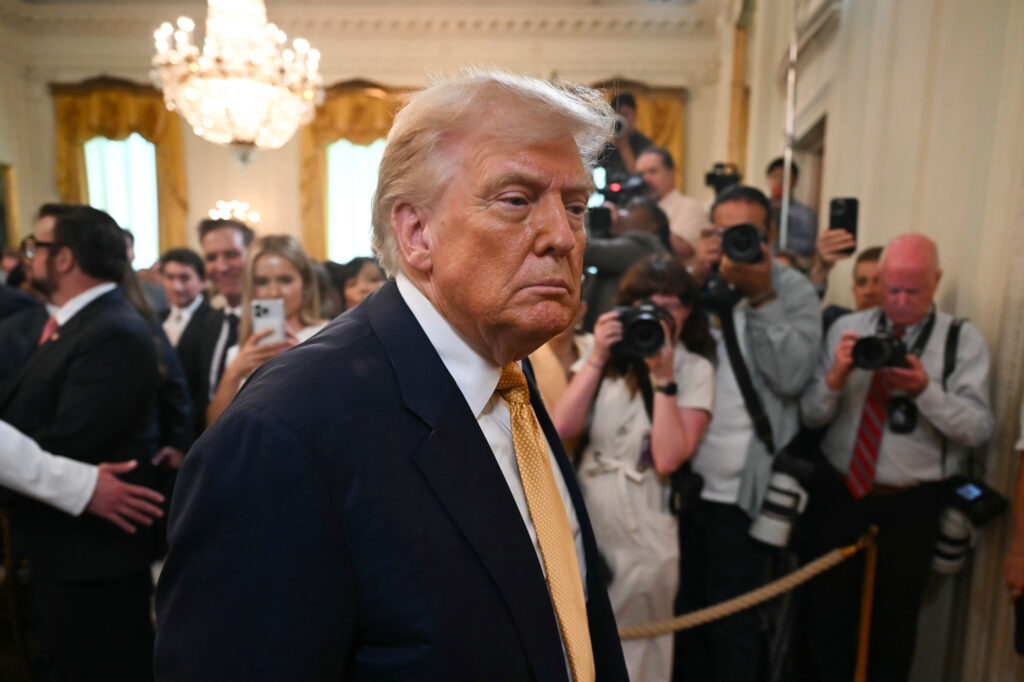
US President Donald Trump threatened to sue The Wall Street Journal Thursday over a story about an alleged off-color letter he wrote to Jeffrey Epstein, amid lingering political fallout over his administration’s handling of the late financier’s sex trafficking case.The Journal story says the letter featuring a sketch of a naked woman and Trump’s signature was part of a collection of notes for Epstein’s 50th birthday in 2003.The newspaper says it reviewed the letter but did not print an image.Wall Street Journal editor-in-chief Emma Tucker “was told directly by (White House press secretary) Karoline Leavitt, and by President Trump, that the letter was a FAKE,” Trump wrote in a post on his Truth Social network.”Instead, they are going with a false, malicious, and defamatory story anyway,” he said.”President Trump will be suing The Wall Street Journal, NewsCorp, and Mr. (Rupert) Murdoch, shortly. The Press has to learn to be truthful, and not rely on sources that probably don’t even exist.”The Republican president was already facing a firestorm over his past relationship with Epstein, and claims that his administration is covering up lurid details of Epstein’s crimes to protect rich and powerful figures.Epstein died by suicide in a New York prison in 2019 — during Trump’s first term — after being charged with federal sex trafficking in a scheme where he allegedly groomed young and underage women for sexual abuse by his wealthy contacts.He was previously required to register as a sex offender in Florida after pleading guilty to two felony prostitution-related charges.Later Thursday, Trump asked Attorney General Pam Bondi to release transcripts of grand jury testimony in the Epstein case, “subject to court approval.”- ‘Another wonderful secret’ -The alleged letter — which Trump denies writing — is raunchy, as were others in the collection, the Journal reported. It contains several lines of typewritten text, contained in an outline of a naked woman drawn with a marker.”The future president’s signature is a squiggly ‘Donald’ below her waist, mimicking pubic hair,” the Journal reported.”The letter concludes: ‘Happy Birthday — and may every day be another wonderful secret.'”Trump denied writing the letter or drawing the figure, telling the Journal: “This is not me. This is a fake thing.””I don’t draw pictures of women,” he said. “It’s not my language. It’s not my words.”Murdoch, who controls the NewsCorp global media company, was in Trump’s suite Sunday at MetLife Stadium outside New York City for the FIFA Club World Cup final.- Epstein row -The Trump-supporting far-right has long latched onto the Epstein scandal, claiming the existence of a still-secret client list and that he was murdered in his cell as part of a cover-up.Trump supporters expected the Republican to answer their questions on his return to office in January but now find themselves being told the conspiracy theories are false.The Justice Department and FBI said in a memo made public earlier this month there is no evidence that Epstein kept a “client list” or was blackmailing powerful people.They also dismissed the claim that Epstein was murdered in jail, confirming his suicide, and said they would not be releasing any more information on the probe.That could change if grand jury testimony or evidence are released.On Thursday, US media reported that a federal prosecutor who handled Epstein’s case, who is the daughter of a prominent Trump critic, was abruptly fired.Maurene Comey, whose father is former FBI director James Comey, was dismissed Wednesday from her position as an assistant US attorney in Manhattan, the reports said.Comey also prosecuted Ghislaine Maxwell, the only former Epstein associate who has been criminally charged in connection with his activities.Maxwell is the person who compiled the leather-bound book of letters for Epstein in 2003, The Journal reported.”The WSJ should be ashamed for publishing it. Where is this letter? Would you be shocked to learn they never showed it to us before publishing it?” Vice President JD Vance wrote on X.Meanwhile, Democratic lawmaker Pat Ryan wrote: “I think we now know EXACTLY why Donald Trump refuses to release the Epstein files.”

California to sue Trump govt over axed high-speed rail funds

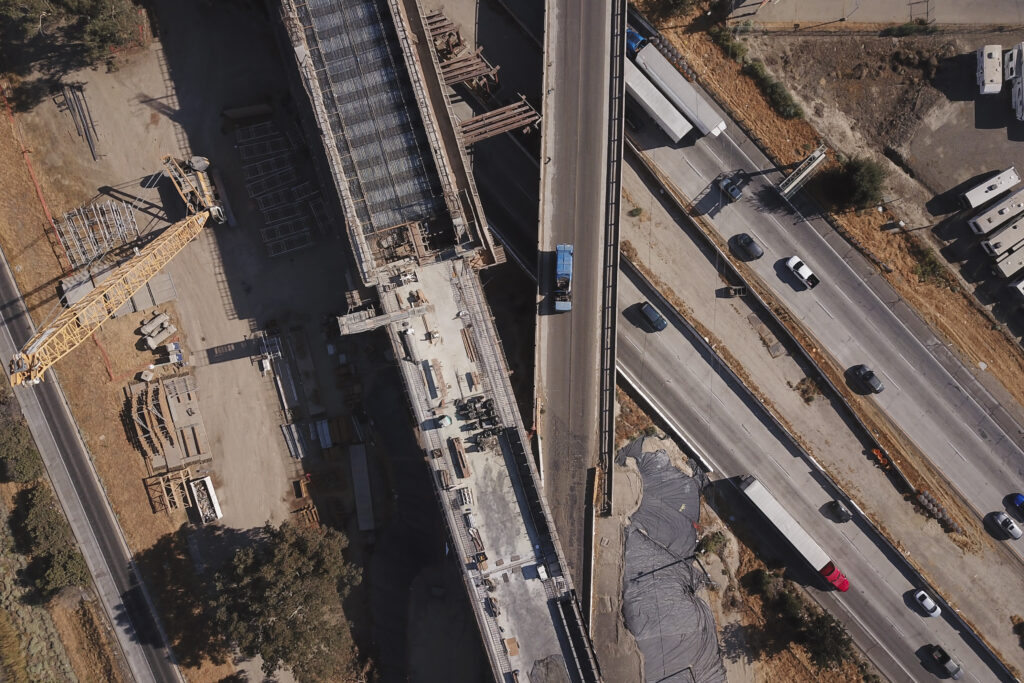
California will sue President Donald Trump’s administration over its decision to cancel billions of dollars in federal funding for the construction of a long-delayed high-speed rail line, the state’s governor said Thursday.”Trump’s termination of federal grants for California high-speed rail reeks of politics. It’s yet another political stunt to punish California,” Governor Gavin Newsom said in a statement. “We’re suing to stop Trump from derailing America’s only high-speed rail actively under construction,” Newsom said, adding that cancelling the funds would put “real jobs and livelihoods on the line.”A Democratic stronghold, California has been the target of Trump’s ire since his return to office, and is already waging multiple legal challenges against the federal government.The dream of a train linking Los Angeles with San Francisco some 380 miles (610 kilometers) away in just two hours and 40 minutes has been over 15 years in the making.But the project launched in 2008 to connect the two main cities of the country’s most populous state has seen numerous hold ups and overshot budgets. According to the governor, it is expected to create 15,000 jobs.On Wednesday, Trump announced he was cutting federal funding earmarked for the project.”Not a SINGLE penny in Federal Dollars will go towards this Newscum SCAM ever again,” he posted on social media, using a pejorative name for the Democrat governor, a bitter political rival of the president.During his first term, the Republican leader had already canceled funding for the rail line, but the move was suspended after California challenged it in court.When Democrat Joe Biden assumed the presidency in 2021, he restored the funds. Trump’s administration threatened to cancel $4 billion earmarked for the project in June after a report by the Federal Railroad Administration (FRA) concluded that the initial section of the line would not be completed by a 2033 deadline. Even if California’s challenge succeeds again, the axed funding is a serious blow to the project, with new delays almost inevitable.Unlike in Europe or Asia, passenger rail travel is one of the least developed forms of transportation in the United States, with high-speed rail virtually non-existent.The country’s first fully high-speed rail line, planned to run about 220 miles between Los Angeles and Las Vegas, is expected to be completed by 2028, in time for the Olympic Games.

Le pouvoir syrien retire ses forces de Soueida après des combats sanglants

La ville syrienne à majorité druze de Soueida compte ses morts après le retrait des troupes gouvernementales, décidé par le président intérimaire Ahmad al-Chareh pour éviter selon lui une “guerre ouverte” avec Israël.Mais la présidence syrienne a accusé jeudi les combattants druzes de Soueida de violer le cessez-le-feu. Elle a aussi mis en garde contre “l’interférence israélienne flagrante continue dans les affaires internes de la Syrie, qui ne conduit qu’à davantage de chaos et de destruction et complique plus encore la situation régionale”.Israël a menacé mercredi d’intensifier ses frappes si les forces syriennes ne quittaient pas cette province du sud de la Syrie, où les combats ont fait près de 600 morts selon une ONG. Jeudi soir, l’agence officielle Sana a fait état d’un raid israélien près de Soueida, la premier depuis le retrait syrien. Les habitants de Soueida ont découvert une ville sinistrée. Un correspondant de l’AFP a compté 15 cadavres gisant dans le centre.”C’est comme si Soueida sortait d’une catastrophe naturelle ou d’une inondation”, a raconté à l’AFP Hanadi Obeid, un médecin de 39 ans. Devant l’hôpital principal, des familles cherchent leurs proches dans un climat de colère et de peur.Selon le bureau des affaires humanitaires de l’ONU (Ocha), “près de 2.000 familles ont été déplacées” en raison des violences à travers la province, qui ont éclaté dimanche entre tribus bédouines sunnites et combattants druzes. Le pouvoir syrien, disant vouloir rétablir l’ordre, a déployé ses forces mardi à Soueida, jusque-là contrôlée par des combattants druzes. L’OSDH, des témoins et des groupes druzes ont toutefois accusé les forces syriennes d’avoir combattu au côté des tribus et d’avoir commis des exactions.- “Par la force” -Cette escalade ébranle davantage le pouvoir de Chareh, qui a renversé, à la tête d’une coalition de groupes rebelles islamistes le président Bachar al-Assad en décembre, dans un pays meurtri par près de 14 ans de guerre civile.Des membres des forces gouvernementales ont affirmé à l’AFP qu’ils avaient reçu l’ordre de se retirer de la province de Soueida peu avant minuit mercredi et qu’ils avaient achevé leur retrait à l’aube.Dans un discours télévisé dans la nuit, M. Chareh a annoncé le transfert “à des groupes locaux” et des dignitaires religieux druzes de la responsabilité du maintien de la sécurité à Soueida.”Nous avons donné la priorité à l’intérêt des Syriens plutôt qu’au chaos et à la destruction”, a-t-il déclaré, disant avoir voulu éviter “une guerre ouverte” avec Israël dont il a condamné l’intervention.Mercredi, Israël a bombardé plusieurs cibles au coeur de Damas dont le QG de l’armée, faisant trois morts selon les autorités. Le Premier ministre israélien Benjamin Netanyahu a dit jeudi que le cessez-le-feu avait été obtenu “par la force”.- “Sauver la région” -M. Chareh a souligné que “l’intervention efficace de la médiation américaine, arabe et turque, a sauvé la région d’un sort inconnu”.Les Etats-Unis, alliés d’Israël et qui affichent leur soutien au nouveau dirigeant syrien malgré son passé jihadiste, avaient annoncé mercredi un accord pour rétablir le calme en Syrie.Le département d’Etat, Tammy Bruce, avait dans le même temps appelé le pouvoir syrien à se retirer de la zone de conflit afin d’apaiser les tensions avec Israël. Washington “n’a pas soutenu les récentes frappes israéliennes”, a déclaré M. Bruce jeudi. La Maison Blanche a elle mis en avant le rôle des Etats-Unis dans la désescalade, qui “semble continuer”. Les ministres des Affaires étrangères des Emirats, de Jordanie, de Bahrein, de Turquie, d’Arabie Saoudite, d’Irak, d’Oman, du Qatar, de Koweit, du Liban et d’Egypte ont affirmé dans un communiqué conjoint leur “condamnation la plus ferme et leur rejet catégorique des attaques israéliennes répétées sur la Syrie qui sont une violation manifeste de la loi internationale et une attaque flagrante contre la souveraineté syrienne”.  – “Exécutions sommaires” -Selon l’OSDH, les violences ont fait 594 morts: 300 druzes de Soueida, dont 154 civils y compris 83 “exécutés sommairement par des membres (des forces relevant) des ministères de la Défense et de l’Intérieur”.Les combats ont également coûté la vie à 257 membres du gouvernement et 18 combattants bédouins sunnites, outre trois membres de tribus “exécutés sommairement par des combattants druzes”, selon cette source.Selon M. Chareh, les auteurs d’exactions contre “notre peuple druze, qui est sous la protection et la responsabilité de l’Etat”, “rendront des comptes”.Il avait fait la même promesse après le massacre de centaines de membres de la communauté alaouite, dont est issu M. Assad, début mars sur le littoral syrien. Mais une commission d’enquête sur ces massacres n’a jamais rendu ses conclusions.Présente principalement à Soueida, la communauté druze de Syrie comptait avant la guerre civile quelque 700.000 personnes. Cette minorité ésotérique issue d’une branche de l’islam est aussi implantée au Liban et en Israël.

Le pouvoir syrien retire ses forces de Soueida après des combats sanglants

La ville syrienne à majorité druze de Soueida compte ses morts après le retrait des troupes gouvernementales, décidé par le président intérimaire Ahmad al-Chareh pour éviter selon lui une “guerre ouverte” avec Israël.Mais la présidence syrienne a accusé jeudi les combattants druzes de Soueida de violer le cessez-le-feu. Elle a aussi mis en garde contre “l’interférence israélienne flagrante continue dans les affaires internes de la Syrie, qui ne conduit qu’à davantage de chaos et de destruction et complique plus encore la situation régionale”.Israël a menacé mercredi d’intensifier ses frappes si les forces syriennes ne quittaient pas cette province du sud de la Syrie, où les combats ont fait près de 600 morts selon une ONG. Jeudi soir, l’agence officielle Sana a fait état d’un raid israélien près de Soueida, la premier depuis le retrait syrien. Les habitants de Soueida ont découvert une ville sinistrée. Un correspondant de l’AFP a compté 15 cadavres gisant dans le centre.”C’est comme si Soueida sortait d’une catastrophe naturelle ou d’une inondation”, a raconté à l’AFP Hanadi Obeid, un médecin de 39 ans. Devant l’hôpital principal, des familles cherchent leurs proches dans un climat de colère et de peur.Selon le bureau des affaires humanitaires de l’ONU (Ocha), “près de 2.000 familles ont été déplacées” en raison des violences à travers la province, qui ont éclaté dimanche entre tribus bédouines sunnites et combattants druzes. Le pouvoir syrien, disant vouloir rétablir l’ordre, a déployé ses forces mardi à Soueida, jusque-là contrôlée par des combattants druzes. L’OSDH, des témoins et des groupes druzes ont toutefois accusé les forces syriennes d’avoir combattu au côté des tribus et d’avoir commis des exactions.- “Par la force” -Cette escalade ébranle davantage le pouvoir de Chareh, qui a renversé, à la tête d’une coalition de groupes rebelles islamistes le président Bachar al-Assad en décembre, dans un pays meurtri par près de 14 ans de guerre civile.Des membres des forces gouvernementales ont affirmé à l’AFP qu’ils avaient reçu l’ordre de se retirer de la province de Soueida peu avant minuit mercredi et qu’ils avaient achevé leur retrait à l’aube.Dans un discours télévisé dans la nuit, M. Chareh a annoncé le transfert “à des groupes locaux” et des dignitaires religieux druzes de la responsabilité du maintien de la sécurité à Soueida.”Nous avons donné la priorité à l’intérêt des Syriens plutôt qu’au chaos et à la destruction”, a-t-il déclaré, disant avoir voulu éviter “une guerre ouverte” avec Israël dont il a condamné l’intervention.Mercredi, Israël a bombardé plusieurs cibles au coeur de Damas dont le QG de l’armée, faisant trois morts selon les autorités. Le Premier ministre israélien Benjamin Netanyahu a dit jeudi que le cessez-le-feu avait été obtenu “par la force”.- “Sauver la région” -M. Chareh a souligné que “l’intervention efficace de la médiation américaine, arabe et turque, a sauvé la région d’un sort inconnu”.Les Etats-Unis, alliés d’Israël et qui affichent leur soutien au nouveau dirigeant syrien malgré son passé jihadiste, avaient annoncé mercredi un accord pour rétablir le calme en Syrie.Le département d’Etat, Tammy Bruce, avait dans le même temps appelé le pouvoir syrien à se retirer de la zone de conflit afin d’apaiser les tensions avec Israël. Washington “n’a pas soutenu les récentes frappes israéliennes”, a déclaré M. Bruce jeudi. La Maison Blanche a elle mis en avant le rôle des Etats-Unis dans la désescalade, qui “semble continuer”. Les ministres des Affaires étrangères des Emirats, de Jordanie, de Bahrein, de Turquie, d’Arabie Saoudite, d’Irak, d’Oman, du Qatar, de Koweit, du Liban et d’Egypte ont affirmé dans un communiqué conjoint leur “condamnation la plus ferme et leur rejet catégorique des attaques israéliennes répétées sur la Syrie qui sont une violation manifeste de la loi internationale et une attaque flagrante contre la souveraineté syrienne”.  – “Exécutions sommaires” -Selon l’OSDH, les violences ont fait 594 morts: 300 druzes de Soueida, dont 154 civils y compris 83 “exécutés sommairement par des membres (des forces relevant) des ministères de la Défense et de l’Intérieur”.Les combats ont également coûté la vie à 257 membres du gouvernement et 18 combattants bédouins sunnites, outre trois membres de tribus “exécutés sommairement par des combattants druzes”, selon cette source.Selon M. Chareh, les auteurs d’exactions contre “notre peuple druze, qui est sous la protection et la responsabilité de l’Etat”, “rendront des comptes”.Il avait fait la même promesse après le massacre de centaines de membres de la communauté alaouite, dont est issu M. Assad, début mars sur le littoral syrien. Mais une commission d’enquête sur ces massacres n’a jamais rendu ses conclusions.Présente principalement à Soueida, la communauté druze de Syrie comptait avant la guerre civile quelque 700.000 personnes. Cette minorité ésotérique issue d’une branche de l’islam est aussi implantée au Liban et en Israël.