European markets drop after Trump’s latest tariff warning

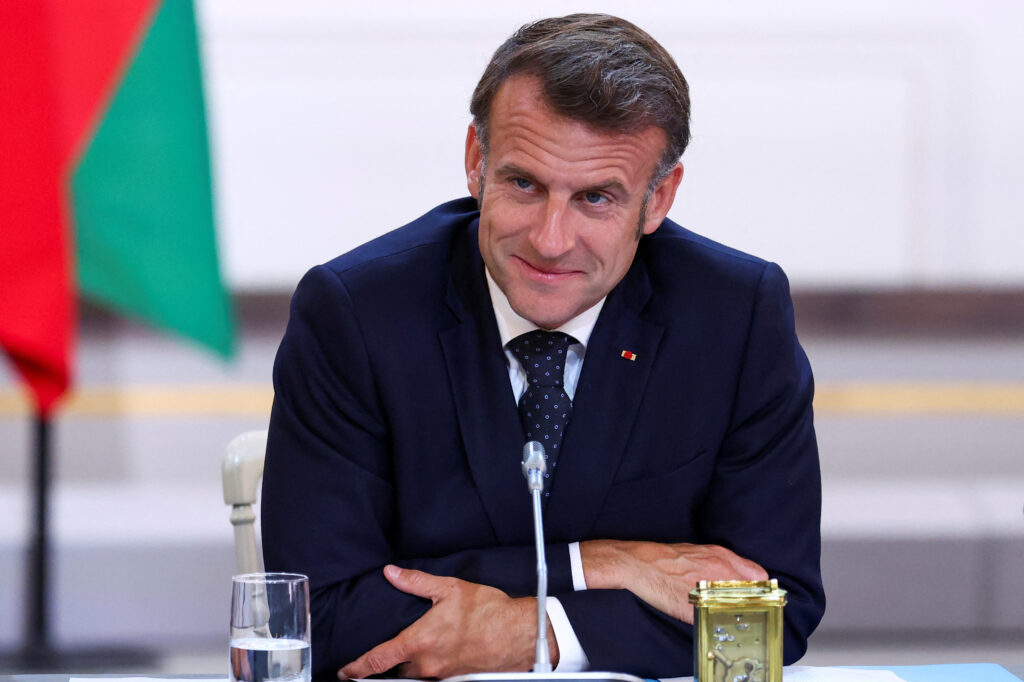
European markets mostly fell Monday while Asia was mixed as investors digested Donald Trump’s latest trade war salvos that saw him threaten to hit the European Union and Mexico with 30 percent tariffs.The US president’s outburst came after a series of announcements last week including warnings of 50 percent levies on copper and Brazilian goods, 35 percent on Canadian goods, and a possible 200 percent charge on pharmaceuticals.While observers warn the measures could deal a hefty blow to the global economy, investors are largely optimistic that governments will hammer out agreements before the White House’s August 1 deadline.In announcing his latest measures on Saturday, Trump cited Mexico’s role in illicit drugs flowing into the United States and a trade imbalance with the European Union.The move threw months of painstaking talks with Brussels into disarray.European Commission chief Ursula von der Leyen has insisted the bloc still wants to reach an accord — and on Sunday delayed retaliation over separate US duties on steel and aluminium as a sign of goodwill.EU officials threatened in May to impose tariffs on US goods worth around 100 billion euros ($117 billion), including cars and planes, if talks fail.The bloc’s trade chief Maros Sefcovic said he planned to speak to his US counterparts Monday, adding that he “cannot imagine walking away without genuine effort”.French President Emmanuel Macron backed efforts to reach an agreement that “reflects the respect that trade partners such as the European Union and the United States owe each other”.But he urged the bloc to “step up the preparation of credible countermeasures” if the two sides fail to reach an agreement.Analysts also pointed out that the levies against Mexico and Canada come even after Trump agreed a trade deal with the two during his first administration.Shares fell in Frankfurt and Paris, though London ticked higher.In Asia, Hong Kong, Shanghai, Seoul, Singapore, Manila, Bangkok and Jakarta all rose, while Tokyo, Sydney, Taipei, Mumbai and Wellington edged down.Bitcoin hit a new record high of $123,205.”It is hard to say whether the muted market response over the week is best characterised by resilience or complacency,” said National Australia Bank’s Taylor Nugent.”But it is difficult to price the array of headlines purportedly defining where tariffs will sit from 1 August when negotiations are ongoing.”Data showed Chinese exports jumped more than expected in June after Washington and Beijing agreed a tentative deal to lower swingeing levies on each other.That included a 32.4 percent surge in shipments to the United States, having dropped in May.Traders are also keeping a nervous eye on the Federal Reserve as Trump continues to berate boss Jerome Powell for not cutting interest rates soon enough, saying Sunday “I hope he quits”, and adding “He should quit”.Reports also said the president’s allies were targeting the Fed chief over his handling of an expensive renovation at the bank’s headquarters, with some suggesting they were building a case to have him removed over it.However, strategists warned that such a move would bring the independence of the central bank into question and send US Treasury yields soaring and the dollar plunging.- Key figures at around 0810 GMT -Tokyo – Nikkei 225: DOWN 0.3 percent at 39,459.62 (close)Hong Kong – Hang Seng Index: UP 0.3 percent at 24,203.32 (close)Shanghai – Composite: UP 0.3 percent at 3,519.65 (close)London – FTSE 100: UP 0.2 percent at 8,961.25Euro/dollar: DOWN at $1.1685 from $1.1690 on ThursdayPound/dollar: DOWN at $1.3484 from $1.3497Dollar/yen: DOWN at 147.36 yen from 147.38 yenEuro/pound: UP at 86.61 pence from 86.59 penceWest Texas Intermediate: UP 1.2 percent at $69.29 per barrelBrent North Sea Crude: UP 1.2 percent at $71.18 per barrelNew York – Dow: DOWN 0.6 percent at 44,371.51 (close)
Vague d’inquiétude à la Bourse de Paris après les annonces douanières de Trump

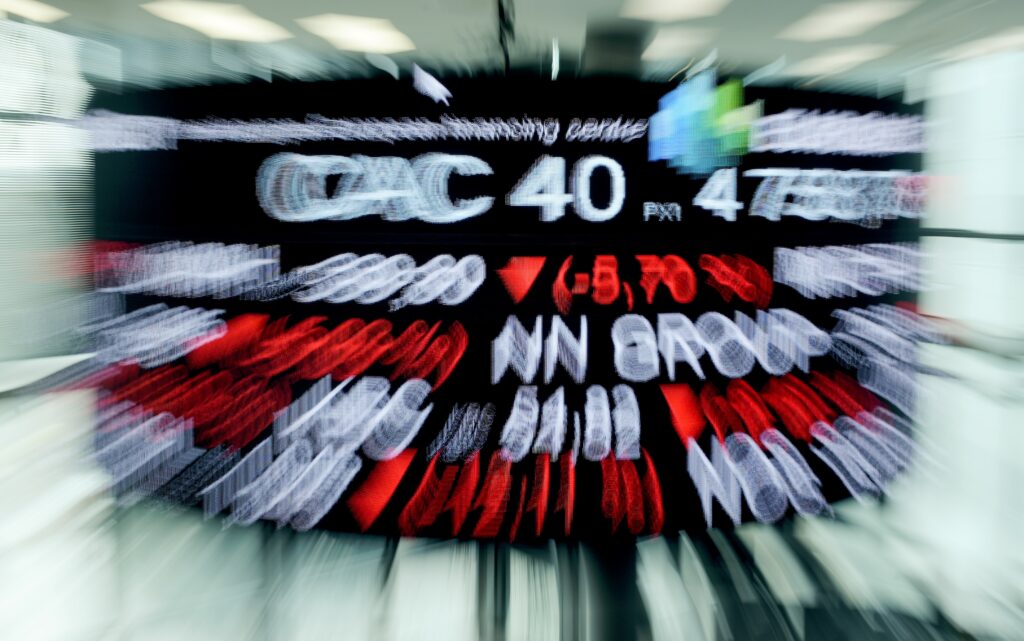
La Bourse de Paris perd du terrain lundi, minée par l’incertitude après l’imposition par le président américain durant le week-end de 30% de droits de douane sur les produits de l’Union européenne dès le 1er août.Vers 10H00 heure locale, l’indice vedette de la Bourse de Paris, le CAC 40, perdait 0,52%, soit 40,79 points, pour s’établir à 7.788,50 points. Vendredi, la Bourse de Paris avait terminé en baisse de 0,92%.”Les marchés d’actions européens ont légèrement reculé lundi matin après que le président Trump a annoncé l’instauration de droits de douane de 30% sur l’Union européenne” à partir du 1er aout, commente Neil Wilson, analyste pour Saxo Markets.L’UE veut discuter lundi avec les négociateurs américains, a déclaré le commissaire européen pour le Commerce Maros Sefcovic.”J’ai l’intention de m’entretenir à nouveau avec mes homologues américains dans le courant de la journée, car je ne peux pas m’imaginer en rester là sans effort véritable”, a-t-il déclaré avant une réunion des ministres du Commerce de l’UE à Bruxelles pour affiner leur stratégie face à la dernière offensive de Donald TrumpAprès la menace du président américain, la présidente de la Commission européenne, Ursula von der Leyen a annoncé dimanche que l’UE n’allait pas riposter pour l’instant, dans l’espoir d’obtenir un accord avant la date butoir du 1er août.”On ne sait pas très bien comment Bruxelles pourrait répondre aux demandes de Trump”, souligne Patrick Munnelly, de Tickmill Group. “Les droits de douane européens sur les produits américains sont déjà faibles, laissant peu de marge pour des réductions, et accepter des exemptions fiscales ou réglementaires poserait de sérieux problèmes politiques en interne.”Chikungunya: feu vert pour ValnevaL’Agence européenne du médicament (EMA) a levé vendredi ses restrictions temporaires d’utilisation du vaccin contre le chikungunya Ixchiq développé par le laboratoire Valneva, auprès des personnes de plus de 65 ans, mais avec des précautions d’usage.Les investisseurs ont salué la nouvelle en Bourse, le titre Valneva grimpant de 7,31% à 2,70 euros vers 10H00 heure de Paris.A la Réunion, siège d’une épidémie majeure de chikungunya, la vaccination est devenue presque inexistante en juin après que le vaccin Ixchiq n’a plus été recommandé aux plus de 65 ans, à la suite d’effets indésirables graves chez certains d’entre eux.

Pilot groups reject claims of human error in Air India crash

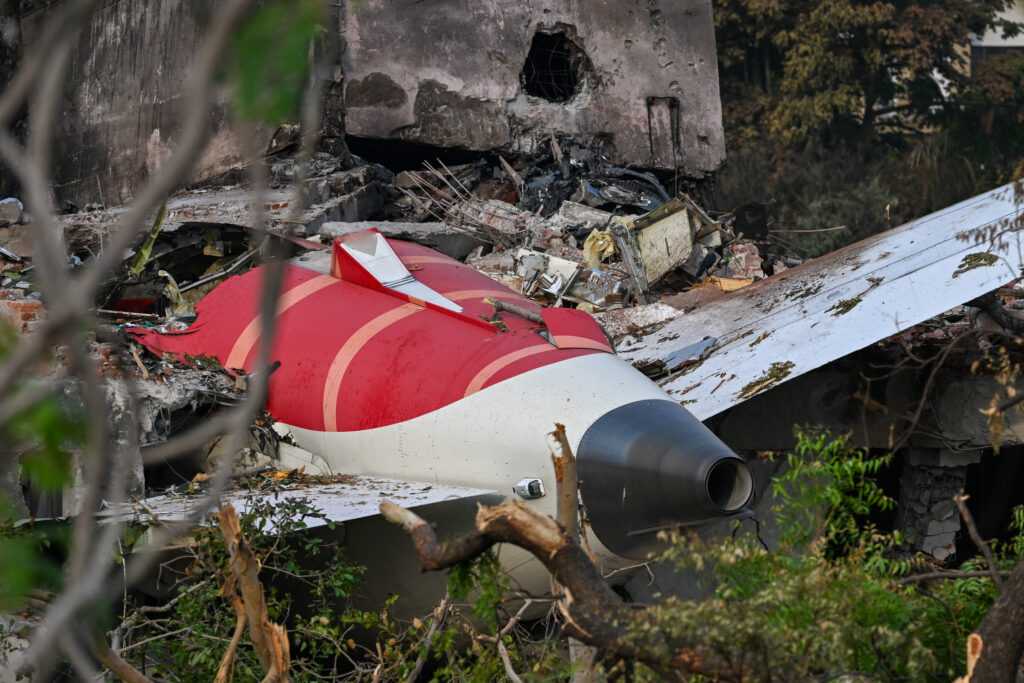
Two major commercial pilots’ associations have rejected claims human error caused an Air India crash that killed 260 people after a preliminary investigation report found the plane’s engine fuel switches had been turned off.The report, issued Saturday by India’s Aircraft Accident Investigation Bureau (AAIB), did not offer any conclusions or apportion blame for the June 12 disaster, but indicated that one pilot asked the other why he cut off fuel, and the second pilot responded that he had not.No more detail about the cockpit dialogue between the pilots was revealed.The Indian Commercial Pilots Association (ICPA) said it was “deeply disturbed by speculative narratives… particularly the reckless and unfounded insinuation of pilot suicide.””There is absolutely no basis for such a claim at this stage,” it said in a statement Sunday, adding, “it is deeply insensitive to the individuals and families involved.””To casually suggest pilot suicide without verified evidence is a gross violation of ethical reporting and a disservice to the dignity of the profession,” it said.The initial probe finding sparked speculation by several independent aviation experts that deliberate or inadvertant pilot action may have caused the London-bound Boeing 787-8 Dreamliner to crash soon after takeoff from Ahmedabad in western India.The ICPA was referring to a number of aviation experts suggesting engine fuel control switches can only be moved deliberately and manually.The Airline Pilots’ Association of India (ALPA India), another pilots’ body with 800 members, also accused the probe agency of “secrecy” surrounding the investigation, saying “suitably qualified personnel” were not involved in it.”We feel that the investigation is being driven in a direction presuming the guilt of pilots and we strongly object to this line of thought,” ALPA India president Sam Thomas said in a statement issued on Saturday.ALPA — which claims 100,000 members worldwide — also requested to the AAIB that it be included as “observers so as to provide the requisite transparency in the investigations”.The crash killed all but one of the 242 people on board as well as 19 people on the ground.

L’animateur et producteur Thierry Ardisson est mort à 76 ans, annonce sa famille à l’AFP

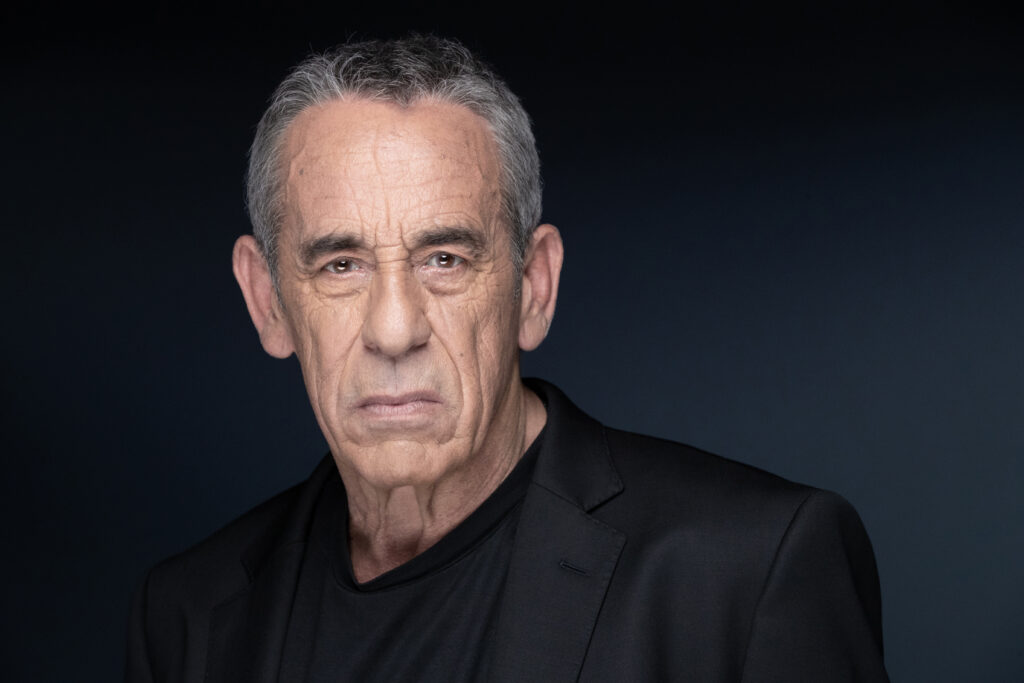
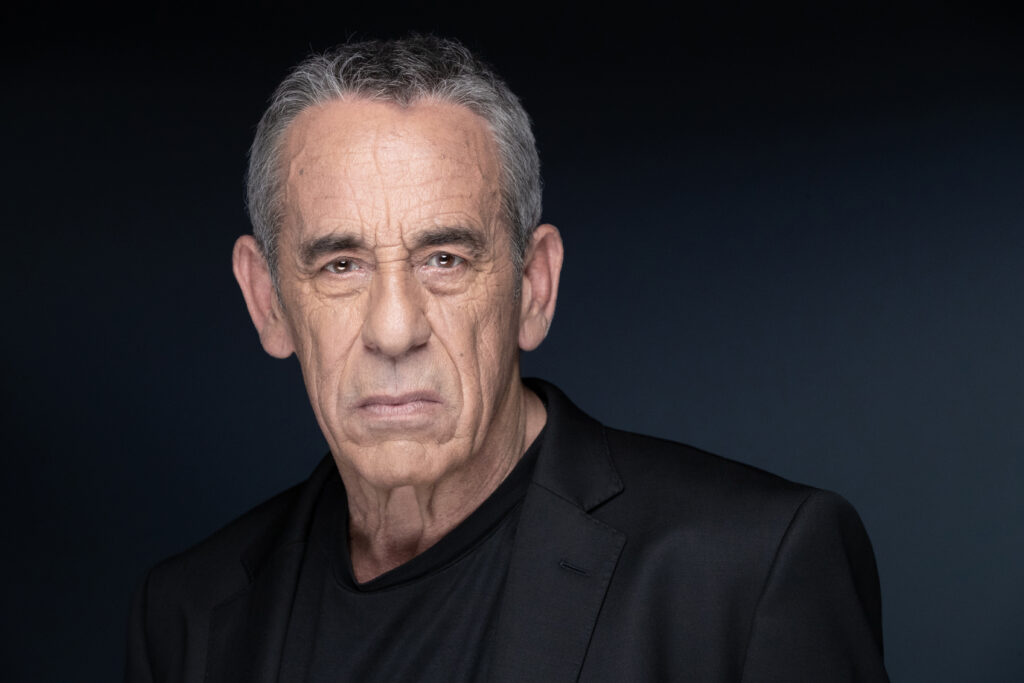
L’animateur et producteur Thierry Ardisson, star du PAF surnommée “L’homme en noir”, est décédé lundi à 76 ans à Paris des suites d’un cancer du foie, ont annoncé son épouse et ses enfants dans un communiqué à l’AFP.”Thierry est parti comme il a vécu. En homme courageux et libre. Avec ses enfants et les miens, nous étions unis autour de lui. Jusqu’à son dernier souffle”, a écrit sa femme, la journaliste de TF1 Audrey Crespo-Mara.Né le 6 janvier 1949 à Bourganeuf (Creuse), Thierry Ardisson a fait ses armes dans la publicité avec des slogans passés à la postérité, avant de passer sur le petit écran.Il a bousculé le paysage cathodique à partir des années 1980, jusqu’à s’imposer comme l’une de ses figures les plus impertinentes, avec ses talk-shows à succès en soirée. Le Tout-Paris politique et culturel s’est rendu à ses émissions, parmi lesquelles “Bains de minuit”, présentée depuis la boîte de nuit des Bains Douches à Paris, “Lunettes noires pour nuits blanches” au mythique Palace et “Rive droite / Rive gauche”, premier magazine culturel TV quotidien en France.Il a également animé “Tout le monde en parle”, une hebdomadaire sur France 2 (1998-2006) aux côtés de son acolyte Laurent Baffie, puis “Salut les Terriens” (2006-2018) sur Canal+ puis C8.Tout de noir vêtu et armé d’un éternel sourire, l’animateur, qui aimait transgresser et désarçonner ses invités, avait le sens de la formule. Certains rituels, comme ses “Bonsoirs” ou “Magnéto, Serge!”, restent indissociables de son personnage.En 2020, c’est la consécration avec “Arditube”, chaîne YouTube lancée par l’Institut national de l’audiovisuel (INA) et dédiée à l’impressionnant patrimoine télévisuel – 35 émissions – d’un animateur aux convictions ouvertement royalistes, peu connu pour sa modestie, mais aussi bosseur acharné. Il ne s’était pas fait que des amis dans le milieu: pour Bernard Pivot, il était “tellement mégalo qu’il croit avoir inventé la vulgarité à la télévision”.L’homme de télé fut aussi patron de presse, a fait de la radio, produit des séries et des films, et écrit plusieurs livres dont “L’homme en noir”, paru en mai. Emmanuel Macron lui avait remis la Légion d’honneur début 2024.Marié à trois reprises, Thierry Ardisson a eu trois enfants avec la musicienne Béatrice Loustalan. Il partageait la vie de la journaliste et présentatrice de TF1 Audrey Crespo-Mara, qu’il avait épousée en 2014.

L’animateur et producteur Thierry Ardisson est mort à 76 ans, annonce sa famille à l’AFP

L’animateur et producteur Thierry Ardisson, star du PAF surnommée “L’homme en noir”, est décédé lundi à 76 ans à Paris des suites d’un cancer du foie, ont annoncé son épouse et ses enfants dans un communiqué à l’AFP.”Thierry est parti comme il a vécu. En homme courageux et libre. Avec ses enfants et les miens, nous étions unis autour de lui. Jusqu’à son dernier souffle”, a écrit sa femme, la journaliste de TF1 Audrey Crespo-Mara.Né le 6 janvier 1949 à Bourganeuf (Creuse), Thierry Ardisson a fait ses armes dans la publicité avec des slogans passés à la postérité, avant de passer sur le petit écran.Il a bousculé le paysage cathodique à partir des années 1980, jusqu’à s’imposer comme l’une de ses figures les plus impertinentes, avec ses talk-shows à succès en soirée. Le Tout-Paris politique et culturel s’est rendu à ses émissions, parmi lesquelles “Bains de minuit”, présentée depuis la boîte de nuit des Bains Douches à Paris, “Lunettes noires pour nuits blanches” au mythique Palace et “Rive droite / Rive gauche”, premier magazine culturel TV quotidien en France.Il a également animé “Tout le monde en parle”, une hebdomadaire sur France 2 (1998-2006) aux côtés de son acolyte Laurent Baffie, puis “Salut les Terriens” (2006-2018) sur Canal+ puis C8.Tout de noir vêtu et armé d’un éternel sourire, l’animateur, qui aimait transgresser et désarçonner ses invités, avait le sens de la formule. Certains rituels, comme ses “Bonsoirs” ou “Magnéto, Serge!”, restent indissociables de son personnage.En 2020, c’est la consécration avec “Arditube”, chaîne YouTube lancée par l’Institut national de l’audiovisuel (INA) et dédiée à l’impressionnant patrimoine télévisuel – 35 émissions – d’un animateur aux convictions ouvertement royalistes, peu connu pour sa modestie, mais aussi bosseur acharné. Il ne s’était pas fait que des amis dans le milieu: pour Bernard Pivot, il était “tellement mégalo qu’il croit avoir inventé la vulgarité à la télévision”.L’homme de télé fut aussi patron de presse, a fait de la radio, produit des séries et des films, et écrit plusieurs livres dont “L’homme en noir”, paru en mai. Emmanuel Macron lui avait remis la Légion d’honneur début 2024.Marié à trois reprises, Thierry Ardisson a eu trois enfants avec la musicienne Béatrice Loustalan. Il partageait la vie de la journaliste et présentatrice de TF1 Audrey Crespo-Mara, qu’il avait épousée en 2014.

L’animateur et producteur Thierry Ardisson est mort à 76 ans, annonce sa famille à l’AFP

L’animateur et producteur Thierry Ardisson, star du PAF surnommée “L’homme en noir”, est décédé lundi à 76 ans à Paris des suites d’un cancer du foie, ont annoncé son épouse et ses enfants dans un communiqué à l’AFP.”Thierry est parti comme il a vécu. En homme courageux et libre. Avec ses enfants et les miens, nous étions unis autour de lui. Jusqu’à son dernier souffle”, a écrit sa femme, la journaliste de TF1 Audrey Crespo-Mara.Né le 6 janvier 1949 à Bourganeuf (Creuse), Thierry Ardisson a fait ses armes dans la publicité avec des slogans passés à la postérité, avant de passer sur le petit écran.Il a bousculé le paysage cathodique à partir des années 1980, jusqu’à s’imposer comme l’une de ses figures les plus impertinentes, avec ses talk-shows à succès en soirée. Le Tout-Paris politique et culturel s’est rendu à ses émissions, parmi lesquelles “Bains de minuit”, présentée depuis la boîte de nuit des Bains Douches à Paris, “Lunettes noires pour nuits blanches” au mythique Palace et “Rive droite / Rive gauche”, premier magazine culturel TV quotidien en France.Il a également animé “Tout le monde en parle”, une hebdomadaire sur France 2 (1998-2006) aux côtés de son acolyte Laurent Baffie, puis “Salut les Terriens” (2006-2018) sur Canal+ puis C8.Tout de noir vêtu et armé d’un éternel sourire, l’animateur, qui aimait transgresser et désarçonner ses invités, avait le sens de la formule. Certains rituels, comme ses “Bonsoirs” ou “Magnéto, Serge!”, restent indissociables de son personnage.En 2020, c’est la consécration avec “Arditube”, chaîne YouTube lancée par l’Institut national de l’audiovisuel (INA) et dédiée à l’impressionnant patrimoine télévisuel – 35 émissions – d’un animateur aux convictions ouvertement royalistes, peu connu pour sa modestie, mais aussi bosseur acharné. Il ne s’était pas fait que des amis dans le milieu: pour Bernard Pivot, il était “tellement mégalo qu’il croit avoir inventé la vulgarité à la télévision”.L’homme de télé fut aussi patron de presse, a fait de la radio, produit des séries et des films, et écrit plusieurs livres dont “L’homme en noir”, paru en mai. Emmanuel Macron lui avait remis la Légion d’honneur début 2024.Marié à trois reprises, Thierry Ardisson a eu trois enfants avec la musicienne Béatrice Loustalan. Il partageait la vie de la journaliste et présentatrice de TF1 Audrey Crespo-Mara, qu’il avait épousée en 2014.

Iraqis face difficult return from Syria camp for IS families

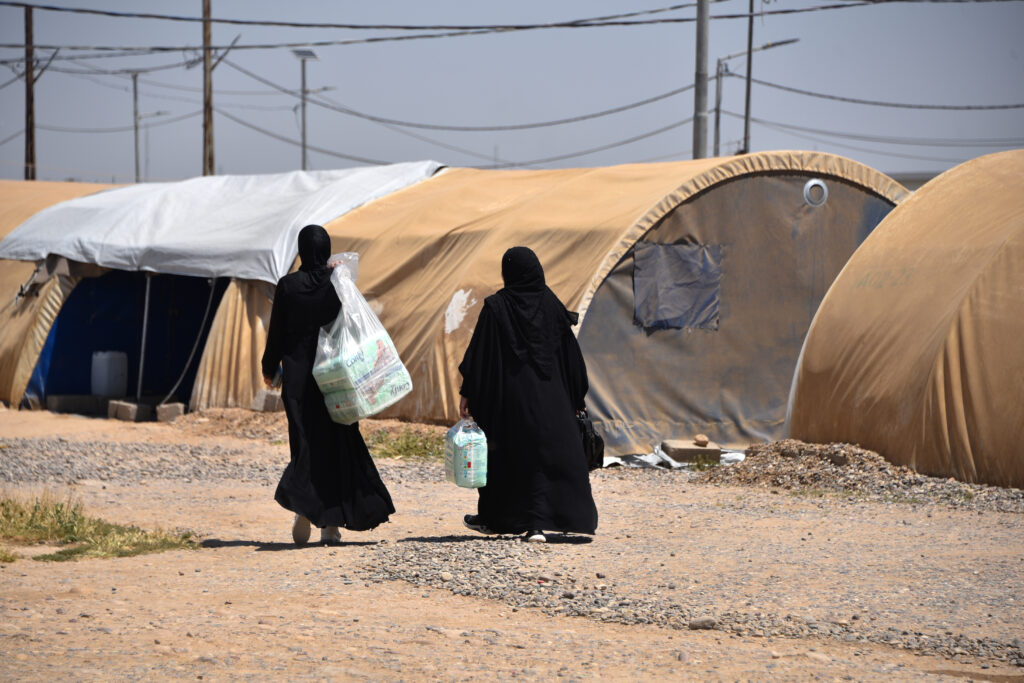
After years in a Syrian detention camp, Ibrahim Darwish was relieved to be allowed to return home to Iraq, but his joy was quickly punctured by the harsh reality that he had to disown his sons accused of being jihadists.”All I wanted was to return to Iraq,” the 64-year-old said of his time in the Kurdish-controlled al-Hol camp, where family members of suspected Islamic State group fighters are held in prison-like conditions alongside refugees and displaced people.But back home in Iraq, “I had to disown my sons. My house is gone,” he said. “I am back to square one.” Thousands of Iraqi returnees from the camp have faced major obstacles reintegrating into their communities, their perceived affiliation with IS casting a dark shadow over their prospects.AFP spoke to more than 15 returnees, humanitarian workers and a lawyer, most of whom requested anonymity for fear of reprisals.They described armed groups and local authorities in some areas pressuring returnees to cut ties with relatives suspected of IS links as a precondition for going home or obtaining essential documents.A lawyer for many returnees equated the pledges of disownment to denunciations, “essentially complaints by one family member against another”.He also warned of a widespread misconception among returnees that they must comply in order to obtain identity cards and other government papers.But a senior Iraqi official insisted that the authorities supported reintegration, including when it came to the issuance of documents.Requesting “disownment statements has become illegal, and anyone who asks for it should be reported”, the official told AFP. – ‘Moral error’ -Darwish said he was allowed to leave al-Hol after receiving Iraqi security clearance and support from his tribal leader.Back in Iraq, he spent the first several months at al-Jadaa camp, presented by the authorities as a “rehabilitation” centre where returnees wait for further permission to return home.There, “we felt the most welcome”, Darwish said.But when it was time to go home to Salaheddin province, Darwish said local authorities told him he first had to disown his sons, who are locked away on suspicion of joining IS — a charge he denies. Reluctantly, he complied.Otherwise, “how was I going to farm my land and make ends meet?” he said.In the northern city of Mosul, one woman in her thirties told AFP she was afraid to return to her hometown in Salaheddin, where her father was arrested upon his arrival and later passed away in prison.She is currently squatting with her sister and children in a dilapidated house, living in fear of eviction.When the family first returned to Iraq, she said, people “looked at us differently, just because we came from al-Hol”.Now her concern is obtaining new identity cards, which are essential for accessing healthcare, education and employment, and she fears she will have to disown her husband to do so.The authorities, she said, “did well” by bringing them back from al-Hol, where many speak of increased violence, but they must now solve the issue of reintegration.”We need them to support us so we can stand on our feet,” she added.Thanassis Cambanis, director of New York-based Century International, said the returnees “face a murky future”, especially since some of those tarred as IS families are denied documentation. “At a minimum, collective punishment of the ISIS families is an injustice and a moral error,” Cambanis warned. “At a maximum, Iraq’s policy creates a ripe pool of potential recruits for violent sectarian extremists.” – ‘Expanded support’ -While many countries refuse to repatriate their nationals from al-Hol, Baghdad has so far brought back around 17,000 people, mostly women and children.Local and international organisations facilitated reintegration, but their operations have been affected by US President Donald Trump’s decision to cut foreign aid.The Global Community Engagement and Resilience Fund (GCERF), a Geneva-registered organisation that focuses on preventing extremism, supports several centres that have so far assisted around 6,000 returnees.According to GCERF’s Kevin Osborne, the centres provide services such as psychosocial support and vocational training.But the growing number of returnees requires “expanded support to adequately prepare communities and enable smooth, sustainable reintegration”, Osborne said.Noran Mahmood, of the GCREF-supported Iraqi Institution for Development, said many returnees fear “society’s refusal” to welcome them, as if having spent time in al-Hol is a “disgrace”.Her organisation in Mosul provides counselling for the many returnees who suffer from depression, insomnia and anxiety.Rahaf, 24, is one of the many women receiving help after years of accumulated trauma.With the organisation’s assistance, she achieved her long-held dream of furthering her education, enrolling in middle school.”I feel successful,” she said. “I want to become a lawyer or a teacher.”

China exports beat forecasts in June after US tariff truce

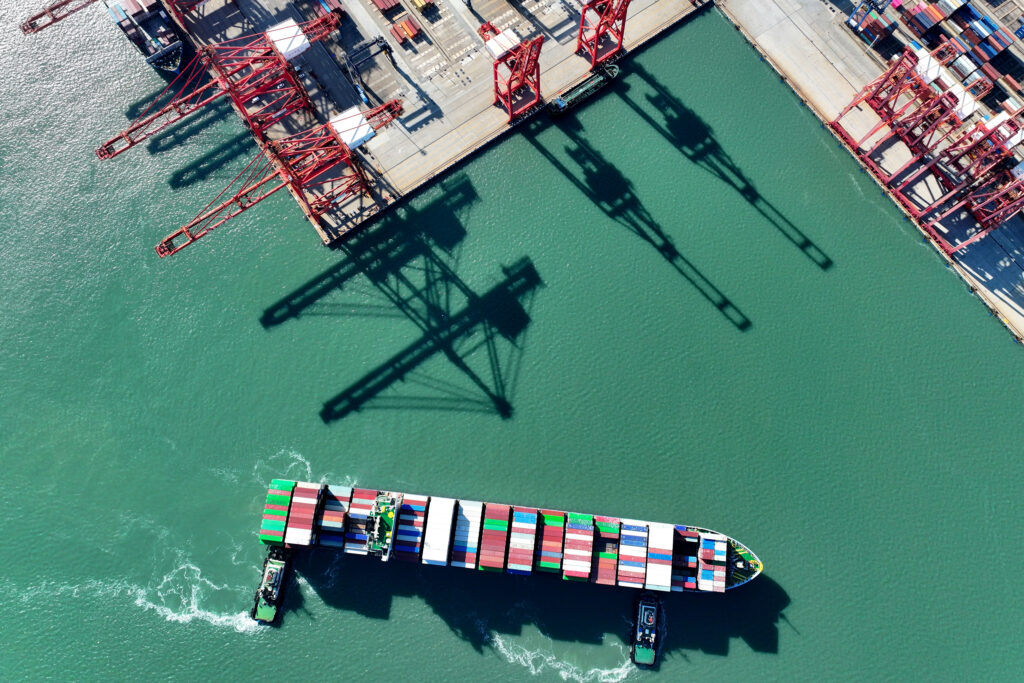
China’s exports rose more than expected in June, official data showed Monday, after Washington and Beijing agreed a tentative deal to lower swingeing tariffs on each other.Data from the General Administration of Customs said exports climbed 5.8 percent year-on-year, topping the five percent forecast in a Bloomberg survey of economists.Imports rose 1.1 percent, higher the 0.3 percent gain predicted and marking the first growth this year.China’s exports reached record highs in 2024 — a lifeline to its slowing economy as pressures elsewhere mounted.Beijing’s efforts to sustain growth have been hit by a bruising trade war with the United States, driven by President Donald Trump’s sweeping tariffs, though the two de-escalated their spat with a framework for a deal at talks in London last month.Monday’s customs figures showed Chinese exports to the United States surged 32.4 percent in June, having fallen the month before, according to an AFP calculation based on official data.”Growth in export values rebounded somewhat last month, helped by the US-China trade truce,” Zichun Huang, China economist at Capital Economics, said. “But tariffs are likely to remain high and Chinese manufacturers face growing constraints on their ability to rapidly expand global market share by slashing prices,” Huang said.”We therefore expect export growth to slow over the coming quarters, weighing on economic growth,” she added.Zhiwei Zhang, president and chief economist at Pinpoint Asset Management, said the figures showed Chinese firms were still “frontloading” exports to the United States — accelerating shipments in anticipation of further tariffs to come. The strong export figures “help to partly offset the weak domestic demand and likely keep GDP growth around the government target of five percent in the second quarter”, Zhang said.”But the outlook for the second half of the year is unclear, as the frontloading of exports (to the United States) will fade out sometime,” he said.Customs official Wang Lingjun told a news conference on Monday that Beijing hoped “the US will continue to work together with China towards the same direction”, state broadcaster CCTV reported.The tariff truce was “hard won”, Wang said.”There is no way out through blackmail and coercion. Dialogue and cooperation are the right path,” he added.- Stuttering growth -Analysts say China’s economy is expected to have expanded more than five percent in the second quarter thanks to its strong exports. Official figures are due to be released on Tuesday.But they also warn Trump’s trade war could cause a sharp slowdown in the final six months of the year.Beijing is targeting an overall expansion of around five percent in 2025 — the same as last year but a figure considered ambitious by many experts.First-quarter growth came in at 5.4 percent, beating forecasts and putting the economy on a positive trajectory.Beijing has struggled to sustain growth since the pandemic as it battles a prolonged debt crisis in the property sector, chronically low consumption and high youth unemployment.Data released last week showed that consumer prices edged up in June, barely snapping a four-month deflationary dip, but factory gate prices dropped at their fastest clip in nearly two years.Many economists argue that China needs to shift towards a growth model propelled more by domestic consumption than the traditional key drivers of infrastructure investment, manufacturing and exports.Beijing has introduced a slew of measures since last year in a bid to boost spending, including a consumer goods trade-in subsidy scheme that briefly lifted retail activity.