Vérification de l’âge en ligne: Google opposé à tout contrôle au niveau des boutiques d’applications

Le géant américain de la “tech” Google a réaffirmé vendredi son opposition à la proposition “trompeuse” poussée par son rival Meta (Facebook, Instagram) d’instaurer une vérification de l’âge des utilisateurs en ligne au niveau des boutiques d’applications.Imposer cette mesure à Google Play ou à l’App Store d’Apple “nécessiterait le partage de données granulaires sur les tranches d’âge avec des millions de développeurs qui n’en n’ont pas besoin”, fait valoir Google dans une note de blog, se disant “préoccupé par les risques que cette +solution+ ferait peser sur les enfants”.Une position partagée par Apple: dans un livre blanc publié en février, la firme de Cupertino soulignait que “seule une petite partie des applications nécessite une vérification de l’âge” et que “le bon endroit” pour appliquer cette vérification se limite “aux sites web et applications” concernés.Selon Google, cela permettrait également “aux développeurs d’application de se soustraire à leurs responsabilités” tout en étant inefficace, car “les ordinateurs ou autres appareils couramment partagés au sein des familles ne seraient pas couverts”.Le groupe répond ainsi à une campagne publicitaire lancée en mai par Meta appelant à une “réglementation européenne exigeant la vérification de l’âge et un accord parental sur l’app store”, afin de “mieux protéger” les mineurs.”Les ados utilisent en moyenne 44 applications par semaine. La vérification de l’âge au niveau de l’app store simplifierait donc la vie des parents qui n’auraient à confirmer l’âge de leur enfant qu’une seule fois au lieu de le faire pour chaque application”, soutient Meta sur le site d’Instagram.Le règlement européen sur les services numériques (DSA), entré en vigueur l’an dernier, stipule que la vérification de l’âge des utilisateurs de services relève des applications ou des sites eux-mêmes.Mais certains fournisseurs de contenus, comme le géant des sites pornographiques Aylo, défend une vérification de l’âge au niveau des appareils et de leur système d’exploitation.Cette approche “modifierait les protocoles du web décentralisé, avec des conséquences difficiles à anticiper”, répond Google dans sa note de blog.Cette passe d’armes intervient alors que le sujet prend de l’ampleur en France et en Europe.La semaine dernière, plusieurs pays de l’UE, dont la France, l’Espagne et la Grèce, ont appelé Bruxelles à davantage encadrer l’utilisation des plateformes en ligne par les enfants, face aux inquiétudes concernant leur caractère addictif mais aussi les dangers liés au cyberharcèlement ou à la prolifération des discours de haine.Mardi, le président français Emmanuel Macron s’est engagé à interdire les réseaux sociaux aux moins de 15 ans en France si, “d’ici quelques mois”, cela ne se faisait pas au niveau européen.

Des salariés d’Universcience lancent une pétition pour “sauver” le Palais de la découverte

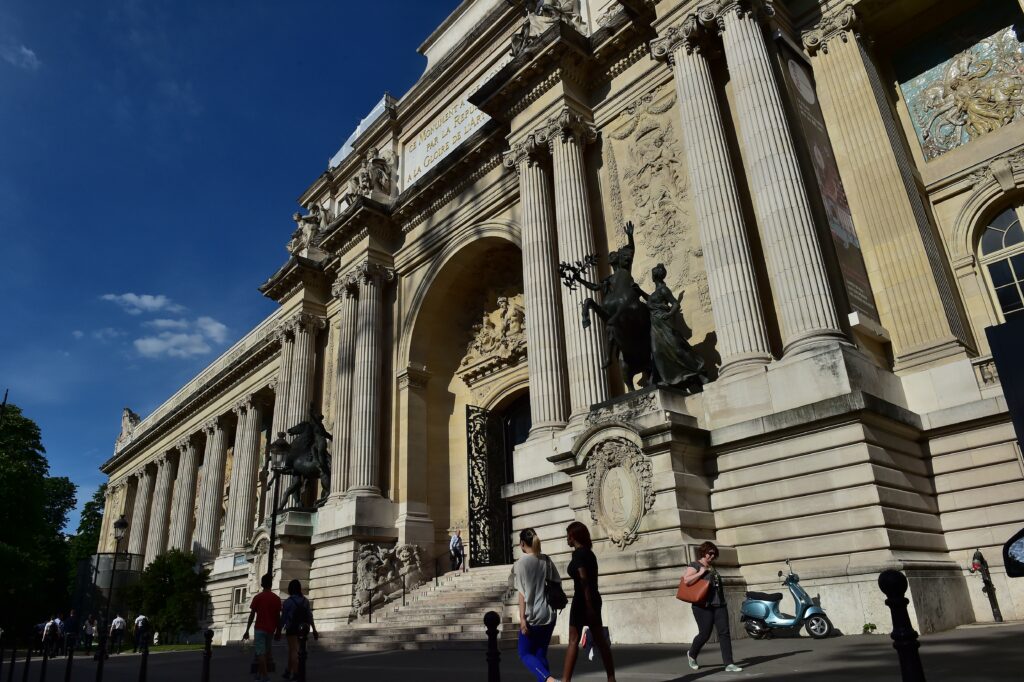
Des salariés d’Universcience ont lancé vendredi une pétition pour “sauver” le Palais de la découverte, géré par l’établissement, après que le gouvernement a mis fin aux fonctions de son président, Bruno Maquart.La question de l’avenir du musée des sciences, installé depuis 1937 dans une aile du Grand Palais à Paris, est “désormais posée”, au lendemain de la décision prise en Conseil des ministres “sans motif annoncé”, écrivent les auteurs de la pétition publiée sur le site .Le bâtiment, célèbre pour son planétarium ou sa salle consacrée à l’électricité, a fermé en 2020 pour rénovation et sa réouverture est normalement prévue en 2026.Le départ de Bruno Maquart fait suite à “une série d’annonces alarmantes depuis plusieurs mois”, comme la “réduction de la surface attribuée au Palais de la découverte au sein du Grand Palais”, le démenti “brutal” du ministère de la Culture concernant sa réouverture partielle en juin, ou des déclarations du président du Grand Palais “suggérant de déplacer le Palais de la découverte à la Cité des sciences et de l’industrie”, détaille le texte de la pétition.Ses auteurs demandent aux ministères de la Culture et de la Recherche, tutelles de l’établissement, de “confirmer au plus vite leur engagement en faveur de la réouverture du Palais de la découverte au Palais d’Antin, dans le Grand Palais”, estimant que l'”expulser” des lieux serait “le condamner à disparaître”.La pétition, initiée par des salariés d’Universcience qui chapeaute le Palais de la découverte et la Cité des sciences, avait recueilli 400 signatures en milieu d’après-midi.Dans une tribune séparée, publiée vendredi dans le Monde, une cinquantaine de représentants d’institutions scientifiques internationales appellent également la France à garantir l’avenir du Palais de la Découverte, “modèle de médiation exigeante et accessible”, qui a “inspiré des générations de scientifiques, d’enseignants et de citoyens”.”La fermeture ou la réduction définitive de cette institution ne représenterait pas seulement une perte pour Paris et pour la France, mais pour l’ensemble de la communauté internationale”, soulignent les signataires, responsables notamment de musées des sciences aux Etats-Unis, en Europe, en Afrique et en Amérique du Sud.

Meta investit des milliards dans Scale AI pour se relancer dans l’intelligence artificielle

Meta va effectuer un investissement “significatif” au capital de la start-up d’intelligence artificielle Scale AI, opération qui la valorise 29 milliards de dollars, signe du coup d’accélérateur de la maison mère de Facebook dans l’IA.Interrogé par l’AFP sur la taille de cette participation, chiffrée par plusieurs médias américains à 49%, Scale AI n’a pas donné suite dans l’immédiat, son communiqué publié jeudi évoquant seulement une part minoritaire du capital.Meta a également confirmé ce rapprochement, qualifié de “partenariat stratégique”, selon un déclaration transmise à l’AFP.Pour obtenir 49% des actions de Scale AI avec cette valorisation, Meta devrait débourser un peu plus de 14 milliards de dollars.Cela en ferait le deuxième plus important investissement de la société derrière les 19 milliards déboursés pour l’acquisition de la plateforme de messagerie WhatsApp en 2014.La transaction s’effectue sur la base d’une valorisation plus que doublée par rapport à la dernière levée de fonds de Scale AI, en mai 2024.Meta était déjà entré au capital à cette occasion, de même qu’Amazon, Intel ou le champion des puces IA Nvidia, la jeune pousse de San Francisco étant alors estimée à 13,8 milliards de dollars.Scale AI est une société très peu connue du grand public, qui s’est spécialisée dans la mise en état de données utilisées pour développer les grands modèles d’IA générative.La qualité des données qui alimentent ces logiciels est souvent considérée comme au moins aussi importante que les modèles eux-mêmes, car elles sont déterminantes dans les résultats proposés par l’IA générative.- Cap sur la “superintelligence” -L’initiative de Meta, dont le bruit circulait depuis plusieurs jours déjà, vise à la relancer dans la course à l’IA, le groupe étant l’objet d’un certain scepticisme quant aux résultats obtenus jusqu’ici.La dernière version de son grand modèle (LLM), Llama 4, lancée début avril, a été mal accueillie, certains critiquant ses performances jugées décevantes dans plusieurs domaines, notamment l’écriture de code.Pour ne rien arranger, l’entreprise de Menlo Park (Californie) a soumis à la plateforme d’évaluation d’IA générative LMArena une version de Llama 4 différente de celle disponible pour le grand public, afin d’obtenir de meilleurs résultats.La déconvenue est d’autant plus marquée que Meta a investi des milliards de dollars dans l’IA générative et en a fait l’une de ses priorités stratégiques.Selon plusieurs médias américains, les grands concurrents de l’entreprise californienne dans l’IA ont même réussi à débaucher plusieurs de ses ingénieurs. Dans le cadre de l’accord annoncé jeudi, le patron de Scale AI, Alexandr Wang, va rejoindre Meta, “pour pour participer à nos travaux sur la superintelligence”, selon le groupe dirigé par Mark Zuckerberg.”Nous en dirons davantage dans les prochaines semaines sur ce projet et les gens formidables qui vont rejoindre l’équipe”, a expliqué Meta.Selon le New York Times, l’empire des réseaux sociaux prévoit de créer un laboratoire de recherche dédié à la “superintelligence”, considéré comme le stade où l’IA atteindra un niveau de réflexion et de compréhension supérieur à celui des humains.L’actuel responsable de la stratégie de Scale AI, Jason Droege, va assurer le rôle de directeur général par intérim.Certains observateurs interprètent l’initiative de Meta comme une manière très onéreuse d’attirer plusieurs talents IA de premier plan, dont Alexandr Wang, qui a créé Scale AI en 2016 à 19 ans seulement.Des médias rapportent que Mark Zuckerberg s’est personnellement impliqué dans le projet et a directement intercédé auprès du jeune dirigeant.Dans un message aux équipes de Scale AI, il a indiqué qu’il emmènerait avec lui d’autres ingénieurs chez Meta, des médias américains évoquant plusieurs dizaines de salariés.Le patron de Scale AI a laissé entendre qu’il avait accepté la proposition de Meta en partie parce qu’elle permettait de racheter les actions détenues par les salariés, alors qu’il leur était difficile de les vendre jusqu’ici parce que la société n’est pas cotée.

Macron says Israel has ‘right to defend itself’, speaks to Netanyahu

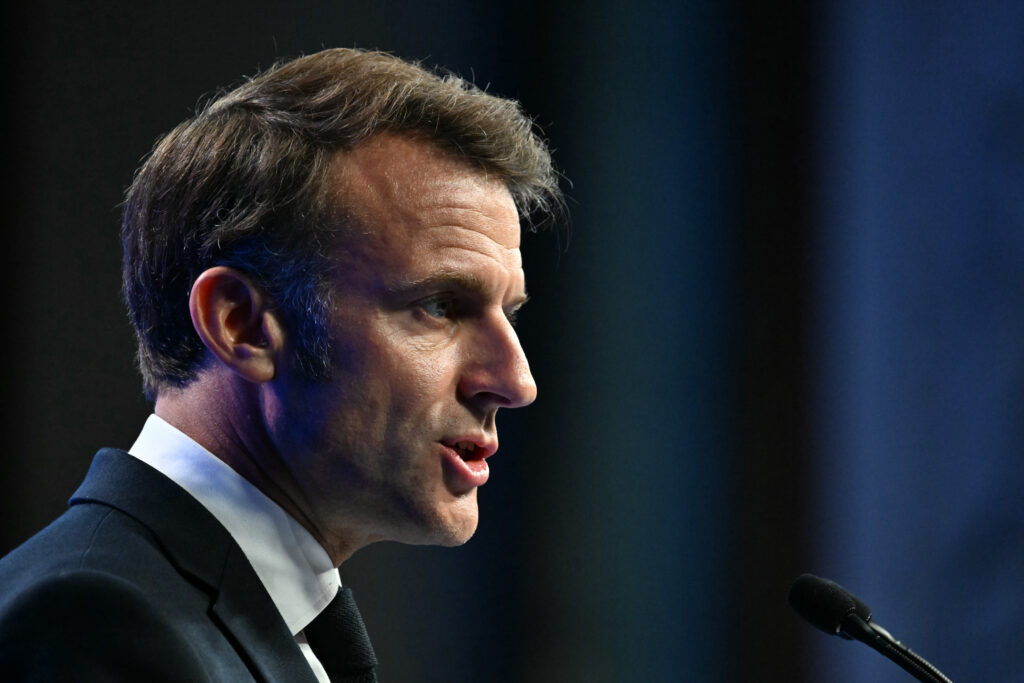
French President Emmanuel Macron, who on Friday defended Israel’s right to protect itself, spoke by phone to Israeli Prime Minister Benjamin Netanyahu following a spike in diplomatic tensions, the Elysee said.The French presidency said the phone conversation took place but did not specify the content of the exchange with the Israeli leader.Relations between Macron and Netanyahu have been strained in recent months over Israel’s blockade of Gaza and France’s plans to recognise a Palestinian state.Israel pounded Iran in a series of air raids, striking 100 targets including nuclear and military sites as well as killing the armed forces’ chief of staff.In the aftermath of the strikes, Macron also spoke with leaders including US President Donald Trump and the Crown Prince of Saudi Arabia.France and Saudi Arabia have been planning to co-chair a UN conference on a two-state solution for Israel and the Palestinians next week in New York.Macron was expected to speak on the issue on Friday, but his speech was cancelled. Instead, he will address reporters Friday evening.Earlier Friday, Macron said Israel had the right to defend itself and ensure its security but also called for de-escalation.”To avoid jeopardising the stability of the entire region, I call on all parties to exercise maximum restraint and to de-escalate,” he said on X.Macron spoke after convening a meeting of the National Defence and Security Council.”All necessary steps will be taken to protect our nationals and our diplomatic and military missions in the region,” Macron said.France’s foreign minister also urged restraint.”We call on all sides to exercise restraint and avoid any escalation that could undermine regional stability,” Jean-Noel Barrot said on X.Iran has gradually broken away from its commitments under the nuclear deal it struck with world powers including the United States and France in 2015.The landmark deal provided Iran sanctions relief in exchange for curbs on its atomic programme, but it fell apart after the unilateral withdrawal of the United States during Trump’s first term in 2018.

Iran says Israel attack ‘declaration of war’

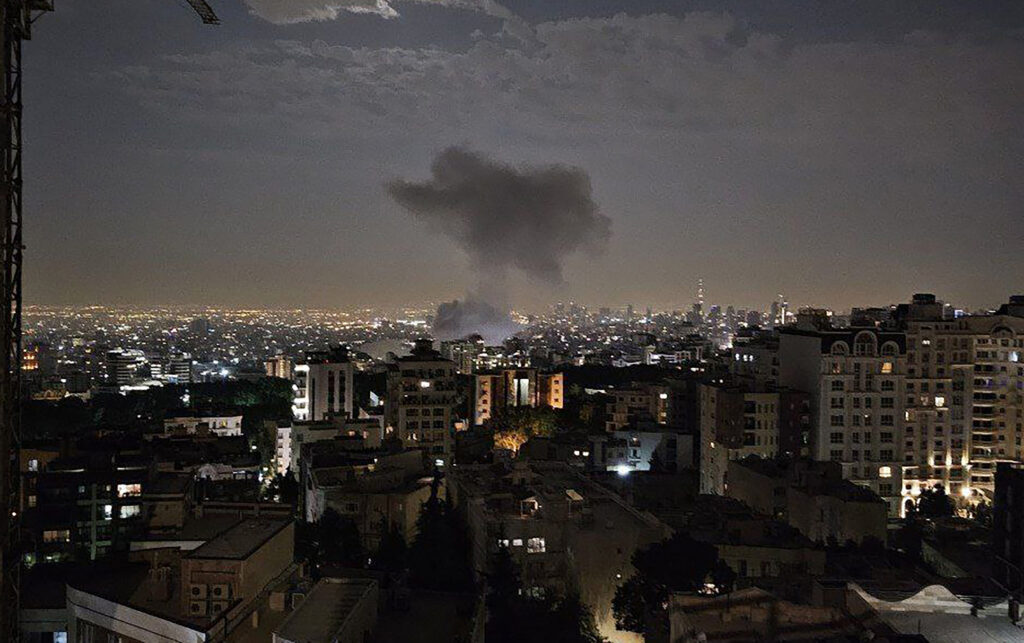
Iran called Israel’s wave of strikes on Friday a declaration of war, while US President Donald Trump warned Tehran of “even more brutal” attacks if it does not make a deal on its nuclear programme.Israel said its air strikes had killed several top Iranian generals, including most of the senior leadership of the Revolutionary Guards’ air force, while hitting about 100 targets including nuclear facilities.Iran’s supreme leader Ayatollah Ali Khamenei warned Israel it faced a “bitter and painful” fate over the attacks, while Foreign Minister Abbas Araghchi described the attack as a “declaration of war” and President Masoud Pezeshkian said “Iran will make the enemy regret its foolish act”.The Israeli military said Iran launched around 100 drones in response, with air defences intercepting them outside Israeli territory, while neighbouring Jordan said it targeted drones and missiles that violated its airspace.In the attack’s wake, Trump urged Iran on Friday to “make a deal”, warning of “even more brutal” attacks to come.The United States underlined that it was not involved in the Israeli action and warned Iran not to attack its personnel or interests, but Tehran said Washington would be “responsible for consequences”.Prime Minister Benjamin Netanyahu said Israel struck at the “heart of Iran’s nuclear enrichment programme”, taking aim at nuclear scientists and the main uranium enrichment facility in Natanz.The strikes would “continue as many days as it takes”, the Israeli premier said, while the military said intelligence showed Iran was approaching the “point of no return” on its nuclear programme.The strikes killed Iran’s highest-ranking military officer, armed forces chief of staff Mohammad Bagheri, and the head of the Revolutionary Guards, Hossein Salami, Iranian media reported.- ‘Clear message’ -Khamenei swiftly appointed new commanders to replace those killed, while state media said a senior adviser to the supreme leader had himself been wounded.”The senior chain of command of the air force of the Islamic Revolutionary Guards Corps had assembled in an underground command centre to prepare for an attack on the State of Israel,” the Israeli military said, adding that its attacks had killed most of them.Iran confirmed the Guards aerospace commander had been killed, along with “a group of brave and dedicated fighters”.Israeli Defence Minister Israel Katz said the “precise targeting of senior commanders… sends a strong and clear message: those who work toward Israel’s destruction will be eliminated”.AFP images showed a gaping hole in the side of a Tehran residential building that appeared to have sustained a targeted and localised strike.State media said civilians were killed, without providing an exact figure, while an emergency services official said 95 people had been wounded.Tasnim news agency said six nuclear scientists were among the dead.Later Friday, the UN Security Council said it would hold an emergency meeting at 3:00 pm (1900 GMT).The meeting was requested by Iran, and supported by Russia and China, a diplomatic source told AFP.- ‘Scathing response’ -Tehran’s streets were deserted except for queues at petrol stations, a familiar sight in times of crisis.”How much longer are we going to live in fear?” asked Ahmad Moadi, a 62-year-old retiree. “As an Iranian, I believe there must be an overwhelming response, a scathing response.”Air traffic was halted at Tehran’s main gateway, Imam Khomeini International Airport, while Iraq, Jordan and Syria closed their airspace.Israel declared a state of emergency as anxieties grew amid a wave of uncertainty gripping the region.”I’m worried for my children, and also about my livelihood, because this affects the market. You can’t work, you can’t do anything,” Tel Aviv resident Vered Saar told AFP.Netanyahu on Friday said he expected “several waves of Iranian attacks”.Israel’s military also began deploying reservists “to all combat arenas throughout the country” to prepare for “defence and offence”. Oil prices surged while stocks sank on the Israeli strikes, which came after Trump’s warning of a “massive conflict” in the region.Trump had also said the United States was drawing down staff in the Middle East, after Iran had threatened to target US military bases in the region if conflict broke out.Prior to the strikes, Trump said he believed a deal on Iran’s nuclear programme was “fairly close”, cautioning however that an Israeli attack on its arch foe could wreck the chances of an agreement.- ‘Within reach’ -With the violence raising questions on whether a sixth round of talks planned between the US and Iran would go ahead on Sunday in Oman, Trump said Washington was “hoping to get back to the negotiating table”.Confirming Natanz had been among Israel’s targets, the International Atomic Energy Agency (IAEA) said radiation levels outside the site “remained unchanged”.”Most of the damage is on the surface level,” said the Atomic Energy Organisation of Iran’s spokesman Behrouz Kamalvandi.Fawaz Gerges, a professor of international relations at the London School of Economics, said: “I think Israel has declared all-out war against Iran.”The United States and other Western governments have repeatedly accused Iran of seeking a nuclear weapon, an ambition it has consistently denied.Israel again called for global action after the IAEA accused Iran on Thursday of non-compliance with its obligations.The agency later said it would hold an extraordinary meeting of its board of governors in the coming days. Iran currently enriches uranium to 60 percent, far above the 3.67-percent limit set by a largely moribund 2015 agreement with major powers, but still short of the 90 percent threshold needed for a nuclear warhead.

Attacking Iran, Israel again calls bluff of ‘man of peace’ Trump

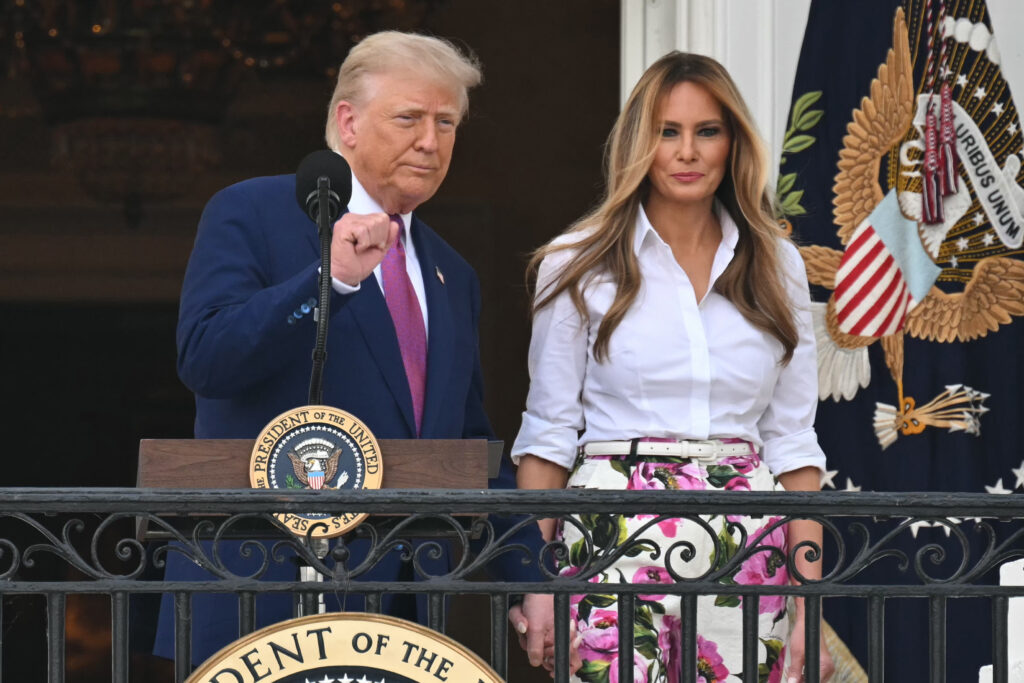
When US President Donald Trump publicly implored Israel not to attack Iran, he declared, once again, that his goal was to be a peacemaker.Hours later on Thursday, Israeli Prime Minister Benjamin Netanyahu — one of Trump’s closest international allies — unleashed a major military campaign described as a “preemptive” strike against Iran’s nuclear program.The attack marks the latest setback for Trump’s lofty goal set out at the start of his second term of being a “man of peace.”Russian President Vladimir Putin, with whom Trump has also boasted a warm relationship, has rebuffed his overtures for a ceasefire with Ukraine.And Israel resumed another massive offensive in Gaza after talks bogged down on extending a ceasefire with Hamas reached with Trump’s support at the end of his predecessor Joe Biden’s term.Trump’s friend and roving envoy Steve Witkoff — who has negotiated in all three crises — had been set to meet Iranian officials again Sunday in Oman.Trump later was careful not to distance himself from Israel, where some sources sought to suggest that the public US statements were meant to catch Iran off guard.In successive social media posts, Trump said that Iran had failed to accept his terms and that the attack came one day after a 60-day deadline he had issued, although that did not explain why Witkoff had still scheduled talks with Iran.Trump separately has repeatedly hailed US diplomacy that helped reach a ceasefire last month between India and Pakistan as a triumph, saying he averted nuclear war.- ‘It would blow it’ -Before Israel launched its operation, Trump said: “I don’t want them going in, because I think it would blow it.”Netanyahu has described Iran’s cleric-run government, which backs Hamas, as an existential threat and already last year ordered strikes that knocked out its air defenses.”We’ve clearly seen a fork in the road in the American and Israeli approaches to this problem set,” said Dana Stroul, a former senior Pentagon official who is a senior fellow at the Washington Institute for Near East Policy.”These strikes are going to disrupt and delay and degrade Iran’s nuclear program. The question, I think, is whether or not the United States and Israel in the future are going to work together on what to do to maximize the time that’s put back on the clock,” she said.Stroul noted that rifts had been building between Israel and Trump, who last month agreed to remove sanctions on Syria after former Islamist guerrilla Ahmed al-Sharaa swept into power.Trump embraced the new Syrian leader after appeals on a tour of Gulf Arab monarchies — which have also backed diplomacy on Iran.In Qatar last month, Trump said after meeting the emir that he believed a deal was in sight with Iran and that there would be no “nuclear dust” over the region.- ‘Reckless escalation’ – Despite growing disagreements, Israel enjoys robust support in Trump’s right-wing base.The Trump administration in recent days has again taken lonely positions to back Israel, with the United States casting one of the only votes at the UN General Assembly against a Gaza ceasefire resolution and criticizing top allies, including Britain, for imposing sanctions on far-right Israeli ministers.Justin Logan, director of defense and foreign policy at the libertarian Cato Institute, said the Israeli attack will “destroy US diplomatic efforts” on Iran and called for Trump to reject any US military role in protecting Israel from retaliation.”Israel has the right to choose its own foreign policy. At the same time, it has the responsibility to bear the costs of that policy,” he said.But lawmakers in Trump’s Republican Party quickly rallied behind Israel. Senator Tom Cotton said that the United States should “back Israel to the hilt, all the way,” and topple Iran’s Islamic Republic if it targets US troops.Trump’s Democratic rivals, who mostly backed his diplomacy on Iran, were aghast at Israel’s action ahead of new US-Iran talks.”Israel’s alarming decision to launch airstrikes on Iran is a reckless escalation that risks igniting regional violence,” said Jack Reed, the top Democrat on the Senate Armed Forces Committee.

Attacking Iran, Israel again calls bluff of ‘man of peace’ Trump

When US President Donald Trump publicly implored Israel not to attack Iran, he declared, once again, that his goal was to be a peacemaker.Hours later on Thursday, Israeli Prime Minister Benjamin Netanyahu — one of Trump’s closest international allies — unleashed a major military campaign described as a “preemptive” strike against Iran’s nuclear program.The attack marks the latest setback for Trump’s lofty goal set out at the start of his second term of being a “man of peace.”Russian President Vladimir Putin, with whom Trump has also boasted a warm relationship, has rebuffed his overtures for a ceasefire with Ukraine.And Israel resumed another massive offensive in Gaza after talks bogged down on extending a ceasefire with Hamas reached with Trump’s support at the end of his predecessor Joe Biden’s term.Trump’s friend and roving envoy Steve Witkoff — who has negotiated in all three crises — had been set to meet Iranian officials again Sunday in Oman.Trump later was careful not to distance himself from Israel, where some sources sought to suggest that the public US statements were meant to catch Iran off guard.In successive social media posts, Trump said that Iran had failed to accept his terms and that the attack came one day after a 60-day deadline he had issued, although that did not explain why Witkoff had still scheduled talks with Iran.Trump separately has repeatedly hailed US diplomacy that helped reach a ceasefire last month between India and Pakistan as a triumph, saying he averted nuclear war.- ‘It would blow it’ -Before Israel launched its operation, Trump said: “I don’t want them going in, because I think it would blow it.”Netanyahu has described Iran’s cleric-run government, which backs Hamas, as an existential threat and already last year ordered strikes that knocked out its air defenses.”We’ve clearly seen a fork in the road in the American and Israeli approaches to this problem set,” said Dana Stroul, a former senior Pentagon official who is a senior fellow at the Washington Institute for Near East Policy.”These strikes are going to disrupt and delay and degrade Iran’s nuclear program. The question, I think, is whether or not the United States and Israel in the future are going to work together on what to do to maximize the time that’s put back on the clock,” she said.Stroul noted that rifts had been building between Israel and Trump, who last month agreed to remove sanctions on Syria after former Islamist guerrilla Ahmed al-Sharaa swept into power.Trump embraced the new Syrian leader after appeals on a tour of Gulf Arab monarchies — which have also backed diplomacy on Iran.In Qatar last month, Trump said after meeting the emir that he believed a deal was in sight with Iran and that there would be no “nuclear dust” over the region.- ‘Reckless escalation’ – Despite growing disagreements, Israel enjoys robust support in Trump’s right-wing base.The Trump administration in recent days has again taken lonely positions to back Israel, with the United States casting one of the only votes at the UN General Assembly against a Gaza ceasefire resolution and criticizing top allies, including Britain, for imposing sanctions on far-right Israeli ministers.Justin Logan, director of defense and foreign policy at the libertarian Cato Institute, said the Israeli attack will “destroy US diplomatic efforts” on Iran and called for Trump to reject any US military role in protecting Israel from retaliation.”Israel has the right to choose its own foreign policy. At the same time, it has the responsibility to bear the costs of that policy,” he said.But lawmakers in Trump’s Republican Party quickly rallied behind Israel. Senator Tom Cotton said that the United States should “back Israel to the hilt, all the way,” and topple Iran’s Islamic Republic if it targets US troops.Trump’s Democratic rivals, who mostly backed his diplomacy on Iran, were aghast at Israel’s action ahead of new US-Iran talks.”Israel’s alarming decision to launch airstrikes on Iran is a reckless escalation that risks igniting regional violence,” said Jack Reed, the top Democrat on the Senate Armed Forces Committee.

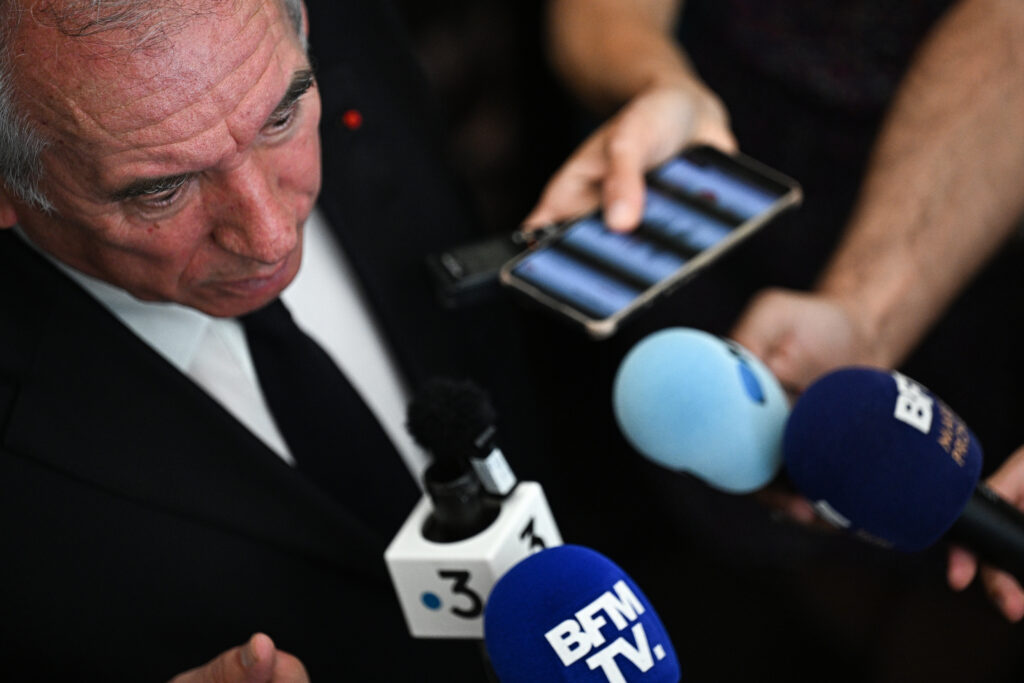
François Bayrou promet d’améliorer la situation des maires

Le Premier ministre François Bayrou a promis vendredi d’améliorer la situation des maires en vue des municipales de 2026 et de poursuivre le programme “Petites villes de demain”, qui aide les élus à mener à bien leurs projets d’aménagement.”Nous allons changer leur statut (…), améliorer leur situation quand ils sont en responsabilité, améliorer leur situation pour leur retraite et améliorer leur situation pour que l’expérience d’élu qui est la leur puisse servir ce qu’on appelle la validation des acquis”, a déclaré le Premier ministre lors des assises de l’Association des petites villes de France (APVF) à Saint-Rémy-de-Provence (Bouches-du-Rhône).Concernant le programme “Petites villes de demain”, qui arrive à échéance en mars 2026, le maire de Pau a estimé “nécessaire de le poursuivre” tout en l’adaptant “sans doute”, sans préciser quelle enveloppe budgétaire serait associée à ce programme.En réponse à une proposition du président de l’APVF Christophe Bouillon, François Bayrou s’est dit intéressé par l’idée d’un “article 40″ pour les collectivités, sur le modèle de l’article 40 de la Constitution qui limite le pouvoir d’initiative des parlementaires en matière financière afin de ne pas grever les finances de l’Etat.”C’est l’article 40 qui fait que normalement, dans une assemblée parlementaire, si vous proposez une dépense, vous devez proposer une recette. Et si on propose une nouvelle norme, il faut proposer la capacité de répondre à cette norme. Je reprends cette idée que je trouve juste et intéressante”, a-t-il déclaré.Il a en revanche réitéré la nécessité de faire participer les collectivités à l’effort de redressement des finances publiques pour 2026, assurant que “la bataille serait perdue si tout le monde ne participe pas à l’effort collectif”.Interrogé sur la possibilité d’une “année blanche” émise par Bercy, qui consisterait à un gel total des recettes des collectivités, François Bayrou a indiqué que ce n’était pas arbitré.”Les maires ont un sentiment d’avoir déjà fait beaucoup d’efforts, beaucoup de collectivités sont quand même à l’os (…) et ont des difficultés à payer les factures des équipements qu’elles ont entrepris”, a réagi Christophe Bouillon, président de l’APVF et maire de Barentin (Seine-Maritime).”Quand on a plus de charges et pas de recettes en face, qu’est-ce qu’on est obligés de faire ? Soit on abandonne un service public, soit on renonce à créer un équipement, une école, un gymnase ou autre”, a-t-il ajouté, soulignant  qu'”une année blanche pour les communes serait une année noire pour les habitants”.

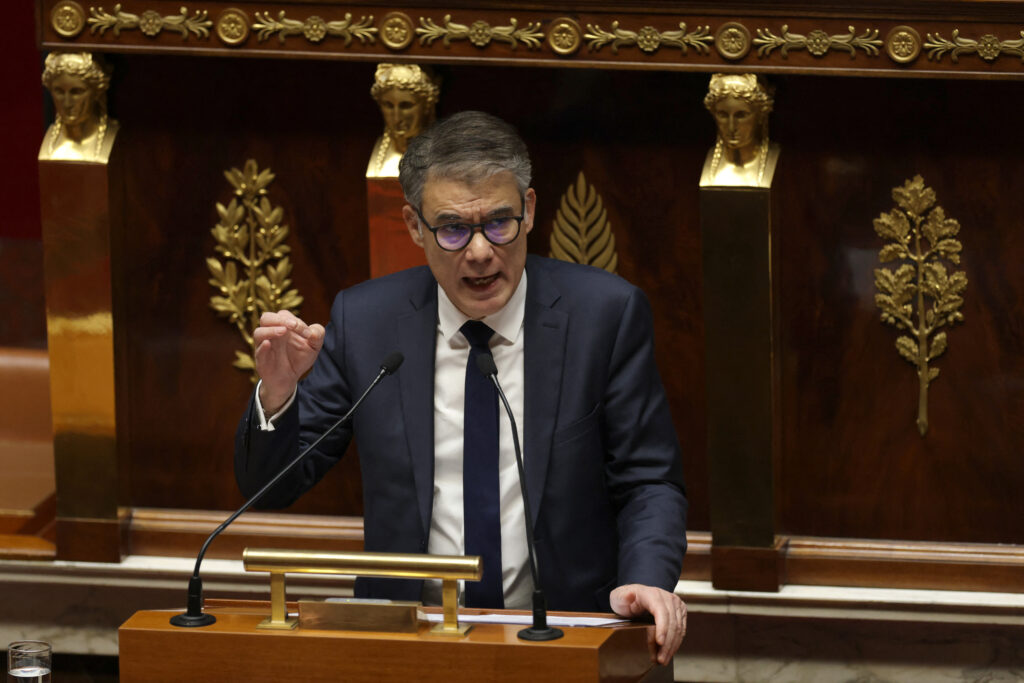
Le PS lance son congrès à Nancy, pour essayer de réunir un parti divisé

Le Parti socialiste a entamé vendredi son congrès à Nancy, qui doit entériner la victoire d’Olivier Faure au poste de premier secrétaire, avec pour principal enjeu sa capacité à rassembler sa formation en vue de l’élection présidentielle.”L’heure est au rassemblement”, a déclaré la maire de Nantes, Johanna Rolland, proche d’Olivier Faure, lors d’une conférence de presse, assurant que “l’état d’esprit de la direction” était de “tendre la main”.Olivier Faure est arrivé en tête du vote des militants le 5 juin dernier, mais avec seulement 50,9% des voix (chiffres provisoires qui seront actualisés samedi), ce qui lui laisse une faible marge de manoeuvre.Juste avant d’arriver en gare de Nancy, le premier secrétaire a d’ailleurs été félicité pour sa victoire par le contrôleur du TGV, qui a pris le micro pour annoncer sa présence à bord et lui souhaiter “un bon congrès”. La question est de savoir s’il ouvrira la direction du parti à ses concurrents, et notamment au maire de Rouen Nicolas Mayer-Rossignol.”La porte est ouverte à tout le monde. Tous ceux qui respectent la ligne stratégique fixée par le premier vote du congrès ont une place dans la direction”, a assuré Olivier Faure dans Libération vendredi.Mais Nicolas Mayer-Rossignol a déjà posé ses conditions: il réclame une “synthèse commune” comprenant les trois textes d’orientation qui se sont affrontés: celui d’Olivier Faure, le sien et celui de Boris Vallaud, le chef des députés socialistes, arrivé troisième.En privé, le premier secrétaire se montre dubitatif: “Faire la synthèse sur leur texte, ça n’a pas de sens, sinon ça ne sert à rien de faire une élection”, glisse-t-il. Nicolas Mayer-Rossignol insiste aussi pour que le PS clarifie qu’il n’y aura “pas d’alliance avec LFI, ni aux municipales, ni aux législatives (même en cas de dissolution), ni aux présidentielles à venir”.Olivier Faure a affirmé jeudi que le PS n’irait “pas derrière Jean-Luc Mélenchon à la présidentielle” et qu’il n’y aurait pas d’accord national aux municipales avec les insoumis. Pas suffisant pour le maire de Rouen, qui a estimé dans L’Opinion que “l’ambiguïté demeure”.Nicolas Mayer-Rossignol exige aussi que “toute décision stratégique (alliances, mode de désignation du candidat à la présidentielle…) soit systématiquement soumise à un vote des militants”.Il fait également part de ses réticences quant à l’élaboration d’une primaire pour la présidentielle, alors qu’Olivier Faure défend une plateforme programmatique allant de Raphaël Glucksmann à François Ruffin, en vue d’une candidature commune pour 2027.”La ligne stratégique est tranchée. En démocratie, la majorité c’est 50 + 1″, a répondu Johanna Rolland.