Scientist wins ‘Environment Nobel’ for shedding light on hidden fungal networks

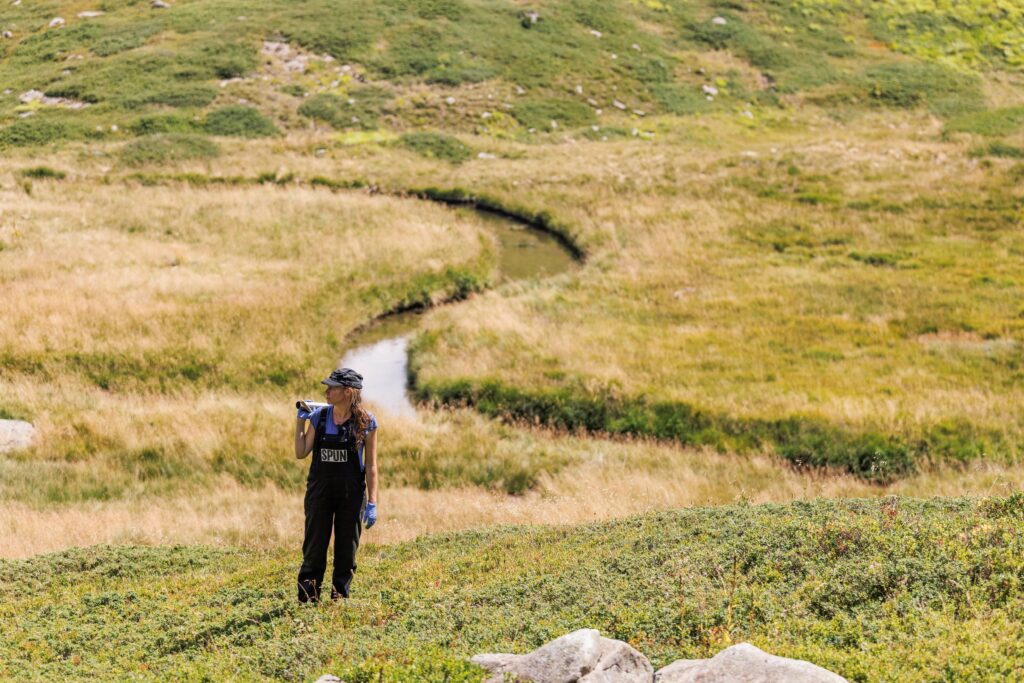
Beneath the surface of forests, grasslands and farms across the world, vast fungal webs form underground trading systems to exchange nutrients with plant roots, acting as critical climate regulators as they draw down 13 billion tons of carbon annually.Yet until recently, these “mycorrhizal networks” were greatly underestimated: seen as merely helpful companions to plants rather than one of Earth’s vital circulatory systems.American evolutionary biologist Toby Kiers has now been awarded the Tyler Prize for Environmental Achievement — sometimes called the “Nobel for the environment” — for her work bringing this underground world into focus.By charting the global distribution of mycorrhizal fungi in a worldwide Underground Atlas launched last year, Kiers and her colleagues have helped illuminate below-ground biodiversity — insights that can guide conservation efforts to protect these vast carbon stores.Plants send their excess carbon below ground where mycorrhizal fungi draw down 13.12 billion tons of carbon dioxide — around a third of total emissions from fossil fuels.”I just think about all the ways that soil is used in a negative way — you know, terms like ‘dirtbag,'” the 49-year-old University Research Chair at Vrije Universiteit Amsterdam told AFP in an interview. “Whereas a bag of dirt contains a galaxy!”- Biological marketplace – Kiers began studying fungi at 19, after writing a grant proposal that won her a place on a scientific expedition to Panama’s rainforests, “and I started asking questions about what was happening under these massive trees in this very diverse jungle.”She still vividly recalls the first time she peered through a microscope and saw an arbuscule — the mycorrhizal fungi’s tiny tree-like structure that penetrates plant cells and serves as the site of nutrient exchange — which she described as “so beautiful.”In 2011, Kiers published a landmark paper in Science showing that mycorrhizal fungi behave like shrewd traders in a “biological marketplace,” making decisions based on supply and demand. With filaments thinner than hair, fungi deliver phosphorus and nitrogen to plants in exchange for sugars and fats derived from carbon.Using lab experiments her team demonstrated that fungi actively move phosphorus from areas of abundance to areas of scarcity — and secure more carbon in return by exploiting those imbalances. Plants, in other words, are willing to pay a higher “price” for what they lack.The fungi can even hoard resources to drive up demand, displaying behavior that echoes the tactics of Wall Street traders. The fact that all this happens without a brain or central nervous system raises a deeper question: how fungi process information at all — and whether electrical signals moving through their networks hold the answer.- Debt of gratitude – More recently, Kiers and her colleagues have pushed the field further with two Nature papers that make this hidden world newly visible.One unveiled a robotic imaging system that lets scientists watch fungal networks grow, branch and redirect resources in real time; the other mapped where different species are found across the globe.That global analysis delivered a sobering result: most hotspots of underground fungal diversity lie outside ecologically protected areas.With fungi largely overlooked by conservation frameworks, Kiers co-founded the Society for the Protection of Underground Networks (SPUN) to map fungal biodiversity — and argue for its protection.To coincide with the prize, which comes with a $250,000 award, SPUN is this week launching an “Underground Advocates” program to train scientists in the legal tools they need to protect fungal biodiversity.Her aim, she says, is to get people to flip how people think about life on Earth — from the surface down. “Life as we know it exists because of fungi,” she said, explaining that the algal ancestors of modern land plants lacked complex roots, and that a partnership with fungi enabled them to colonize terrestrial environments.
Trump warns of ‘very strong action’ if Iran hangs protesters

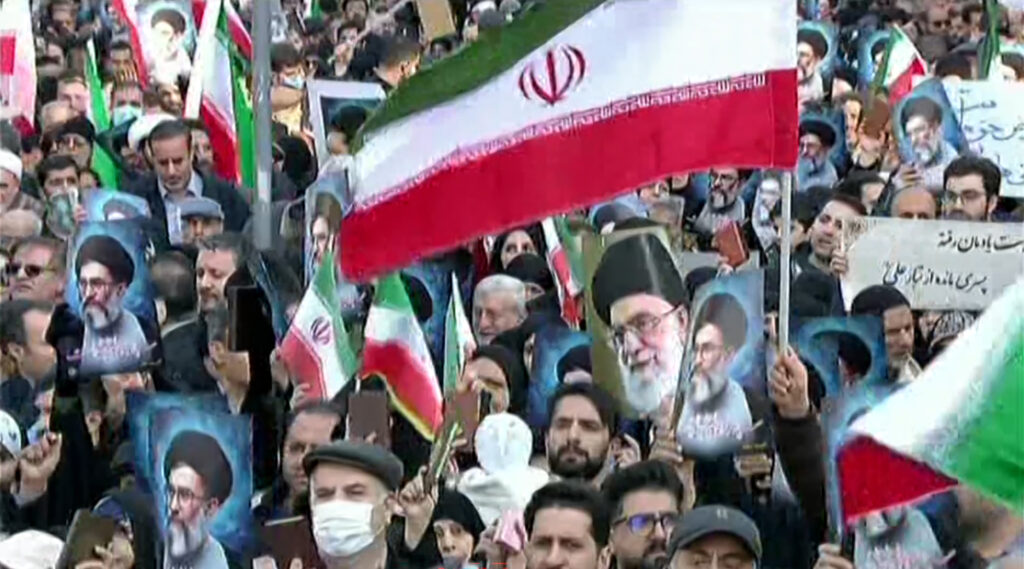
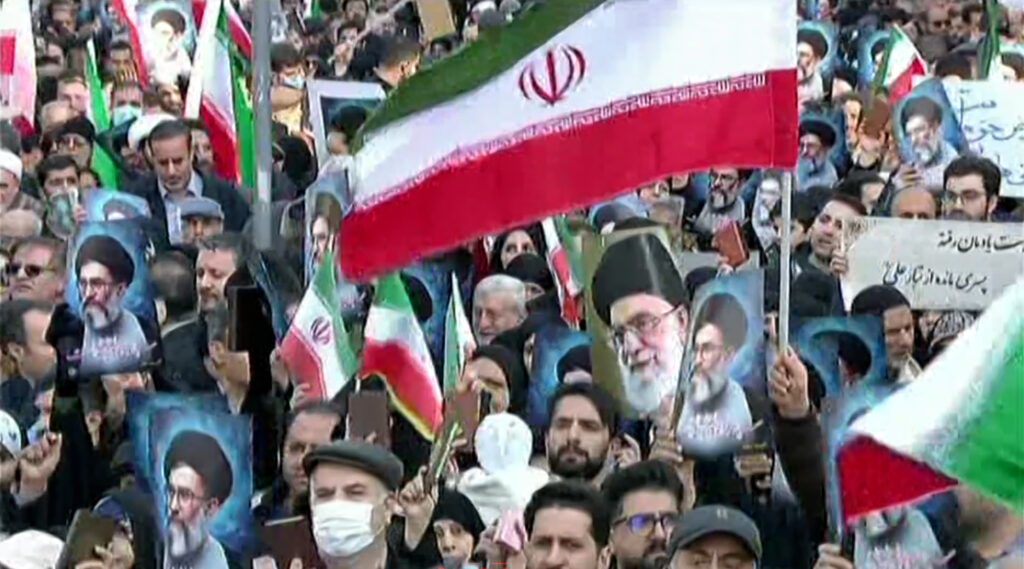
US President Donald Trump warned of unspecified “very strong action” if Iranian authorities go ahead with threatened hangings of some protesters, with Tehran calling American warnings a “pretext for military intervention”.International outrage has built over the crackdown that a rights group said has likely killed thousands during protests posing one of the biggest challenges yet to Iran’s clerical leadership.Iran’s UN mission posted a statement on X, vowing that Washington’s “playbook” would “fail again”.”US fantasies and policy toward Iran are rooted in regime change, with sanctions, threats, engineered unrest, and chaos serving as the modus operandi to manufacture a pretext for military intervention,” the post said.  Iranian authorities have insisted they had regained control of the country after successive nights of mass protests nationwide since.Rights groups accuse the government of fatally shooting protesters and masking the scale of the crackdown with an internet blackout that has now surpassed the five-day mark.New videos on social media, with locations verified by AFP, showed bodies lined up in the Kahrizak morgue just south of the Iranian capital, with the corpses wrapped in black bags and distraught relatives searching for loved ones.Trump — who earlier told the protesters in Iran that “help is on its way” — said Tuesday in a CBS News interview that the United States would act if Iran began hanging protesters.Tehran prosecutors have said Iranian authorities would press capital charges of “moharebeh”, or “waging war against God”, against some suspects arrested over recent demonstrations.”We will take very strong action if they do such a thing,” said the American leader, who has repeatedly threatened Iran with military intervention.”When they start killing thousands of people — and now you’re telling me about hanging. We’ll see how that’s going to work out for them,” Trump said.The US State Department on its Farsi language X account said 26-year-old protestor Erfan Soltani had been sentenced to be executed on Wednesday. “Erfan is the first protester to be sentenced to death, but he won’t be the last,” the State Department said, adding more than 10,600 Iranians had been arrested. Rights group Amnesty International called on Iran to immediately halt all executions, including Soltani’s.Trump urged on his Truth Social platform for Iranians to “KEEP PROTESTING”, adding: “I have cancelled all meetings with Iranian Officials until the senseless killing of protesters STOPS. HELP IS ON ITS WAY.”It was not immediately clear what meetings he was referring to or what the nature of the help would be. – ‘Rising casualties’ -European nations also signalled their anger over the crackdown, with France, Germany and the United Kingdom among the countries that summoned their Iranian ambassadors, as did the European Union. “The rising number of casualties in Iran is horrifying,” said EU chief Ursula von der Leyen, vowing further sanctions against those responsible.Norway-based NGO Iran Human Rights said it had confirmed 734 people killed during the protests, including nine minors, but warned the death toll was likely far higher.”The real number of those killed is likely in the thousands,” IHR’s director Mahmood Amiry-Moghaddam said.Iranian state media has said dozens of members of the security forces have been killed, with their funerals turning into large pro-government rallies. Authorities in Tehran have announced a mass funeral ceremony in the capital on Wednesday for the “martyrs” of recent days.Amir, an Iraqi computer scientist, returned to Baghdad on Monday and described dramatic scenes in Tehran.”On Thursday night, my friends and I saw protesters in Tehran’s Sarsabz neighbourhood amid a heavy military presence. The police were firing rubber bullets,” he told AFP in Iraq.Reza Pahlavi, the US-based son of Iran’s ousted shah, called on the military to stop suppressing protests. “You are the national military of Iran, not the military of the Islamic Republic,” he said in a statement. – ‘Serious challenge -The government on Monday sought to regain control of the streets with mass nationwide rallies that supreme leader Ayatollah Ali Khamenei hailed as proof that the protest movement was defeated, calling them a “warning” to the United States. In power since 1989 and now aged 86, Khamenei has faced significant challenges, most recently the 12-day war in June against Israel, which forced him to go into hiding.Analysts have cautioned that it is premature to predict the immediate demise of the theocratic system, pointing to the repressive levers the leadership controls, including the Revolutionary Guard Corps, which is charged with safeguarding the Islamic revolution.Nicole Grajewski, professor at the Sciences Po Centre for International Studies, told AFP the protests represented a “serious challenge” to the Islamic republic, but it was unclear if they would unseat the leadership, pointing to “the sheer depth and resilience of Iran’s repressive apparatus”.

Trump warns of ‘very strong action’ if Iran hangs protesters

US President Donald Trump warned of unspecified “very strong action” if Iranian authorities go ahead with threatened hangings of some protesters, with Tehran calling American warnings a “pretext for military intervention”.International outrage has built over the crackdown that a rights group said has likely killed thousands during protests posing one of the biggest challenges yet to Iran’s clerical leadership.Iran’s UN mission posted a statement on X, vowing that Washington’s “playbook” would “fail again”.”US fantasies and policy toward Iran are rooted in regime change, with sanctions, threats, engineered unrest, and chaos serving as the modus operandi to manufacture a pretext for military intervention,” the post said.  Iranian authorities have insisted they had regained control of the country after successive nights of mass protests nationwide since.Rights groups accuse the government of fatally shooting protesters and masking the scale of the crackdown with an internet blackout that has now surpassed the five-day mark.New videos on social media, with locations verified by AFP, showed bodies lined up in the Kahrizak morgue just south of the Iranian capital, with the corpses wrapped in black bags and distraught relatives searching for loved ones.Trump — who earlier told the protesters in Iran that “help is on its way” — said Tuesday in a CBS News interview that the United States would act if Iran began hanging protesters.Tehran prosecutors have said Iranian authorities would press capital charges of “moharebeh”, or “waging war against God”, against some suspects arrested over recent demonstrations.”We will take very strong action if they do such a thing,” said the American leader, who has repeatedly threatened Iran with military intervention.”When they start killing thousands of people — and now you’re telling me about hanging. We’ll see how that’s going to work out for them,” Trump said.The US State Department on its Farsi language X account said 26-year-old protestor Erfan Soltani had been sentenced to be executed on Wednesday. “Erfan is the first protester to be sentenced to death, but he won’t be the last,” the State Department said, adding more than 10,600 Iranians had been arrested. Rights group Amnesty International called on Iran to immediately halt all executions, including Soltani’s.Trump urged on his Truth Social platform for Iranians to “KEEP PROTESTING”, adding: “I have cancelled all meetings with Iranian Officials until the senseless killing of protesters STOPS. HELP IS ON ITS WAY.”It was not immediately clear what meetings he was referring to or what the nature of the help would be. – ‘Rising casualties’ -European nations also signalled their anger over the crackdown, with France, Germany and the United Kingdom among the countries that summoned their Iranian ambassadors, as did the European Union. “The rising number of casualties in Iran is horrifying,” said EU chief Ursula von der Leyen, vowing further sanctions against those responsible.Norway-based NGO Iran Human Rights said it had confirmed 734 people killed during the protests, including nine minors, but warned the death toll was likely far higher.”The real number of those killed is likely in the thousands,” IHR’s director Mahmood Amiry-Moghaddam said.Iranian state media has said dozens of members of the security forces have been killed, with their funerals turning into large pro-government rallies. Authorities in Tehran have announced a mass funeral ceremony in the capital on Wednesday for the “martyrs” of recent days.Amir, an Iraqi computer scientist, returned to Baghdad on Monday and described dramatic scenes in Tehran.”On Thursday night, my friends and I saw protesters in Tehran’s Sarsabz neighbourhood amid a heavy military presence. The police were firing rubber bullets,” he told AFP in Iraq.Reza Pahlavi, the US-based son of Iran’s ousted shah, called on the military to stop suppressing protests. “You are the national military of Iran, not the military of the Islamic Republic,” he said in a statement. – ‘Serious challenge -The government on Monday sought to regain control of the streets with mass nationwide rallies that supreme leader Ayatollah Ali Khamenei hailed as proof that the protest movement was defeated, calling them a “warning” to the United States. In power since 1989 and now aged 86, Khamenei has faced significant challenges, most recently the 12-day war in June against Israel, which forced him to go into hiding.Analysts have cautioned that it is premature to predict the immediate demise of the theocratic system, pointing to the repressive levers the leadership controls, including the Revolutionary Guard Corps, which is charged with safeguarding the Islamic revolution.Nicole Grajewski, professor at the Sciences Po Centre for International Studies, told AFP the protests represented a “serious challenge” to the Islamic republic, but it was unclear if they would unseat the leadership, pointing to “the sheer depth and resilience of Iran’s repressive apparatus”.

As world burns, India’s Amitav Ghosh writes for the future

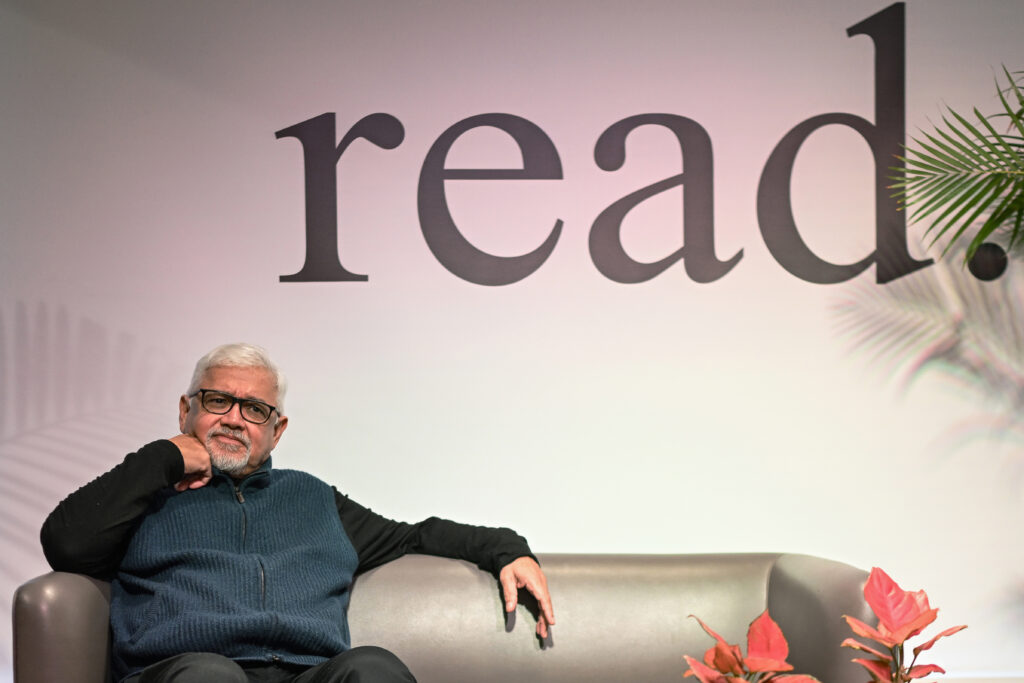
Indian writer Amitav Ghosh has long chronicled the entangled histories of empire, trade and migration.But his recent work focuses on what he considers the most urgent concern: the accelerating unravelling of the natural world and the moral legacy left for the future.Author of “The Great Derangement”, “The Glass Palace” and the forthcoming “Ghost-Eye”, Ghosh speaks bluntly about our headlong rush towards disaster while treating the Earth as an inert resource rather than a living world.”Sadly, instead of shifting course, what we’re actually doing is accelerating towards the abyss,” he told AFP from a bookshop in New Delhi. “It’s like people have lost their minds.””We’re hurtling down that path of extractivism,” he said. “Greenwashing rhetoric has been completely adopted by politicians. And they’ve become very skilled at it.”His latest novel, a mystery about reincarnation, also touches on ecological crisis, with the “ghost-eye” of its title symbolising the ability to perceive both visible and invisible alternatives.- ‘Little joys’ -Despite his subject matter, Ghosh manages to resist writing from a place of unrelenting grief.”You can’t just write in the tone of tragic despair,” he said, calling himself “by nature, sort of a buoyant person”.”One has to try and find the little joys that the world offers,” the 69-year-old said. For Ghosh, one of those joys arrives each week, when his nine-month-old grandson comes to visit.The baby is central to Ghosh’s motivation to pen another manuscript, one that will remain sealed for nearly a century as part of the Future Library project.”I think what I’m going to end up doing is writing a letter to my grandson”, he said. “In an earlier generation, young people would ask their parents, ‘What were you doing during the war?'” he said. “I think my grandson’s generation will be asking, ‘What were you doing when the world was going up in flames?’ He’ll know that I was thinking about these things.”Ghosh will submit his manuscript this year as part of Norway’s literary time capsule, joining works by Margaret Atwood, Han Kang, Elif Shafak and others to be sealed until 2114.- Mysterious world -“It’s an astonishingly difficult challenge,” he said, knowing his book will be read when the world “will be nothing like” today.”I can’t really believe that all the structures we depend on will survive into the 22nd century,” he said.”We can see how quickly everything is unravelling around us,” he added.That change is fuelling the world’s “increasingly dysfunctional politics”, he said.The younger generations “see their horizons crashing around them,” he said. “And that’s what creates this extreme anxiety which leads, on the one hand, to these right-wing movements, where they’re filled with nostalgia for the past, and on the other hand, equally, it also fuels a certain left-wing despair.”Born in Kolkata in 1956, Ghosh rose to prominence with novels such as “The Shadow Lines” and “The Calcutta Chromosome”, and later the acclaimed Ibis Trilogy. He holds India’s highest literary honour, the Jnanpith Award, won numerous international prizes, including France’s Prix Medicis Etranger, and is regularly tipped as a possible Nobel winner.But he is wary of overstating literature’s capacity to change history.”As a writer, it would be really vainglorious to imagine that we can change things in the world,” he said, while accepting that young activists tell him they are “energised” by his books.Ghosh keeps writing, not out of faith that words can halt catastrophe, but because they can inspire different kinds of thought.His involvement with the Future Library embodies that impulse: a grandfather’s attempt to speak honestly from a burning world.”We have to restore alternative ways of thinking about the world around us, of recognising that it’s a world that’s filled with mystery,” he said. “The world is much, much stranger than we imagine.”

Actor Kiefer Sutherland arrested for assaulting ride-share driver

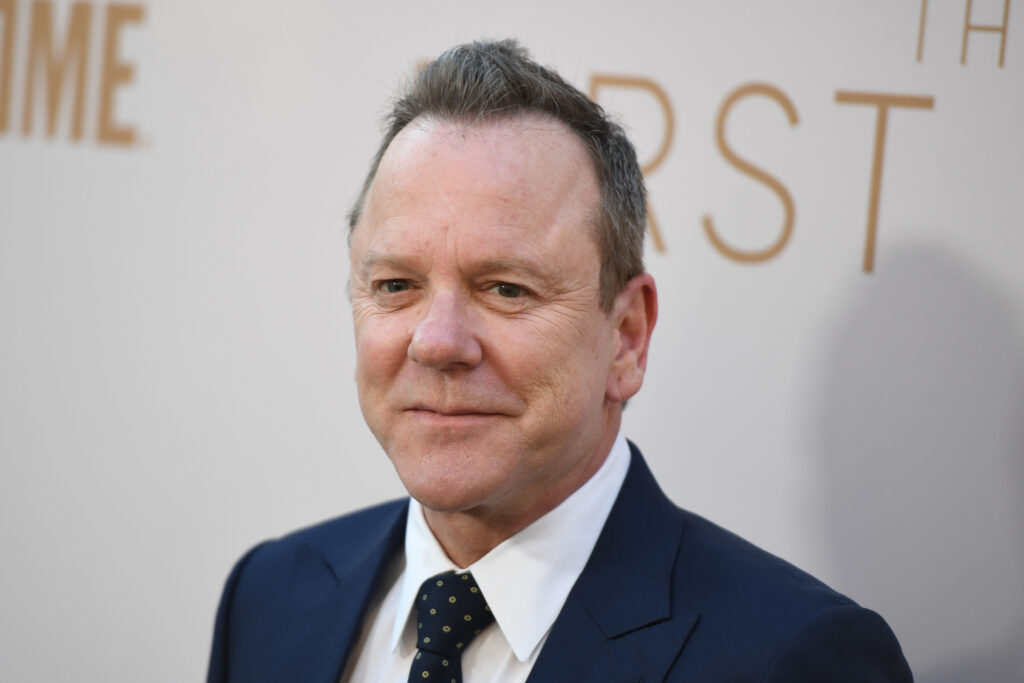
Actor Kiefer Sutherland, who starred in the television series “24” and vampire flick “The Lost Boys,” was arrested Monday on suspicion of assaulting a ride-share driver, according to Los Angeles police. The Canadian-British actor was taken into custody after officers responded a call in Hollywood shortly after midnight. “The investigation determined that the suspect, later identified as Kiefer Sutherland, entered a ride-share vehicle, physically assaulted the driver (the victim), and made criminal threats toward the victim,” police said in a statement.The 59-year-old actor was released a few hours later after posting $50,000 bail, law enforcement said.Sutherland’s representatives did not immediately respond to requests for comment from AFP.Police said the driver did not sustain injuries requiring medical attention.Sutherland is known for playing counterterrorism agent Jack Bauer in the television series “24,” a hit between 2001 and 2010. On the silver screen, he had memorable turns in “The Lost Boys” (1987), “Stand By Me” (1986), and “The Three Musketeers” (1993).Kiefer is the son of actor Donald Sutherland, who passed away in 2024.

West Bank Bedouin community driven out by Israeli settler violence

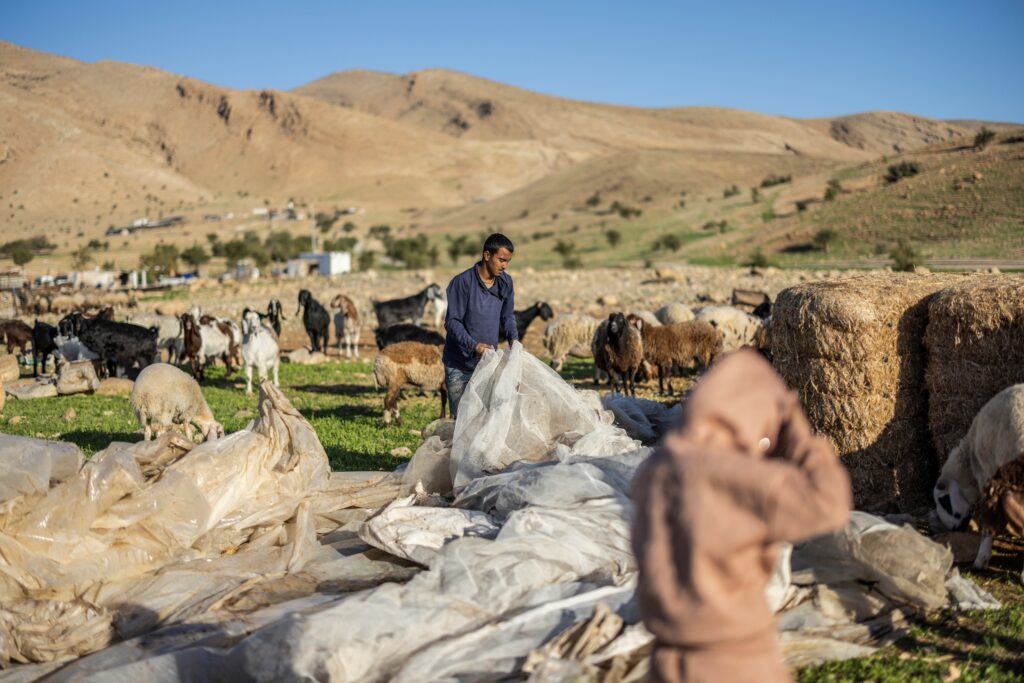
With heavy hearts, Bedouins in a West Bank village dismantle their sheep pens and load belongings onto trucks, forced from their homes in the Israeli-occupied territory by rising settler violence.While attacks by Israeli settlers affect communities across the West Bank, the semi-nomadic Bedouins are among the territory’s most vulnerable, saying they suffer from forced displacement due in large part to a lack of law enforcement.”What is happening today is the complete collapse of the community as a result of the settlers’ continuous and repeated attacks, day and night, for the past two years,” Farhan Jahaleen, a Bedouin in the village of Ras Ein al-Auja, told AFP.Since Israel took control of the West Bank in 1967, Israeli outposts have steadily expanded, with more than 500,000 settlers now living in the territory, which is also home to three million Palestinians. A minority of settlers engage in violence towards the locals aimed at coercing them to leave, with the UN recording an unprecedented 260 attacks in October last year.The threat of displacement has long hung over Jahaleen’s community, but the pressure has multiplied in recent months as about half of the hamlet’s 130 families decided to flee.Among them, 20 families from the local Ka’abneh clan left last week, he said, while around another 50 families have been dismantling their homes.- ‘We can’t do anything’ -The trailers of settlers dot the landscape around the village but are gradually being replaced by houses with permanent foundations, some built just 100 metres (300 feet) from Bedouin homes.In May last year, settlers diverted water from the village’s most precious resource — the spring after which it is named.Nestled between rocky hills to the west and the flat Jordan Valley that climbs up the Jordanian plateau to the east, the spring had allowed the community to remain self-sufficient.But Bedouin families have been driven away by the constant need to stand guard to avoid settlers cutting the power supply and irrigation pipes, or bringing their herds to graze near Bedouin houses.”If you defend your home, the (Israeli) police or army will come and arrest you. We can’t do anything,” lamented Naif Zayed, another local.”There is no specific place for people to go; people are acting on their own, to each their own.”Most Palestinian Bedouins are herders, which leaves them particularly exposed to violence when Israeli settlers bring their own herds that compete for grazing land in isolated rural areas.It is a strategy that settlement watchdog organisations have called “pastoral colonialism”.Israel’s military chief Lieutenant General Eyal Zamir said in November that he wanted to put a stop to the violence. This month the army announced new monitoring technology to enforce movement restrictions on both Israelis and Palestinians, with Israeli media reporting the move was largely aimed at reining in settler attacks.Asked for comment, the Israeli military said: “Incidents in the Ras al-Ain are well known. (Israeli military) forces enter the area in accordance with calls and operational needs, aiming to prevent friction between populations and to maintain order and security in the area.”It said it had increased its presence in the area “due to the many recent friction incidents”.- ‘Bedouin way of life’ -Naaman Ehrizat, another herder from Ras Ein al-Auja, told AFP he had already moved his sheep to the southern West Bank city of Hebron ahead of his relocation.But Jahaleen said moving to other rural parts of the territory risks exposing the herders to yet more displacement in the future.He pointed to other families pushed out of the nearby village of Jiftlik, who were again displaced after moving to a village in the Jordan Valley.Slogans spray-painted in Arabic have appeared along major roads in the West Bank in recent months that read: “No future in Palestine”.For Jahaleen, whose family has lived in Ras Ein al-Auja since 1991, the message sums up his feelings.”The settlers completely destroyed the Bedouin way of life, obliterated the culture and identity, and used every method to change the Bedouin way of life in general, with the complete destruction of life,” he said.

Syrian army tells Kurdish forces to withdraw from area east of Aleppo

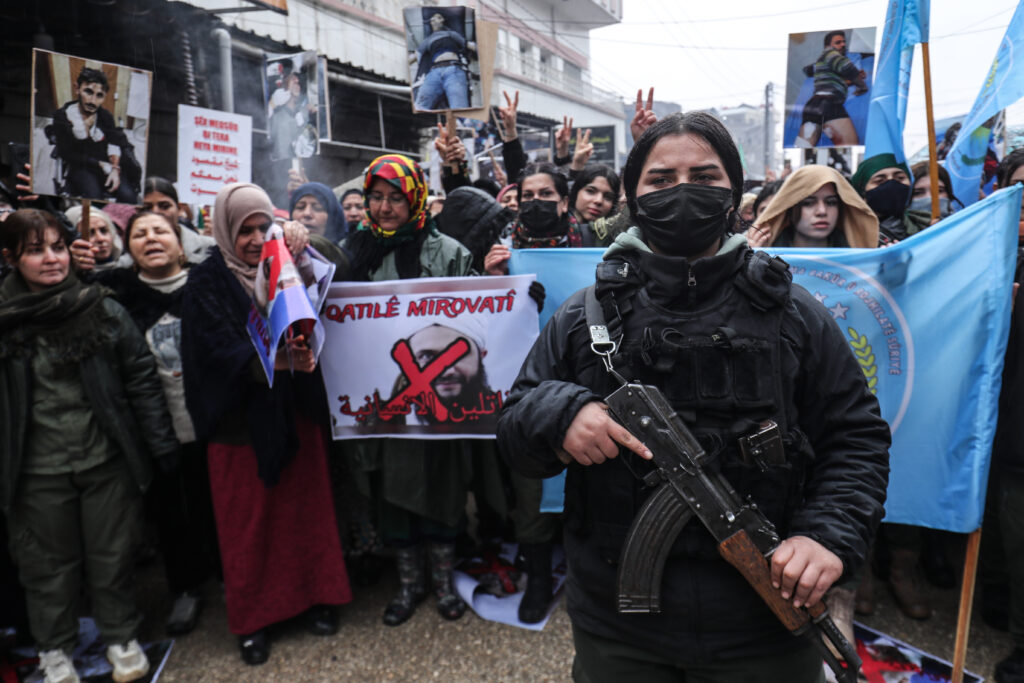
Syria’s army told Kurdish forces on Tuesday to withdraw from an area east of Aleppo after deadly clashes in the city last week and as both sides reported fresh armed skirmishes breaking out overnight. Syria’s Islamist-led government is seeking to extend its authority across the country, but progress has stalled on integrating the Kurds’ de facto autonomous administration and forces into the central government under a deal reached in March.In Qamishli, the main Kurdish city in the country’s northeast, thousands of people demonstrated against the Aleppo violence, with some burning pictures of Syrian President Ahmed al-Sharaa, an AFP correspondent said.Syrian state television published an army statement with a map declaring a large area east of Aleppo city a “closed military zone” and said “all armed groups in this area must withdraw to east of the Euphrates” River.The area, controlled by Kurdish forces, extends from near Deir Hafer, around 50 kilometres (30 miles) from Aleppo, to the Euphrates about 30 kilometres further east, as well as towards the south.The Syrian army and Kurdish forces reported fresh armed clashes overnight east of Aleppo.An unnamed military source told the official SANA news agency that the Kurdish-led Syrian Democratic Forces (SDF): “is targeting army positions and civilian homes in the vicinity of the Humaymah village east of Aleppo, with heavy machine guns and drones, and the army is responding to the fire source”.The SDF said in statements on Telegram that it had repelled an “infiltration attempt” near the village of Zubayda, a little further south, and also reported drone strikes, one of which had injured several of its fighters. On Monday, Syria accused the US-backed SDF of sending reinforcements to Deir Hafer and said it sent its own personnel there in response.The SDF is the de facto army of the Kurds’ semi-autonomous administration and controls swathes of the country’s oil-rich north and northeast, much of which it captured during Syria’s civil war and the fight against the Islamic State group. An AFP correspondent saw government forces transporting reinforcements including air defence batteries and artillery towards Deir Hafer on Tuesday.Kurdish forces denied any build-up of their personnel around Deir Hafer and accused the government of attacking the town, while state television said SDF sniper fire there killed one person.- ‘Bloodshed’ -Elham Ahmad, a senior official in the Kurdish administration, said government forces were “preparing themselves for another attack”.”The real intention is a full-scale attack” against Kurdish-held areas, she told an online press conference, accusing the government of having made a “declaration of war” and breaking the March agreement on integrating Kurdish forces.Syria’s government took full control of Aleppo city over the weekend after capturing its Kurdish-majority Sheikh Maqsud and Ashrafiyeh neighbourhoods and evacuating fighters there to Kurdish-controlled areas in the northeast.Both sides traded blame over who started the violence last Tuesday that ultimately killed dozens of people and displaced tens of thousands.In Qamishli, shops were shut in a general strike and thousands protested to voice their anger at the Aleppo fighting, some carrying Kurdish flags and banners in support of the SDF and its chief Mazloum Abdi.”Leave, Jolani!” they shouted, referring to President Sharaa by his former nom de guerre, Abu Mohammed al-Jolani.”This government has not honoured its commitments towards any Syrians,” said cafe owner Joudi Ali.- PKK, Turkey -Other protesters burned portraits of Turkish Foreign Minister Hakan Fidan, whose country has lauded the Syrian government’s Aleppo operation “against terrorist organisations”.Turkey has long been hostile to the SDF, seeing it as an extension of the Kurdistan Workers’ Party (PKK) and a major threat along its southern border. Last year, the PKK announced an end to its long-running armed struggle against the Turkish state and began destroying its weapons, but Ankara has insisted that the move include armed Kurdish groups in Syria.On Tuesday, the PKK called the “attack on the Kurdish neighbourhoods in Aleppo” an attempt to sabotage peace efforts between it and Ankara.A day earlier, Ankara’s ruling party levelled the same accusation against Kurdish fighters.The Britain-based Syrian Observatory for Human Rights reported 45 civilians and 60 soldiers and fighters from both sides killed in the Aleppo violence.Aleppo civil defence official Faysal Mohammad told AFP on Tuesday that emergency workers had pulled 50 bodies from the two Kurdish-majority neighbourhoods since the end of fighting, without saying whether they were combatants or civilians.mam-strs-lg/ceg/jm