Trump signs travel ban on 12 countries after Colorado attack

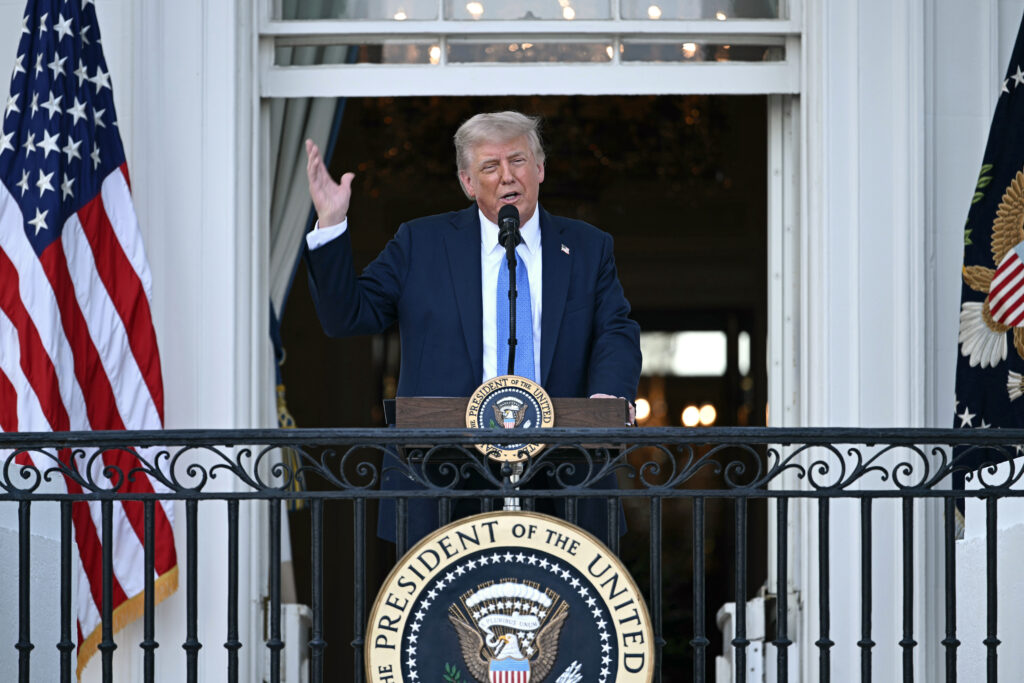
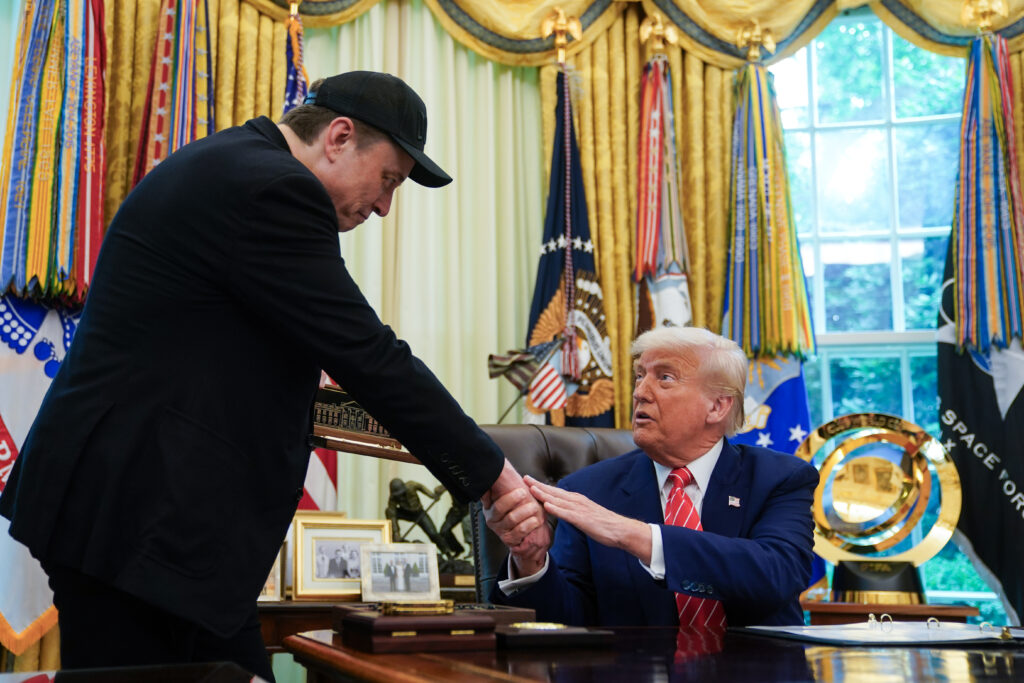
US President Donald Trump signed a new travel ban Wednesday targeting 12 countries, saying it was spurred by an attack on a Jewish protest in Colorado that authorities blamed on a man they said was in the country illegally.The ban, which strongly resembles a similar measure taken in his first presidency, targets nationals of Afghanistan, Burma, Chad, Republic of the Congo, Equatorial Guinea, Eritrea, Haiti, Iran, Libya, Somalia, Sudan and Yemen.It will go into effect on June 9, the White House said.Trump also imposed a partial ban on travelers from seven countries: Burundi, Cuba, Laos, Sierra Leone, Togo, Turkmenistan and Venezuela, the White House said.”The recent terror attack in Boulder, Colorado has underscored the extreme dangers posed to our country by the entry of foreign nationals who are not properly vetted,” Trump said in a video message from the Oval Office posted on X.”We don’t want them.”Trump compared the new measures to the “powerful” ban he imposed on a number of mainly Muslim countries in his first term, which he said had stopped the United States suffering attacks that happened in Europe.”We will not let what happened in Europe happen in America,” Trump said.”We cannot have open migration from any country where we cannot safely and reliably vet and screen. That is why today I am signing a new executive order placing travel restrictions on countries including Yemen, Somalia, Haiti, Libya, and numerous others.”Rumors of a new Trump travel ban had circulated following the attack in Colorado, with his administration vowing to pursue “terrorists” living in the US on visas.Suspect Mohammed Sabry Soliman is alleged to have thrown fire bombs and sprayed burning gasoline at a group of people who had gathered on Sunday in support of Israeli hostages held by Hamas.US Homeland Security officials said Soliman was in the country illegally, having overstayed a tourist visa, but that he had applied for asylum in September 2022.”President Trump is fulfilling his promise to protect Americans from dangerous foreign actors that want to come to our country and cause us harm,” White House Deputy Press Secretary Abigail Jackson said on X.”These commonsense restrictions are country-specific and include places that lack proper vetting, exhibit high visa overstay rates, or fail to share identity and threat information.” 

A Cuba, la bronca des étudiants contre les nouveaux tarifs de téléphonie mobile

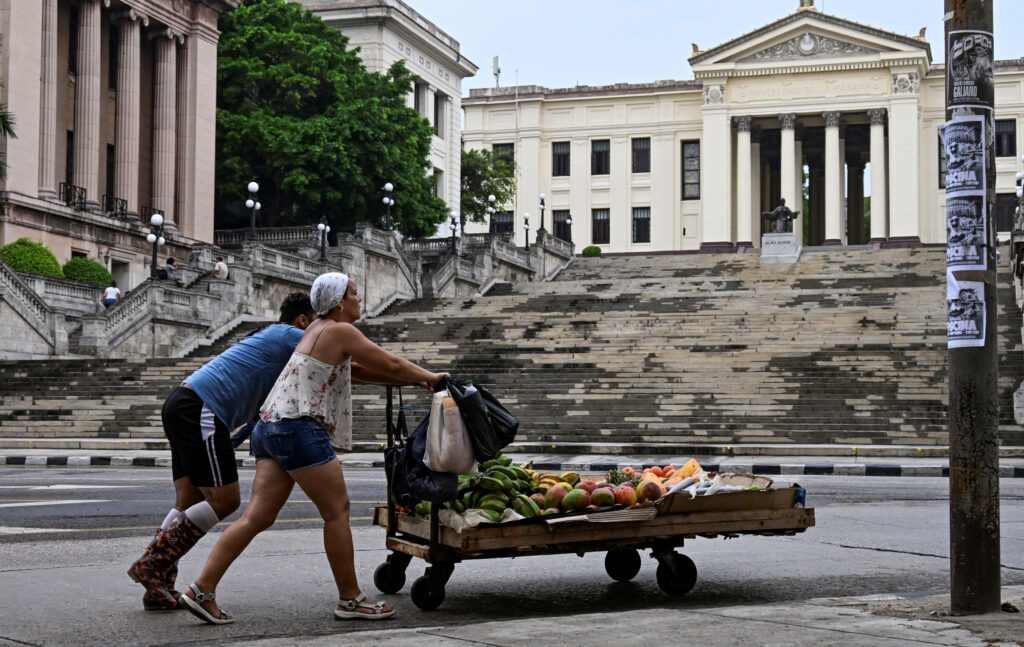
Le mécontentement des étudiants reste vif à Cuba face aux nouveaux tarifs de l’internet mobile appliqués par la compagnie de télécoms nationale, certains ayant même appelé à une grève des cours mercredi.Cette nouvelle tarification, en vigueur depuis six jours, implique une très forte hausse des tarifs pour tout dépassement du forfait de base, lui-même drastiquement limité, et une dollarisation partielle du service. Elle a rapidement suscité une vague d’indignation chez les Cubains, avec les étudiants en première ligne.”Ce service d’Etecsa (la compagnie de télécommunications) ne nous convient pas du tout. Ni à nous, les étudiants, ni d’ailleurs à personne dans la population”, explique à l’AFP Rafael Gomez, 18 ans, devant l’imposant escalier de l’Université de La Havane où il est venu faire des démarches pour son inscription.”Nous étions habitués à un certain système” qui permettait de recharger son téléphone avec du crédit prépayé autant de fois que désiré, “mais maintenant nous sommes limités (à un forfait de base mensuel) de 360 pesos” (3 dollars) et “cela complique les choses”.”Avec 6GB, on ne fait rien, et si tu veux acheter davantage (de crédit), ça coûte plus de 3.000 pesos et avec un salaire normal ici à Cuba, ça ne suffit pas”, souligne-t-il, alors que le salaire moyen sur l’île est de 5.700 pesos (47 dollars).Dès l’entrée en vigueur des nouveaux tarifs, sans aucune annonce préalable mais justifiés ensuite par Etecsa par la nécessité de financer de nouveaux investissements, les organisations étudiantes ont exprimé leur insatisfaction. Face à la bronca, le président Miguel Diaz-Canel a déclaré dimanche être “attentif” aux critiques et assuré que “des options sont étudiées pour les secteurs les plus vulnérables, parmi lesquels nos chers étudiants”.Plusieurs réunions ont eu lieu entre des représentants étudiants et des dirigeants d’Etecsa, dont certains ont participé à des programmes télévisés pour justifier les nouveaux tarifs.Lundi soir, l’entreprise a annoncé que les étudiants auraient finalement droit à deux recharges mensuelles de base, contre une seule pour le reste de la population, et a dit étudier d’autres mesures correctives, sans pour autant calmer le mécontentement.- “Revendications justes” -“Les étudiants ont montré qu’ils reconnaissaient les progrès dans les négociations (…) mais nous en demandons davantage”, a expliqué à l’AFP José Almeida, président de la Fédération étudiante universitaire (FEU) de l’Université de La Havane, une organisation officielle.Mardi soir, de façon indépendante, l’antenne de la FEU de la Faculté de mathématiques et d’informatique a appelé à une grève des cours pour obtenir la “révocation” pure et simple des nouveaux tarifs.”Nous appelons à partir du mercredi 4 juin les étudiants à ne pas assister aux activités académiques, en signe de protestation”, a-t-elle fait savoir dans un communiqué diffusé sur sa chaîne Telegram, auquel l’AFP a eu accès.La FEU de la Faculté de philosophie, histoire et sociologie a qualifié de “légitime” l’appel à la grève, et des étudiants de la Faculté des arts et lettres ont dit rejoindre le mouvement.Dans un communiqué, les professeurs de sociologie de l’Université ont également fait part de leur “mécontentement” face aux nouveaux tarifs et souligné que les étudiants avaient des “revendications justes”. Mercredi, il était difficile pour l’AFP de confirmer si l’appel à la grève était suivi. Un étudiant de la Faculté des arts et lettres qui s’est rendu en cours a toutefois indiqué sous couvert d’anonymat qu’il “n’y avait pratiquement pas d’étudiants” dans sa faculté.”Rien ni personne n’interrompra nos processus d’enseignement avec des convocations totalement éloignées de l’esprit qui a animé les échanges avec les organisations étudiantes”, a cependant mis en garde la direction de l’Université de La Havane.A la tête de la FEU nationale, José Almeida a exprimé son désaccord avec l’appel à la grève, mais “nous respectons la position” et “il n’y aura jamais de confrontation entre étudiants”, a-t-il assuré.Brian Gamez, étudiant en histoire et marxisme-léninisme, s’est dit favorable auprès de l’AFP à des “protestations pacifiques”, mais veut surtout éviter que la situation dégénère dans du “vandalisme”.

Gaza: les centres d’aide soutenus par Washington repoussent leur réouverture

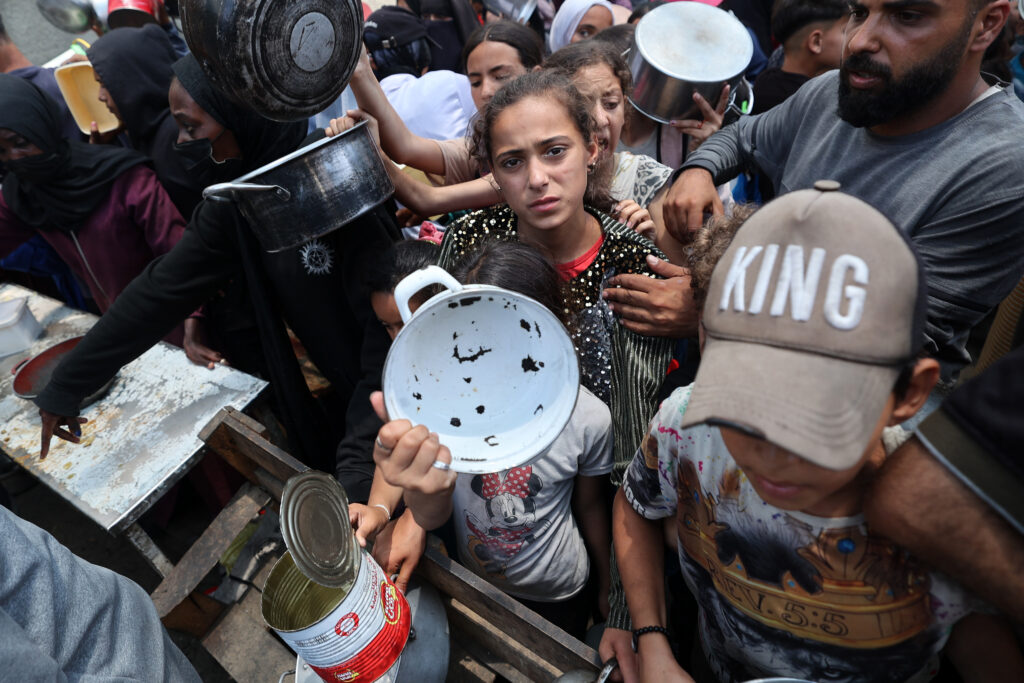
La Fondation humanitaire de Gaza (GHF), soutenue par les Etats-Unis et Israël, a repoussé sine die la réouverture de ses centres d’aide prévue jeudi dans le territoire palestinien, où les routes menant aux sites de distribution sont devenues des “zones de combats”, a averti l’armée israélienne.Après bientôt 20 mois d’une guerre dévastatrice, déclenchée par l’attaque du Hamas le 7 octobre 2023 en Israël, la pression internationale se renforce sur Israël pour y mettre fin. Mais le vote au Conseil de sécurité de l’ONU d’un appel au cessez-le-feu immédiat et à l’accès humanitaire à Gaza s’est heurté au veto des Etats-Unis, tandis que, sur le terrain, les combats se poursuivent.La Défense civile de la bande de Gaza a annoncé la mort d’au moins 48 personnes mercredi dans des bombardements israéliens. Parmi les victimes, 14 sont mortes dans une frappe israélienne à l’aube dans l’ouest de Khan Younès (sud).De son côté, l’armée israélienne a annoncé mercredi la mort au combat d’un de ses soldats dans le nord du territoire palestinien. Après plus de deux mois et demi de blocage, Israël autorise à nouveau depuis le 19 mai l’entrée à Gaza d’une quantité limitée de camions de l’ONU. Cette dernière parle d’une “goutte d’eau” dans l’océan des besoins dans le territoire palestinien et estime que les quelque 2,4 millions d’habitants sont menacés de famine.En parallèle, la Fondation humanitaire de Gaza (GHF), organisation au financement opaque soutenue par Israël et les Etats-Unis, a mis en place des centres de distribution d’aide dénoncés par l’ONU comme contraires aux principes humanitaires.Mais après une série d’événements chaotiques meurtriers ces derniers jours à proximité de ses sites, la GHF a annoncé mardi soir leur fermeture, censée initialement durer au départ une seule journée et justifiée par “des travaux de rénovation, réorganisation et amélioration de l’efficacité”.Elle a indiqué dans la nuit de mercredi à jeudi que la réouverture n’aurait pas lieu jeudi matin à l’heure habituelle, sans donner de nouveau calendrier.”Nous communiquerons des informations sur les horaires d’ouverture dès que les travaux seront terminés”, a précisé l’organisation sur sa page Facebook, assurant “s’efforcer de rendre la distribution de colis alimentaires aussi sûre que possible, malgré les conditions difficiles”.- Aide “sans entrave” -L’armée israélienne a intensifié mi-mai son offensive dans la bande de Gaza, dans le but affiché de libérer les derniers otages du 7-Octobre, prendre le contrôle de l’entièreté du petit territoire coincé entre Israël, l’Egypte et la Méditerranée, et anéantir le Hamas qui y a pris le pouvoir en 2007.Les Etats-Unis, principal fournisseur d’armes d’Israël, ont une nouvelle fois empêché mercredi le Conseil de sécurité de l’ONU de réclamer un cessez-le-feu et l’accès humanitaire à Gaza en s’opposant à un projet de résolution réclamant “un cessez-le-feu immédiat et permanent”, ainsi que “la levée de toutes les restrictions à l’entrée d’aide humanitaire à Gaza et sa distribution sûre et sans entrave à grande échelle”, y compris par l’ONU, selon le texte.Ce texte, “inacceptable pour ce qu’il dit et inacceptable pour ce qu’il ne dit pas”, “saperait les efforts diplomatiques pour parvenir à un cessez-le-feu qui reflète la réalité sur le terrain, et encouragerait le Hamas”, a justifié l’ambassadrice américaine à l’ONU par intérim Dorothy Shea juste avant le vote.Face à la crise humanitaire en cours, la GHF a commencé la distribution de colis-repas le 27 mai. Mais son déploiement a été marqué par des scènes chaotiques accompagnées de violences meurtrières à proximité de ses centres.Mardi, 27 personnes en route vers le centre de la GHF de Rafah (sud) ont été tuées quand des soldats israéliens ont ouvert le feu “sur des milliers de civils” rassemblés à plusieurs centaines de mètres, selon la Défense civile.L’armée israélienne, qui accuse le Hamas de tout faire pour empêcher les distributions de la GHF, a indiqué que “des soldats avaient procédé à des tirs de semonce (…) en direction de suspects qui s’approchaient d’une manière qui mettait en danger leur sécurité”. Elle a dit avoir ouvert une enquête pour faire “toute la lumière” sur les faits. Londres a appelé mercredi à une “enquête immédiate et indépendante”, faisant écho à une demande du secrétaire général des Nations unies, Antonio Guterres.- Voilier pour Gaza -Pour apporter de l’aide humanitaire, un voilier de la Coalition de la flottille pour la liberté, avec la militante écologiste suédoise Greta Thunberg et l’eurodéputée française de gauche Rima Hassan à son bord, est parti dimanche d’Italie en direction de Gaza.Alors que l’armée israélienne a averti qu’elle comptait “protéger (son) espace maritime”, l’organisation militante a “condamné fermement l’intention déclarée d’Israël d’attaquer le Madleen”, le qualifiant de “menace”. “Le Madleen transporte de l’aide humanitaire et des défenseurs internationaux des droits humains, ce qui constitue un défi direct au blocus illégal d’Israël, qui dure depuis des décennies, et au génocide en cours”, a fait valoir la Coalition dans un communiqué.L’attaque du 7-Octobre a entraîné la mort de 1.218 personnes côté israélien, en majorité des civils, selon un décompte de l’AFP établi à partir de données officielles. Sur les 251 personnes enlevées ce jour-là, 57 sont toujours retenues à Gaza, dont au moins 34 mortes, selon les autorités israéliennes.Plus de 54.607 Palestiniens, majoritairement des civils, ont été tués dans la campagne militaire israélienne de représailles, selon des données du ministère de la Santé du Hamas, jugées fiables par l’ONU.

Washington threatens Columbia University’s accreditation

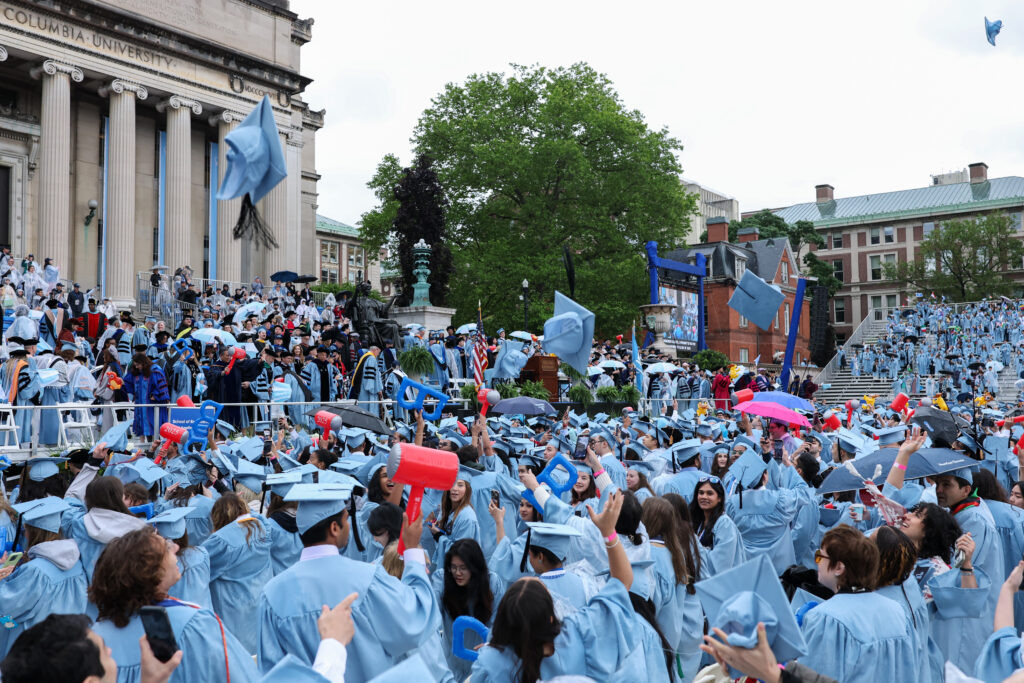
The US government threatened Wednesday to strip New York’s Columbia University of its accreditation for allegedly ignoring harassment of Jewish students, putting all of its federal funding and prestige at risk.With the move, the administration of President Donald Trump appeared to be doubling down on its efforts to bring several prestigious universities to heel over claims they tolerated campus anti-Semitism during protests against Israel’s war in Gaza.Several top institutions, including Columbia University, have already bowed to far-reaching demands from the Trump administration, which claims that the educational elite is too left-wing.”Columbia University looked the other way as Jewish students faced harassment,” US Education Secretary Linda McMahon said on X.She accused the reputable Ivy League school of “breaking Title VI protections,” referring to a national law that prohibits recipients of federal funding from discriminating on the basis of race, color, or national origin.”After Hamas’ October 7, 2023, terror attack on Israel, Columbia University’s leadership acted with deliberate indifference towards the harassment of Jewish students on its campus,” McMahon said in a statement.- ‘Immoral’ -“This is not only immoral, but also unlawful.”In the statement, the US Education Department said its civil rights office had contacted Columbia’s accreditor about the alleged violation.It said it had notified the Middle States Commission on Higher Education that “its member institution, Columbia University, is in violation of federal antidiscrimination laws and therefore fails to meet the standards for accreditation set by the Commission.” Withdrawing Columbia’s accreditation would see it lose access to all federal funds.Students attending the university would also not be able to receive federal grants and loans towards tuition.Critics accuse the Trump administration of using allegations of anti-Semitism to target educational elites and bring universities to their knees.The Trump administration has already put $400 million of Columbia’s funding under review, prompting the university in March to announce a package of concessions to the government around defining anti-Semitism, policing protests and conducting oversight for specific academic departments.Following Wednesday’s announcement, a Columbia spokesperson said the university “aware of the concerns” raised by the government with its accreditor.”We have addressed those concerns directly with Middle States,” the spokesperson said, adding that “Columbia is deeply committed to combating anti-Semitism on our campus.””We take this issue seriously and are continuing to work with the federal government to address it.”Columbia found itself at the center of a firestorm last year over claims of anti-Semitism triggered by campus protests against the war in Gaza.Some Jewish students claimed they were intimidated and that authorities did not act to protect them.The protests that roiled Columbia and other US schools culminated in members of Trump’s Republican party grilling higher education leaders before Congress about anti-Semitism accusations.Columbia’s former president Minouche Shafik resigned last August just weeks before the start of the new school year, citing scrutiny she faced over her handling of the demonstrations.

Nintendo fans stoked for Switch 2 ‘mega launch’

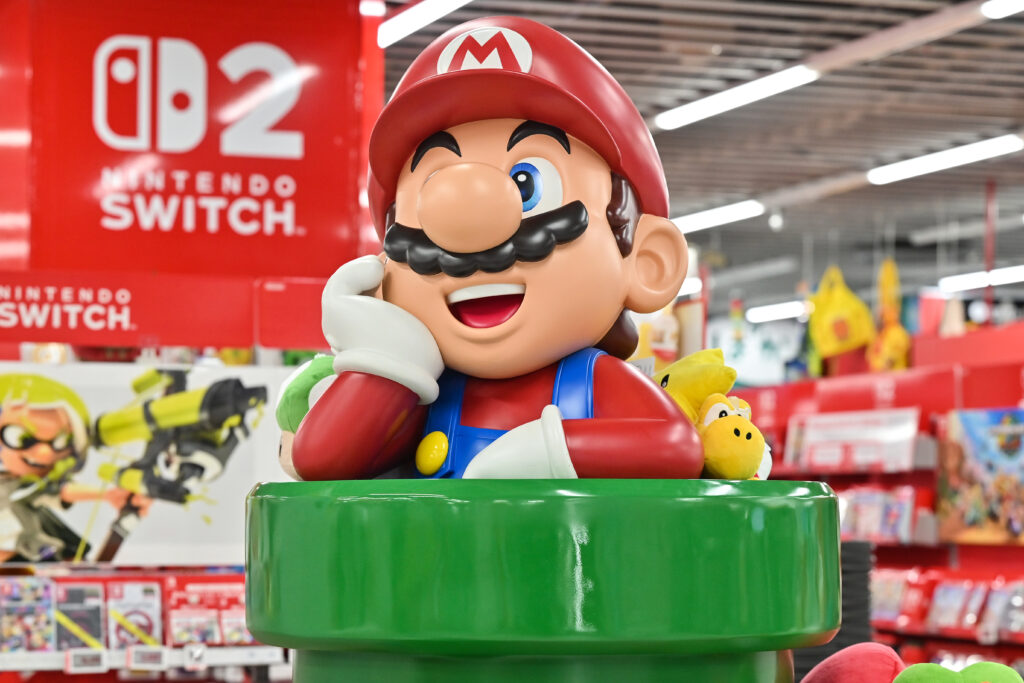
With shops planning midnight launch parties after a run on pre-orders, Nintendo releases the Switch 2 on Thursday, hoping to score record early sales for the games console.But the Japanese company has its work cut out to match the overall success of the Switch, which became a must-have during the pandemic with hit games such as “Animal Crossing”.Featuring a bigger screen and more processing power, the Switch 2 is an upgrade to its predecessor, which has sold 152 million units since it came out in 2017 — making it the third best-selling console of all time.Serkan Toto from Tokyo consultancy Kantan Games said he “would not be surprised to see Switch 2 breaking sales records in the next weeks and months”.In Japan, Nintendo’s online store had 2.2 million pre-order applications for the Switch 2 — an “insane number the industry has never seen before”, Toto told AFP.”We are looking at some sort of mega launch,” he added.Challenges for Nintendo include uncertainty over US trade tariffs and whether it can convince enough people to pay the high price for its new device.The Switch 2 costs $449.99 in the United States, more than Switch’s launch price of $299.99. Both are hybrid consoles which can connect to a TV or be played on the go.New Switch 2 games such as “Donkey Kong Bananza” and “Mario Kart World” — which allow players to go exploring off-grid — are also more expensive than existing Switch titles.”After playing it, I think it’s worth the price,” 24-year-old aspiring filmmaker Steven Paterno told AFP at a Nintendo launch event in New York City.”I loved the original Switch, but I had to admit the Switch 2 really tops it.”- Pre-order cancellations -Retailers in the United States, Europe and other major markets are gearing up for a rush of excited fans, with some stores opening at midnight to welcome them.”I’m very excited to pick it up at midnight,” 22-year-old recent college graduate Angel Caceres said at the New York launch event.”I’m going to be very tired after that.”Supply pressures have forced retailers to cancel orders, with Britain’s Game saying it is “working hard to reinstate as many affected pre-orders as possible”.”It seems that retailers in the US were especially confident in their ability to ship pre-orders and now need to deal with some serious backlash from customers,” Toto said.He expects “it will be hard to get a Switch 2 not only at launch but for weeks and months after, possibly through the entire year,” as was the case for months with the Switch.Nintendo forecasts it will ship 15 million Switch 2 consoles in the current financial year, roughly equal to the original console in the same period after its release.The Switch 2 “is priced relatively high” compared to its predecessor, so it “will not be easy” to keep initial momentum going, the company’s president Shuntaro Furukawa said at a financial results briefing in May.- ‘Super excited’ -The Switch 2 has eight times the memory of the first Switch, and its controllers, which attach with magnets, can also be used like a desktop computer mouse.New functions allowing users to chat as they play online and temporarily share games with friends could also be a big draw for young audiences used to watching game streamers.”People were a bit shocked by the price of ‘Mario Kart World’, the first $80 game that we’ve ever seen,” said Krysta Yang of the Nintendo-focused Kit & Krysta Podcast.But while the company is “going to have to do some work” to convince more casual gamers that it’s worth upgrading, Nintendo fans are “super excited”, she told AFP.In the United States, Nintendo delayed pre-orders for the Switch 2 by two weeks as it assessed the impact from President Donald Trump’s aggressive duties on trading partners around the world.But tariff uncertainty could in fact push consumers to buy a Switch 2 sooner, because they are worried that the price could go up, according to Yang.And the stakes are high for Nintendo.While the “Super Mario” maker is diversifying into theme parks and hit movies, around 90 percent of its revenue still comes from the Switch business, analysts say.burs-kaf/tu-gc/jgc

A lingering Musk: Will ex-aide Elon get up Trump’s nose?

Donald Trump’s sweeping domestic policy bill has careened into an Elon Musk-shaped brick wall, complicating its passage into law and risking a schism between the most powerful man in the world and the wealthiest.The US president’s “big, beautiful bill” — the centerpiece of his domestic agenda — could define his second term and make or break Republican prospects in the 2026 midterm elections.But the package is getting a rough ride in Congress over proposals to fund an extension of his 2017 tax cuts by piling on debt and cutting social welfare for the poorest Americans.  Enter tech billionaire Musk, who dropped a nuclear bomb on the 1,100-page blueprint at a crucial stage in negotiations Tuesday, calling it a “disgusting abomination.”And on Wednesday he called for Republicans to “kill the bill,” and for an alternative plan that “doesn’t massively grow the deficit.”In its latest estimate released Wednesday, the non-partisan Congressional Budget Office said the bill would add $2.4 trillion to US debt by 2034.Musk, who last week ended his brief advisory tenure as Trump’s cost-cutter-in-chief, tore into the bill in a prolonged denouncement.The South African-born tycoon has voiced concerns before, but his language was much more combative, coming across as a declaration of war on the Republican Party, if not Trump himself.The White House brushed off the criticism, saying Trump “already knows where Elon Musk stood,” but the remarks will likely have gotten under the president’s skin.- ‘Lennon and McCartney’ -The stakes could hardly be higher for Trump, who has made clear, with signature hyperbole, that he sees his bill as “arguably the most significant piece of legislation that will ever be signed.”He has yet to respond personally to Musk’s social media rant — sustained over six hours and 13 posts on Tuesday and still going well into Wednesday.But Washington watchers aren’t necessarily expecting a public falling-out. Behind the scenes, a careful circling of the wagons is underway, with pro-Trump pundits under orders to refrain from trashing Musk and to instead frame his broadside as what Politico called “principled self-interest.”Still, for analysts contacted by AFP, there may be choppier waters ahead.”It’s the Lennon and McCartney of modern politics. Two egos, one spotlight, and a fragile alliance built on mutual benefits,” said Evan Nierman, the founder and CEO of global crisis PR firm Red Banyan.”The moment either one sees more upside in conflict than cooperation, the breakup goes public.”But political consultant and former Senate aide Andrew Koneschusky, a key player in negotiations over Trump’s 2017 tax cuts, believes the Republican leader has nothing to gain by biting back.”Musk has more money. Musk’s megaphone, X, is bigger than Trump’s. And Musk was deeply embedded in the administration for months,” he told AFP. “There’s no telling what Musk heard or saw that could be embarrassing or problematic for the administration if the two were to go to war.”- ‘Bromance’ -Crucially, Musk slammed right-wing lawmakers who voiced concerns over debt but cleared the bill for Senate consideration anyway — almost the entire 220-strong House Republican group.Musk, who spent around $280 million getting Trump elected, undoubtedly has the cash to make his mark on the midterms. And the de facto leader of America’s “tech bro” community demonstrated his political firepower with a single tweet in December that blew up a government funding bill that had enjoyed bipartisan support.His take on the deficit implications of Trump’s proposals is evidenced by copious independent research and he was immediately backed by some fiscal hawks in the Senate. Continued interventions by Musk could be an ongoing headache for Trump, as he bids to shepherd his policy priorities through razor-thin Republican majorities in Congress.But cheerleaders of the package — and independent analysts contacted by AFP — believe the Tesla magnate may discover that his celebrity in Trumpworld relies on the say-so of its mercurial chieftain. “Musk may have had influence in December when his bromance with Trump was in full bloom,” said Donald Nieman, a political analyst and professor at Binghamton University in New York state. “But his break with Trump and his massive unpopularity with voters makes it easy for lawmakers to ignore him. If anything, it helps Trump by distancing him from a man who has become a pariah.”

‘No means no’ prosecutor tells jurors as Harvey Weinstein trial wraps

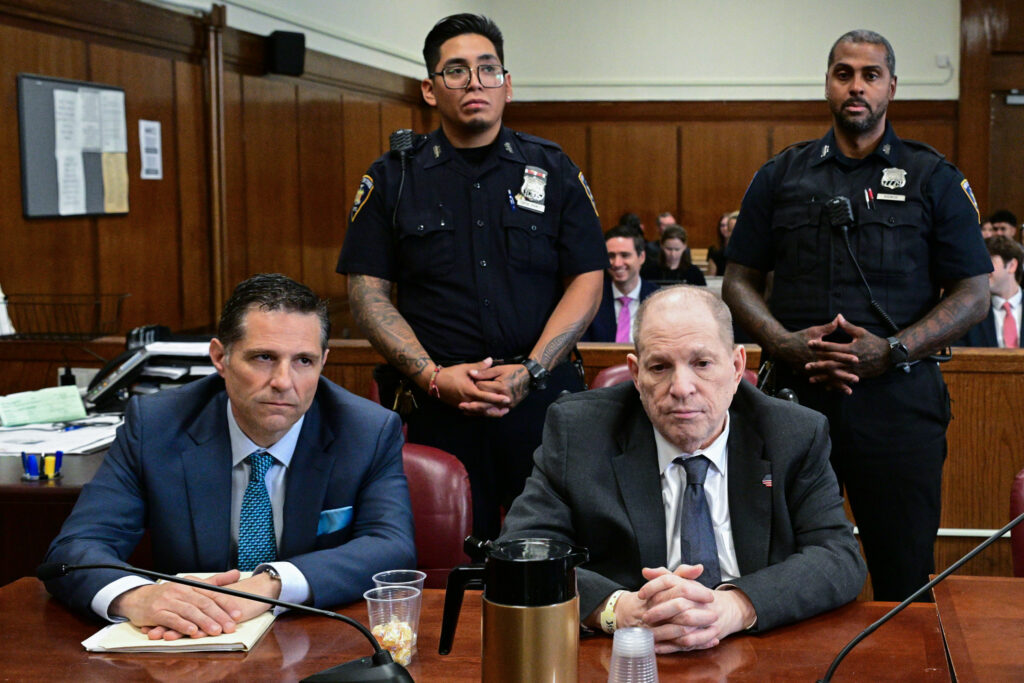
A prosecutor told jurors at Hollywood mogul Harvey Weinstein’s rape and sexual assault trial Wednesday that “no means no” as they prepared to consider his fate.A New York state appeals court had thrown out Weinstein’s 2020 convictions after irregularities in the presentation of witnesses at his original trial, forcing two victims of his alleged abuse to testify a second time.”He raped three women, they all said no,” said prosecutor Nicole Blumberg as she recounted the evidence of the three alleged victims of Weinstein who testified at this trial.The Hollywood powerbroker had “all the power” and “all the control” over the alleged victims which is why jurors should find him guilty, she said.”The defendant thought the rules did not apply to him, now it is the time to let him know that the rules apply to him.”There is no reasonable doubt, tell the defendant what he already knows — that he is guilty of the three crimes.”Weinstein’s defense attorney insisted the sexual encounters were consensual, pointing to a “casting couch” dynamic between the movie mogul and the women.”We don’t want to police the bedroom” — except in cases of rape, Blumberg fired back.Judge Curtis Farber indicated that he would give his instructions to the jurors Thursday morning, the final step before they withdraw behind closed doors to deliberate.- ‘MeToo’ movement -Weinstein, the producer of box-office hits “Pulp Fiction” and “Shakespeare in Love,” has never acknowledged wrongdoing.The cinema magnate, whose downfall in 2017 sparked the global #MeToo movement, has been on trial again since April 15 in a scruffy Manhattan courtroom.He is serving a 16-year prison sentence after being convicted in California of raping and assaulting a European actress more than a decade ago.Two of the accusers in this case — onetime production assistant Miriam Haley and then-aspiring actress Jessica Mann — testified at Weinstein’s original trial.Their accounts helped galvanize the #MeToo movement nearly a decade ago, but the case is being re-prosecuted at a new trial in New York.His 2020 convictions on charges relating to Haley and Mann, and his 23-year prison term, were overturned last year by the New York Court of Appeals.The tribunal ruled that the way witnesses were handled in the original trial was unlawful.Some 20 years after the earliest incidents were alleged to have taken place, Weinstein’s defense team have sought to cast doubt on the credibility of the accusers. Weinstein has appeared daily in a wheelchair, physically subdued, but laughing and joking with his legal team.He did not speak at his trial, which also featured a new charge of sexual assault committed against former Polish model Kaja Sokola.