Le ministère de l’Education au coeur d’une nouvelle polémique sur Stanislas

En plein scandale Bétharram, le dossier Stanislas resurgit pour l’Education nationale, accusée d’avoir minimisé homophobie et autres dérives constatées dans cet établissement élitiste par une mission d’inspection, ce dont la rue de Grenelle se défend.Une ex-lycéenne qui dénonçait une discrimination dans son exclusion en juin 2022 de l’établissement privé du VIe arrondissement de Paris, a déposé plainte vendredi pour faux visant les conclusions possiblement “édulcorées” du rapport d’inspection, a appris l’AFP lundi.Pauline (prénom modifié), scolarisée entre 2013 et 2022 à Stanislas, avait déposé une première plainte en juillet dernier, accusant trois anciens responsables de Stanislas dont son ancien directeur de l’avoir exclue pour avoir manifesté son opposition à de “nombreux propos homophobes, sexistes et racistes du personnel dirigeant de l’établissement”.A l’origine de sa nouvelle plainte: des révélations sur un rapport de l’Inspection générale de l’Education (IGESR) de juillet 2023 sur Stanislas, qui avait été dévoilé par Mediapart en janvier 2024, en pleine polémique sur la scolarisation des enfants de l’ex-ministre de l’Education Amélie Oudéa-Castéra dans cet établissement privé catholique.Ce rapport dévoilait des “dérives” dans cet établissement. Il relevait notamment des “comportements qui entretiennent les stéréotypes de sexe”, et une “place des garçons et une culture de la non-mixité qui peuvent favoriser un climat propice à l’homophobie”. Il rapportait aussi l’histoire de Pauline, exclue après un conflit avec un préfet (responsable de niveau) qui lui aurait notamment demandé de “ne plus porter un pull LGBT” (multicolore).Ce rapport est revenu au coeur de l’actualité la semaine dernière. La commission d’enquête parlementaire sur les violences dans les établissements scolaires a annoncé qu’elle allait auditionner les inspecteurs responsables de l’enquête, après la réception d’un courrier de l’un d’entre eux. Cette inspectrice apporterait des éléments “qui prouvent que le rapport a été plutôt édulcoré par rapport aux témoignages recueillis”, notamment concernant l’homophobie et le racisme, a indiqué la présidente de la commission, la députée Fatiha Keloua Hachi.- “valeur juridique” du courrier -La commission d’enquête a reçu vendredi un nouveau courrier comparable d’une deuxième inspectrice, a-t-elle indiqué dimanche à l’AFP, confirmant une information du Monde. Selon Le Monde, les deux inspectrices assurent qu’une phrase qui ne leur a pas été montrée a été ajoutée au courrier de mission conclusif résumant le rapport, qui contribue à “dédouaner” Stanislas: “Au terme de la mission, l’équipe ne confirme pas les faits d’homophobie, de sexisme, et d’autoritarisme”.Ce “courrier de transmission” accompagnant le rapport est au coeur des spéculations sur une édulcoration volontaire par des hauts fonctionnaires de l’Education nationale des faits constatés à Stanislas.Selon la plainte de Pauline, ces “conclusions modifiées” du rapport ont “remis en cause sa parole” et ont “a minima ralenti la manifestation de la vérité” sur les faits dénoncés dans sa plainte.De son côté, l’inspection générale a assuré lundi à l’AFP n’avoir fait “aucune modification” du rapport “après sa validation collégiale”, pour en retirer ou atténuer des accusations d’homophobie, racisme ou sexisme.Concernant le “courrier de transmission”, l’inspection indique qu’il a été “rédigé sous la responsabilité du chef de service et a pour unique objet de présenter une synthèse des conclusions du rapport”, mais n’a aucune “valeur juridique”.Pour l’avocat de Pauline, Me Vincent Brengarth, cette défense n’est “pas pertinente”, car ce courrier peut toujours avoir une “valeur probatoire”.”Est ce qu’il y a eu une altération ou a minima une +édulcoration+ des conclusions du rapport, telles que voulues par les inspecteurs, dans un but politique de protéger cet établissement?”, ajoute-t-il. “Si tel était le cas, en plus de potentiellement constituer un faux en écriture publique, cela serait aussi une atteinte au principe d’indépendance des inspecteurs”.Lors de son audition fin mars par la commission parlementaire, l’ex-cheffe de l’IGESR Caroline Pascal, auteure du “courrier de transmission”, et aujourd’hui Directrice générale de l’enseignement scolaire (Dgesco), soit N°2 du ministère, avait affirmé que les inspecteurs généraux avaient “entendu une centaine de témoins” lors de cette enquête et qu’ils “n’avaient pas repéré d’homophobie systémique”.
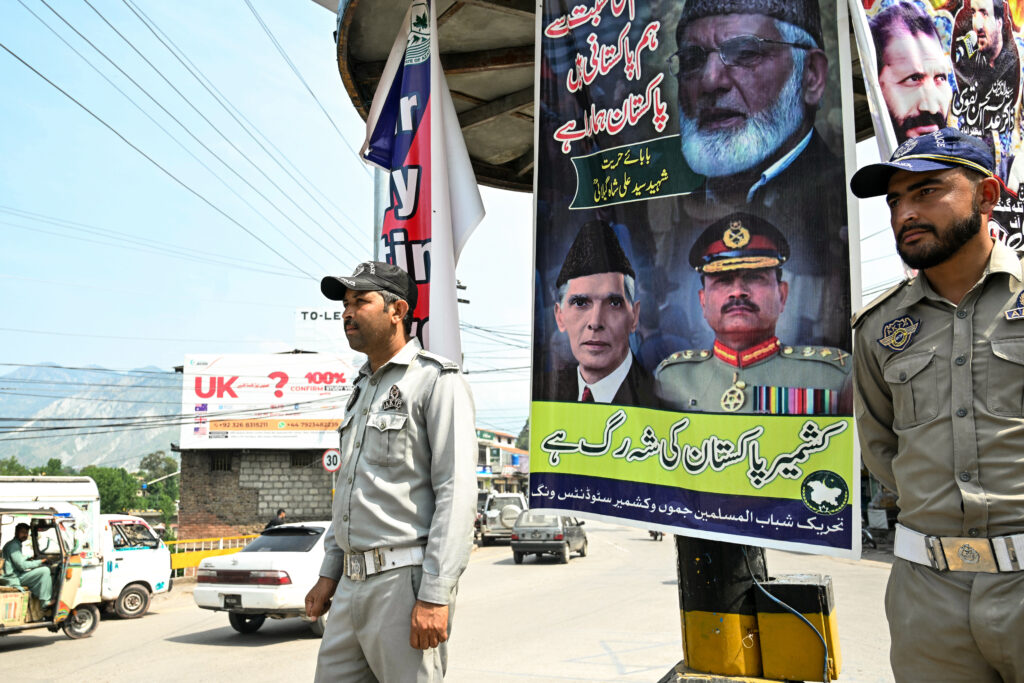

Pakistan conducts second missile test, India readies civil defence drills

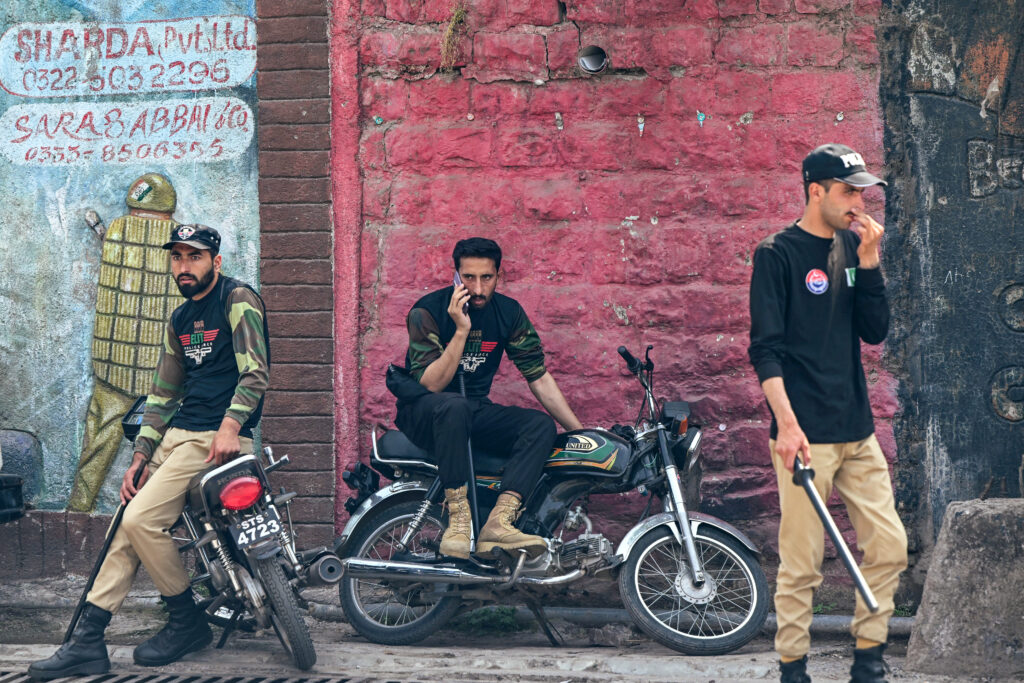
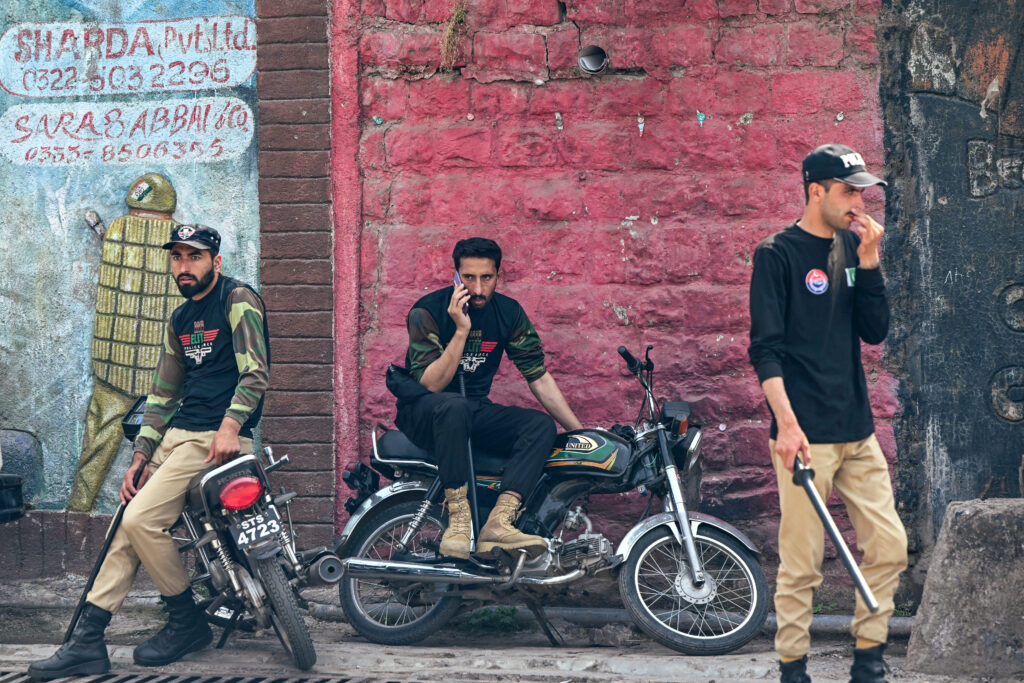
Pakistan conducted a second missile test and India ordered civil defence drills in an escalating stand-off over contested Kashmir that the UN said on Monday has brought the two nations to the brink of war.New Delhi blames Islamabad for backing an attack on tourists last month — the deadliest against civilians on the Indian-administered side of the Himalayan territory for years — sparking a series of heated threats and diplomatic tit-for-tat measures.Pakistan rejects the accusations, and the two sides have exchanged nightly gunfire since April 24 along the de facto border in Kashmir, the militarised Line of Control, according to the Indian army.UN chief Antonio Guterres on Monday said relations between Pakistan and India had reached a “boiling point”, warning that “now is the time for maximum restraint and stepping back from the brink” of war.The Pakistani military said Monday it had tested a surface-to-surface missile with a range of 120 kilometres (75 miles), a launch “aimed at ensuring the operational readiness of troops”.The missile test comes as Iran’s top diplomat Abbas Araghchi was in Islamabad for talks with Prime Minister Shehbaz Sharif on Monday, ahead of a visit to India on Thursday.Tehran has offered to mediate between the two nuclear-armed neighbours, and Araghchi will be the first senior foreign diplomat to visit both countries since the April 22 attack sent relations into a tailspin.”We will spare no effort to help de-escalate the situation between the two countries,” Iranian foreign ministry spokesperson Esmaeil Baqaei said.Pakistan announced a previous test on Saturday of a surface-to-surface missile with a range of 450 kilometres — about the distance from the Pakistan border to New Delhi.It has not said where either of the tests took place.Sharif, who cancelled a visit to Malaysia scheduled for Friday, said the launch “clearly shows that Pakistan’s defence is in strong hands”.Indian information ministry officials said that several civil defence “mock drills” would take place on Wednesday, preparing people to “protect themselves in the event of a hostile attack”.- Calls to de-escalate tensions -Muslim-majority Kashmir, a region of around 15 million people, is divided between Pakistan and India but claimed in full by both.Rebels in the Indian-run area have waged an insurgency since 1989, seeking independence or a merger with Pakistan.India regularly blames its neighbour for backing gunmen behind the insurgency.Hindu nationalist Indian Prime Minister Narendra Modi has said India will “identify, track and punish every terrorist and their backer” who carried out the attack at Pahalgam last month, and will “pursue them to the ends of the Earth.”Pakistan’s government has denied any involvement in the shooting and vowed that “any act of aggression will be met with a decisive response”.No group has claimed responsibility for the April 22 killing of 26 mainly Hindu men in the tourist hotspot of Pahalgam, but Indian police are seeking at least two Pakistani citizens they say are among the alleged gunmen.International pressure has been piled on both New Delhi and Islamabad, who have fought several wars over the disputed Kashmir region.US Vice President JD Vance has called on India to respond to the attack in a way “that doesn’t lead to a broader regional conflict”.Vance also urged Pakistan to “make sure that the terrorists sometimes operating in their territory are hunted down and dealt with”.Russia’s Kremlin spokesperson Dmitry Peskov told reporters on Monday that Moscow was “following with great concern the atmosphere that has developed on the border”, calling for both nations to “reduce tensions”.In Indian-run Kashmir, a vast manhunt seeking the gunmen continues across the territory, while those living along the frontier are moving further away — or cleaning out bunkers fearing conflict.On the Pakistani side, emergency drills have been carried out on playing fields, residents have been told to stock up on food and medicine, and religious schools have closed.burs-ecl-pjm/dhw

Huthis say US bombed Yemen after strike on Israel’s main airport

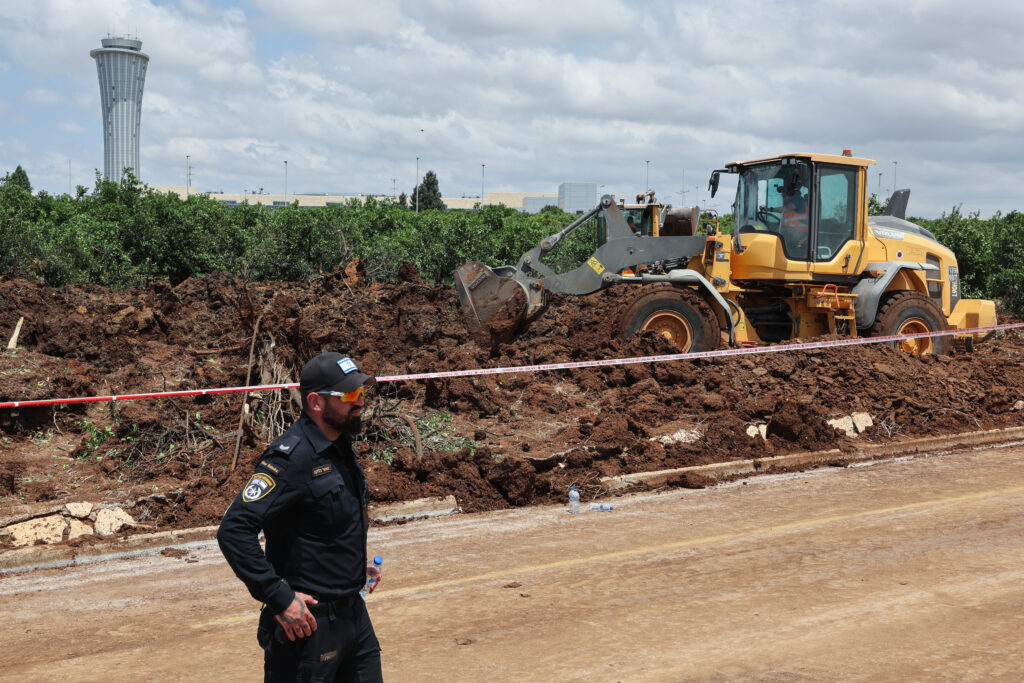
Yemen’s Huthis on Monday accused the United States of carrying out fresh strikes in and around Sanaa, after the Iran-backed rebels claimed a missile strike on Israel’s main airport.The Huthi-run Saba news agency said the strikes included two on Arbaeen Street in the capital and the airport road, blaming them on “American aggression”.Sixteen people were wounded, Saba cited the Iran-backed rebels’ health ministry as saying. The rebels’ Al-Masirah TV later reported another three strikes in Sanaa and seven in the northern governorate of Al-Jawf.The accusations came after Israel said a missile fired from Yemen on Sunday struck inside the perimeter of Ben Gurion International Airport near Tel Aviv for the first time.The Huthis claimed responsibility, saying they fired a “hypersonic ballistic missile” at Ben Gurion, Israel’s main international gateway.The rebels “will work to impose a comprehensive air blockade on the Israeli enemy by repeatedly targeting airports, most notably… Ben Gurion Airport”, they said in a statement.The missile gouged a wide crater in the ground near an airport parking lot, injuring six people and forcing airlines to suspend flights.The Huthis, who control swathes of Yemen including the capital, have launched missiles and drones targeting Israel and Red Sea shipping throughout the Gaza war, saying they are acting in solidarity with Palestinians.Israeli Prime Minister Benjamin Netanyahu vowed a tough response against the Huthis, as well as its main backer Iran, over the attack.In a video published on Telegram, Netanyahu said Israel had “acted against” the Huthis in the past and “will act in the future”.”It will not happen in one bang, but there will be many bangs,” he added, without elaborating. On social media platform X, Netanyahu said Israel would also respond to Iran at “a time and place of our choosing”.Hours later, the Huthis threatened to launch more such strikes and warned airlines to cancel their flights to Israeli airports.- Iran denial -Iran on Monday denied supporting the attack, calling it an “independent decision” by the Yemeni rebels taken in solidarity with the Palestinian people.Reacting to Netanyahu’s threats, the Islamic republic warned it would retaliate against any attack on its territory.”Iran underlines (its) firm determination… to defend itself,” the Iranian foreign ministry said, warning Israel and the United States of “consequences”.Following Sunday’s attack, an Israeli police video showed officers standing on the edge of a wide hole in the ground.”You can see the area just behind us: a crater was formed here, several dozen metres wide and several dozen metres deep,” central Israel’s police chief, Yair Hezroni, said in the recording.”This is the first time” that a missile has directly struck inside the airport perimeter, an Israeli military spokesperson told AFP.Israel’s Magen David Adom emergency service said it had treated at least six people with light to moderate injuries.An AFP journalist inside the airport during the attack said he heard a “loud bang” at around 9:35 am (0635 GMT), adding that the “reverberation was very strong”.”Security staff immediately asked hundreds of passengers to take shelter, some in bunkers,” the journalist said.- ‘Panic’ -Flights resumed after being halted briefly, with the aviation authority saying on Sunday that Ben Gurion was “open and operational”.On Monday, Israel’s security cabinet approved the expansion of military operations in Gaza including the “conquest” of the Palestinian territory, after the army called up tens of thousands of reservists for the offensive.An Israeli official said the plan for expanded operations “will include, among other things, the conquest of the Gaza Strip and the holding of the territories, moving the Gaza population south for their protection”.US strikes on Yemen’s Huthi rebels began under former president Joe Biden, but have intensified under his successor Donald Trump.

Israel cabinet approves plan for Gaza ‘conquest’

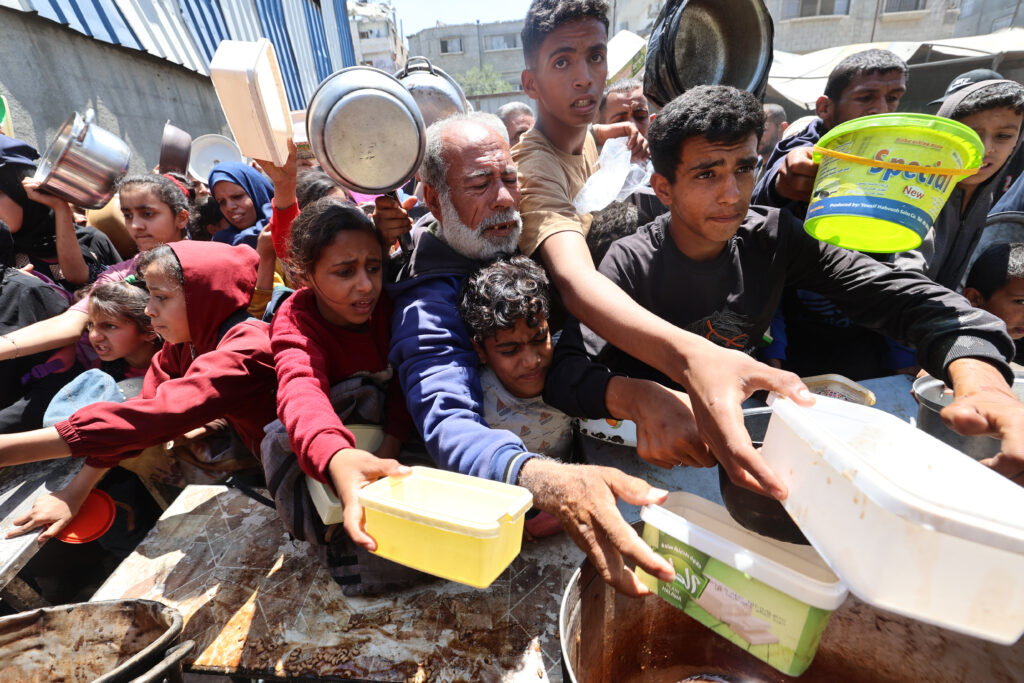
Israel’s security cabinet approved the expansion of military operations in Gaza including the “conquest” of the Palestinian territory, an official said Monday, after the army called up tens of thousands of reservists for the offensive.It comes as the United Nations and aid organisations have repeatedly warned of the humanitarian catastrophe on the ground, with famine again looming after more than two months of a total Israeli blockade.The Israeli official said the expanded operations “will include, among other things, the conquest of the Gaza Strip and the holding of the territories, moving the Gaza population south for their protection”.A different senior security official said “a central component of the plan is a large-scale evacuation of the entire Gazan population from the fighting zones… to areas in southern Gaza”.The plan, approved by the cabinet overnight, comes amid a push by Israel for Palestinians to leave the territory.A “voluntary transfer program for Gaza residents… will be part of the operation’s goals,” the senior security official added. The European Union voiced concern and urged restraint from Israel, saying the plan “will result in further casualties and suffering for the Palestinian people”.Israel resumed major operations across Gaza on March 18 amid deadlock over how to proceed with a two-month ceasefire that had largely halted the war with Hamas, which was sparked by the militants’ October 2023 attack.Israel has since carried out intensive aerial bombardments and expanded ground operations across the Palestinian territory. Gaza rescuers on Monday said Israeli air strikes killed at least 19 people.-‘Sacrificing hostages’-Most of Gaza’s population had resided in the north of the territory and nearly all have been displaced at least once during the war.The cabinet, which includes Prime Minister Benjamin Netanyahu and several ministers, “unanimously approved” the plan aimed at defeating Hamas and securing the return of hostages held in the territory.The official source said the plan included “powerful strikes against Hamas”, without specifying their nature.”I think, as an Israeli citizen, that it’s a smart move to finally address the root problem properly”, public employee Yossi Gershon, 36, told AFP. “All the steps of backing down -— we can see that unfortunately, there really isn’t peace with the other people.”The senior security source said the troop deployment would “allow a window of opportunity” for a possible hostage deal coinciding with US President Donald Trump’s upcoming visit to the Middle East in mid-May.The health ministry in Hamas-run Gaza said Sunday that at least 2,459 people had been killed since Israel resumed its campaign on March 18, bringing the overall death toll from the war to 52,567.Hamas’s attack on October 7 resulted in the deaths of 1,218 people on the Israeli side, mostly civilians, according to an AFP tally based on official figures.Militants also abducted 251 people, 58 of whom are still being held in Gaza, including 34 the Israeli military says are dead.Israel says its renewed offensive is aimed at forcing Hamas to free its remaining captives, although critics charge that it puts them in mortal danger.- ‘Political blackmail’ -“It is a thoughtless way of endangering more lives on both sides”, student Tamar Lazarow, 59, told AFP.”Enough innocent people have died… I do not really trust our government to make decisions coming from the right place.”An Israeli campaign group representing the relatives of hostages said the plan for an expanded offensive was “sacrificing” those held in Gaza.Alongside the plan for the expansion of the war, Netanyahu “continues to promote” a proposal by Trump for the departure of Gazans to neighbouring countries, the official said.The US president’s plan, unveiled in early February, has been rejected by Arab nations and governments around the world and the Palestinians. Israel’s security cabinet also approved the “possibility of humanitarian distribution, if necessary” in Gaza, “to prevent Hamas from taking control of the supplies and to destroy its governance capabilities”.Israel has accused the Palestinian militant group of diverting aid, which Hamas denies.A grouping of UN agencies and aid groups in the Palestinian territory has said Israel is seeking to “shut down the existing aid distribution system… and have us agree to deliver supplies through Israeli hubs under conditions set by the Israeli military”. The plan “contravenes fundamental humanitarian principles and appears designed to reinforce control over life-sustaining items as a pressure tactic –- as part of a military strategy”, the bodies said in a statement. Hamas said Monday the new Israeli aid framework amounted to “political blackmail”.Israel’s cabinet said there was “currently enough food” in Gaza.dms-lba-acc-csp/ysm

US film studio shares slip on Trump tariff threat

Shares in US film studios slid on Monday following a threat by US President Donald Trump to impose 100 percent tariffs on foreign-made productions.Meanwhile oil prices slumped after OPEC+ countries announced an output hike despite oversupply concerns and growing fears that Trump’s trade war could weaken demand.Globally, stock markets were mixed in holiday-thinned trading ahead of central bank decisions on interest rates later in the week.On Wall Street, the Dow edged higher in midday trading but the S&P 500 was down, putting a nine-day winning streak in peril. US stocks are coming off two strong weeks, with gains last Friday driven by strong jobs data and improving sentiment about US-China trade talks. Shares in Berkshire Hathaway fell around five percent after influential billionaire investor Warren Buffett said Saturday that he would retire from leading the firm he built into a conglomerate worth more than $1 trillion.Shares in entertainment firms slid after Trump said Sunday he was ordering new tariffs on all films made outside the United States, claiming Hollywood was being “devastated” by a trend of US filmmakers and studios working abroad.Shares in Lionsgate studios dropped more than five percent, while Netflix, whose foreign productions for its subsidiaries have often become popular globally, saw its shares fall around two percent.Shares in Disney, Paramount and Warner Bros. Discovery were also lower in midday trading.In Europe, Paris ended lower while Frankfurt climbed as Germany’s conservatives and centre-left Social Democrats reached a coalition deal for governing.London was closed for a public holiday, as were Tokyo and Hong Kong in Asia.Investors are waiting for interest rate decisions this week, with the US Federal Reserve and the Bank of England holding policy meetings on Wednesday and Thursday respectively.”Our US economists expect the Fed to keep rates steady and avoid explicit forward guidance about the policy path ahead,” Deutsche Bank analysts said.The dollar fell against other major currencies.- Brent below $60 per barrel -Meanwhile oil prices fell sharply after Saudi Arabia, Russia and six other members of the OPEC+ oil cartel announced an output increase of 411,000 barrels a day for June, a month after a similar move had already caused prices to fall.Crude prices fell almost four percent before paring back some losses, with the Brent international benchmark falling below $60 per barrel for the first time since 2020.The price of crude has also been sliding because of fears of a global economic slowdown on the back of Trump’s tariff onslaught.Analysts were still trying to pinpoint the oil cartel’s motivation.”The weekend news wasn’t a shocker but the reasons behind the move remain uncertain,” said Ipek Ozkardeskaya, senior analyst at Swissquote Bank.”The official communication says the group is bringing barrels back to the market because ‘fundamentals are healthy and inventories are low’,” Ozkardeskaya said.”Yet global growth expectations have been crumbling due to a heated trade war between the US and the rest of the world, and rising output only worsens oversupply concerns. So the real reason must be something else,” she added.She said some argued that the Saudis were “punishing” OPEC members who had not complied fully with the previous policy of cutting production.Other theories include that Trump has pressed for lower oil prices to hurt Russian finances and speed up the end of the Ukraine war, or that Riyadh wants to push out US shale businesses and increase its market share.”We don’t know for sure. The exact motive remains unclear,” Ozkardeskaya said.- Key figures at around 1530 GMT -West Texas Intermediate: DOWN 3.0 percent at $56.53 per barrelBrent North Sea Crude: DOWN 3.0 percent at $59.61 per barrelNew York – Dow: UP less than 0.1 percent at 41,354.62 pointsNew York – S&P 500: DOWN 0.3 percent at 5,667.67New York – Nasdaq Composite: DOWN 0.5 percent at 17,889.91Paris – CAC 40: DOWN 0.6 percent at 7,727.93 (close) Frankfurt – DAX: UP 1.1 percent at 23,344.54 (close)London – FTSE 100: closed for holidayTokyo – Nikkei 225: closed for holidayHong Kong – Hang Seng Index: closed for holiday Shanghai – Composite: closed for holidayEuro/dollar: UP at $1.1332 from $1.1299 on FridayPound/dollar: UP at $1.3297 from $1.3268Dollar/yen: DOWN at 143.76 yen from 144.97Euro/pound: UP at 85.21 pence from 85.14burs-rl/js

Islamabad teste un deuxième missile, exercices de défense indiens

Le Pakistan, en pleine tension avec l’Inde voisine, a mené lundi un deuxième tir d’essai de missile et New Delhi a ordonné des exercices de défense civile en cas d'”attaque”.Le 22 avril, des hommes armés ont abattu 26 civils au Cachemire administré par l’Inde. Depuis, New Delhi pointe du doigt Islamabad qui renvoie l’accusation de “soutien au terrorisme transfrontalier” à son voisin. Alors que les deux puissances nucléaires multiplient les déclarations belliqueuses, faisant redouter un nouveau conflit entre les deux pays nés en 1947 d’une douloureuse partition, Téhéran s’est proposé comme médiateur, au même titre que son rival régional, l’Arabie saoudite.Au moment où le chef de la diplomatie iranienne Abbas Araghchi entamait sa visite officielle à Islamabad, l’armée pakistanaise a annoncé avoir mené “un lancement test réussi d’un missile sol-sol Fatah, d’une portée de 120 km”.Comme lors d’un premier tir samedi d’un autre missile sol-sol, cette fois d’une portée de 450 km – soit la distance entre la frontière pakistano-indienne et New Delhi -, l’armée n’a pas donné plus de détails sur ce tir.Elle s’est bornée à dire qu’il visait à “préparer” les troupes et à “valider” notamment “le système de navigation avancé du missile ainsi que sa précision”.La défense du Pakistan est “entre de bonnes mains”, s’est aussitôt félicité le Premier ministre Shehbaz Sharif, qui a annulé lundi un départ pour la Malaisie.Le président pakistanais, Asif Ali Zardari, a lui aussi salué “un test réussi”.Depuis que le Premier ministre du gouvernement ultranationaliste hindou à New Delhi, Narendra Modi, a donné son feu vert la semaine dernière à une “riposte” militaire après l’attentat au Cachemire, Islamabad dit anticiper une frappe indienne imminente.Les responsables du ministère indien de l’Information ont annoncé que plusieurs “exercices” de défense civile auraient lieu mercredi, afin de préparer la population à “se protéger en cas d’attaque”.Le Secrétaire général de l’ONU, s’inquiétant des tensions “au plus haut depuis des années” entre l’Inde et le Pakistan, les a appelés à “s’éloigner du précipice”.”Il est essentiel, particulièrement à cette heure critique, d’éviter une confrontation militaire qui pourrait facilement devenir incontrôlable. Le moment est venu pour la retenue maximale et pour s’éloigner du précipice”, a déclaré Antonio Guterres à la presse.A la demande du Pakistan, le Conseil de sécurité de l’ONU doit se réunir lundi après-midi à huis clos pour discuter de cette situation.- Médiation iranienne – Le ministre iranien des Affaires étrangères, Abbas Araghchi, a rencontré son homologue pakistanais Ishaq Dar et M. Sharif.Il a dit vouloir “examiner les derniers développements dans la région”, tandis que M. Sharif a “réaffirmé la détermination du Pakistan à travailler étroitement avec l’Iran pour la paix”, selon leurs bureaux respectifs.”Le Pakistan veut exposer sa vision aux pays amis”, a expliqué le ministre de l’Information Attaullah Tarar, lors d’une visite au Cachemire pakistanais, insistant sur “son droit à la légitime défense”.Le chef de la diplomatie iranienne ira ensuite en Inde “ce jeudi après ses entretiens avec les responsables pakistanais à Islamabad”, a annoncé l’ambassade iranienne à New Delhi sur X.”Nous ne voulons pas que les tensions prennent de l’ampleur et nous ferons tous les efforts pour aider à la désescalade entre les deux pays”, a indiqué de son côté le porte-parole de la diplomatie iranienne Esmaeil Baqaei.Depuis le début de ce nouvel épisode de tensions, le gouvernement pakistanais s’est entretenu avec plus d’une vingtaine de chefs d’Etat, selon Ishaq Dar.Disant suivre “avec beaucoup d’inquiétude les tensions qui règnent actuellement à la frontière”, le Kremlin a appelé les deux voisins à “apaiser les tensions”.Plus tôt, l’armée indienne avait de nouveau annoncé avoir échangé des tirs avec des soldats pakistanais le long de la frontière de facto qui divise le Cachemire, région à majorité musulmane, dont les deux voisins se disputent la souveraineté totale.- “Réplique bien pire” -En 2019 déjà, après une attaque meurtrière contre ses soldats, l’Inde avait procédé à un raid aérien au Pakistan douze jours plus tard, auquel Islamabad avait riposté.Le Pakistan avait capturé un pilote indien, avant de le remettre à son pays et les hostilités avaient cessé grâce à une médiation américaine.”La dernière fois, nous avons abattu deux de leurs avions; cette fois-ci, la réplique pourrait être bien pire”, a mis en garde M. Tarar.Les quinze millions d’habitants du Cachemire – côtés pakistanais et indien – vivent de nouveau dans la peur. Au Cachemire indien, une chasse à l’homme se poursuit à la recherche des assaillants du 22 avril.Anticipant des actions militaires indiennes, le Cachemire pakistanais a fermé pour dix jours ses 1.100 écoles coraniques. Dans les 6.000 écoles publiques, toujours ouvertes, les autorités locales ont lancé il y a quelques jours des formations aux premiers secours.

Islamabad teste un deuxième missile, exercices de défense indiens

Le Pakistan, en pleine tension avec l’Inde voisine, a mené lundi un deuxième tir d’essai de missile et New Delhi a ordonné des exercices de défense civile en cas d'”attaque”.Le 22 avril, des hommes armés ont abattu 26 civils au Cachemire administré par l’Inde. Depuis, New Delhi pointe du doigt Islamabad qui renvoie l’accusation de “soutien au terrorisme transfrontalier” à son voisin. Alors que les deux puissances nucléaires multiplient les déclarations belliqueuses, faisant redouter un nouveau conflit entre les deux pays nés en 1947 d’une douloureuse partition, Téhéran s’est proposé comme médiateur, au même titre que son rival régional, l’Arabie saoudite.Au moment où le chef de la diplomatie iranienne Abbas Araghchi entamait sa visite officielle à Islamabad, l’armée pakistanaise a annoncé avoir mené “un lancement test réussi d’un missile sol-sol Fatah, d’une portée de 120 km”.Comme lors d’un premier tir samedi d’un autre missile sol-sol, cette fois d’une portée de 450 km – soit la distance entre la frontière pakistano-indienne et New Delhi -, l’armée n’a pas donné plus de détails sur ce tir.Elle s’est bornée à dire qu’il visait à “préparer” les troupes et à “valider” notamment “le système de navigation avancé du missile ainsi que sa précision”.La défense du Pakistan est “entre de bonnes mains”, s’est aussitôt félicité le Premier ministre Shehbaz Sharif, qui a annulé lundi un départ pour la Malaisie.Le président pakistanais, Asif Ali Zardari, a lui aussi salué “un test réussi”.Depuis que le Premier ministre du gouvernement ultranationaliste hindou à New Delhi, Narendra Modi, a donné son feu vert la semaine dernière à une “riposte” militaire après l’attentat au Cachemire, Islamabad dit anticiper une frappe indienne imminente.Les responsables du ministère indien de l’Information ont annoncé que plusieurs “exercices” de défense civile auraient lieu mercredi, afin de préparer la population à “se protéger en cas d’attaque”.Le Secrétaire général de l’ONU, s’inquiétant des tensions “au plus haut depuis des années” entre l’Inde et le Pakistan, les a appelés à “s’éloigner du précipice”.”Il est essentiel, particulièrement à cette heure critique, d’éviter une confrontation militaire qui pourrait facilement devenir incontrôlable. Le moment est venu pour la retenue maximale et pour s’éloigner du précipice”, a déclaré Antonio Guterres à la presse.A la demande du Pakistan, le Conseil de sécurité de l’ONU doit se réunir lundi après-midi à huis clos pour discuter de cette situation.- Médiation iranienne – Le ministre iranien des Affaires étrangères, Abbas Araghchi, a rencontré son homologue pakistanais Ishaq Dar et M. Sharif.Il a dit vouloir “examiner les derniers développements dans la région”, tandis que M. Sharif a “réaffirmé la détermination du Pakistan à travailler étroitement avec l’Iran pour la paix”, selon leurs bureaux respectifs.”Le Pakistan veut exposer sa vision aux pays amis”, a expliqué le ministre de l’Information Attaullah Tarar, lors d’une visite au Cachemire pakistanais, insistant sur “son droit à la légitime défense”.Le chef de la diplomatie iranienne ira ensuite en Inde “ce jeudi après ses entretiens avec les responsables pakistanais à Islamabad”, a annoncé l’ambassade iranienne à New Delhi sur X.”Nous ne voulons pas que les tensions prennent de l’ampleur et nous ferons tous les efforts pour aider à la désescalade entre les deux pays”, a indiqué de son côté le porte-parole de la diplomatie iranienne Esmaeil Baqaei.Depuis le début de ce nouvel épisode de tensions, le gouvernement pakistanais s’est entretenu avec plus d’une vingtaine de chefs d’Etat, selon Ishaq Dar.Disant suivre “avec beaucoup d’inquiétude les tensions qui règnent actuellement à la frontière”, le Kremlin a appelé les deux voisins à “apaiser les tensions”.Plus tôt, l’armée indienne avait de nouveau annoncé avoir échangé des tirs avec des soldats pakistanais le long de la frontière de facto qui divise le Cachemire, région à majorité musulmane, dont les deux voisins se disputent la souveraineté totale.- “Réplique bien pire” -En 2019 déjà, après une attaque meurtrière contre ses soldats, l’Inde avait procédé à un raid aérien au Pakistan douze jours plus tard, auquel Islamabad avait riposté.Le Pakistan avait capturé un pilote indien, avant de le remettre à son pays et les hostilités avaient cessé grâce à une médiation américaine.”La dernière fois, nous avons abattu deux de leurs avions; cette fois-ci, la réplique pourrait être bien pire”, a mis en garde M. Tarar.Les quinze millions d’habitants du Cachemire – côtés pakistanais et indien – vivent de nouveau dans la peur. Au Cachemire indien, une chasse à l’homme se poursuit à la recherche des assaillants du 22 avril.Anticipant des actions militaires indiennes, le Cachemire pakistanais a fermé pour dix jours ses 1.100 écoles coraniques. Dans les 6.000 écoles publiques, toujours ouvertes, les autorités locales ont lancé il y a quelques jours des formations aux premiers secours.