

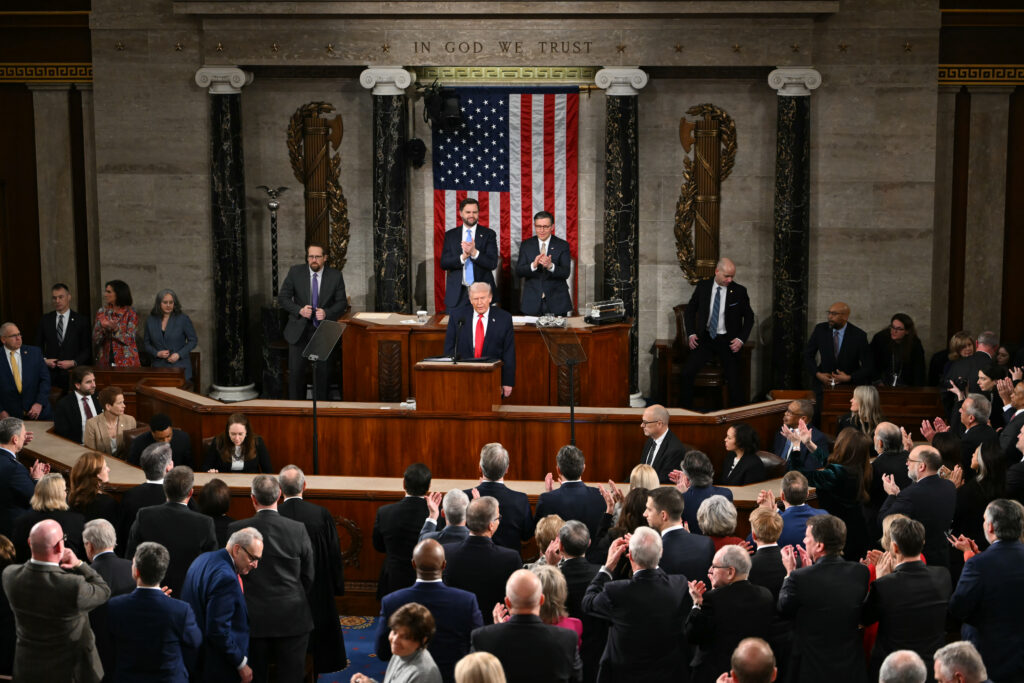
Tug of war: how US presidents battle Congress for military powers
Donald Trump’s unleashing of operation “Epic Fury” against Iran has once more underscored the long and bitter struggle between US presidents and Congress over who has the power to decide on foreign military action.In his video address announcing “major combat” with the Islamic republic, Trump didn’t once mention any authorization or consultation with the US House of Representatives or Senate.In doing so he sidelined not only Democrats, who called for an urgent war powers vote, but also his own Republican party as he asserts his dominance over a largely cowed legislature.A US official said Secretary of State Marco Rubio had called top congressional leaders known as the “Gang of Eight” to give them a heads up on the Iran attack — adding that one was unreachable.Rubio also “laid out the situation” and consulted with the same leaders on Tuesday in an hour-long briefing, the US official said. According to the US Constitution, only Congress can declare war.But at the same time the founding document of the United States first signed in 1787 says that the president is the “commander in chief” of the military, a definition that US leaders have in recent years taken very broadly.The last official declaration of war by Congress was as far back as World War II.There was no such proclamation during the unpopular Vietnam War, and it was then that Congress sought to reassert its powers. In 1973 it adopted the War Powers Resolution, passed over Richard Nixon’s veto, to become the only lasting limit on unilateral presidential military action abroad.The act allows the president to carry out a limited military intervention to respond to an urgent situation created by an attack against the United States. In his video address on Saturday, Trump evoked an “imminent” threat to justify strikes against Iran. – Sixty days -Yet under this law, the president must still inform Congress within 48 hours.It also says that if the president deploys US troops for a military action for more than 60 days, the head of state must then obtain the authorization of Congress for continued action.That falls short of an official declaration of war.The US Congress notably authorized the use of force in such a way after the September 11, 2011 attacks on the United States by Al-Qaeda. Presidents have used it over the past two decades for not only the 2001 invasion of Afghanistan but a series of operations in several countries linked to the “War on Terror.”Trump is far from the first US president to launch military operations without going through Congress.Democrat Bill Clinton launched US air strikes against Kosovo in 1999 as part of a NATO campaign, despite the lack of a green light from skeptical lawmakers.Barack Obama did the same for airstrikes in Libya in 2011.Trump followed their example in his first term in 2018 when he launched airstrikes in Syria along with Britain and France.But since his return to power the 79-year-old has sought to push presidential power to its limits, and that includes in the military sphere.Trump has ordered strikes on alleged drug trafficking boats in Latin America without consulting Congress, and in June 2025 struck Iran’s nuclear facilities.Perhaps the most controversial act was when he ordered the capture of Venezuelan president Nicolas Maduro in a lightning military raid on January 3. Republicans however managed to knock down moves by Democrats for a rare war powers resolution that would have curbed his authority over Venezuela operations.Trump has meanwhile sought to extend his powers over the home front. Democrats have slammed the Republican for deploying the National Guard in several US cities in what he calls a crackdown on crime and immigration.
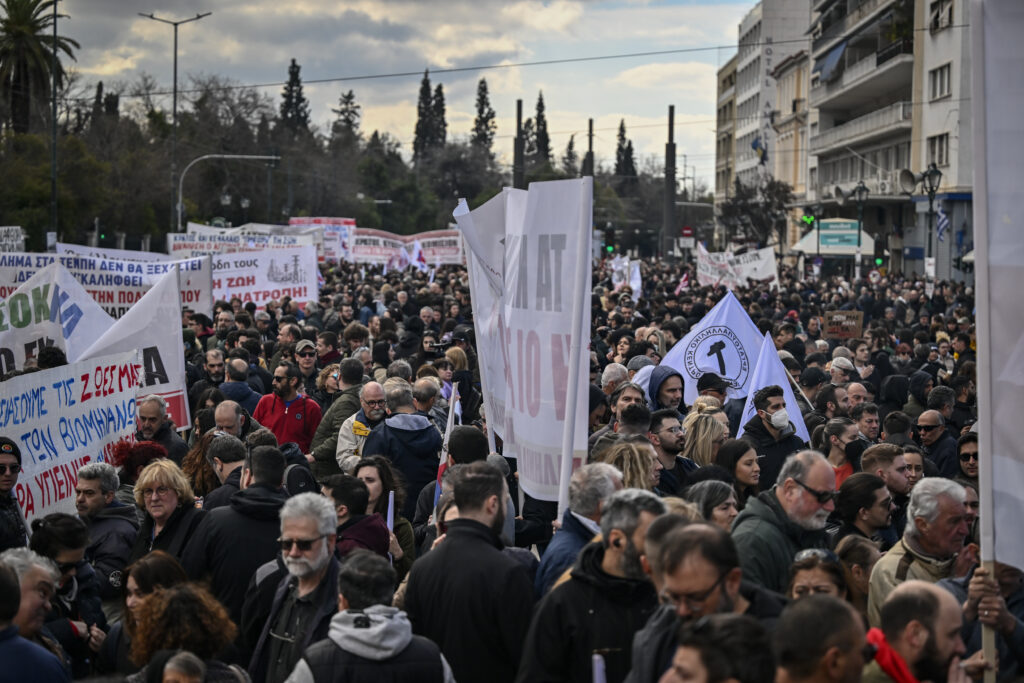
“Justice pour les morts!”: la Grèce manifeste sa colère trois ans après la collision ferroviaire
Plus de 65.000 personnes en colère se sont rassemblées samedi dans toute la Grèce pour commémorer la collision ferroviaire meurtrière du 28 février 2023 et réclamer justice face aux failles de l’enquête.A Athènes, la manifestation devant le Parlement, où le mot “assassins!” a été scandé, a réuni plus de 40.000 personnes, selon la police. Mais elle a été émaillée d’échauffourées entre des manifestants qui ont jeté des cocktals Molotov et des policiers qui ont fait usage de gaz lacrymogènes et de grenades assourdissantes, a constaté l’AFP. “Justice pour les morts!”, a lancé le président de l’Association des familles des victimes, Pavlos Aslanidis, à la foule qui venait d’observer une minute de silence à la mémoire des 57 morts de cet accident ferroviaire, étincelle d’une colère qui ne s’est jamais apaisée depuis. “Face à la tentative de dissimulation” des responsabilités, “nous opposons notre unité et notre (…) détermination de ne pas reculer afin que la vérité éclate enfin”, a ajouté ce père endeuillé.Des îles de Crète à Corfou, des dizaines de rassemblements ont eu lieu pour commémorer l’accident ferroviaire le plus meurtrier qu’ait connu la Grèce. Aucun train ni ferry ne cicule ce samedi.A Thessalonique, deuxième ville du pays, quelque 25.000 personnes étaient rassemblées, selon la police. Sur les lieux de l’accident, près de Tempé (centre), des famillles et proches des victimes, en pleur, sont venus déposer des couronnes de fleurs blanches près des rails.A Thessalonique, Fani Christani, étudiante en pédagogie, a assuré à l’AFP que “c’est notre génération qui a été blessée” dans cette catastrophe qui a tué de nombreux étudiants de retour des festivités du carnaval.”La justice n’a pas encore été rendue et les responsables sont toujours en liberté”, se désolait Lydia Pagkali, une manifestante de 28 ans, rencontrée par l’AFP à Athènes.- “Pas en sécurité ” -“Nous ne nous sentons toujours pas en sécurité lorsque nous prenons le train ou le métro”, a-t-elle aussi fustigé.Le Premier ministre Kyriakos Mitsotakis, étrillé à l’époque pour sa gestion jugée calamiteuse de cet accident, a reconnu samedi “les lacunes et les erreurs” de l’Etat.Le dirigeant conservateur a également réclamé que “les responsabilités de la tragédie soient établies de manière rigoureuse, mais aussi impartiale”.”Au-delà de la douleur due à la perte de nos proches, il y a ce sentiment d’être bafoués, méprisés, et celui (…) que ce crime, comme les autres, sera étouffé”, avait confié à l’AFP, quelques jours avant les commémorations, Maria Karystianou, la mère d’une victime qui s’apprête à lancer un parti politique. Le 28 février 2023, à 23H22 (21H22 GMT), dans la vallée de Tempé (centre), un train de marchandises entre en collision frontale avec un train convoyant quelque 350 personnes d’Athènes à Thessalonique (nord).Le choc est immense.Et les interrogations fusent aussitôt. Comment deux trains ont-ils pu circuler sur la même voie pendant plus de 10 minutes sans qu’aucun système d’alarme ne soit déclenché?- Failles de sécurité -Les Grecs découvrent alors avec effroi les failles de sécurité de leur réseau ferroviaire, miné par des années de gestion indigente, et des systèmes de signalisation vétustes.Leur modernisation accuse un retard de plusieurs années malgré l’octroi de fonds européens conséquents et les alertes des syndicats.Depuis trois ans, les Grecs réclament des comptes à des responsables politiques accusés d’incurie et de dissimulation des responsabilités.La cheffe du Parquet européen, Laura Kövesi, a assuré que cette collision aurait pu être évitée si le système de signalisation avait été modernisé dans les temps avec les fonds de l’UE. Ce scandale s’est par la suite doublé d’un fiasco judiciaire.Deux anciens membres du gouvernement Mitsotakis font l’objet d’une procédure, mais aucun n’a encore comparu devant un tribunal. Des preuves précieuses ont par ailleurs été perdues quand, quelques jours seulement après la collision, le site a été rasé au bulldozer.Plusieurs parents de victimes ont également réclamé que des expertises soient menées afin de déterminer si leurs enfants ont été tués par la collision ou par l’incendie qui s’est déclenché par la suite. Une quarantaine de personnes, dont le chef de gare en poste ce soir-là, doivent être jugés à partir du 23 mars.
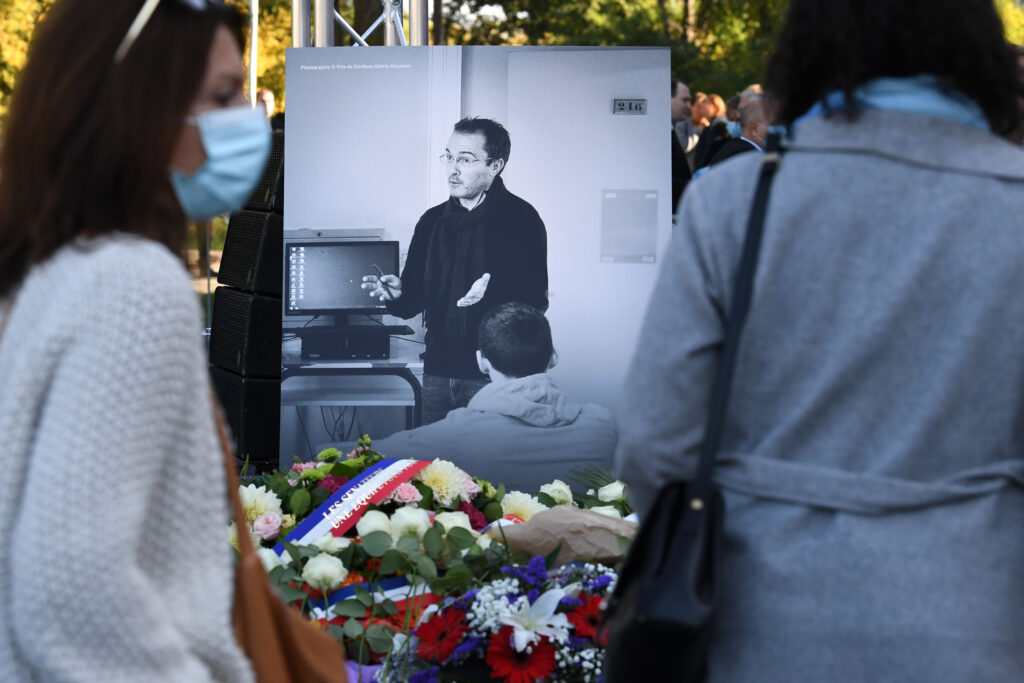
Procès Paty: au nom de la “cohérence”, sa défense demande l’acquittement du militant islamiste Sefrioui
Abdelhakim Sefrioui n’avait aucune intention que sa cabale en ligne mette en péril la vie de Samuel Paty: au nom de la “cohérence” et du droit, sa défense a demandé samedi à la cour d’assises spéciale de Paris de l’acquitter.En réclamant vingt ans de réclusion criminelle contre le militant islamiste, le parquet général “vous demande de …
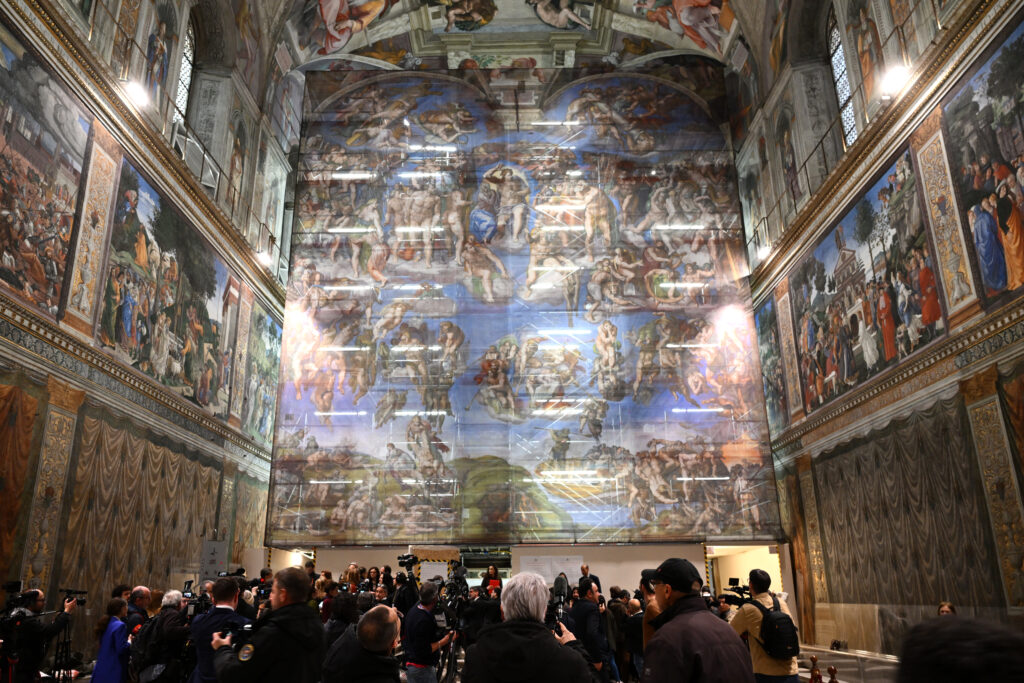
Vatican: plus importante restauration de la fresque du Jugement dernier depuis plus de 30 ans
La célèbre fresque du Jugement dernier de Michel-Ange, dans la chapelle Sixtine, bénéficie de sa plus importante restauration depuis plus de trente ans afin d’éliminer un léger dépôt blanchâtre laissé par la transpiration des visiteurs.La restauration de ce chef-d’œuvre du XVIe siècle vise à éliminer une couche blanchâtre qui s’est formée à sa surface, atténuant les contrastes de couleurs.Les visiteurs pourront toujours accéder à la chapelle Sixtine pendant la restauration, mais la fresque sera masquée par un grand échafaudage recouvert d’une reproduction de l’œuvre de près de 14 mètres de haut.”Le nettoyage permettra d’éliminer la fine pellicule, invisible à l’oeil nu, et de redonner toute leur splendeur aux couleurs de Michel-Ange”, indique un communiqué du Vatican.La directrice des Musées du Vatican, Barbara Jatta, a décrit le voile retiré comme “un peu comme une cataracte”, lors d’une visite de presse du chantier, qui doit s’achever avant Pâques.Selon les restaurateurs, la substance en question est du lactate de calcium. La fresque sera tamponnée par des pinceaux avec de l’eau déionisée à travers une double couche de papier japonais afin de l’éliminer.”La transpiration a augmenté ces dernières années à cause du changement climatique. Avec la transpiration, nous produisons de l’acide lactique… qui se transforme en lactate de calcium”, a expliqué Fabio Morresi, responsable de la recherche scientifique aux Musées du Vatican, devant les journalistes.”L’eau permet la dissolution complète des dépôts et des substances étrangères, faisant ainsi ressortir la couche de peinture d’origine”, a assuré Paolo Violini, restaurateur en chef au Vatican, cité dans le communiqué.Le Jugement dernier, réalisé entre 1536 et 1541, est la pièce maîtresse de la chapelle Sixtine.La légende dit que le pape Paul III aurait été tellement impressionné par cette œuvre qu’il se serait mis à genoux et aurait demandé pardon lorsqu’il a vu la fresque pour la première fois.Elle couvre une superficie de 180 mètres carrés et compte 391 personnages.Les nombreux personnages nus ou semi-nus représentés dans le tableau ont provoqué un scandale et beaucoup ont été recouverts de tissus peints après la mort de Michel-Ange, en 1564.Certains de ces tissus ont été retirés en 1994 lors de la dernière restauration majeure. La restauration actuelle est parrainée par des mécènes américains.La chapelle Sixtine fait l’objet d’une restauration par sections dans le cadre d’une rénovation majeure commencée en 2010.Les restaurateurs travaillent généralement pendant les soirées de janvier et février chaque année afin que la chapelle puisse rester ouverte aux visiteurs.Le projet actuel est financé par des donateurs américains.
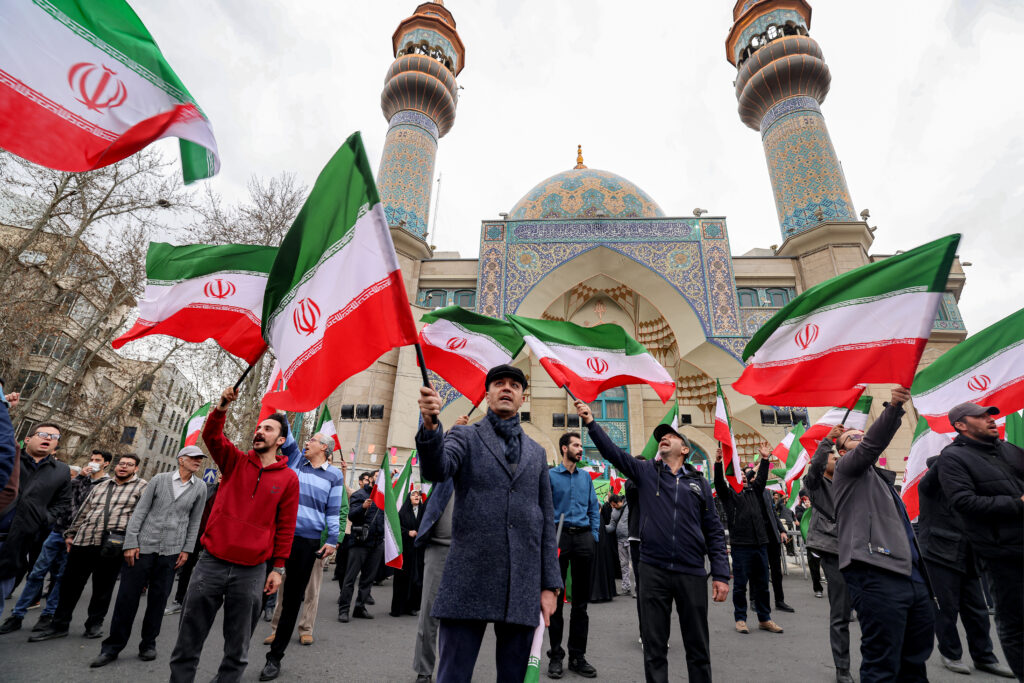
Streets empty and shops close as US strikes confirm Iranian fears
For weeks, Iranians had been nervously anticipating another attack by the United States and Israel, despite Tehran and Washington holding negotiations aimed at averting a violent showdown.Nevertheless, on Saturday morning just before the strikes, life in Tehran was moving at its usual pace, taxis and buses were inching through mid-morning traffic and people were running errands.Then the routine was shattered by a series of detonations. Security forces flooded the streets and dark columns of smoke rose near the home of Iran’s supreme leader, Ayatollah Ali Khamenei.”I am hearing explosions and fighter jets overhead,” one resident of central Tehran said at around 9:45 am local time, before communications and internet access were cut.Within minutes of the attack, traffic-choked streets slowed and long queues formed outside bakeries and gas stations. Police and security forces were out in numbers.Saturday is usually the start of Iran’s working week, but many shops pulled down their shutters and few pedestrians risked going out, an AFP journalist saw.From outside the capital, reports came in that targets had been hit in almost two thirds of Iran’s provinces.Loud screams could be heard in the background of media footage of the soot-covered debris from a school building hit in the southern province of Hormozgan.As distraught people gathered at the site, the reported death toll rose to reach at least 51 students.With US President Donald Trump urging Iranians to rise up against their leaders, rumours swirled over the status of Iran’s senior military and political figures.But state media was quick to insist that President Masoud Pezeshkian and Foreign Minister Abbas Araghchi and “all the commanders” of Iran’s army were in good health.One small demonstration took to the streets, covered by state media, with around 300 pro-government marchers convening on Tehran’s Palestine square.Beyond Tehran, explosions were reported in Kermanshah in the west, Isfahan in the centre and as far as Zahedan in the southeast.In response, the Revolutionary Guards announced missile and drone strikes on Israel as well as on the US Fifth Fleet base in Bahrain.Explosions were also reported over cities across the region, including in the United Arab Emirates, Saudi Arabia, Qatar, Kuwait, Iraq and Jordan.Within Iran, the country’s top security body, the Supreme National Security Council, said contingency plans were being activated.Schools were ordered closed until further notice, while banks were to remain open and government offices would operate at half capacity.Local media quoted officials as saying that food and fuel supplies were covered and that subway and bus services would continue operating as usual.Saturday’s attack came as Tehran and Washington were engaged in negotiations aimed at reaching a deal.The strikes recalled the 12-day war in June, when Israel launched attacks just days before a planned sixth round of talks between Tehran and Washington.Iranian authorities have anticipated the possibility of renewed conflict since last June’s war, which officials said aimed to bring down the Islamic republic.For many ordinary Iranians, tension had already been high following mass protests in late December triggered by economic hardship that left thousands dead.Ahead of the strikes, social media users — particularly on Instagram — on Friday shared safety advice on what to do in the event of explosions or air strikes.Following the attacks, the military’s Khatam al-Anbiya Central Headquarters said operations “will continue without pause until the enemy’s definitive defeat”.
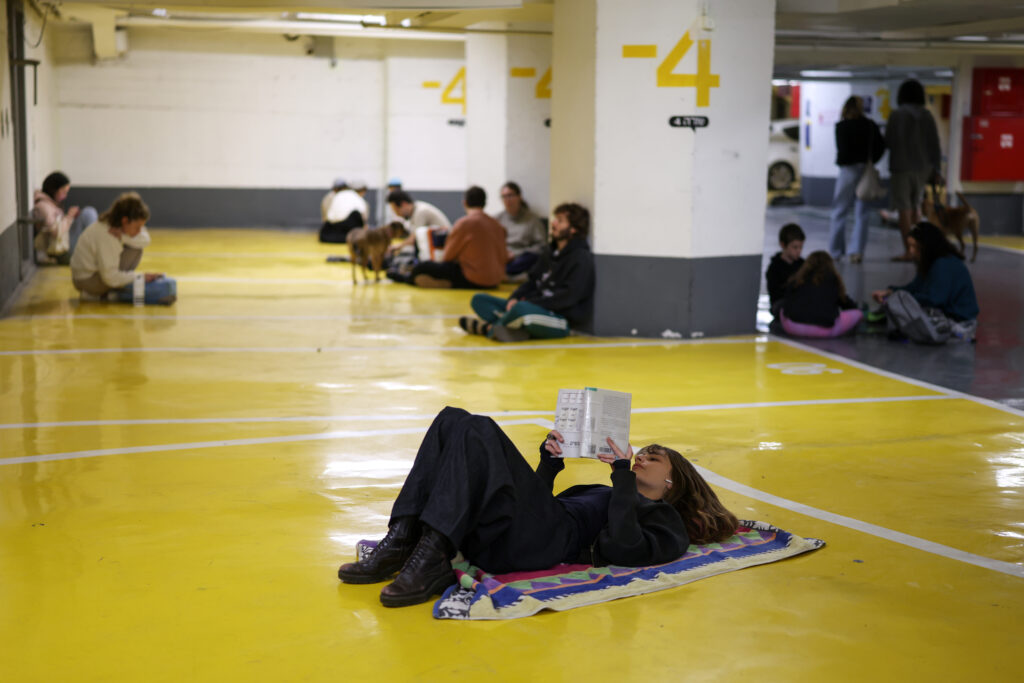
Israelis shelter underground as Iran fires missiles
Across Israel, city streets stood deserted on Saturday as residents took cover in shelters, while the blasts from Iranian missiles being intercepted reverberated overhead.It was the second time in under a year that Israelis were undertaking this grim wartime routine, having first fled Iranian missiles during a 12-day war between the arch-foes last June.The United States and Israel launched a wave of strikes against military targets in Iran on Saturday, sparking a rapid Iranian retaliation towards Israel.In the commercial hub of Tel Aviv, Orit Baisa, 42, rushed to an underground car park as soon as he heard the air raid sirens warning of an incoming missile barrage.”We don’t have a shelter, no safe room. The stairwell isn’t a compliant secure room. This (car park) is the safest place there is,” he said.”If this (war) is going to last, then yes, sure, we’ll go back to it, bring the tents, the mattresses, bring all the equipment and live here, like last time”, he told AFP.Andrea Siposova, who fled to the same car park, told AFP she had prepared for the shelter in case war broke out.”We were already prepared with our emergency backpacks in case this happens. And yeah, so once we got the alert that there is a missile attack, we came to the shelter”, said Siposova, a 31-year-old originally from Slovakia who now lives in Tel Aviv.Roi Elba came to the shelter with his dog Gaia to wait out a missile salvo.”It’s the place to be when it’s unsafe outside. Most of the buildings, most of the apartments in Tel Aviv, in the centre of Tel Aviv, don’t have a safe room, shelter”.- Assault rifles and strollers -Inside, some people had brought prams, others, who were reservists, their assault rifles while some began praying in a small group. Several dogs were there, too, hunkering down with their owners.Outside of the car park, white trails scarred the blue sky as Israel’s air defence system launched into action to detonate Iranian missiles before they could land, an AFP journalist reported.Further north on Israel’s coast, a projectile lifted a large blast of water in Haifa Bay as it exploded in the Mediterranean Sea, water and smoke rising high above a nearby commercial ship, an AFP photojournalist reported.After a projectile struck a building in the nearby city of Tirat Carmel, residents were evacuated, according to the same journalist.Israel’s first responders agency, Magen David Adom instructed its ambulances to use sirens as little as possible, so as to avoid people confusing the sound for that of air raid sirens, it said in a statement.By mid-afternoon on Saturday, it had reported only one mild injury linked to missiles, a 50-year-old man injured by a blast in Israel’s north.All other national agencies also sprang into wartime mode, with the education ministry cancelling all classes and the aviation authority halting all flights in and out of the country.In Jerusalem, the streets were mostly empty, with residents staying home or close to shelters.There too, numerous blasts broke the stillness of the empty streets as barrages came one after the other, sometimes rattling windows as missiles detonated overhead.- ‘Trapped’ -In the nearby West Bank city of Ramallah, 15 kilometres north of Jerusalem, Palestinians mostly carried on with life as usual, with markets in full swing and conversations only occasionally interrupted by overhead blasts.”There have been wars since our great-great-grandparents’ time. Nothing concerns us. Our lives must continue as normal”, Ghazala Arar, a resident of the nearby Jalazone camp, told AFP.For most, the main inconvenience remained the Israeli military’s closure of many of the hundreds of checkpoints that restrict movement in the Palestinian territory, locking some people out of their homes.”I’m trying to go to Jenin, but all the checkpoints are closed. The attack happened in an instant — we are trapped here”, Rajwa Atatra, who had come to Ramallah from the northern city of Jenin to visit her brother, told AFP.
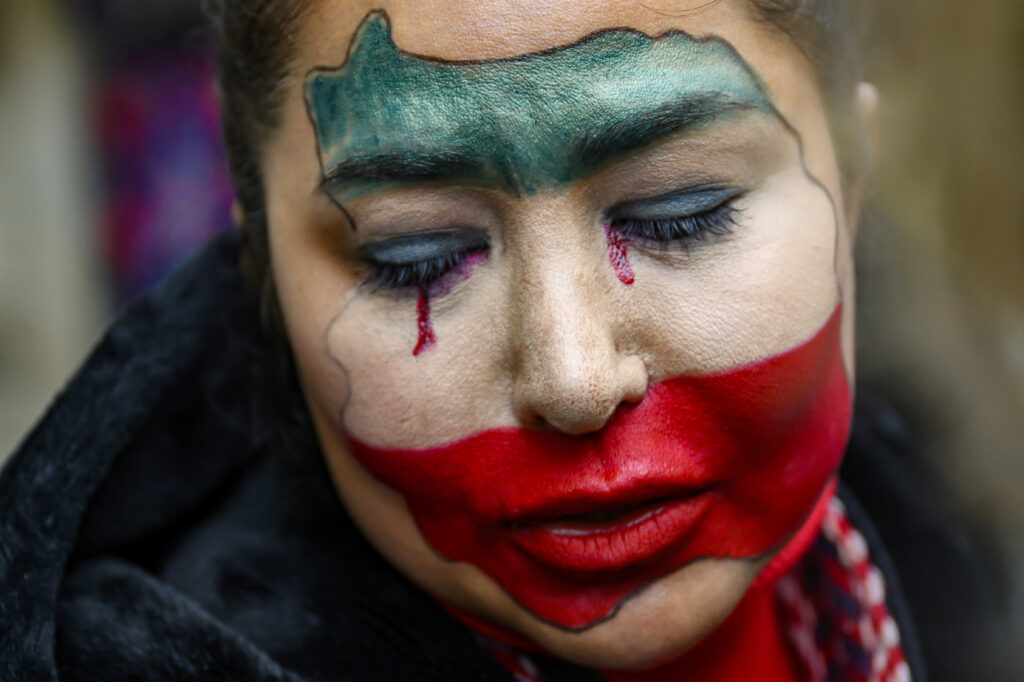
Iranians in Istanbul jittery but jubilant at US, Israeli strikes
“War is no good but it’s better than the regime killing our children,” said a 39-year-old Iranian in Istanbul, confessing he was “happy” that US and Israeli warplanes were attacking Iran. Like many Iranians living in exile in neighbouring Turkey, Reza, who did not want to give his surname, has been glued to his phone since news broke that Israel and the United States had begun air strikes on Iran. Despite worrying about their families, most exiles in Turkey’s largest city told AFP they were happy with the strikes, which US President Donald Trump had threatened in January over Iran’s protest crackdown that left thousands dead.”America is attacking the military bases, the people who 40 days ago were killing our children, so they are helping us. This war is no good, people will die, but I’m happy,” Reza, a mature student, told AFP.Ali, a film director who like almost all the Iranians interviewed by AFP did not give his surname, agreed.”Now people in Iran are full of hope and they are very, very happy,” Ali said. “Iranians have been counting the minutes until America came to destroy the regime.”Over the past few weeks, Trump has sent warships and dozens of fighter planes to the Middle East, raising fears of a US strike — even as US and Iranians diplomats held indirect talks on Iran’s nuclear programme. But early on Saturday, the tensions came to a head as Israeli and US warplanes began hitting targets in Iran, with Trump urging Iranians to stand up to their government and telling them: “The hour of your freedom is at hand.”Turkey, which shares a 500-kilometre (300-mile) border with Iran, currently hosts more than 74,000 Iranians with residence permits and some 5,000 refugees.While the unrest has raised fears of an influx of people, there have been no reports of unusual activity at the Turkey-Iran border so far. – ‘Difficult days ahead’ -“I’m both worried and happy, hoping for Iran’s freedom,” said Sepideh, a former teacher, who told AFP she managed to speak to a few friends in the morning, despite Iran cutting off all internet access.Even with the internet shutdown, Mehdi, an engineer from the northern Iranian city of Tabriz, said he had managed to reach his family on Friday night. “Everyone was aware of the possibility of war, so they have been saving fuel and storing enough food. They are planning to move to rural areas,” he said.”We never wanted war in our country. It is the mullahs’ brutal theocracy that has put us in this situation,” he said. “We don’t support Trump or Israel either, we want freedom and democracy, but this will not come easily. There will be very difficult days ahead, but Iran will get through this period. We will survive.”Some are hoping the strikes will bring people back on the streets in another show of mass protest that could ultimately bring down Iran’s authoritarian government. “People are full of anger — many thousands of people died in the protests and they are waiting like a wolf for an opportunity for revenge. This is their best chance,” said Reza. Nina, a young woman in her 30s from Tabriz, is also hoping the strikes will bring people back onto the streets. “If we don’t manage to overthrow the regime now, there will once again be massacres,” she warned. Others are already looking to a future when the country will begin a transition to democracy — with some putting their hopes in Reza Pahlavi, the exiled eldest son of Iran’s last shah, who rose to prominence during the recent protests. “Every Iranian is ready: as soon as Prince Reza Pahlavi gives the order that we can return, we won’t stay away a minute longer,” said Amir Hossein, a singer from Tehran. “We will all come back to build a magnificent Iran.”
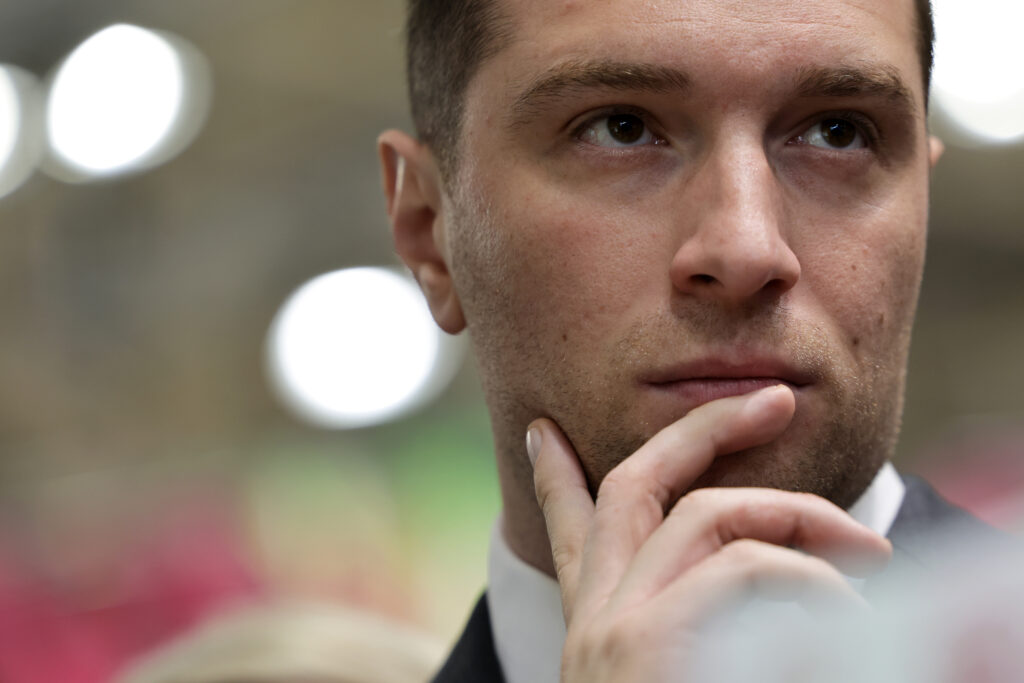
Municipales: chassé-croisé LFI et RN ce week-end à Perpignan
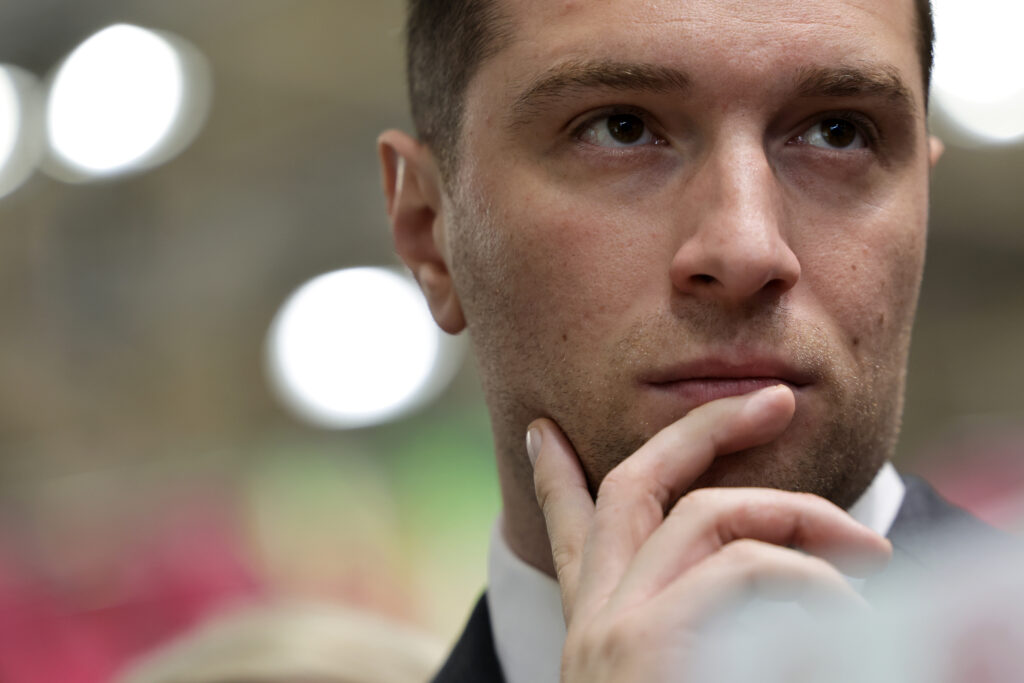
A deux semaines du premier tour des municipales, mêlée ouverte à Perpignan. Jordan Bardella sera en meeting samedi dans cette ville vitrine du RN en soutien au maire Louis Aliot, suivi le lendemain par Jean-Luc Mélenchon qui veut faire de son rendez-vous une “riposte antifasciste”.La primeur au sortant pour ce choc, en décalé, des poids lourds. Le président du RN, Jordan Bardella, sera aux côtés de Louis Aliot, qui gère la plus grande ville remportée par le parti d’extrême droite en France, au Parc des Expositions samedi à 17H00. “Pendant longtemps, on nous remettait souvent sur la table la très mauvaise expérience de Toulon, Vitrolles et Marignane (gagnées par le FN en 1995, ndlr). Puis finalement, en 2014 on a remporté une dizaine de villes, les maires ont été réélus”, retrace Louis Aliot. “La gestion est plutôt très bien acceptée par la population, même si évidemment elle est critiquée, mais ça fait partie du jeu démocratique”, ajoute celui qui a été lui-même élu en 2020 avec 53,1% des voix. Si elle a lieu, sa réélection est cependant hypothéquée par la décision de la cour d’appel le 7 juillet, qui pourrait le contraindre à démissionner s’il était condamné dans l’affaire des assistants des eurodéputés du FN. Le meeting de Jean-Luc Mélenchon en soutien au candidat LFI à Perpignan, Mickaël Idrac, avait été organisé avant celui de Jordan Bardella et était initialement prévu le samedi également, dans une plus petite salle. Les Insoumis avaient alors demandé à faire leur démonstration de force également au Parc des Expositions. Ce qui leur a été finalement accordé, mais le dimanche.”On a demandé une salle plus grande (…) on nous a dit non. Qui c’est qui nous a dit non? Les propriétaires. Qui c’est les propriétaires? La ville”, a dénoncé Jean-Luc Mélenchon au début de la semaine. Les Insoumis veulent faire de ce meeting une “riposte antifasciste” après avoir réuni 2.000 personnes à Lyon jeudi. Un rassemblement qui a accouché d’une nouvelle polémique pour M. Mélenchon, accusé d’antisémitisme après avoir ironisé sur la prononciation du nom du délinquant sexuel américain, Jeffrey Epstein.”Un peu comme Doriot, Monsieur Mélenchon il a commencé à gauche (..) et il finit aujourd’hui dans des relents fascistes”, a affirmé vendredi Jordan Bardella sur LCI en référence à Jacques Doriot, issu du Parti communiste avant de devenir une figure majeure de la collaboration sous l’Occupation nazie.De nombreux cadres LFI, comme Manuel Bompard, Clémence Guetté et Paul Vannier sont attendus et des militants de toute la France sont incités à se rendre dans la préfecture des Pyrénées-Orientales.- Le Pen à Toulon -Déjà sous le feu des critiques depuis la mort du militant nationaliste Quentin Deranque, une affaire dans laquelle des membres de la Jeune Garde, organisation antifasciste liée à LFI, sont impliqués, les Insoumis ciblent “une clique d’irresponsables qui tente de criminaliser l’antifascisme”.Pas de quoi affoler le Rassemblement national, où on veut afficher de la sérénité avant ce chassé-croisé dans la cité catalane. “Bon courage à eux pour une campagne face à un candidat comme Louis Aliot”, avance un cadre du parti à la flamme.L’offensive du RN sur le bassin méditerranéen ne se limite pas à Perpignan samedi.Marine Le Pen s’est rendue dans la matinée à Toulon en soutien de la députée RN Laure Lavalette, favorite pour emporter la mairie. Elle y a défendu “l’alternance” qui “n’est pas seulement un combat présidentiel, c’est aussi un combat municipal, départemental, régional…””C’est partout qu’il faut changer les priorités de notre pays, afin que les Français puissent vivre dans des villes propres, sûres, où on peut travailler, où on n’est pas écrasé d’impôts, où on trouve des services publics”, a-t-elle argumenté en marge d’une réunion publique qui a rassemblé environ 200 partisans dans un bar de quartier.Paradoxalement, Laure Lavalette, qui siège toujours au bureau national du RN, présente une liste qu’elle dit “sans étiquette”, comprenant plusieurs personnalités locales, entre un ancien policier de la BAC Nord de Marseille, un “DJ international” ou encore Miss Var 2025.Après une descente du mont Faron samedi matin en téléphérique, la présidente des députés RN participera dans l’après-midi à une réunion sur le thème de la sécurité à La Valette-du-Var, puis clôturera sa journée avec une conférence de presse dans la ville de La Garde, en soutien à Nicolas Salsou, ex-LR investi par le RN.
Municipales: chassé-croisé LFI et RN ce week-end à Perpignan
A deux semaines du premier tour des municipales, mêlée ouverte à Perpignan. Jordan Bardella sera en meeting samedi dans cette ville vitrine du RN en soutien au maire Louis Aliot, suivi le lendemain par Jean-Luc Mélenchon qui veut faire de son rendez-vous une “riposte antifasciste”.La primeur au sortant pour ce choc, en décalé, des poids lourds. Le président du RN, Jordan Bardella, sera aux côtés de Louis Aliot, qui gère la plus grande ville remportée par le parti d’extrême droite en France, au Parc des Expositions samedi à 17H00. “Pendant longtemps, on nous remettait souvent sur la table la très mauvaise expérience de Toulon, Vitrolles et Marignane (gagnées par le FN en 1995, ndlr). Puis finalement, en 2014 on a remporté une dizaine de villes, les maires ont été réélus”, retrace Louis Aliot. “La gestion est plutôt très bien acceptée par la population, même si évidemment elle est critiquée, mais ça fait partie du jeu démocratique”, ajoute celui qui a été lui-même élu en 2020 avec 53,1% des voix. Si elle a lieu, sa réélection est cependant hypothéquée par la décision de la cour d’appel le 7 juillet, qui pourrait le contraindre à démissionner s’il était condamné dans l’affaire des assistants des eurodéputés du FN. Le meeting de Jean-Luc Mélenchon en soutien au candidat LFI à Perpignan, Mickaël Idrac, avait été organisé avant celui de Jordan Bardella et était initialement prévu le samedi également, dans une plus petite salle. Les Insoumis avaient alors demandé à faire leur démonstration de force également au Parc des Expositions. Ce qui leur a été finalement accordé, mais le dimanche.”On a demandé une salle plus grande (…) on nous a dit non. Qui c’est qui nous a dit non? Les propriétaires. Qui c’est les propriétaires? La ville”, a dénoncé Jean-Luc Mélenchon au début de la semaine. Les Insoumis veulent faire de ce meeting une “riposte antifasciste” après avoir réuni 2.000 personnes à Lyon jeudi. Un rassemblement qui a accouché d’une nouvelle polémique pour M. Mélenchon, accusé d’antisémitisme après avoir ironisé sur la prononciation du nom du délinquant sexuel américain, Jeffrey Epstein.”Un peu comme Doriot, Monsieur Mélenchon il a commencé à gauche (..) et il finit aujourd’hui dans des relents fascistes”, a affirmé vendredi Jordan Bardella sur LCI en référence à Jacques Doriot, issu du Parti communiste avant de devenir une figure majeure de la collaboration sous l’Occupation nazie.De nombreux cadres LFI, comme Manuel Bompard, Clémence Guetté et Paul Vannier sont attendus et des militants de toute la France sont incités à se rendre dans la préfecture des Pyrénées-Orientales.- Le Pen à Toulon -Déjà sous le feu des critiques depuis la mort du militant nationaliste Quentin Deranque, une affaire dans laquelle des membres de la Jeune Garde, organisation antifasciste liée à LFI, sont impliqués, les Insoumis ciblent “une clique d’irresponsables qui tente de criminaliser l’antifascisme”.Pas de quoi affoler le Rassemblement national, où on veut afficher de la sérénité avant ce chassé-croisé dans la cité catalane. “Bon courage à eux pour une campagne face à un candidat comme Louis Aliot”, avance un cadre du parti à la flamme.L’offensive du RN sur le bassin méditerranéen ne se limite pas à Perpignan samedi.Marine Le Pen s’est rendue dans la matinée à Toulon en soutien de la députée RN Laure Lavalette, favorite pour emporter la mairie. Elle y a défendu “l’alternance” qui “n’est pas seulement un combat présidentiel, c’est aussi un combat municipal, départemental, régional…””C’est partout qu’il faut changer les priorités de notre pays, afin que les Français puissent vivre dans des villes propres, sûres, où on peut travailler, où on n’est pas écrasé d’impôts, où on trouve des services publics”, a-t-elle argumenté en marge d’une réunion publique qui a rassemblé environ 200 partisans dans un bar de quartier.Paradoxalement, Laure Lavalette, qui siège toujours au bureau national du RN, présente une liste qu’elle dit “sans étiquette”, comprenant plusieurs personnalités locales, entre un ancien policier de la BAC Nord de Marseille, un “DJ international” ou encore Miss Var 2025.Après une descente du mont Faron samedi matin en téléphérique, la présidente des députés RN participera dans l’après-midi à une réunion sur le thème de la sécurité à La Valette-du-Var, puis clôturera sa journée avec une conférence de presse dans la ville de La Garde, en soutien à Nicolas Salsou, ex-LR investi par le RN.