Trump order targets ‘improper ideology’ at famed US museums

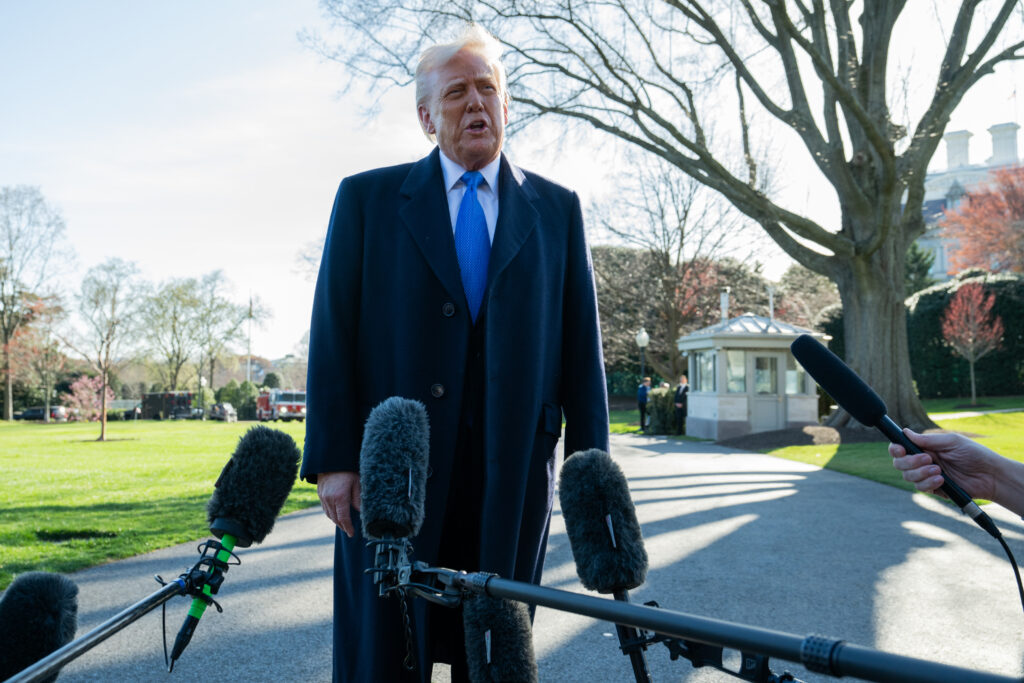
US President Donald Trump signed an executive order Thursday to remove “improper ideology” from the famed Smithsonian Museums — and the National Zoo — expanding his conservative clampdown on cultural institutions.Trump, who has sought to root out what he called “woke” culture since returning to power in January, accused the Smithsonian of trying to rewrite American history on issues of race and gender.His order puts hardline Vice President JD Vance in charge of efforts to carry out the order at the Smithsonian’s museums, educations and research centers.Trump said this should include a drive to “remove improper ideology from such properties.”The Smithsonian operates 21 internationally renowned museums and galleries, mainly in and around Washington, dedicated to art, science, space and American history.They include the National Zoo in the US capital, which recently welcomed two giant pandas from China, debuting them to the public just days after Trump’s inauguration for a second term.The presidential order — titled “Restoring Truth and Sanity to American History” — targeted a number of examples of what it also called “corrosive ideology.”It said the National Museum of African American History and Culture, one of the newest Smithsonian additions, had described hard work and the nuclear family as “aspects of ‘White Culture.'”Trump also targeted what he said was a plan by the as-yet-unopened American Women’s history museum for “celebrating the exploits of male athletes participating in women’s sports.”There was no immediate reaction from the Smithsonian.- ‘Safe and beautiful’ -The Smithsonian Institute was founded in the mid-19th century with a donation from a deceased and childless British chemist, James Smithson, who asked in his will for his wealth to be used to create an educational institution in the then-young United States — a country he had never set foot in.Trump’s wide-ranging 21st century effort to reshape the US government has increasingly extended to cultural issues, where he is seeking to stamp his conservative mark.The 78-year-old Republican recently took over the chairmanship of the Kennedy Center in Washington, a famed arts venue, after complaining that it was too liberal.The president has also eyed reforms in governance of the US capital city, which he has repeatedly complained of having high crime and unsightly nuisances such as graffiti.In a separate order on Thursday titled “Making the District of Columbia Safe and Beautiful,” Trump directed the creation of an inter-agency task force to increase immigration enforcement and other law enforcement priorities.It also calls for the development of a “coordinated beautification plan” for the city.”We will take over our horribly run Washington, DC, and clean up, renovate, and rebuild our capital so that it is no longer a nightmare of murder and crime,” Trump said on the campaign trail last year — a message reposted Thursday on X by the White House.Washington’s approximately 700,000 residents are overwhelmingly Democrats, with the party’s candidate Kamala Harris winning over 90 percent of the vote last November.The city has a unique status in the country as it is not a part of any state. It has no voting representation in Congress — despite having a population larger than two states.Though the city now runs its own affairs, Congress — currently controlled by Republicans — retains the ability to take back control, something Trump has repeatedly threatened to do.With that backdrop, city authorities have sought to develop a conciliatory relationship with the president, quickly fulfilling his requests, such as removing some homeless encampments and a “Black Lives Matter” mural.

Trump administration expands university DEI probes to California

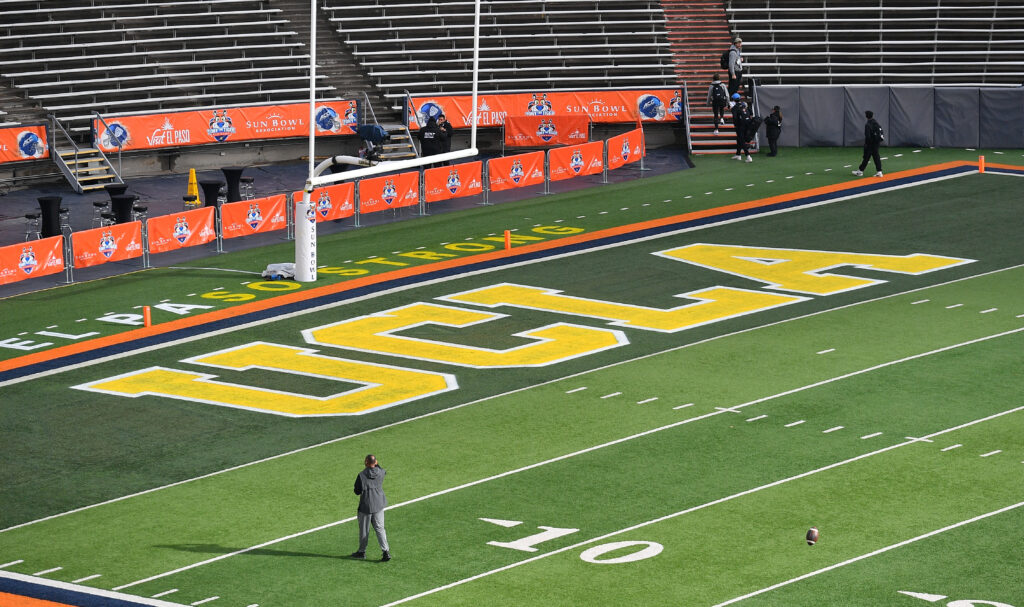
President Donald Trump’s administration said Thursday it will investigate admissions practices at some of California’s top universities, broadening a campaign against elite educational institutions.US Attorney General Pam Bondi said she had ordered probes into how students are admitted to the private Stanford University, as well as to three of the most prestigious campuses of the University of California system — Berkeley, UCLA and UC Irvine.”President Trump and I are dedicated to ending illegal discrimination and restoring merit-based opportunity across the country,” Bondi said in a statement.”Every student in America deserves to be judged solely based on their hard work, intellect, and character, not the color of their skin.”A spokesperson for the University of California said the institutions have not considered race in admissions since it was outlawed in the state by a 1996 ballot measure, but clarified school applications gather race and ethnicity data “for statistical purposes only.””This information is  not shared with application reviewers  and is not used for admissions,” the spokesperson added.A Stanford spokesperson said in a statement that the private university “immediately took steps to ensure compliance in our admissions processes” after the US Supreme Court eliminated race-based affirmative action in 2023.Conservatives have long griped that America’s foremost universities make it easier for ethnic minority students to attend.They say the insistence on the notion of “diversity, equity and inclusion,” or DEI, is damaging and unfair to otherwise well-qualified candidates.Bondi’s announcement comes with elite institutions across the country on the back foot.This month Trump’s administration revoked $400 million of funding from New York’s Columbia University, claiming school officials had not sufficiently protected Jewish students during last year’s campus protests against Israel’s war in Gaza.On Friday Columbia announced a package of concessions around defining anti-Semitism, policing protests and oversight for specific academic departments in a bid to head off the funding squeeze.A number of students at various colleges around the country have also been targeted for deportation, in what the government’s critics say is part of a broader campaign to silence dissent at America’s fractious universities and bring the left-leaning sector to heel.

‘My entire life’: Saudi tailor keeps robe-making craft alive

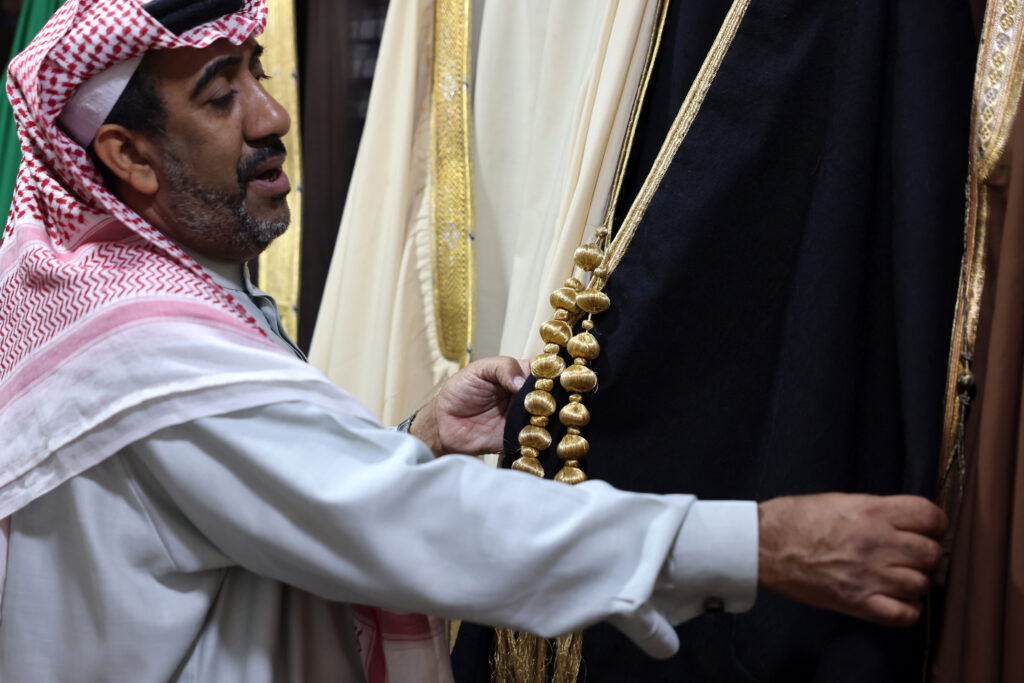
Saudi tailor Habib Mohammed’s shop once made ornate, hand-woven cloaks for royals, a time-honoured craft he is determined to preserve even as mass-produced garments flood the market, threatening his traditional business.He makes “bisht”, a long gown which for centuries has been a status symbol, worn by kings and princes — and ordinary men — and could take a week of meticulous work to create.Now, with cheap Chinese-made robes taking a bite out of his business, the 60-year-old tailor is struggling to make a profit, and his only son wouldn’t take over the beleaguered shop.But Mohammed refuses to let the ancient craft die, searching for ways to hand down his knowledge.”We’ve started training here at the shop and at home,” he told AFP in his windowless atelier in the oasis city of Hofuf, with bishts hanging all around.”I am teaching my grandchildren, be they girls or boys.”In Mohammed’s native Al-Ahsa governorate, it was “considered shameful for a man to go to a funeral or a market, or make a visit to anyone anywhere without wearing the bisht”, he said.The bisht came to global attention in 2022 when Qatar’s emir draped one over football star Lionel Messi after the World Cup final.Although Arabs across the Gulf still sometimes wear traditional garb, especially in formal settings, factory-made clothing has replaced tailor services in the oil-rich countries of the region.- Robe ‘recession’ -At his workshop, Mohammed watched over his granddaughter Fajr, nine, and grandson Ghassan, 10, as they embroidered delicate gowns.For the veteran craftsman, who learned to weave when he was only five, this is “my entire life”.”I came into this world… seeing only bishts around me,” said Mohammed, wearing the Saudi national dress of white thobe robe and chequered red-and-white headdress.”I was born in (my father’s) tailor shop and grew up watching my mother sew. I saw my brothers and cousins work with my father in the tailor shop,” he added with pride.His wife was also a bisht seamstress, he said, skilled at collar embroidery.But his modest shop in an artisans’ market in Hofuf has fallen on hard times.”A sort of recession has taken hold,” he said.A high-quality bisht could once have fetched up to 6,000 riyals ($1,600), but machine-made cloaks sell for just a fraction of that price, Mohammed said.”Pieces I would make for 1,500 riyals now go for 150 riyals. It’s not enough to make a living.”- ‘Didn’t give up’ -Mohammed refuses to let the tradition die out, and he is far from alone.A bisht revival is taking shape in Saudi Arabia even as it opens up to the world, attracting tourists and foreign businesses.Last year, the kingdom ordered ministers and other senior officials to wear a bisht when entering or leaving the workplace or attending formal events.Saudi Arabia has named 2025 the Year of Handicrafts, when it will promote and support 10 crafts including bisht-weaving.And Gulf countries are trying to include the bisht on the UNESCO list of intangible cultural heritage in a bid to preserve the craft.Some of the bishts hanging on the walls of Mohammed’s workshop are at least a century old, he said, proudly presenting a brown robe made from sheep’s wool.”Someone offered me 200,000 riyals for this, but I refused to sell it because it is as dear to me as my life. It represents my country’s history,” he said.”I want to pass them down to my children and grandchildren, and I will instruct them never to sell them,” he said, pointing to the pieces on the walls.Mohammed also gives weekly bisht tailoring lessons at a nearby institute, mostly for young people.”We didn’t give up,” he said, training the younger generation “to revive an old heritage that was disappearing”.”We will bring it to life once more,” said Mohammed.

Regulator clears Qatar Airways-Virgin Australia alliance

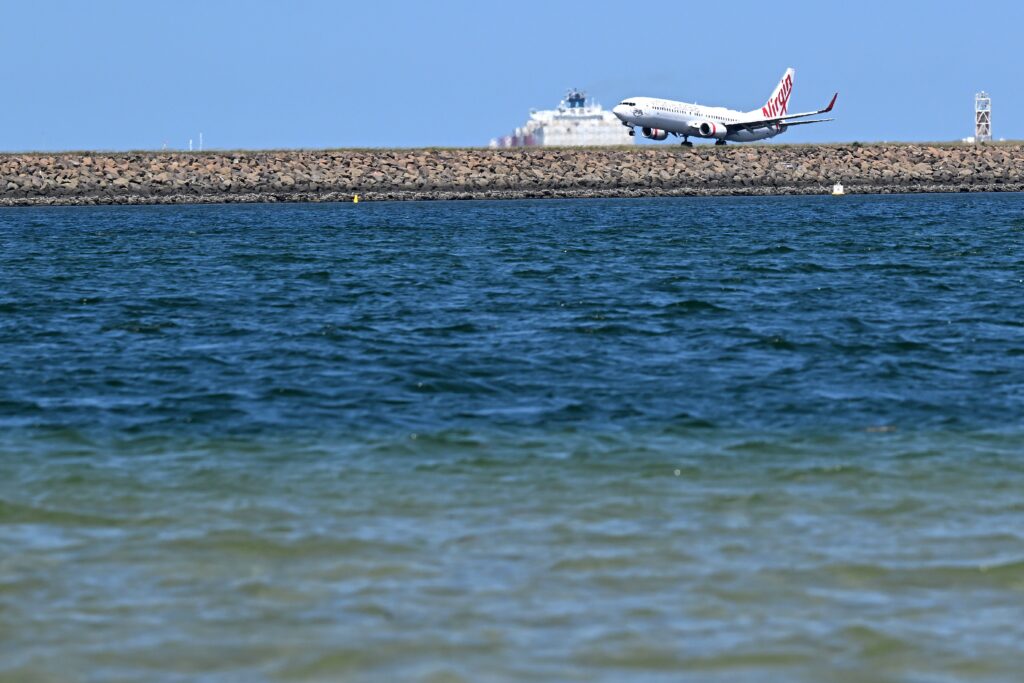
Australia’s competition regulator gave the go-ahead Friday for Qatar Airways to launch an alliance with Virgin Australia.The decision clears Qatar Airways to cooperate for five years in an “integrated alliance” with the Australian carrier, in which it will take a 25-percent stake.The pact would double flights between Doha and major Australian airports, the Australian Competition and Consumer Commission said.The boost in Australia-Middle East flights would create “minimal, if any, public detriment”, the authority’s commissioner, Anna Brakey, said in a statement.”This will likely place downward price pressure on these routes and will also give customers of Virgin Australia and Qatar Airways a greater choice of international flights with additional connectivity and loyalty program benefits,” she said.Under the pact, Qatar Airways and Virgin Australia plan to launch 28 new weekly services between Doha and the Australian cities of Sydney, Melbourne, Brisbane and Perth.The competition regulator’s decision was widely expected after it issued a draft determination in February proposing to grant authorisation.The two airlines, along with Virgin owner Bain Capital, announced the long-rumoured alliance proposal in October last year. The new flights are expected to stoke competition on expensive long-haul routes long dominated by Qantas.Qantas — along with its low-cost brand Jetstar — has a more than 60 percent share of the Australian market and boasts strong political clout.Virgin Australia started bankruptcy proceedings in 2020, laying off hundreds of staff as the Covid-19 outbreak grounded international flights. US private equity giant Bain Capital came to the airline’s rescue after the Australian government refused to bail out the majority foreign-owned company. Qatar Airways has been looking to increase its foothold in the Australian market.In 2023, Qatar launched a bid to put on 21 extra international flights to and from Australia each week. But the Australian government snubbed that request, citing a 2020 strip search scandal at Doha Airport as a “factor”. Women were pulled off 10 Qatar Airways flights at Doha Airport and forced to take invasive gynaecological exams after a baby was abandoned in an airport bathroom. Three Australian women lodged legal action against Qatar Airways following the ordeal, although the case was eventually dismissed. 

Regulator clears Qatar Airways-Virgin Australia alliance

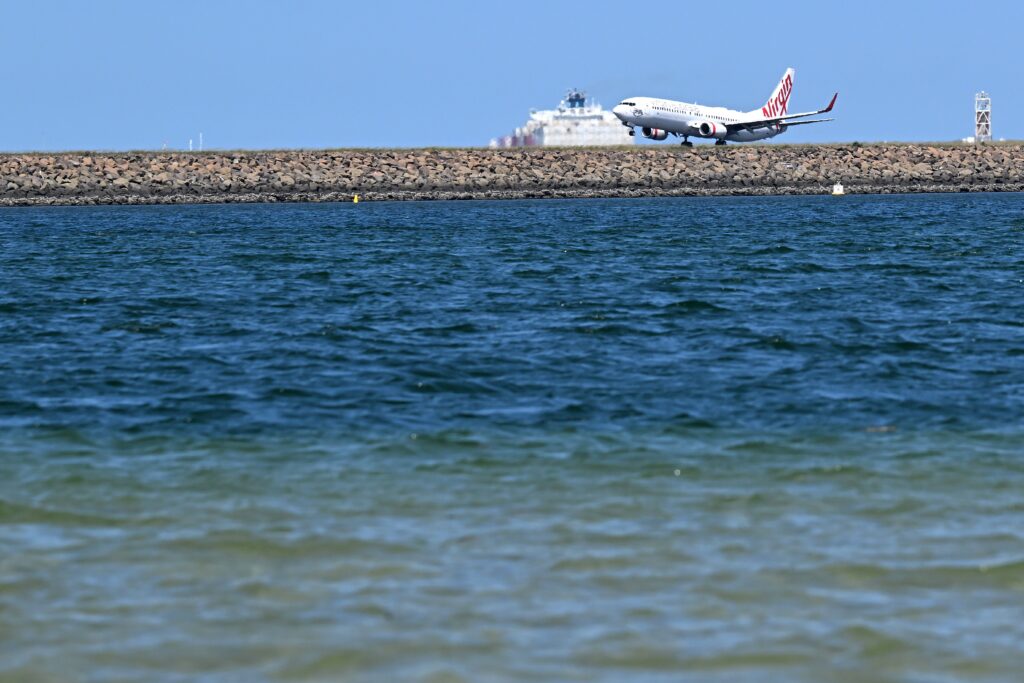
Australia’s competition regulator gave the go-ahead Friday for Qatar Airways to launch an alliance with Virgin Australia.The decision clears Qatar Airways to cooperate for five years in an “integrated alliance” with the Australian carrier, in which it will take a 25-percent stake.The pact would double flights between Doha and major Australian airports, the Australian Competition and Consumer Commission said.The boost in Australia-Middle East flights would create “minimal, if any, public detriment”, the authority’s commissioner, Anna Brakey, said in a statement.”This will likely place downward price pressure on these routes and will also give customers of Virgin Australia and Qatar Airways a greater choice of international flights with additional connectivity and loyalty program benefits,” she said.Under the pact, Qatar Airways and Virgin Australia plan to launch 28 new weekly services between Doha and the Australian cities of Sydney, Melbourne, Brisbane and Perth.The competition regulator’s decision was widely expected after it issued a draft determination in February proposing to grant authorisation.The two airlines, along with Virgin owner Bain Capital, announced the long-rumoured alliance proposal in October last year. The new flights are expected to stoke competition on expensive long-haul routes long dominated by Qantas.Qantas — along with its low-cost brand Jetstar — has a more than 60 percent share of the Australian market and boasts strong political clout.Virgin Australia started bankruptcy proceedings in 2020, laying off hundreds of staff as the Covid-19 outbreak grounded international flights. US private equity giant Bain Capital came to the airline’s rescue after the Australian government refused to bail out the majority foreign-owned company. Qatar Airways has been looking to increase its foothold in the Australian market.In 2023, Qatar launched a bid to put on 21 extra international flights to and from Australia each week. But the Australian government snubbed that request, citing a 2020 strip search scandal at Doha Airport as a “factor”. Women were pulled off 10 Qatar Airways flights at Doha Airport and forced to take invasive gynaecological exams after a baby was abandoned in an airport bathroom. Three Australian women lodged legal action against Qatar Airways following the ordeal, although the case was eventually dismissed. 

Copyright questions loom as ChatGPT’s Ghibli-style images go viral

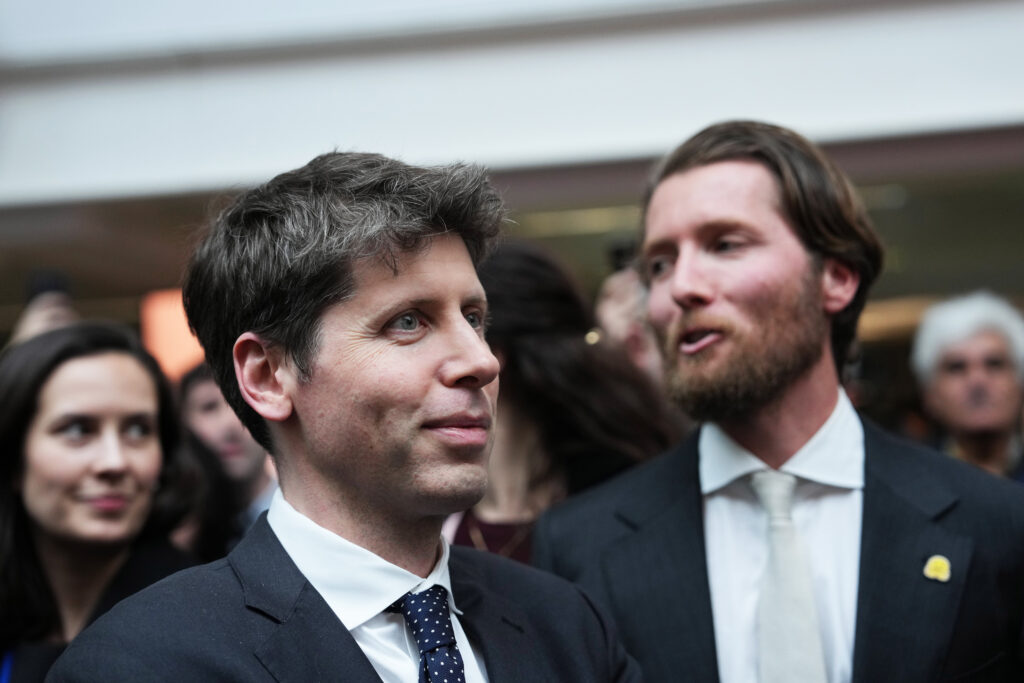
The release of the latest image generator on OpenAI’s ChatGPT has triggered a flood of online memes featuring images done in the style of Studio Ghibli, the Japanese studio behind classic animated films like “My Neighbor Totoro” and “Princess Mononoke.”The virality of these images, with OpenAI CEO Sam Altman even changing his profile picture on X to match the style, immediately raised questions about copyright infringement by the ChatGPT maker, which already faces lawsuits regarding the use of source material without permission.Since the release on Wednesday, AI-generated images depicting Studio Ghibli versions of Elon Musk with US President Donald Trump, “The Lord of the Rings,” and even a recreation of the September 11 attacks have gone viral across online platforms.On Thursday, the White House took part by posting on X a Ghibli-style image of a weeping alleged felon being handcuffed by a US immigration officer before her deportation.Originally intended to be available on the platform for free, Altman said the huge success of the new generator was unexpected and meant the tool would remain limited to paid users for now.It was already possible to generate images with ChatGPT, but the latest version is powered by GPT-4o, the company’s highest-performing model, and allows sophisticated results to be obtained through very succinct requests, which was not the case before.After the viral trend, a video from 2016 resurfaced in which Studio Ghibli’s legendary director Hayao Miyazaki is seen lashing out during an AI demonstration by staff.”I would never wish to incorporate this technology into my work at all. I strongly feel that this is an insult to life itself,” an English translation of his remarks said in the video.The trend “is especially insidious and malicious because of how outspokenly scathing Miyazaki has been toward the tech,” wrote artist and illustrator Jayd “Chira” Ait-Kaci on Bluesky.”It’s always about contempt for artists, every time,” Ait-Kaci added.OpenAI is facing a barrage of lawsuits over copyright infringements, including one major case with the New York Times and others from artists, musicians and publishers.Asked by AFP about the latest viral trend, and whether it threatened Studio Ghibli’s intellectual property, OpenAI said the company is still fine-tuning its model.”Our goal is to give users as much creative freedom as possible,” a company spokesperson told AFP. “We continue to prevent generations in the style of individual living artists, but we do permit broader studio styles, which people have used to generate and share some truly delightful and inspired original fan creations,” she added. “We’re always learning from real-world use and feedback, and we’ll keep refining our policies as we go.”The company is aggressively lobbying the White House and Congress to make the use of copyrighted content by AI companies part of the fair use doctrine.Fair use allowances already apply to search engines or in the case of satire and memes online, and allow companies to freely use copyrighted material without permission.Bloomberg reported on Wednesday that OpenAI is close to finalizing a $40 billion funding round led by Japan’s SoftBank Group that would be the biggest funding round ever for a startup.OpenAI has projected its annual revenue could exceed $12.7 billion in 2025, up from $3.7 billion generated in 2024.

Chili: des pêcheurs tentent de bloquer le principal port du pays

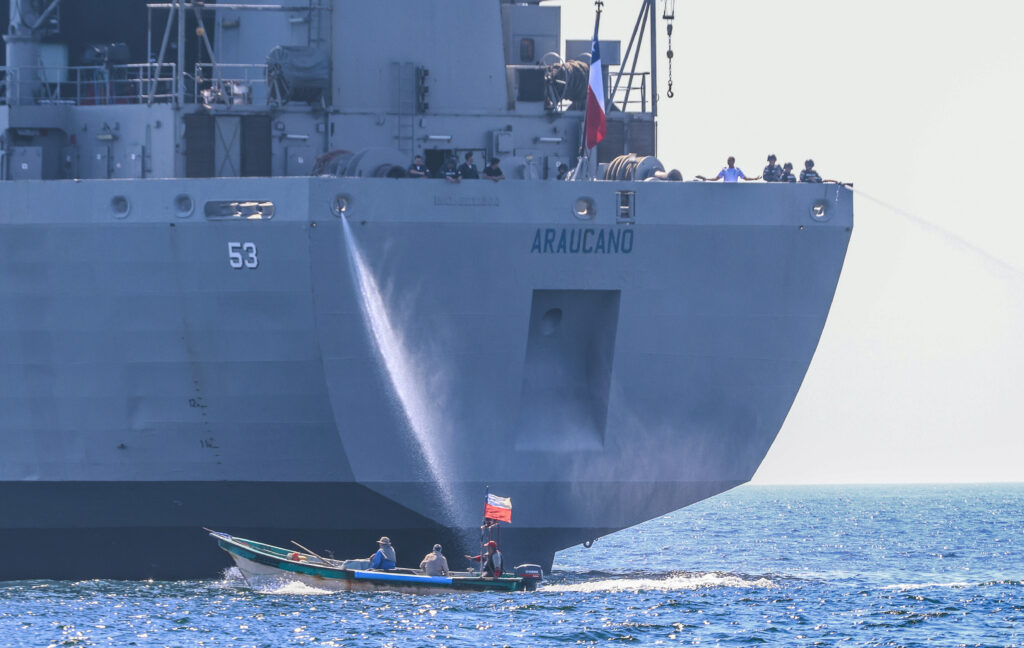
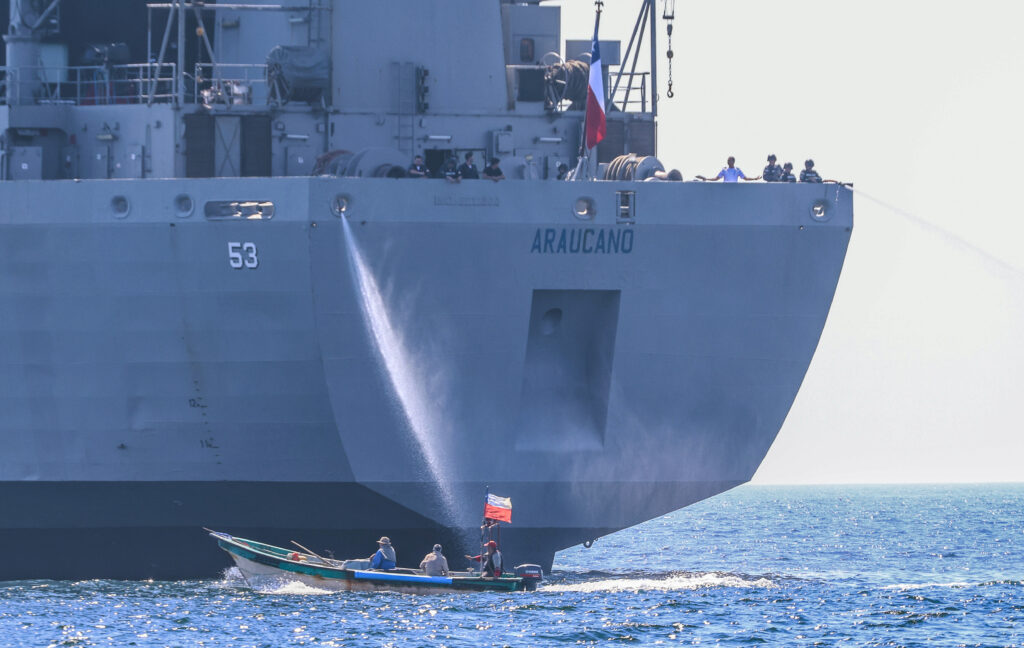
Des pêcheurs artisanaux ont tenté jeudi de perturber les opérations portuaires au Chili, au troisième jour d’une manifestation pour réclamer l’augmentation de leurs quotas de pêche, ont indiqué les autorités.Les manifestations, qui ont fait depuis mardi une vingtaine de blessés, pour la plupart des policiers, et autant d’arrestations, se sont poursuivies jeudi dans le port de San Antonio, où transite la plus grande partie du fret du pays.Des manifestations ont également eu lieu dans les ports de Valparaiso et de Quinteros, aussi situés sur la côte centrale du Chili, à environ 120 km de Santiago.Les pêcheurs artisanaux réclament l’approbation “immédiate” par le Parlement d’un projet de loi visant à augmenter leur quota de pêche et à réduire celui des pêcheurs industriels. La loi, présentée en septembre 2024 par le gouvernement du président Gabriel Boric, a été approuvée par la Chambre des députés et est en cours d’examen par la commission des finances du Sénat.”Les manifestants ont tenté d’empêcher le passage de navires (…) dans le but de bloquer les opérations portuaires”, a déclaré la marine chilienne dans un communiqué.La marine a utilisé l’un de ses navires pour asperger d’eau une embarcation avec trois pêcheurs portant le drapeau chilien, a constaté l’AFP sur place.En outre, des troupes ont été mobilisées sur des bateaux rapides pour repousser les manifestants. Quatre personnes ont été arrêtées, a indiqué la marine dans un communiqué.Aucune autorité n’a signalé de suspension des activités portuaires.Le président de la fédération de la région de Valparaiso, Miguel Angel Hernandez, a déclaré à l’AFP qu’un de ses collègues avait été blessé par des projectiles tirés par la marine.Il a également affirmé qu’une centaine d’embarcations avaient tenté de bloquer “le passage des navires industriels” à San Antonio. Mercredi, des affrontements avec la police dans plusieurs régions du pays ont fait quinze blessés parmi les policiers et un parmi les manifestants. Un véhicule des forces de l’ordre a été incendié dans la région de Maule (sud), lors de manifestations particulièrement violentes. 

Chili: des pêcheurs tentent de bloquer le principal port du pays

Des pêcheurs artisanaux ont tenté jeudi de perturber les opérations portuaires au Chili, au troisième jour d’une manifestation pour réclamer l’augmentation de leurs quotas de pêche, ont indiqué les autorités.Les manifestations, qui ont fait depuis mardi une vingtaine de blessés, pour la plupart des policiers, et autant d’arrestations, se sont poursuivies jeudi dans le port de San Antonio, où transite la plus grande partie du fret du pays.Des manifestations ont également eu lieu dans les ports de Valparaiso et de Quinteros, aussi situés sur la côte centrale du Chili, à environ 120 km de Santiago.Les pêcheurs artisanaux réclament l’approbation “immédiate” par le Parlement d’un projet de loi visant à augmenter leur quota de pêche et à réduire celui des pêcheurs industriels. La loi, présentée en septembre 2024 par le gouvernement du président Gabriel Boric, a été approuvée par la Chambre des députés et est en cours d’examen par la commission des finances du Sénat.”Les manifestants ont tenté d’empêcher le passage de navires (…) dans le but de bloquer les opérations portuaires”, a déclaré la marine chilienne dans un communiqué.La marine a utilisé l’un de ses navires pour asperger d’eau une embarcation avec trois pêcheurs portant le drapeau chilien, a constaté l’AFP sur place.En outre, des troupes ont été mobilisées sur des bateaux rapides pour repousser les manifestants. Quatre personnes ont été arrêtées, a indiqué la marine dans un communiqué.Aucune autorité n’a signalé de suspension des activités portuaires.Le président de la fédération de la région de Valparaiso, Miguel Angel Hernandez, a déclaré à l’AFP qu’un de ses collègues avait été blessé par des projectiles tirés par la marine.Il a également affirmé qu’une centaine d’embarcations avaient tenté de bloquer “le passage des navires industriels” à San Antonio. Mercredi, des affrontements avec la police dans plusieurs régions du pays ont fait quinze blessés parmi les policiers et un parmi les manifestants. Un véhicule des forces de l’ordre a été incendié dans la région de Maule (sud), lors de manifestations particulièrement violentes.