George Clooney, sa femme et leurs enfants obtiennent la nationalité française

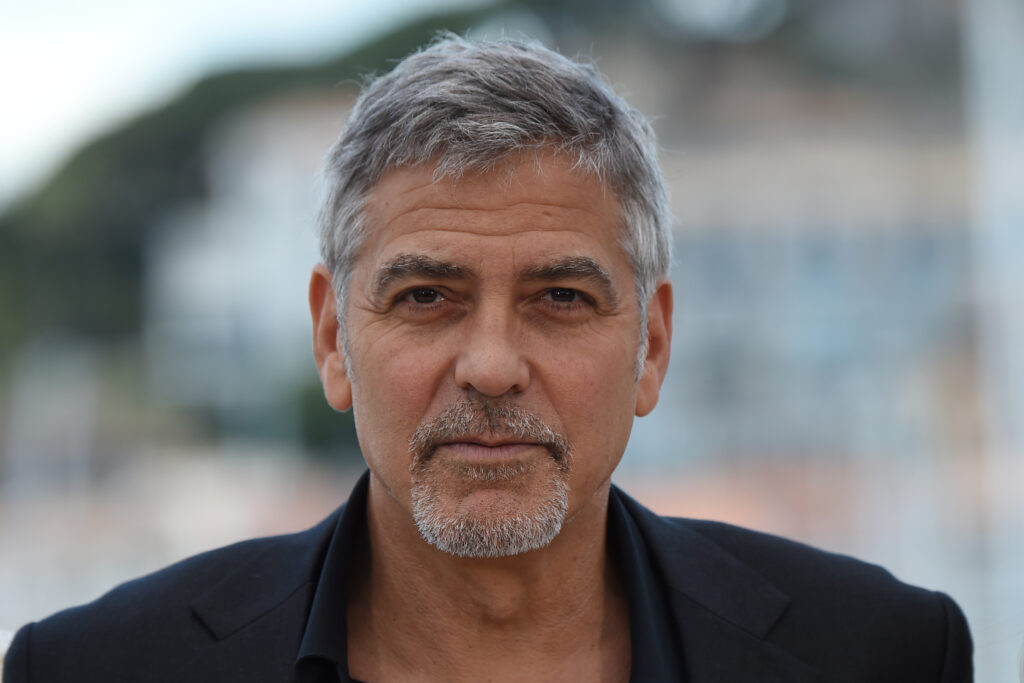
L’acteur américain George Clooney, son épouse Amal Alamuddin Clooney et leurs deux enfants ont obtenu la nationalité française, selon un décret de naturalisation publié samedi au Journal officiel et consulté lundi par l’AFP.Révélé par Paris Match, ce décret concerne le couple star et leurs jumeaux âgés de huit ans.Loin d’Hollywood, l’acteur aux rôles emblématiques, dans la série “Urgences” et les films “Ocean’s” notamment, et sa femme libano-britannique, avocate de profession, passent une partie de leur vie en France.”J’aime la culture française, votre langue, même si je suis toujours aussi mauvais après 400 jours de cours”, avait confié l’acteur et réalisateur de 64 ans sur RTL, début décembre.Le couple avait acquis en 2021 une bastide provençale et un vignoble à Brignoles, une commune du Var.”Ici, on ne prend pas de photos de vos gamins. Il n’y a pas de paparazzis planqués à la sortie de l’école. C’est primordial pour nous”, avait-il ajouté à ce même micro.Même si la famille Clooney ne passe pas tout son temps dans le sud de la France, ce domaine est “l’endroit le plus heureux pour nous”, avait assuré l’acteur, oscarisé pour Syriana (2005).De son côté, son compatriote le réalisateur Jim Jarmusch a annoncé vendredi sur France Inter son intention de faire une demande pour obtenir la nationalité française. “Je voudrais avoir un autre endroit où je puisse m’évader des États-Unis”, a-t-il déclaré, en expliquant son attrait pour “la culture française”.
Birmanie: le parti pro-militaire revendique la victoire après la première phase des législatives

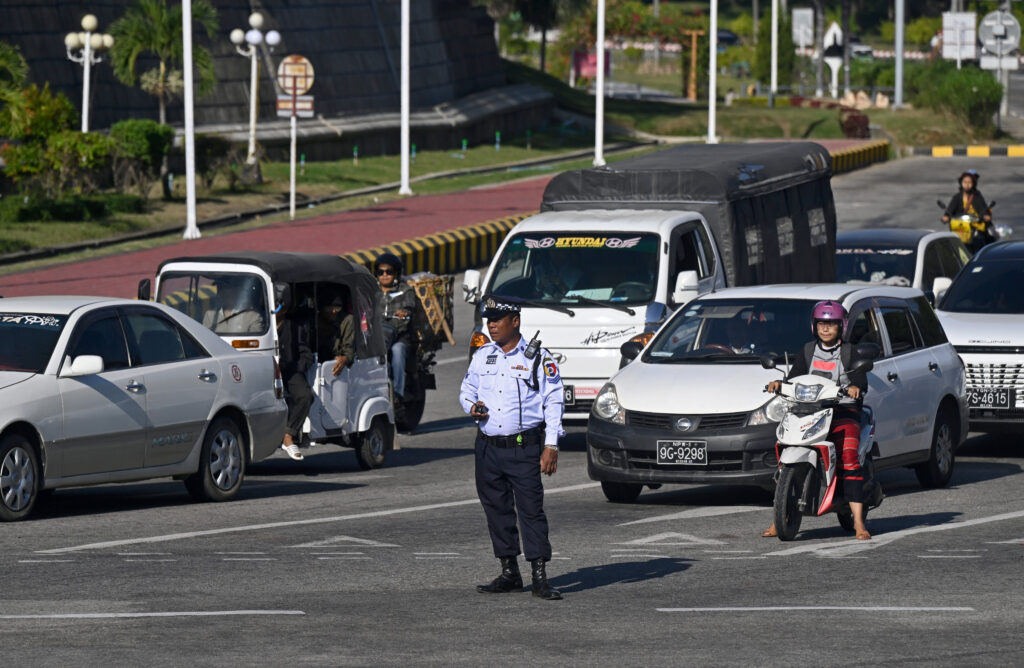
Le principal parti pro-militaire en Birmanie a revendiqué lundi une victoire écrasante après la première phase des élections législatives organisées par la junte, a déclaré à l’AFP un de ses responsables.”Nous avons remporté 82 sièges à la chambre basse dans les circonscriptions où le dépouillement est terminé, sur un total de 102″, a affirmé ce cadre du Parti de l’union, de la solidarité et du développement (USDP), sous couvert de l’anonymat, n’étant pas autorisé à divulguer officiellement les résultats.Le parti a remporté les huit circonscriptions de la capitale Naypyidaw, a-t-il ajouté.Les résultats de la première phase du scrutin, organisée dimanche dans une partie seulement des circonscriptions, n’ont pas encore été communiqués par la commission électorale birmane. Deux autres phases sont prévues les 11 et 25 janvier.Après avoir pris le pouvoir lors d’un coup d’Etat en 2021, la junte présente ces élections législatives comme un retour à la démocratie, mais de nombreux pays et observateurs internationaux dénoncent une manœuvre destinée à pérenniser le régime.De nombreux analystes décrivent le parti pro-militaire comme un relais civil de l’armée, affirmant que d’anciens officiers occupent des postes de direction clés.”Il est logique que l’USDP domine”, a déclaré Morgan Michaels, chercheur à l’International Institute for Strategic Studies, selon qui “l’élection n’est pas crédible”.- “pas confiance” -“Elle était truquée à l’avance: certains partis sont interdits, certaines personnes sont empêchées de voter, ou subissent des menaces pour voter d’une certaine manière”, a-t-il indiqué à l’AFP.Vainqueur face à l’USDP lors du dernier scrutin en 2020, le parti d’Aung San Suu Kyi, dissous par l’armée après le coup d’Etat, ne figurait pas sur les bulletins de vote et la prix Nobel de la paix est emprisonnée depuis le putsch militaire, qui a déclenché une guerre civile.”Mon avis sur cette élection est clair: je n’y fais absolument pas confiance”, a réagi lundi Min Khant, un habitant de Rangoun, la plus grande ville du pays. “Nous vivons sous une dictature”, a ajouté ce jeune homme de 28 ans.”Même s’ils organisent des élections, je ne pense pas qu’il en sortira quoi que ce soit de bon, parce qu’ils mentent toujours”, a-t-il poursuivi.Le chef de la junte Min Aung Hlaing a affirmé dimanche que l’élection était “libre et équitable” après avoir voté à Naypyidaw. “Elle est organisée par l’armée, nous ne pouvons pas laisser ternir notre nom”, a-t-il lancé.La première phase du scrutin, la plus importante des trois, devait se tenir dans 102 des 330 cantons du pays, dont de larges régions sont contrôlées par des groupes rebelles. L’armée a reconnu que les élections ne pourraient pas avoir lieu dans près d’une circonscription sur cinq.Le coup d’Etat militaire a déclenché une guerre civile, des militants pro-démocratie ayant formé des unités de guérilla combattant aux côtés de milices constituées par des minorités ethniques opposées depuis longtemps au pouvoir central.

Iraq parliament elects new speaker

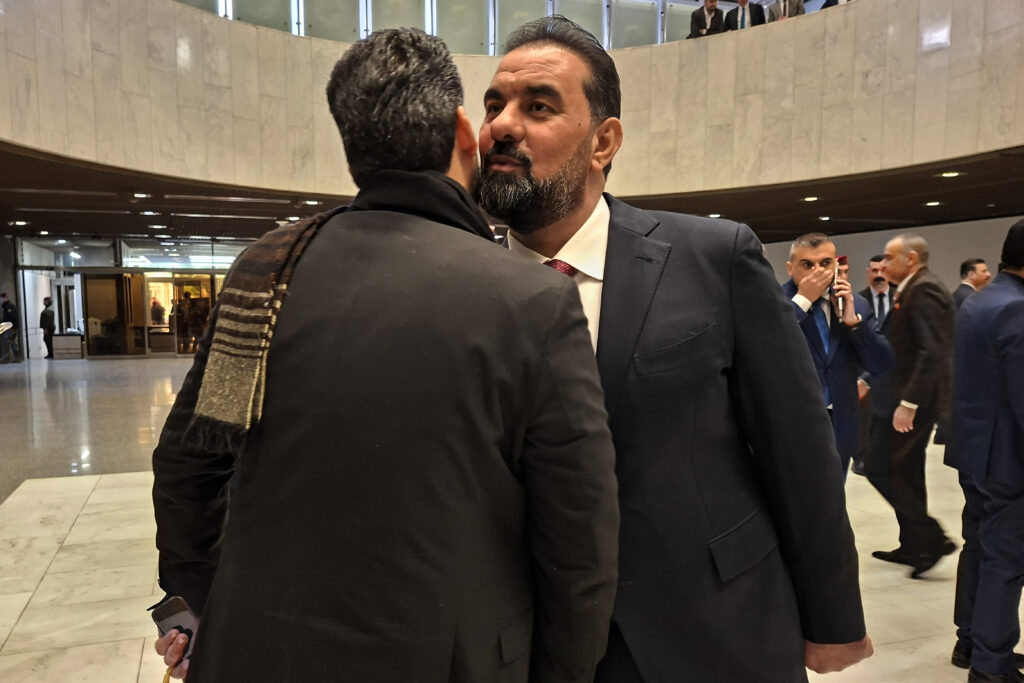
Iraq’s new parliament elected a senior figure from the Sunni Taqadom party as its speaker Monday, the first session since November elections that consolidated the main parties’ grip on power.Parliament’s media office said 309 out of 329 lawmakers took part in the inaugural session, with Haibat al-Halbussi, 45, emerging as the winner from three candidates, with 208 votes.By convention, a Shiite Muslim holds the post of prime minister, the parliament speaker is Sunni and the largely ceremonial presidency goes to a Kurd.Parliament’s oldest member, 77-year-old Amer al-Fayez, chaired parliament’s first session, as per convention. The vote for two deputy speakers, who traditionally are Shiite and Kurdish, was still under way.Halbussi has now been elected to three consecutive terms in Iraq’s parliament since 2018 and headed the oil and energy parliamentary committee during his previous two.His Taqadom (Progress) party is headed by influential former parliament speaker Mohammed al-Halbussi.It won the largest share of the Sunni vote with 27 seats, while the Sunni Al-Azm alliance (Determination), led by lawmaker and businessman Muthanna al-Samarrai, took 15.Last month, Iraq’s main Sunni political groups announced the formation of a so-called national political council with the aim of “unifying visions and decisions” after they contested the elections on separate lists.At a press conference on Sunday, the national political council announced it would support Halbussi as speaker, while Samarrai told a separate press conference that his Al-Azm alliance had nominated him, but he withdrew his candidacy on Monday.November’s election was the sixth parliamentary vote since a US-led invasion toppled dictator Saddam Hussein in 2003.Within 30 days of their first meeting, lawmakers should elect the president, who must be a Kurd and receive a two-thirds majority vote.The president then has 15 days to appoint a premier, who will be named by the largest Shiite bloc, formed through post-election alliances.Once the prime minister is chosen, he has one month to form a government and present it to parliament for a vote of confidence.But these processes are often challenging, with deadlines frequently missed because of political bickering among rival factions.

Tehran shopkeepers shut stores over economic conditions

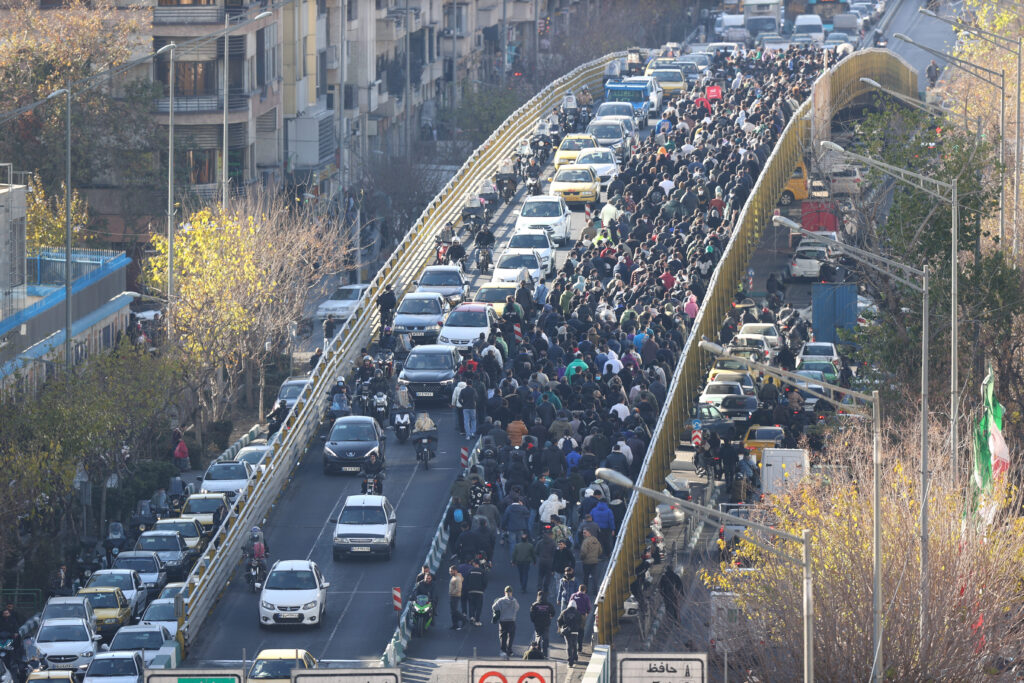
Some shopkeepers in Tehran shut their stores for the second day in a row Monday in protest against economic hardships and sharp swings in Iran’s embattled currency, media reports said.The rial has hit new lows on the unofficial market, with the US dollar trading at around 1.42 million rials on Sunday — compared to 820,000 rials a year ago — and the euro nearing 1.7 million rials, according to price monitoring websites.The rates eased somewhat on Monday, with the dollar at around 1.39 million rials, and the euro at about 1.64 million rials.A journalist from the pro-labour news agency ILNA reported “demonstrations” at several bazaars in the centre of the capital on Monday, the agency said.It said protesters “are demanding immediate government intervention to rein in exchange-rate fluctuations and set out a clear economic strategy”.Price fluctuations are paralysing the sales of some imported goods, with both sellers and buyers preferring to postpone transactions until the outlook becomes clearer, AFP correspondents noted.”Continuing to do business under these conditions has become impossible,” ILNA quoted protesters as saying.State news agency IRNA reported: “Many shopkeepers preferred to suspend sales in order to prevent potential losses.”It added that some protesters on Monday “chanted slogans”.The conservative-aligned Fars news agency released images showing a crowd of demonstrators occupying a major thoroughfare in central Tehran, known for its many shops.Another photograph appears to show tear gas being used to disperse protesters.”Minor physical clashes were reported… between some protesters and the security forces,” Fars said, warning that such gatherings could lead to instability.- Judicial warning -On Sunday, the ISNA news agency said a group of shopkeepers and mobile phone vendors at a main shopping centre in the city “protested against sharp fluctuations in the exchange rate and the damage caused to the mobile phone market” by briefly shutting up shop.On Monday, Iranian Chief Justice Gholamhossein Mohseni Ejei called for “the swift punishment of those responsible for currency fluctuations”, the justice ministry’s Mizan agency reported.The government has also announced the replacement of the central bank governor.”By decision of the president, Abdolnasser Hemmati will be appointed governor of the Central Bank,” presidency communications official Mehdi Tabatabaei posted on X.Hemmati is a former economy and finance minister who was dismissed by parliament in March because of the sharp depreciation of the rial.On Sunday, President Masoud Pezeshkian delivered the budget for the next Persian year to parliament, vowing to fight inflation and the high cost of living.Notably, the budget provides for a 20 percent increase in wages, a rate that is nonetheless well below that of inflation.In December inflation stood at 52 percent year-on-year, according to official statistics. But this figure still falls far short of many price increases, especially for basic necessities.Iran’s economy, already battered by decades of Western sanctions, was further strained after the United Nations in late September reinstated international sanctions linked to the country’s nuclear programme that were lifted 10 years ago.Western powers and Israel accuse Iran of seeking to acquire nuclear weapons, a charge Tehran denies.Negotiations with the United States on the issue are at a standstill, and uncertainty stemming from 12 days of war in June against Israel is also affecting the economic outlook.Pezeshkian in an interview published on Saturday accused the United States, Israel and Europeans of waging “total war” against Iran.