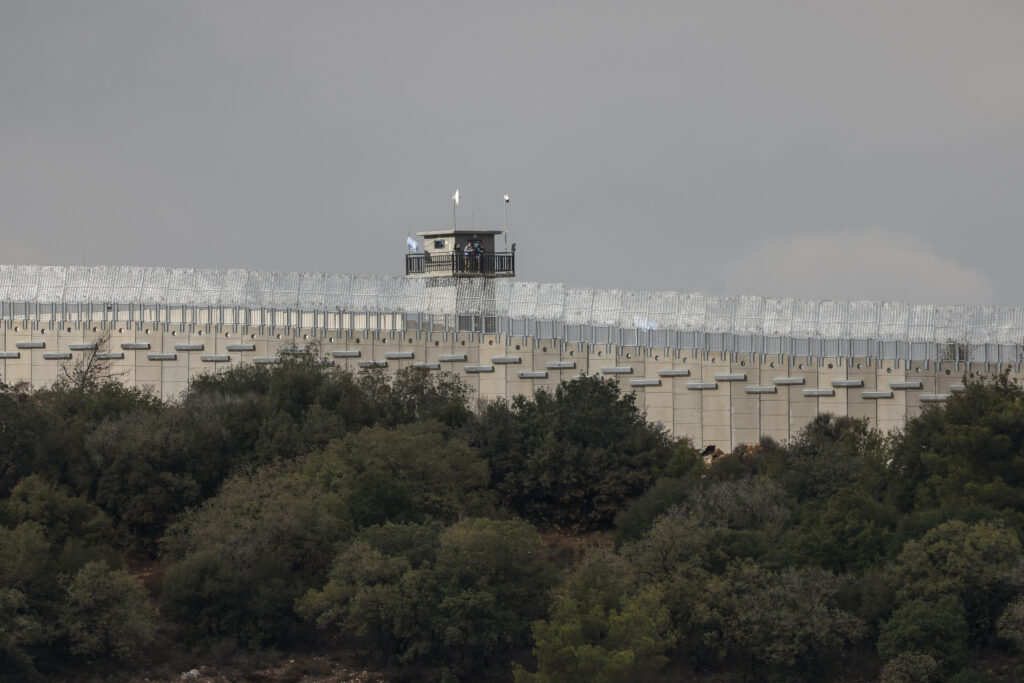
Lebanon, Israel hold first direct talks in decades: source to AFP

Lebanese and Israeli civilian representatives held their first direct talks Wednesday in decades, part of a year-old ceasefire monitoring mechanism in the war with militant group Hezbollah, a source close to the talks told AFP.The meeting was taking place at the UN peacekeeping force’s headquarters in Lebanon Naqura near the border with Israel, the source said, as part of a mechanism to oversee the ceasefire that took hold in November 2024.Morgan Ortagus, the US special envoy for Lebanon, also attended Wednesday’s meeting, the source added. The United States has been piling pressure on Lebanon to rapidly disarm Hezbollah.Ortagus was a day earlier in Jerusalem where she met Israeli Foreign Minister Gideon Saar. Israeli media said she also met Prime Minister Benjamin Netanyahu.Until now Israel and Lebanon, which have no formal diplomatic relations, had insisted on keeping military officers in the role.The United States has pushed for direct talks between the two neighbours in a bid to stabilise the region and further weaken Iran-backed Hezbollah.Netanyahu’s office announced he was sending a civilian representative to meet officials in Lebanon, in what it called a first attempt to establish a basis for ties between the two countries.Lebanese President Joseph Aoun’s office said Wednesday his delegation would be led by former ambassador Simon Karam and it had been informed that Israel would include “a non-military member in its delegation.”Lebanon has declared itself ready for negotiations with its southern neighbour.Netanyahu has repeatedly said Lebanon should join the Abraham Accords, under which a handful of Arab and Muslim countries have normalised ties with Israel.In 1983, after Israel’s invasion of Lebanon, the two countries held direct talks, resulting in the signing of an agreement that would have established relations. It was never ratified.- ‘Basis for relationship’ -The Israeli prime minister “instructed the acting director of the National Security Council to send a representative on his behalf to a meeting with government and economic officials in Lebanon”, Netanyahu’s office said.”This is an initial attempt to establish a basis for a relationship and economic cooperation between Israel and Lebanon,” it added.The announcement came days after the first anniversary of the start of a fragile ceasefire between Israel and Hezbollah.The ceasefire with Hezbollah ended over a year of hostilities that erupted after the militant group launched attacks in support of its Palestinian ally Hamas.Israel has repeatedly bombed Lebanon despite the truce, saying it is targeting Hezbollah members and infrastructure to stop the group from rebuilding its military capabilities.Under a government-approved plan, the Lebanese army is set to dismantle Hezbollah’s military infrastructure south of the river by the end of the year, before tackling the rest of the country.Judging the Lebanese efforts insufficient, Israel has ramped up its strikes in recent weeks.Israeli public broadcaster KAN reported Tuesday that Israel has been preparing for a “significant escalation” with Hezbollah, deemed “inevitable” despite Washington’s efforts.On the anniversary of the truce, the Israeli military said it had carried out around 1,200 “targeted activities” and “eliminated more than 370 terrorists” from Hezbollah, Hamas and other Palestinian groups during the ceasefire. After his meeting with US envoy Ortagus in Jerusalem Tuesday, Foreign Minister Saar said on X that they “had a good discussion on the situation in Lebanon”.”I said that the one violating Lebanese sovereignty is Hezbollah. Hezbollah’s disarmament is crucial for Lebanon’s future and Israel’s security,” he added. glp-mj-lma-lba/raz/ser
Stock markets mostly rise awaiting US data

European and Asian stock markets mostly rose Wednesday following a resumption of Wall Street’s rally, but gains were muted as investors await the last tranche of US data before next week’s Federal Reserve meeting.With a cut to US interest rates expected, trading has softened ahead of key indicators this week that could still play a role in the central bank’s planning over the next year.Most in focus are the private jobs report from payrolls firm ADP on Wednesday and Friday’s personal consumption expenditure (PCE) index — the Fed’s preferred gauge of inflation.”The justification for a rate cut next week centres around weakness in the (US) jobs market,” noted Joshua Mahony, chief market analyst at trading group Scope Markets.”While we are seeing confidence return for the US tech stocks, fears around an AI bubble will undoubtedly play a key role for investors going forward,” he added.Money markets have put the chances of a December 10 cut at around 90 percent, with another three forecast by the end of next year, weighing on the dollar.The pound was up 0.5 percent against the dollar on UK data showing stronger than expected activity from the British services sector.Stronger sterling weighed on London’s benchmark FTSE 100 stock index, which features major companies earning in dollars.Optimism over US rate cuts has meanwhile won an additional boost from reports that President Donald Trump’s top economic adviser Kevin Hassett — a proponent of more reductions — is the frontrunner to take the helm at the Fed when Jerome Powell’s tenure ends in May.While a number of bank decision-makers have thrown their hat in the ring for a reduction, there remains differences on the policy board about the need to target the soft labour market or stubbornly high inflation.Elsewhere on Wednesday, the Indian rupee weakened past 90 per dollar for the first time, extending declines through the year as New Delhi struggles to strike a trade deal with the United States.- Key figures at around 1050 GMT -London – FTSE 100: DOWN 0.2 percent at 9,680.66 pointsParis – CAC 40: FLAT at 8,073.80Frankfurt – DAX: UP 0.2 percent at 23,751.63Tokyo – Nikkei 225: UP 1.1 percent at 49,864.68 (close) Hong Kong – Hang Seng Index: DOWN 1.3 percent at 25,760.73 (close)Shanghai – Composite: DOWN 0.5 percent at 3,878.00 (close)New York – Dow: UP 0.4 percent at 47,474.46 (close)Euro/dollar: UP at $1.1665 from $1.1622 on TuesdayPound/dollar: UP at $1.3283 from $1.3209Dollar/yen: DOWN at 155.52 yen from 155.86 yenEuro/pound: DOWN at 87.81 pence from 88.00 penceBrent North Sea Crude: UP 1.3 percent at $63.26 per barrelWest Texas Intermediate: UP 1.5 percent at $59.52 per barrel

Stock markets mostly rise awaiting US data

European and Asian stock markets mostly rose Wednesday following a resumption of Wall Street’s rally, but gains were muted as investors await the last tranche of US data before next week’s Federal Reserve meeting.With a cut to US interest rates expected, trading has softened ahead of key indicators this week that could still play a role in the central bank’s planning over the next year.Most in focus are the private jobs report from payrolls firm ADP on Wednesday and Friday’s personal consumption expenditure (PCE) index — the Fed’s preferred gauge of inflation.”The justification for a rate cut next week centres around weakness in the (US) jobs market,” noted Joshua Mahony, chief market analyst at trading group Scope Markets.”While we are seeing confidence return for the US tech stocks, fears around an AI bubble will undoubtedly play a key role for investors going forward,” he added.Money markets have put the chances of a December 10 cut at around 90 percent, with another three forecast by the end of next year, weighing on the dollar.The pound was up 0.5 percent against the dollar on UK data showing stronger than expected activity from the British services sector.Stronger sterling weighed on London’s benchmark FTSE 100 stock index, which features major companies earning in dollars.Optimism over US rate cuts has meanwhile won an additional boost from reports that President Donald Trump’s top economic adviser Kevin Hassett — a proponent of more reductions — is the frontrunner to take the helm at the Fed when Jerome Powell’s tenure ends in May.While a number of bank decision-makers have thrown their hat in the ring for a reduction, there remains differences on the policy board about the need to target the soft labour market or stubbornly high inflation.Elsewhere on Wednesday, the Indian rupee weakened past 90 per dollar for the first time, extending declines through the year as New Delhi struggles to strike a trade deal with the United States.- Key figures at around 1050 GMT -London – FTSE 100: DOWN 0.2 percent at 9,680.66 pointsParis – CAC 40: FLAT at 8,073.80Frankfurt – DAX: UP 0.2 percent at 23,751.63Tokyo – Nikkei 225: UP 1.1 percent at 49,864.68 (close) Hong Kong – Hang Seng Index: DOWN 1.3 percent at 25,760.73 (close)Shanghai – Composite: DOWN 0.5 percent at 3,878.00 (close)New York – Dow: UP 0.4 percent at 47,474.46 (close)Euro/dollar: UP at $1.1665 from $1.1622 on TuesdayPound/dollar: UP at $1.3283 from $1.3209Dollar/yen: DOWN at 155.52 yen from 155.86 yenEuro/pound: DOWN at 87.81 pence from 88.00 penceBrent North Sea Crude: UP 1.3 percent at $63.26 per barrelWest Texas Intermediate: UP 1.5 percent at $59.52 per barrel

Delhi records over 200,000 respiratory illness cases due to toxic air

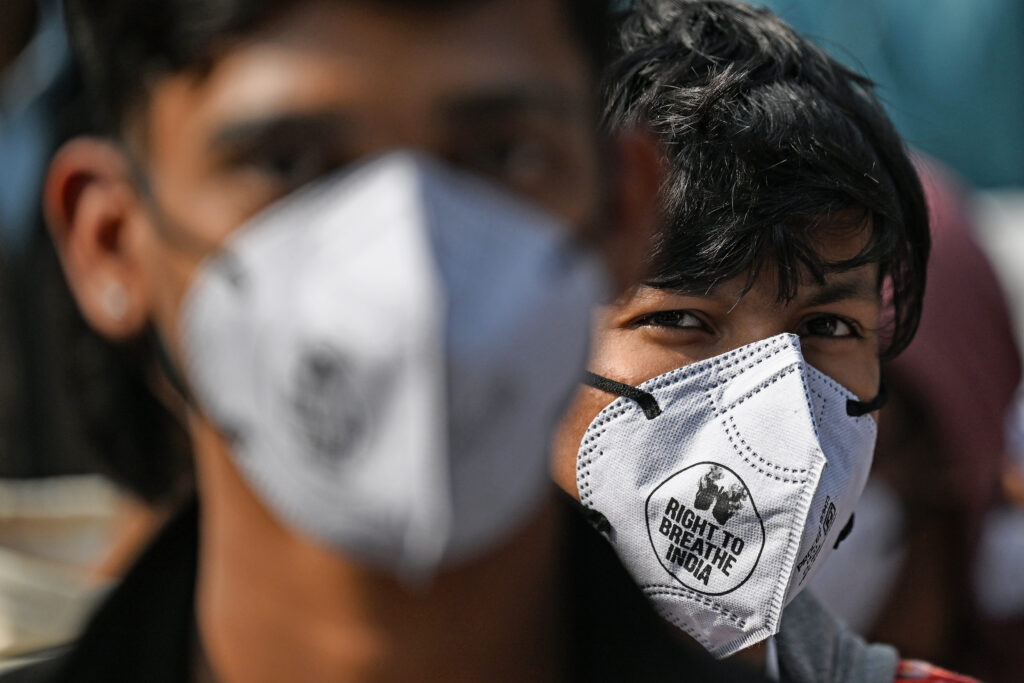
New Delhi recorded more than 200,000 cases of acute respiratory illnesses at six state-run hospitals between 2022 and 2024, government numbers showed, highlighting the adverse effects of toxic air on health.Delhi, with its sprawling metropolitan region of 30 million residents, is regularly ranked among the world’s most polluted capitals.India’s health ministry told parliament on Tuesday that air pollution was one of the triggering factors for respiratory ailments.”Analysis suggests that increase in pollution levels was associated with increase in number of patients attending emergency rooms,” junior health minister Prataprao Jadhav said in a written reply.  More than 30,000 people with respiratory illnesses had to be hospitalised in the three years.Acrid smog blankets Delhi’s skyline each winter, when cooler air traps pollutants close to the ground, creating a deadly mix of emissions from crop burning, factories and heavy traffic.Levels of PM2.5 — cancer-causing microparticles small enough to enter the bloodstream — sometimes rise to as much as 60 times the UN’s daily health limits.A study in The Lancet Planetary Health last year estimated that 3.8 million deaths in India between 2009 and 2019 were linked to air pollution.The United Nations children’s agency warns that polluted air puts children at heightened risk of acute respiratory infections.The health ministry, however, added that air pollution could not alone be blamed for the hospitalisations.  “Health effects of air pollution are synergistic manifestation of factors which include food habits, occupational habits, socio-economic status, medical history, immunity, heredity, etc,” it said. 

Thailand lifts ban on afternoon alcohol sales

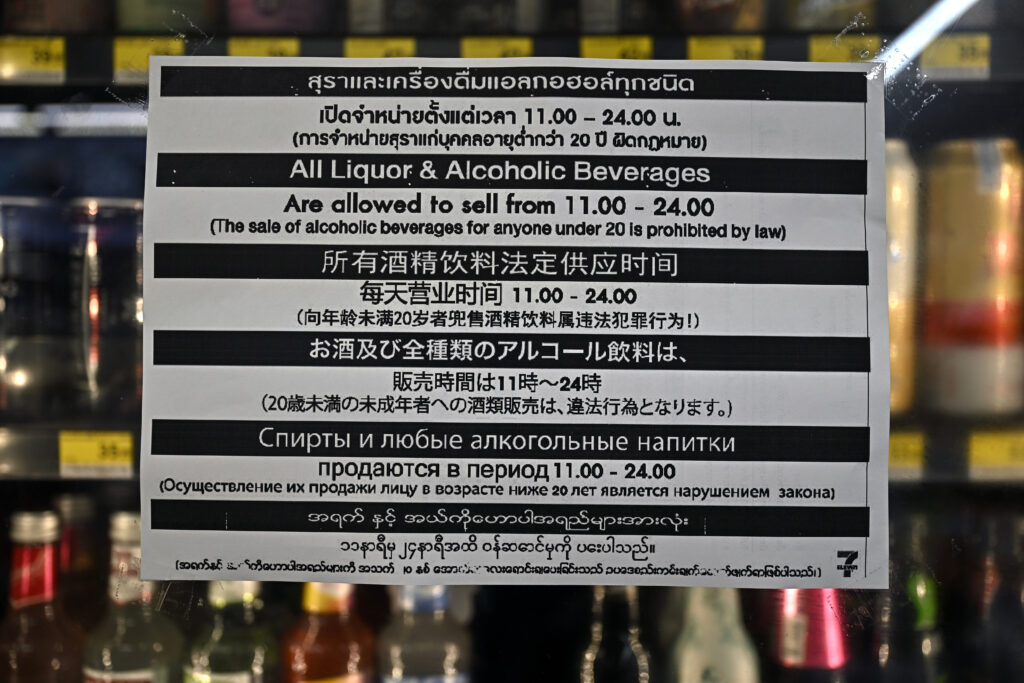
Thailand on Wednesday relaxed decades-old alcohol sales restrictions, allowing consumers to buy wine, beer and spirits during previously prohibited afternoon hours in a six-month trial.The predominantly Buddhist country still maintains strict alcohol laws, limiting sales to specific hours and banning them on religious holidays.Liquor stores, bars and other purveyors were previously banned from selling alcohol from 2:00-5:00 pm, but the eased rules permit sales from 11:00 am to midnight during the trial while a committee studies its impacts.Officials last month reviewed the long-standing 2:00-5:00 pm sales ban, a rule originally introduced to prevent government employees from drinking alcohol during work hours and often puzzling foreign visitors.”In the past, there were concerns that government employees would sneak out to drink, but it’s a different time now,” deputy prime minister Sophon Saram told reporters last month. Health Minister Pattana Promphat said the move was “appropriate to the present situation”, according to a statement in the Royal Gazette published on Tuesday.Despite its reputation as a tourism and nightlife hub, Thailand’s alcohol laws remained rooted in Buddhist teachings that view imbibing as a moral transgression. The country has some of the highest alcohol consumption rates in Asia, according to the World Health Organization (WHO), with locals typically reaching for the ubiquitous Chang, Singha and Leo beers.Thailand ranked 16th out of nearly 200 countries for the most road traffic deaths per capita in 2021, WHO data shows.Nearly 33,000 people were killed in drunk driving incidents in the country from 2019 to 2023, according to public health ministry figures.- ‘Good for tourists’ -In central Bangkok on Wednesday afternoon, several businesses told AFP journalists they had yet to notice a shift on the first day of the relaxed sales rules. “There haven’t been many people because customers still don’t know about the new law,” said a shop assistant at Gourmet Wine Cellar who declined to give their name.Shoppers at a 7-Eleven opted for soda over alcoholic beverages, despite signs posted on refrigerator doors noting the extended sales hours.At a nearly empty beer garden where a few customers were ordering pints, a server told AFP that she had heard of the rule change on TikTok.But, she said, “There’s almost no change because we usually don’t get any customers during this time.”Apple, a Thai marathon-runner, told AFP the loosened restrictions were “good for tourists”.”Tourists like to drink a lot. But for Thai people, maybe not, as we don’t normally drink at that time anyway,” she said.Matthew, a 23-year-old British traveller, said he hadn’t heard about the long-time sales ban or it being lifted.”Sounds like it would be terrible for the economy. So many tourists come here. Why would they do that? Religious reasons?”

Frustration in Indonesia as flood survivors await aid

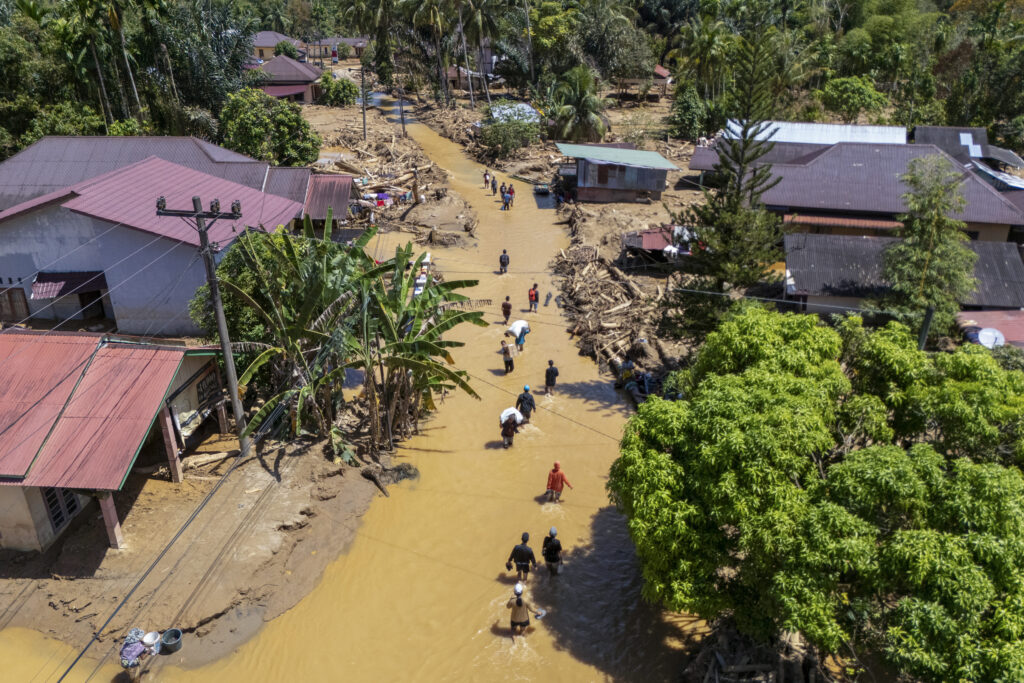
Officials in Indonesia and Sri Lanka battled Wednesday to reach survivors of deadly flooding in remote, cut-off regions as the toll in the disaster that hit four countries topped 1,500.In Indonesia, survivors expressed growing frustration about the slow pace of rescue efforts and aid delivery, as humanitarian groups warned the scale of the challenge was almost unprecedented, even in a country that has faced no shortage of natural disasters.Monsoon rains paired with two tropical storm systems dumped record deluges across Sri Lanka, and parts of Indonesia’s Sumatra, southern Thailand and northern Malaysia last week.In Indonesia, 770 were confirmed dead, the country’s disaster management agency said on Wednesday, revising the toll down from 812 it announced earlier in the day. Another 463 people are also missing.  Information is only trickling in as many regions remain physically cut off by flood damage, isolated by electricity and communications failures, or both.”It’s very challenging logistically to respond,” said Ade Soekadis, executive director of aid group Mercy Corps Indonesia.”The extent of the damage and the size of the affected area is really huge.”The group is hoping to send hygiene equipment and water both from Jakarta and locally.He said reports of food and water shortages were already “very concerning” and the situation will be “more problematic as time goes by”.- ‘Like an earthquake’ -At an evacuation centre in Pandan, 52-year-old Reinaro Waruwu told AFP he was “disappointed” in the government’s immediate response and the slow arrival of aid.”Some waited a day and night before receiving help, so they couldn’t be saved,” he said, surrounded by evacuees sitting on mats on the floor in the hall-turned-shelter.”I am frustrated, it doesn’t need to be said twice,” he added.He described the floodwaters and landslides as unprecedented.”It came like an earthquake… I thought ‘Well, if I am going to die, then so be it,'” he said, beginning to sob heavily.Traumatised, he could not even eat on arrival, and food has only been patchily available, though vegetables arriving on Tuesday offered a “semblance of hope”, he said.Nearby, Hamida Telaumbaunua, 37, described watching her entire kitchen swept away by floodwaters.”My heart… this was the first time I experienced such a flood,” she said. Her home was lost entirely, along with everything but the few possessions she took when she left.”It’s hard to think about what lies ahead. Maybe as long as we’re still here, it’s okay, but later… I don’t know what will happen.”In North Aceh, 30-year-old M. Atar said some areas were only just becoming accessible as roads were cleared.”We are in dire need of clean water. Very much in need,” he said.The weather system that hit Indonesia also brought heavy rains to Thailand, killing at least 267 people, authorities said Wednesday, and Malaysia, where two people were killed.- Sri Lanka ‘open’ for tourists -Though floods are common in Asia during monsoon season, climate change is making heavy rain events more frequent because a warmer atmosphere holds more moisture.Warmer oceans can also turbocharge storm systems.A separate weather system, Cyclone Ditwah, brought torrential rain and deadly floods and landslides to much of Sri Lanka last week.At least 474 people were killed, and authorities have estimated the disaster’s cost at up to $7 billion.Another 356 people are unaccounted for, including in some of the hardest-hit regions that remain largely inaccessible.Officials said laws that allow a person to be declared dead only after being missing for six months could be shortened to expedite the issuance of death certificates.The government has said it will offer 25,000 rupees ($83) to families to help clean their homes. Those who lost homes will receive up to $8,000.On the outskirts of Colombo, R.M.V. Lalith was beginning the clean-up at his two-storey home.”We managed to salvage some furniture by moving it upstairs, but the kitchen is a mess,” he told AFP, as a relative helped push mud out of the living room.Despite the disaster, the tourism-reliant country welcomed a luxury cruiseliner to Colombo port on Tuesday, authorities said.The arrival sends “a clear message to the world: Sri Lanka is safe, open, and ready to embrace visitors once again”, the country’s tourist board said.burs-sah/ceg