

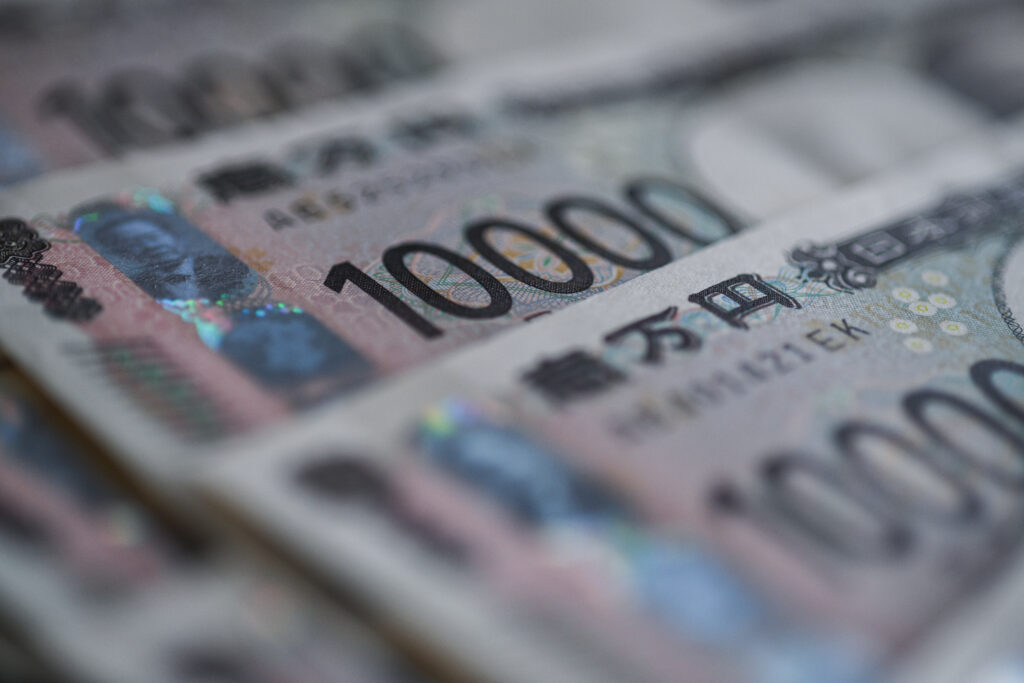
Asian markets rally with Wall St as rate hopes rise, AI fears ease
Asian markets rallied Monday and gold hit a record high as the latest round of US data boosted hopes for more interest rate cuts, while worries over AI spending also subsided.Investors were back in the saddle for the final business days before Christmas, having had a minor wobble earlier in the month on concerns that the Federal Reserve would hold off on further easing monetary policy in the early part of 2026.Figures last week showing US unemployment hit a four-year high in November came as a report indicated the rise in consumer prices slowed more than expected.That stoked bets on the Fed lowering borrowing costs early next year. Investors had pared their forecasts after the bank indicated it could take a pause on further cuts in its post-meeting statement earlier this month.”This labour market softening and inflation moderation strengthened Federal Reserve easing expectations for 2026,” wrote IG market analyst Fabien Yip.However, she added that “the low inflation reading may prove temporary as shutdown-related data collection disruptions likely suppressed the figure, which could normalise higher once data gathering processes resume”.Asian tech firms led the gains Monday with South Korea’s Samsung Electronics, Taiwan’s TSMC and Japan’s Renesas among the best performers.Hong Kong, Shanghai, Sydney, Seoul, Singapore, Mumbai, Bangkok, Wellington, Taipei and Manila all saw healthy advances.Tokyo was the standout, piling on 1.8 percent thanks to a weaker yen.However, London, Paris and Frankfurt fell at the open.Gold, which benefits from lower US interest rates, hit a fresh record above $4,420.30, while silver also struck a new peak.The precious metals, which are go-to assets in times of crisis, also benefited from geopolitical worries as Washington steps up its oil blockade against Venezuela and after Ukraine hit a tanker from Russia’s shadow fleet in the Mediterranean.Stephen Innes at SPI Asset Management said: “Asian equity markets are stepping onto the floor with a constructive bias, taking their cue from Friday’s solid rebound in US stocks and the growing belief that the final stretch of the year still belongs to the bulls.”The equity gains tracked a surge on Wall Street led by the Nasdaq as technology giants following a bumper earnings report from chip giant Micron Technology that reinvigorated the AI trade.That came on top of news that Oracle will take a 15 percent stake in a TikTok joint venture that will allow the social media company to maintain operations in the United States.The tech bounce came after a bout of selling fuelled by concerns that valuations had been stretched and questions were being asked about the vast sums invested in artificial intelligence that some warn could take time to see returns.Forex traders are keeping tabs on Tokyo after Japan’s top currency official said he was concerned about the yen’s recent weakness, which came after the central bank hiked interest rates to a 30-year high on Friday.”We’re seeing one-directional, sudden moves, especially after last week’s monetary policy meeting, so I’m deeply concerned,” Vice Finance Minister for International Affairs Atsushi Mimura said Monday.”We’d like to take appropriate responses against excessive moves.”The comments stoked speculation that officials could intervene in currency markets to support the yen, which fell more than one percent against the dollar Friday after bank boss Kazuo Ueda chose not to signal more increases early in the new year.- Key figures at around 0815 GMT – Tokyo – Nikkei 225: UP 1.8 percent at 50,402.39 (close)Hong Kong – Hang Seng Index: UP 0.4 percent at 25,801.77 (close)Shanghai – Composite: UP 0.7 percent at 3,917.36 (close)London – FTSE 100: DOWN 0.3 percent at 9,865.61 Dollar/yen: DOWN at 157.45 yen from 157.59 yen on FridayEuro/dollar: UP at $1.1730 from $1.1719Pound/dollar: UP at $1.3417 from $1.3386Euro/pound: DOWN at 87.43 pence from 87.55 penceWest Texas Intermediate: UP 1.1 percent at $57.12 per barrelBrent North Sea Crude: UP 1.0 percent at $61.10 per barrelNew York – Dow: UP 0.4 percent at 48,134.89 (close)
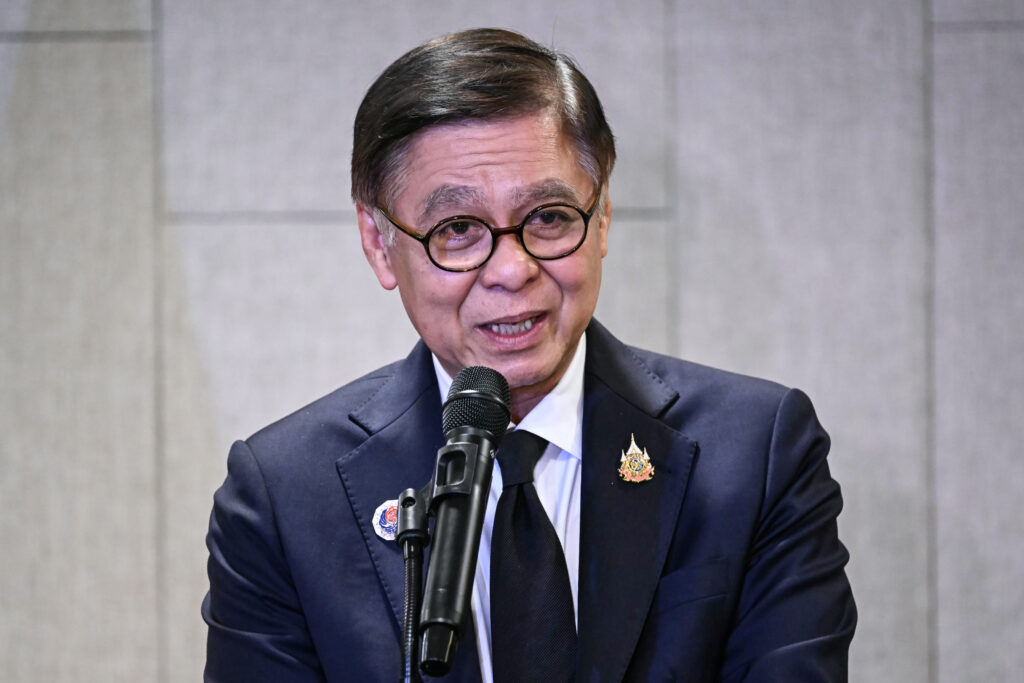
Les pays de l’Asean tentent de mettre fin au conflit entre la Thaïlande et le Cambodge
Les ministres des Affaires étrangères de l’Association des nations de l’Asie du Sud-Est (Asean), dont ceux de la Thaïlande et du Cambodge, tentent lundi de mettre fin au conflit entre les deux pays frontaliers, lors d’une réunion spéciale de leur groupe régional.Selon les bilans officiels respectifs, les affrontements ont fait au moins 41 morts depuis la reprise des combats en décembre, les deux royaumes d’Asie du Sud-Est se disputant de longue date des morceaux de territoire le long de leur frontière, tracée à l’époque de la colonisation française. Plus de 900.000 personnes ont été déplacées de part et d’autre, ont indiqué des responsables.Pour la Malaisie, qui assure la présidence de l’Asean, l’objectif de ces pourparlers est la mise en place d’un cessez-le-feu durable entre les deux pays membres.”Nous devons prendre en compte les répercussions plus larges d’une escalade continue pour les populations que nous servons”, a averti le ministre malaisien des Affaires étrangères, Mohamad Hasan, en ouvrant la réunion lundi. Il a exhorté ses pairs à “accorder à cette question (leur) plus grande attention”.”Notre devoir est de présenter les faits, mais, plus important encore, de leur rappeler qu’ils doivent assurer la paix”, avait déclaré la semaine dernière le Premier ministre malaisien Anwar Ibrahim, qui a beaucoup oeuvré en coulisses.La reprise des combats a brisé une trêve conclue en juillet après cinq jours de combats, qui avaient fait 43 morts.Chaque camp accuse l’autre d’avoir provoqué les affrontements, invoquant la légitime défense et s’accusant mutuellement d’attaques contre des civils. – “Occasion importante” -Le Cambodge et la Thaïlande ont tous deux déclaré dimanche que cette réunion en Malaisie devrait permettre d’apaiser les tensions à la frontière, la porte-parole du ministère thaïlandais des Affaires étrangères, Maratee Nalita Andamo, évoquant une “occasion importante pour les deux parties”.Elle a réitéré les conditions préalables aux négociations, notamment la demande de Bangkok que Phnom Penh annonce en premier lieu un cessez-le-feu et coopère aux efforts de déminage à la frontière.Le gouvernement thaïlandais n’a toutefois donné aucune garantie quant à l’aboutissement d’une trêve, déclarant qu’un “cessez-le-feu ne peut être obtenu que s’il repose principalement sur l’évaluation de la situation sur le terrain par l’armée thaïlandaise”.La diplomatie cambodgienne a elle aussi plaidé pour que la réunion de l’Asean puisse apaiser les tensions et rétablir “la paix, la stabilité et les relations de bon voisinage”.Elle a réaffirmé sa “position ferme” pour “résoudre les différends et les conflits par tous les moyens pacifiques, le dialogue et la diplomatie”.Fin octobre, le président américain Donald Trump avait assuré avoir résolu le conflit après avoir présidé à la signature d’un accord de cessez-le-feu, mais celui-ci a été suspendu peu après par Bangkok.Washington, Pékin, l’Union européenne, les Nations unies et la présidence malaisienne de l’Asean ont tous appelé à une cessation des hostilités.Le chef de la diplomatie américaine Marco Rubio a dit vendredi espérer que les deux pays rétabliront la trêve d’ici lundi ou mardi, au moment où les efforts diplomatiques s’accentuent.La Chine, très proche du Cambodge, a de son côté dépêché la semaine dernière son envoyé spécial pour les affaires asiatiques, dans un effort de médiation. Le conflit trouve son origine dans un différend territorial portant sur la démarcation, datant de l’ère coloniale, de leur frontière de 800 kilomètres et sur quelques ruines de temples anciens de l’Empire khmer situées sur la ligne de démarcation.burs-mba/sco/jhe/ms/nr
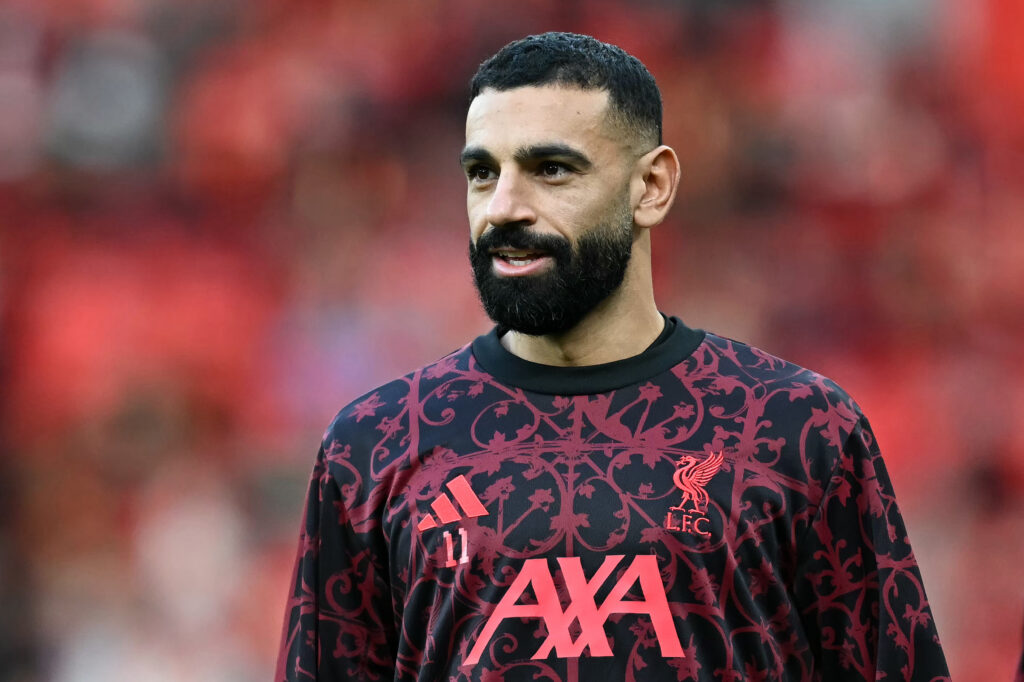
CAN-2025: l’Egypte au chevet de Salah
Après sa querelle avec Liverpool, l’icône égyptienne Mohamed Salah a l’occasion de se relancer lors de la CAN au Maroc, où il espère mener enfin les Pharaons, aux petits soins pour lui, vers un huitième sacre qui les fuit depuis 15 ans.Avant le premier match de son équipe lundi face au modeste Zimbabwe (21h00) à Agadir, le sélectionneur égyptien Hossam Hassan a tressé des lauriers à sa star: “Je sens qu’il est extrêmement motivé. Salah est une icône et le restera. Il est l’un des meilleurs joueurs du monde, et je le soutiens dans tout ce qu’il entreprend”.Arrivé avec le groupe égyptien à Taghazout, près d’Agadir (sud), Mohamed Salah y apparait toujours tout sourire, que ce soit lors des séances d’entrainement de l’équipe ou durant les quelques réceptions auxquelles il participe.”Le moral de Salah à l’entraînement est excellent, car il débute tout juste avec l’équipe nationale, et je suis convaincu qu’il réalisera un grand tournoi”, a confirmé Hassan dimanche. “Ça n’a pas toujours été le cas durant le mois de décembre qui s’achève”, a noté le sélectionneur. Frustré de ses prestations depuis le début de saison avec Liverpool, furieux d’être laissé sur le banc à plusieurs reprises par son entraineur Arne Slot, ce qu’il considère comme un crime de lèse-majesté, Salah est sorti de ses gonds le 6 décembre après avoir débuté, à nouveau, un match comme remplaçant, à Leeds.”Je n’arrive pas à y croire. Je suis très déçu. J’ai tellement donné pour ce club. Et me retrouver sur le banc, sans explication, je ne comprends pas. J’ai l’impression que le club m’a trahi”, avait pesté l’attaquant qui, en avril dernier, au bout d’un long feuilleton, avait prolongé de deux saisons son contrat avec les Reds. La tension est nettement redescendue depuis. Salah s’est excusé auprès de ses coéquipiers et Slot considère l’épisode clos.- Deux défaites en finale -Si des discussions vont se tenir entre ses agents et les dirigeants de Liverpool durant la CAN pour savoir si Salah restera sur les bords de la Mersey ou s’il trouvera un autre club après le tournoi marocain, l’icône a pris soin de rejoindre le Maroc en étant le moins fâché possible.”Je ne considère pas ce qui lui est arrivé comme une crise, a encore estimé le sélectionneur égyptien. Ce genre de choses arrive généralement entre les joueurs et le staff technique. Nous sommes restés en contact téléphonique avec lui dès le début, et je l’ai rencontré lorsqu’il a rejoint le stage de l’équipe nationale. Il est entièrement concentré sur le tournoi.”Hassan compte bien miser sur le talent de son attaquant pour guider l’Egypte, nation la plus titrée de l’histoire de la CAN, vers une huitième Coupe.”Chaque fois que les performances de Salah baissent avec son club, il retrouve sa forme en sélection et devient encore meilleur, que ce soit en étant décisif ou en marquant lui-même”, a souligné Hassan.”Mohamed Salah a besoin de remporter la Coupe d’Afrique des nations. Nous allons l’aider et il nous aidera”, a-t-il ajouté.Car, à 33 ans, Salah n’a encore jamais soulevé le trophée, malgré quatre participations, dont deux achevées en finale (2017 et 2021). Et les chances d’y parvenir s’amenuisent.
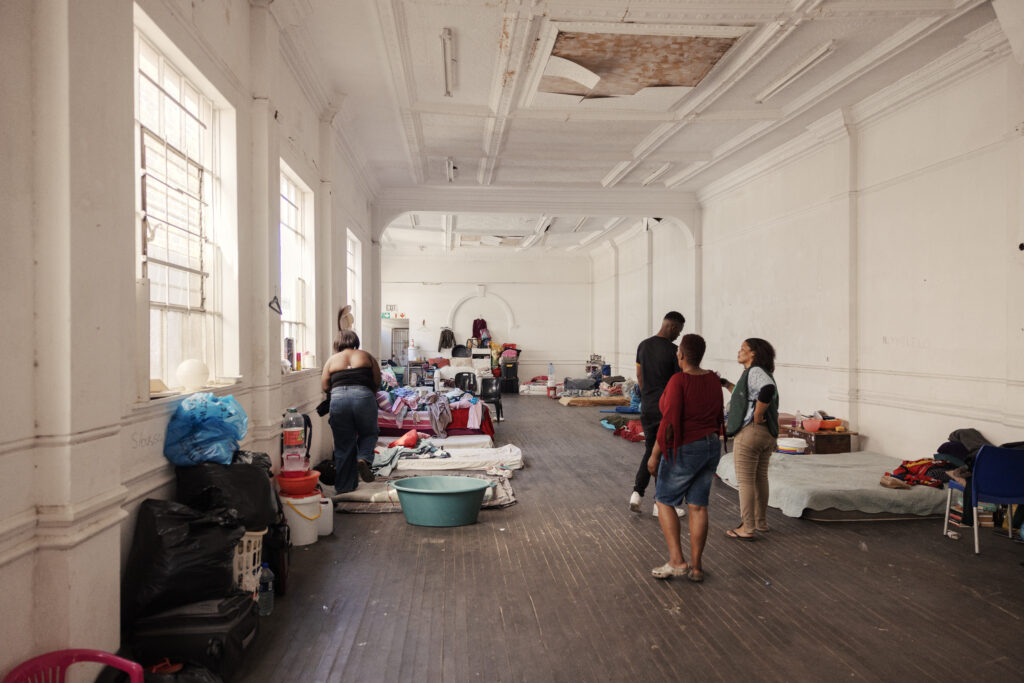
Cape Town’s housing crisis meets Airbnb boomMon, 22 Dec 2025 06:33:12 GMT
The laughter of children echoed against walls lined with dozens of mattresses in a large, dim room of an illegally occupied building in Cape Town’s bustling and touristy city centre. A girl was having her hair braided on a stool near neatly placed plastic bags holding the belongings of people who had moved into the abandoned …
Cape Town’s housing crisis meets Airbnb boomMon, 22 Dec 2025 06:33:12 GMT Read More »
Five things to know about GuineaMon, 22 Dec 2025 06:19:44 GMT
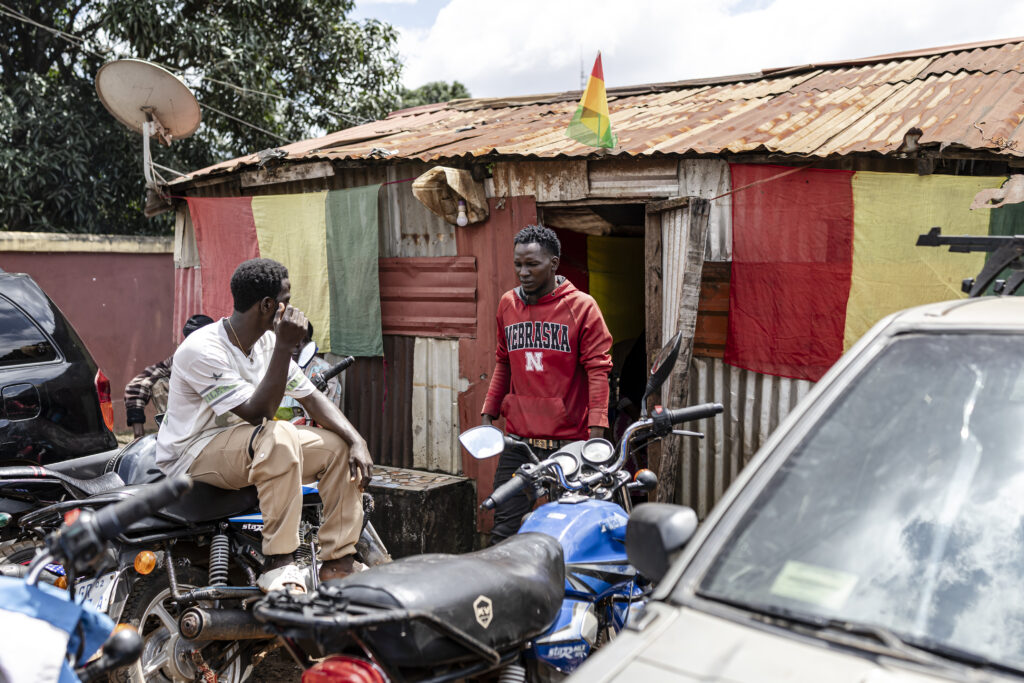
Guinea, where junta strongman Mamady Doumbouya is almost certain to win Sunday’s presidential vote, is one of the world’s most impoverished countries. Despite this, the west African nation possesses immense natural resources. It also has a long history of coups and violence.Here are five things to know about Guinea: – Autocratic regimes -Guinea has been under junta …
Five things to know about GuineaMon, 22 Dec 2025 06:19:44 GMT Read More »
Guinea’s Doumbouya: a coup leader in search of legitimate powerMon, 22 Dec 2025 06:15:12 GMT
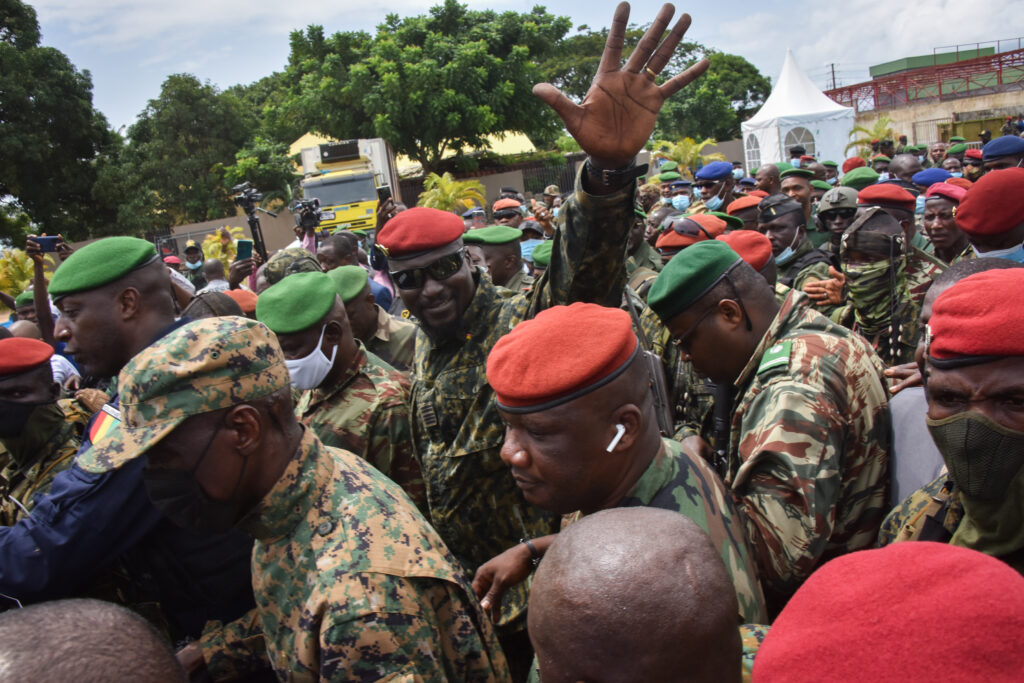
He has traded in his military fatigues for civilian clothes but still rules Guinea with an iron fist: Junta leader Mamady Doumbouya intends to legitimise his rule of the west African country in presidential elections on Sunday.Seated behind a desk wearing a white cap and T-shirt emblazoned with his name and “Building Together” campaign slogan, …