AFP Asia

Indian readies for punishing US tariffs

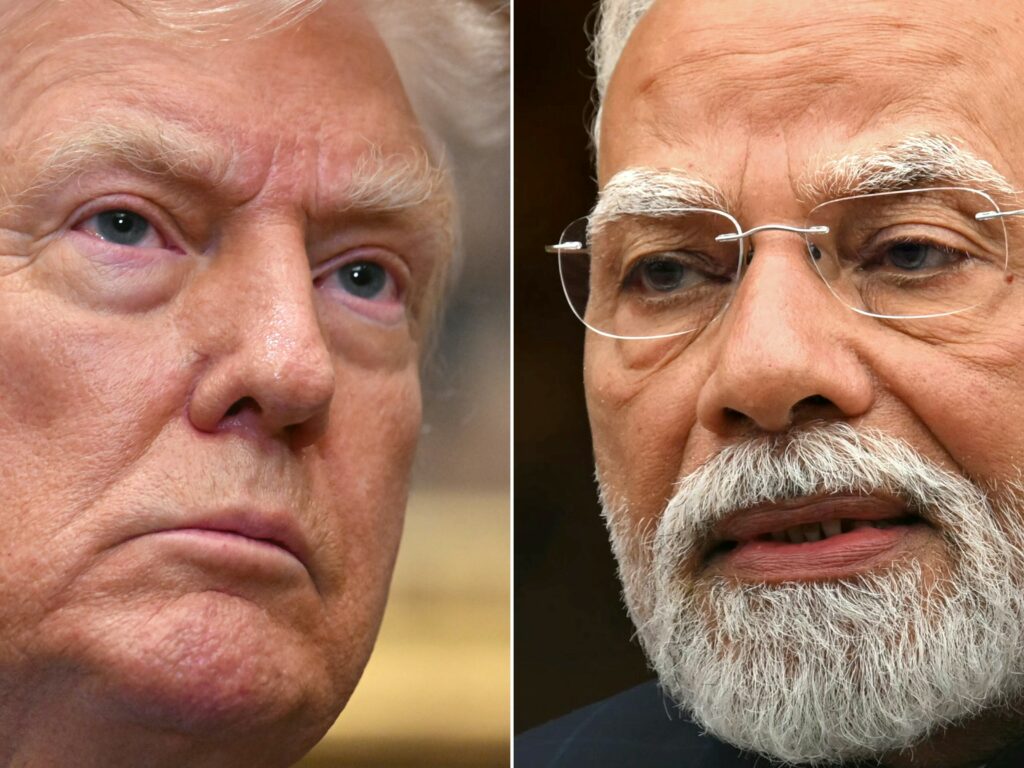
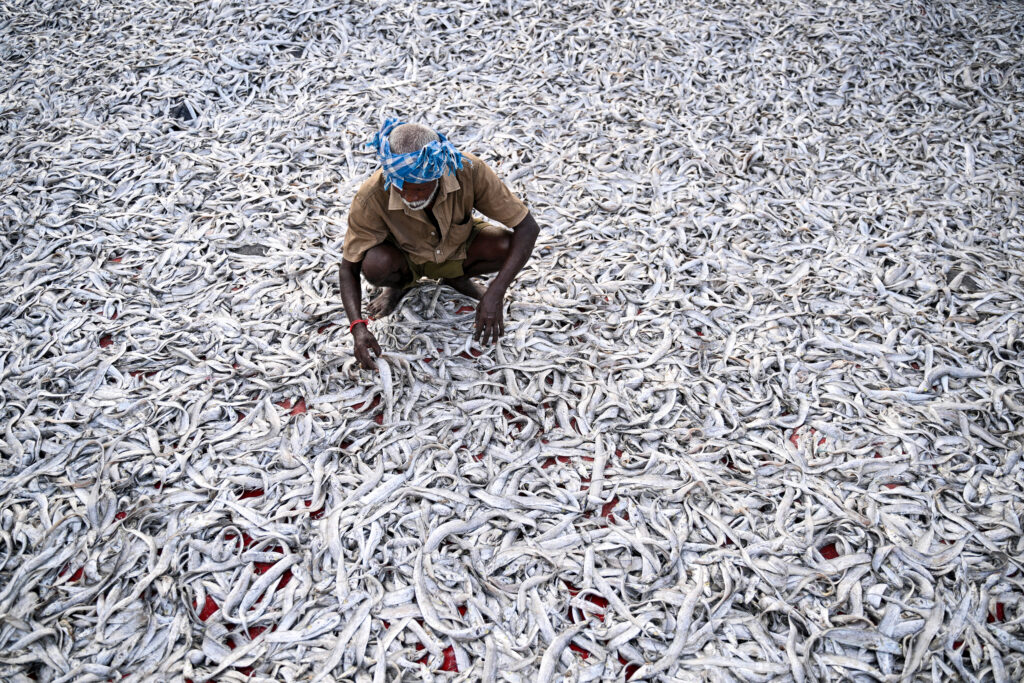
Indian exports to the United States will face some of the highest tariffs in the world this week, barring a last-minute reversal from President Donald Trump. Trump has tied issues of war and peace to trade, threatening to slap 50 percent duties on New Delhi in retaliation for its continued purchases of Russian oil — which Washington argues help finance Moscow’s war in Ukraine.The tariff offensive has rattled US-India ties, given New Delhi a new incentive to repair relations with Beijing, and carries major consequences for the world’s fifth-largest economy.Trump issued a three-week deadline on August 6, which is expected to take effect on Wednesday morning in India.- How bad will it be? -The United States was India’s top export destination in 2024, with shipments worth $87.3 billion.Analysts at Nomura warn that 50 percent duties would be “akin to a trade embargo”, devastating smaller firms with “lower value add and thinner margins”. Elara Securities’s Garima Kapoor said no Indian product can “stand any competitive edge” under such heavy import taxes.Economists estimate tariffs could shave 70 to 100 basis points off India’s GDP growth this fiscal year, dragging growth below six percent, the weakest pace since the pandemic.Exporters in textiles, seafood and jewellery are already reporting cancelled US orders and losses to rivals such as Bangladesh and Vietnam, raising fears of heavy job cuts.A small reprieve: pharmaceuticals and electronics, including iPhones assembled in India, are exempt for now.S&P estimates exports equivalent to 1.2 percent of India’s GDP will be hit, but says it will be a “one-off” shock that “will not derail” the country’s long-term growth prospects.- Will either side blink? -There’s no sign yet. In fact, since the US and Russian presidents met in Alaska, Washington has ramped up criticism of India.”India acts as a global clearinghouse for Russian oil, converting embargoed crude into high-value exports while giving Moscow the dollars it needs,” White House trade adviser Peter Navarro wrote in the Financial Times earlier this month, slamming the country’s refiners for “profiteering”.Indian Foreign Minister Subrahmanyam Jaishankar fired back, arguing India’s purchases helped stabilise global oil markets — and were done with Washington’s tacit approval in 2022.He argued that both the United States and Europe buy refined oil and associated products from India.”If you have a problem buying oil from India, oil or refined products, don’t buy it”, he said, speaking in New Delhi. “Nobody forced you to buy it — but Europe buys, America buys.”Jaishankar said that, until Trump’s ultimatum, there had been “no conversations” asking them to stop buying Moscow’s oil.Trade trackers at Kpler say India’s stance will become clearer only in September, as most August shipments were contracted before Trump’s threats.But experts say India is in a tricky situation.India needs “considerable ingenuity and flexibility” to escape “what appears to be a no-win situation”, said Nandan Unnikrishnan of New Delhi-based Observer Research Foundation.Washington, Unnikrishnan argued, is telling India: “We think that you are the weakest link in the Russia-Ukraine geopolitics chain”.- What can India do? -New Delhi has sought to bolster its economy while deepening ties with both BRICS partners and regional rivals.Jaishankar flew to ally Moscow, producing pledges to ease barriers to bilateral trade, while Prime Minister Narendra Modi is preparing his first visit to China in seven years to repair long-frosty relations.Domestically, Indian media reports that the government is working on a $2.8 billion package for exporters, a six-year programme aimed at easing liquidity concerns.Modi has also proposed tax cuts on everyday goods to spur spending and cushion the economy.- What is blocking a trade deal? -Talks have stumbled over agriculture and dairy.Trump wants greater US access, while Modi is determined to shield India’s farmers, a huge voter bloc.Indian media reports suggested that US negotiators cancelled a planned late-August trip to India. That sparked speculation that discussions had broken down.Jaishankar, however, says talks are continuing, adding drily: “Negotiations are still going on in the sense that nobody said the negotiations are off,” he said. “And people, people do talk to each other.”
Drones take on Everest’s garbage

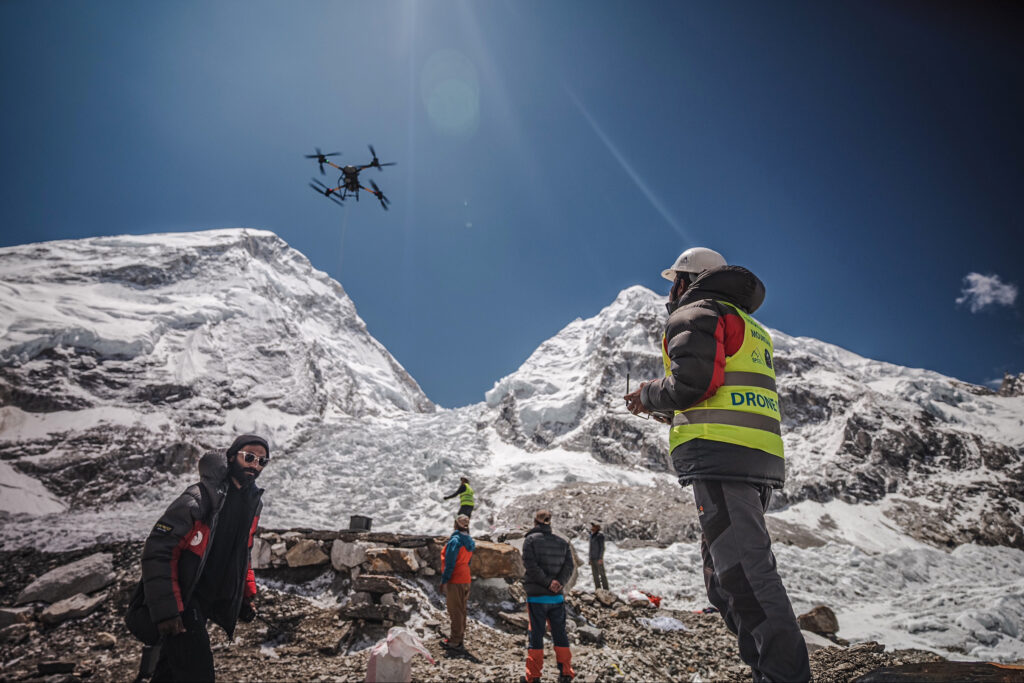
A team of drone operators joined climbers and guides at Everest Base Camp this climbing season, armed with heavy-duty drones to help clear rubbish from the world’s highest peak.Tonnes of trash — from empty cans and gas canisters, to bottles, plastic and discarded climbing gear — have earned once-pristine Everest the grim nickname of the “highest dumpster in the world”.Two DJI FC 30 heavy-lifter drones were flown to Camp 1 at 6,065 metres (19,900 feet), where they airlifted 300 kilograms (660 pounds) of trash down during the spring climbing season, which usually lasts from April to early June.”The only options were helicopters and manpower, with no option in between,” said Raj Bikram Maharjan, of Nepal-based Airlift Technology, which developed the project.”So, as a solution for this problem, we came up with a concept of using our heavy-lift drone to carry garbage.”After a successful pilot on Everest last year, the company tested the system on nearby Mount Ama Dablam, where it removed 641 kilos of waste.”This is a revolutionary drive in the mountains to make it cleaner and safer,” said Tashi Lhamu Sherpa, vice chairman of the Khumbu Pasang Lhamu rural municipality, which oversees the Everest area.- ‘Game changer’ -The drones are proving to be far more efficient, cost-effective and safer than earlier methods, said Tshering Sherpa, chief of the Sagarmatha Pollution Control Committee.”In just 10 minutes, a drone can carry as much garbage as 10 people would take six hours to carry,” Sherpa told AFP.The powerful drones cost around $20,000 each, but were supplied by the China-headquartered manufacturer to support the cleanup operation and promote its brand.Other costs were borne partially by the local authorities.Beyond waste removal, the drones have also been deployed to deliver essential climbing gear such as oxygen cylinders, ladders, and ropes — reducing the number of dangerous trips across the Khumbu Icefall, one of Everest’s deadliest sections.That can help improve safety for the guides and porters, especially the early “fixing” teams who establish routes at the start of the new season.”People in the fixing team were very happy,” said record-holding climber Nima Rinji Sherpa, the youngest to summit all 14 of the world’s highest peaks.”They can simply just go by themselves and the drone will carry ladders or the oxygen and ropes for them. It saves a lot of time and energy.”Next month, Airlift Technology will take the drones to Mount Manaslu, the world’s eighth-highest peak.”It’s not just in war that drones are useful,” Maharjan said.”They can save lives and protect the environment. For climate and humanitarian work, this technology is going to be a game changer.”

Typhoon Kajiki lashes Vietnam, killing one as thousands evacuate

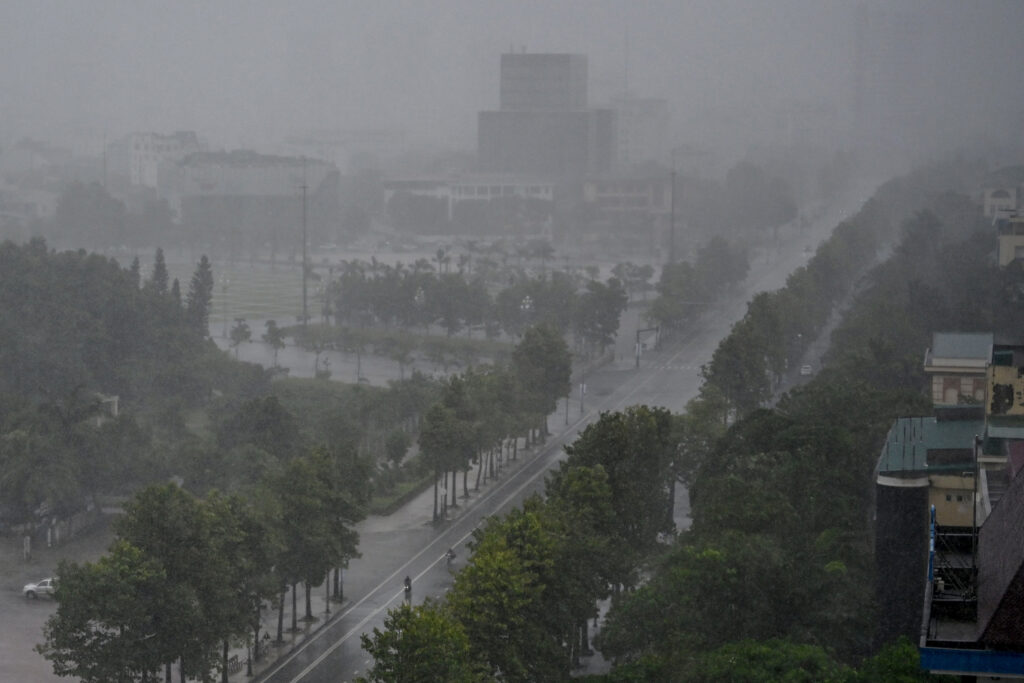
Vietnam’s central belt was lashed by Typhoon Kajiki on Monday, with at least one person killed by deluges and gales howling more than 130 kilometres per hour, as tens of thousands of residents were evacuated from the path of the tempest.The typhoon — the fifth to affect Vietnam this year — roiled the Gulf of Tonkin with waves of up to 9.5 metres (31 feet) before hitting shore around 3:00 pm (0800 GMT).Nearly 44,000 people were evacuated from the region as 16,000 military personnel were mobilised and all fishing boats in the typhoon’s path were called back to harbour.Two domestic airports were shut and 35 flights cancelled before it landed between Ha Tinh and Nghe An provinces, tearing the roofs off more than 600 homes according to authorities.”I have never experienced such strong winds in all my life,” 38-year-old Nguyen Thi Phuong told AFP in Vinh city, the provincial capital of Nghe An which was stricken by widespread blackouts on Monday night.One fatality was reported by the agriculture ministry, with at least eight more people wounded.The typhoon made landfall packing windspeeds between 118 and 133 kilometres per hour (73 and 82 miles per hour), Vietnam’s National Center for Hydro-Meteorological Forecasting said.”The risk for flash floods overnight is very high, so we have to stay on high alert,” director Mai Van Khiem told AFP.Waterfront Vinh city was deluged early on Monday, its streets largely deserted with most shops and restaurants closed as residents and business owners sandbagged their property entrances.”I have never heard of a typhoon of this big scale coming to our city,” said 66-year-old Le Manh Tung at a Vinh indoor sports stadium, where evacuated families dined on a simple breakfast of sticky rice.”I am a bit scared, but then we have to accept it because it’s nature — we cannot do anything,” he added.- ‘Never this big’ -Human-caused climate change is driving more intense and unpredictable weather patterns that can make destructive floods and storms more likely, particularly in the tropics.”Normally we get storms and flooding, but never this big,” said 52-year-old evacuee Nguyen Thi Nhan.The typhoon’s power is due to dramatically dissipate after it makes landfall.The Joint Typhoon Warning Center said conditions suggested “an approaching weakening trend as the system approaches the continental shelf of the Gulf of Tonkin where there is less ocean heat content”.China’s tropical resort island of Hainan evacuated around 20,000 residents on Sunday as the typhoon passed its south.The island’s main city, Sanya, closed scenic areas and halted business operations.In Vietnam, more than 100 people have been killed or left missing from natural disasters in the first seven months of 2025, according to the agriculture ministry.Economic losses have been estimated at more than $21 million.Vietnam suffered $3.3 billion in economic losses last September as a result of Typhoon Yagi, which swept across the country’s north and caused hundreds of fatalities.

Bleak future for Rohingya, as Bangladesh seeks to tackle crisis

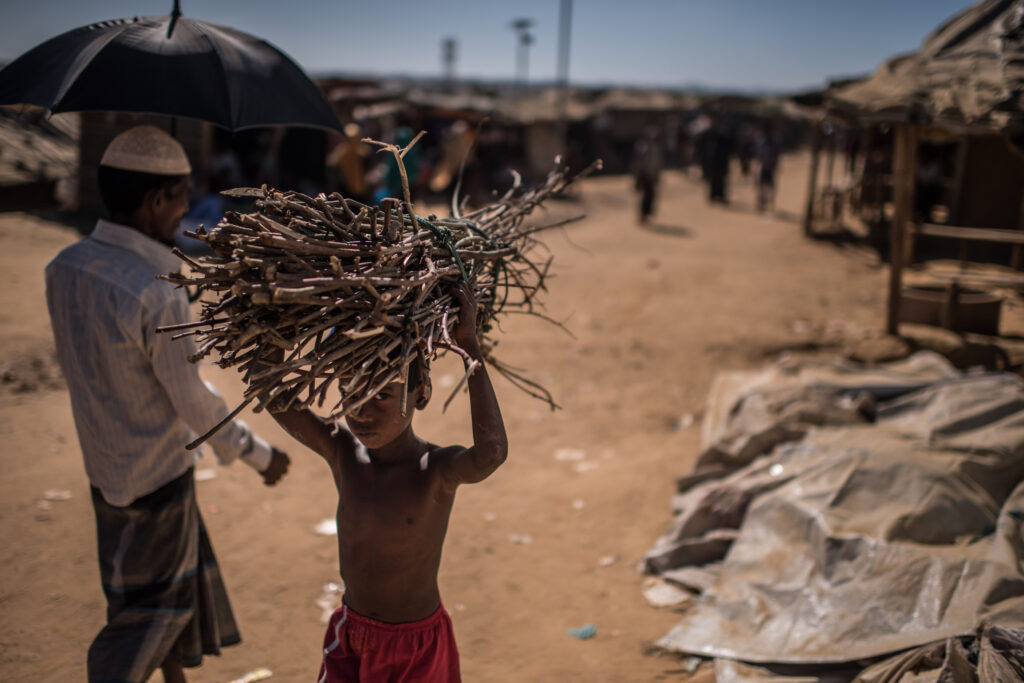
The rain was relentless the night Mohammad Kaisar fled for his life from his home in Myanmar’s Maungdaw township.Barefoot and exhausted, he trudged with his parents and four siblings on mud paths until they reached the Naf River.On a flimsy boat, they crossed into Bangladesh, joining around a million of the largely Muslim Rohingya minority, fleeing a military crackdown in Myanmar’s Rakhine state.That was in 2017. Eight years later, rain still lashes down on his simple shelter in the sprawling refugee camps of Cox’s Bazar.But for the 28-year-old refugee, nothing has washed away his despair.”War is raging. Hundreds are waiting at the border to enter Bangladesh. Every day, a new family from Rakhine takes refuge,” Kaisar told AFP by telephone, speaking outside his cramped hut in Balukhali camp.”How is it possible to return home? We were destined to stay in this crowded camp, sandwiched between small huts.”- ‘Like a hostage’ -Bangladesh on Monday is holding talks aimed at addressing the plight of Rohingya refugees, even as fresh arrivals cross over from war-torn Myanmar and shrinking aid flows deepen the crisis.The meetings in Cox’s Bazar are taking place ahead of a UN conference in New York on September 30.Both Bangladesh and the UN want to provide stable conditions in Myanmar for the Rohingya to eventually return.That seems unlikely any time soon.”I consistently hear from Rohingya refugees that they want to return to their homes in Myanmar, but only when it is safe to do so,” Nicholas Koumjian, who heads the UN’s Independent Investigative Mechanism for Myanmar, warned ahead of the meeting.”Ending the violence and atrocities against civilians from all communities in Rakhine is critical for the eventual safe, dignified, voluntary and sustainable return of those that have been displaced.”But Kaisar’s old homeland of Rakhine is the site of intense fighting in Myanmar’s civil war, triggered by the 2021 coup that ousted the democratic government.Bangladesh has recorded a surge of refugees from Myanmar since early 2024, with 150,000 more Rohingya arriving.For Kaisar, life in Myanmar was a spacious home, running a small grocery shop.Today, in the grim camps, it’s a battle for survival.Safety is fragile. Factional clashes have shaken the camp in recent months.”We had two armed groups fighting only a few months ago. It was like a hostage situation,” he said. “Violence is common; children are the most vulnerable.”- ‘Violence and atrocities’ -In Rahkine, restricted access due to fighting has been compounded by worldwide aid cutbacks spearheaded by US President Donald Trump’s freeze on humanitarian funding.The World Food Programme — which received nearly half its 2024 donations from the United States — warned this month that 57 percent of families in central Rakhine are now unable to meet basic food needs.In the camps, food too is a constant worry.Each refugee receives a ration card worth about $12 a month. Kaisar listed what that buys: 13 kilogrammes of rice, a litre of oil, a handful of onions and garlic, and a packet of salt.”It fills our stomachs, but there is no nutrition,” he said.”I have a three-year-old son. He needs milk, eggs, lentils, but we cannot afford them. Nutrition centres in the camps provide support to children under two. After that, we are left to struggle.”- ‘Used us as pawns’ -Education is the next looming hurdle, and Kaisar fears for his young son.”Will he be able to study and get a job? Or will he spend his whole life as a refugee like me?” Kaisar asked.He recalled how ordinary villagers in Bangladesh once handed him dry clothes and food after his escape. But beyond that generosity, the future looks bleak.The violence that uprooted him still rages across the border, and Rohingya militants working with the Myanmar junta have tried to recruit refugees, according to camp residents, UN reports and analysts.”We civilians have been continuously betrayed,” Kaisar said bitterly. “Every side has used us as pawns.”For now, the father’s appeal is simple: that Dhaka eases restrictions on education, to allow Rohingya children to attend regular Bangladeshi schools.”At least allow our children to attend school,” he said. “If they can stand on their own, maybe their future won’t be as hopeless as ours.”

Bangladesh and Pakistan bolster ties but war apology ‘unresolved’

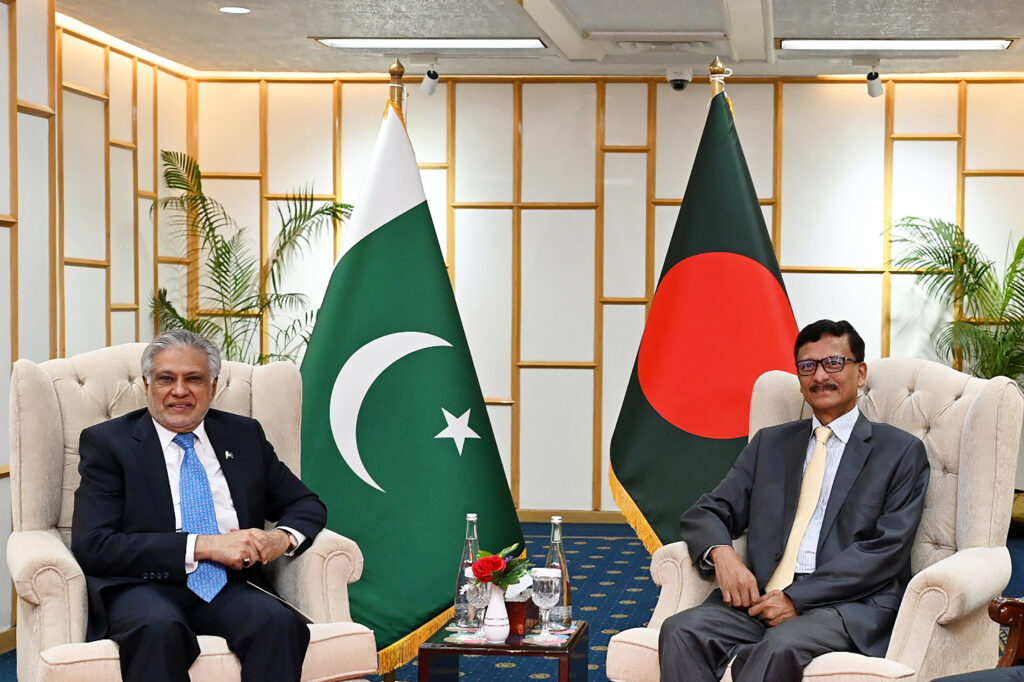
Bangladesh and Pakistan, once bitter enemies after they split in 1971, agreed Sunday to bolster long-strained relations, including increasing trade.But Dhaka said a key issue, of wanting an apology from Islamabad for atrocities during the war when East Pakistan broke away to form Bangladesh, remained “unresolved”.”The scope and possibility of doing good for the two peoples of our two countries is tremendous,” said Islamabad’s Foreign Minister Ishaq Dar, the most senior Pakistani official to have visited Dhaka since 2012.Pakistan’s military was accused of widespread atrocities during the 1971 war.Hundreds of thousands were killed -– Bangladeshi estimates say millions — and many in Dhaka still demand Islamabad apologise for the killings.Dhaka’s foreign affairs adviser Mohammad Touhid Hossain said that the issue of an apology was not solved, but agreed to strengthen ties between the nations.”We have reached a consensus that the pending issues must be resolved so they don’t stand as obstacles in our relationship,” Hossain told reporters.Agreements were signed to deepen trade and economic ties, as well as boost cultural exchanges.Analysts say neighbouring India, which fought a four-day conflict with Pakistan in May, will be watching closely.Relations between Dhaka and New Delhi turned icy in August 2024 after a mass uprising in Bangladesh ended the autocratic rule of prime minister Sheikh Hasina, prompting her to flee to India.

Former presidents back Sri Lanka’s jailed ex-leader

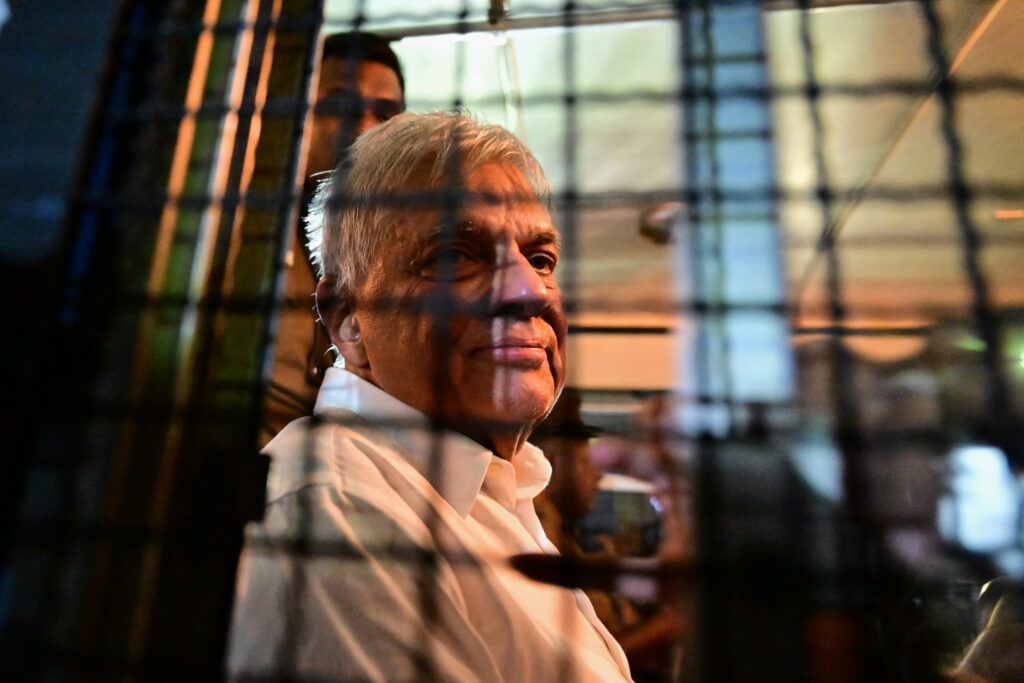
Three former presidents of Sri Lanka expressed solidarity with jailed ex-leader Ranil Wickremesinghe on Sunday and condemned his incarceration as a “calculated assault” on democracy.The trio, former political rivals of Wickremesinghe -— president between July 2022 and September 2024 -— said the charges against him were frivolous.He has been accused of using $55,000 in state funds for a stopover in Britain while returning home after a G77 summit in Havana and the UN General Assembly in New York in September 2023.Wickremesinghe, 76, was rushed to the intensive care unit of the main state-run hospital in Colombo on Saturday, a day after being remanded in custody.Doctors said he was suffering from severe dehydration on top of acute diabetes and high blood pressure.”What we are witnessing is a calculated onslaught on the very essence of our democratic values,” former president Chandrika Kumaratunga said in a statement.The 80-year-old Kumaratunga said the consequences of Wickremesinghe’s jailing would go beyond the fate of an individual and could affect the rights of all citizens.”I join wholeheartedly in expressing my unreserved opposition to these initiatives, which all political leaders are duty-bound to resist,” Kumaratunga added.Her successor Mahinda Rajapaksa, 79, also expressed solidarity with Wickremesinghe and visited him in prison on Saturday, shortly before he was moved to intensive care.Maithripala Sirisena, 73, who sacked Wickremesinghe from the prime minister’s post in October 2018 before being forced by the Supreme Court to reinstate him 52 days later, described the jailing as a witch hunt.”What we are seeing is a systematic campaign to silence opponents of the new government,” Sirisena said. “They are polishing the lid of a coffin to bury democracy.”Wickremesinghe’s own United National Party (UNP) said on Saturday it believed he was being prosecuted out of fear that he could stage a comeback.He lost the presidential election in September to Anura Kumara Dissanayake, but has remained politically active despite holding no elected office.Wickremesinghe was arrested as part of Dissanayake’s campaign against endemic corruption in the island nation, which is emerging from its worst economic meltdown in 2022.He has maintained that his wife’s travel expenses in Britain were met by her personally and that no state funds were used.Wickremesinghe became president in July 2022 after then-leader Gotabaya Rajapaksa stepped down following months of street protests fuelled by the economic crisis.

India’s Modi dangles tax cuts as US tariffs loom

Indian Prime Minister Narendra Modi’s push to slash consumption taxes on everyday goods could deliver billions of dollars in annual relief and boost demand in an economy bracing for painful US tariffs, experts say.US President Donald Trump has threatened to double import duties on India from 25 to 50 percent to punish New Delhi for buying oil from Russia, saying the purchases help Moscow fund its invasion of Ukraine.The prospective measure has clouded the outlook for the world’s fifth-largest economy, with Indian exporters warning of plunging orders and severe job losses.New Delhi has called Washington’s move “unfair, unjustified and unreasonable” but is already seeking to cushion the blow, with Modi last week promising to “bring down the tax burden on the common man” during an annual speech to mark India’s independence.His proposed cuts to the goods and services tax (GST) would make everything from small cars to air conditioners cheaper for consumers, economists say.Currently, the tax operates under a complex four-tier structure, with rates ranging from five to 28 percent.Under Modi’s reforms, most goods would fall into just two tiers, taxed at either five or 18 percent.The Indian leader has called the change a “Diwali gift”, a reference to the annual Hindu festival of lights when consumers splurge on everything from gold and clothes to consumer electronics.- ‘Sizeable savings’ -Trump’s tariffs — and their impact on ordinary Indians — will hinge on how much progress is made towards a Russia-Ukraine peace deal, and whether New Delhi can secure alternative oil suppliers before the US president’s August 27 deadline.But experts say Modi’s tax reform could help shore up demand by reducing tax collections by between $13 billion and $17 billion.Analysts at Emkay Global Financial Services called the policy a “welcome reform towards boosting domestic consumption”.They estimated that about the vast majority of items currently subject to the top 28 percent rate would be taxed at 18 percent, while “nearly all” in the 12 percent tier would move into the five-percent bracket.Analysts at Motilal Oswal, an Indian financial services firm, said the changes would bring benefits to a wide range of sectors and “sizeable savings” to households.The fate of the proposal ultimately rests with the GST Council, which includes representatives from state governments and has struggled to achieve broad consensus in the past.If approved, the cuts would strain public finances, according to experts.However, they said, they could also help to offset tariff risks and burnish Modi’s credentials among the middle class.The proposal comes ahead of expected elections later this year in Bihar, a large, Hindu-majority state of 130 million people that is a key political battleground for Modi.”The popular economic narrative right now is that of Trump’s 50 percent tariffs and how the US-India relationship is seeing setbacks,” Deepanshu Mohan, economist at O.P. Jindal Global University, told AFP.”The GST readjustment is a strong response from Modi in that context. It’s Modi telling the middle class: ‘We are trying to make sure you have enough at your end,'” Mohan said.But, he added, it was also an acknowledgement that India’s economy had not worked for its “low middle-income class for some time”.- US-India trade talks – Although economists have called for an overhaul of the GST system for years, Modi’s surprise announcement comes as US-India ties hit a multi-decade low.Economists estimate that if the two countries fail to sign a trade deal, Trump’s tariffs could drag India’s GDP growth below six percent this fiscal year, lower than the central bank’s projections of 6.5 percent.New Delhi’s stance on Russian oil imports will become clearer by late September as most cargoes this month were contracted before Trump’s threats, according to trade intelligence firm Kpler.Kpler analyst Sumit Ritolia told AFP that while Indian refiners are showing “growing interest” in US, West African and Latin American crude, it was more indicative of “greater flexibility, not a deliberate pivot”.”Until there’s a clear policy shift or sustained change in trade economics, Russian flows remain a core part of India’s crude basket,” Ritolia said. As the clock ticks down on the tariff hike, the state of US-India trade negotiations remains uncertain.New Delhi says it is committed to striking a deal, but Indian media reports suggest US negotiators have postponed a planned late-August visit to the Indian capital.

Sri Lanka ex-president rushed to intensive care after jailing

Sri Lanka’s jailed former president was rushed to intensive care at a state hospital on Saturday, a day after being charged with misusing government funds for foreign travel.Ranil Wickremesinghe, who was remanded in custody on Friday night, was severely dehydrated and required close monitoring, the deputy director-general of Colombo National Hospital told AFP.”He has to be closely observed and treated for acute dehydration to prevent serious complications,” Rukshan Bellana said.”He was a severe diabetic with high blood pressure when he was brought in.”Bellana said, however, that Wickremesinghe’s condition was “stable”.He was taken to Sri Lanka’s main state-run hospital as his condition deteriorated and the prison medical facility was not equipped to treat him, a prison spokesperson said.Opposition legislators who visited 76-year-old Wickremesinghe in prison earlier in the day reported that he had been in good spirits.Opposition parties have accused the government of jailing him over fears he could return to power.- Anti-corruption drive -Wickremesinghe lost the last presidential election in September to Anura Kumara Dissanayake, but has remained politically active despite holding no elected position.He was arrested on Friday as part of Dissanayake’s campaign against endemic corruption in the island nation, which is emerging from its worst economic meltdown in 2022.Nalin Bandara, a member of parliament for the main opposition Samagi Jana Balawegaya (SJB) party, who visited Wickremesinghe at Colombo’s New Magazine Prison, said the former leader had called for unity to challenge Dissanayake’s leftist government.”What the former president says is that we should get onto a common stage to fight the oppression of the new government,” Bandara told reporters outside the prison.Wickremesinghe’s own United National Party (UNP), which has two seats in the 225-member parliament, said the government felt threatened by the former president.”They fear he might return to power, and that is why this action,” UNP General Secretary Thalatha Athukorala told reporters in Colombo.Wickremesinghe stands accused of using state funds to finance a private visit to Britain in September 2023, while returning from attending the G77 summit in Havana and the UN General Assembly in New York.The offences carry a maximum punishment of 20 years in jail and a fine not exceeding three times the value of the misappropriated funds estimated at 16.6 million rupees ($55,000).His two-day UK visit was to participate in the conferring of an honorary professorship on his wife, Maithree, by the University of Wolverhampton.Wickremesinghe has maintained that his wife’s travel expenses were met by her and that no state funds were used.Wickremesinghe became president in July 2022 after then-leader Gotabaya Rajapaksa stepped down following months of street protests fuelled by the economic crisis.

Five killed in New York state tourist bus crash

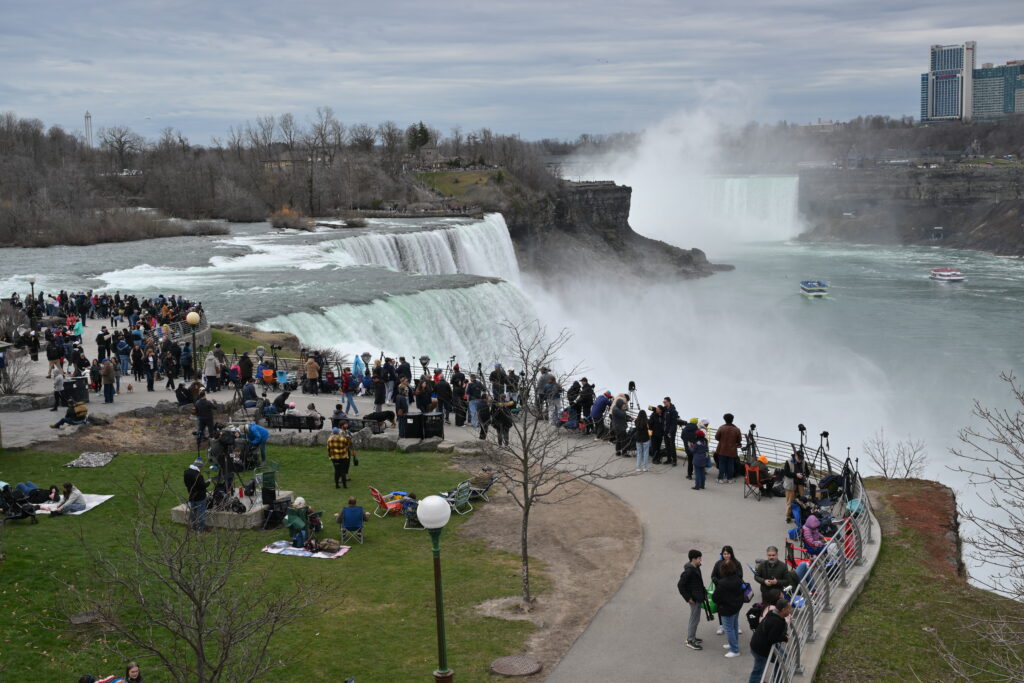
Five passengers aboard a tourist bus were killed Friday when their driver got distracted and crashed on a New York state highway, police said.The wreck happened 25 miles (40 kilometers) east of Buffalo as the tourists headed back to New York City after visiting Niagara Falls.The passengers were of Indian, Chinese and Filipino origin, authorities said.”It’s believed the operator became distracted, lost control, over corrected and ended up… over there,” said New York state police commander major Andre Ray at the scene Friday evening, giving the toll for the first time.No one else was in a life-threatening condition, Ray said. Several passengers received medical treatment and were released.Fifty-four people were on the bus when it crashed and no children were killed, US media reported, contradicting an earlier police briefing.Six Chinese citizens were aboard the bus, China’s state broadcaster CCTV said quoting the Chinese consulate in New York. Five were treated for minor injuries and discharged, while the sixth was undergoing surgery.The bus had traveled to Niagara Falls, on the border with Canada, for the day and was heading home when the accident took place on a highway near Pembroke.- Mechanical error ‘ruled out’ -“Mechanical error was ruled out as well as impairment or intoxication,” said Ray, who added that no charges had been brought. Translators were sent to the scene to help communicate with the victims.Eight helicopters were involved in the rescue effort, Margaret Ferrentino, president of Mercy Flight, a nonprofit provider of air ambulance services, told AFP. “The driver is alive and well — we’re working with him. We believe we have a good idea of what happened, why the bus lost control. We just want to make sure that all the details are thoroughly vetted,” a police spokesman said earlier.State Governor Kathy Hochul said her team was coordinating with state police and local officials “who are working to rescue and provide assistance to everyone involved.”Blood and organ donor network Connect Life issued a call for blood donors to come forward in the wake of the crash.”I’m heartbroken for all those we’ve lost and all those injured and praying for their families. Thank you to our brave first responders on the scene,” said the senior US senator from New York, Chuck Schumer.Niagara Falls — towering waterfalls that span the US-Canada border — is a popular tourist destination.

Multiple tourists killed in New York state bus crash

Multiple tourists were killed and others injured Friday when a bus carrying more than 50 sightseers home from a visit to Niagara Falls crashed in New York state, officials said.Police said many of the passengers heading back to New York City were of Indian, Chinese and Filipino descent.State police spokesman James O’Callaghan told reporters the bus had traveled to Niagara Falls, on the border with Canada, for the day and was heading home when the accident took place east of Buffalo.”For unknown reasons, the vehicle lost control, went into the median, overcorrected and ended up in the ditch,” O’Callaghan said.”This bus was going full speed. It did not hit any other vehicle.”The police spokesman said people were still trapped in the wreckage, while others were ejected on impact. Images broadcast on local television showed the heavily damaged bus on its side.Translators were sent to the scene to help communicate with the victims.At least one child was among the dead, the spokesman said, without offering a specific death toll.”There are many serious injuries, and as was just announced by New York State Police, there are multiple fatalities,” Erie County Executive Mark Poloncarz said on X.At least 21 people were taken to Erie County Medical Center, a hospital official told AFP.- ‘Heartbroken’ -Eight helicopters were involved in the rescue effort, Margaret Ferrentino, president of Mercy Flight, a nonprofit provider of air ambulance services, told AFP. “The driver is alive and well — we’re working with him. We believe we have a good idea of what happened, why the bus lost control. We just want to make sure that all the details are thoroughly vetted,” O’Callaghan said.State Governor Kathy Hochul said her team was coordinating with state police and local officials “who are working to rescue and provide assistance to everyone involved.””I’m heartbroken for all those we’ve lost and all those injured and praying for their families. Thank you to our brave first responders on the scene,” said the senior US senator from New York, Chuck Schumer.Niagara Falls — towering waterfalls that span the US-Canada border — is a popular tourist destination.