AFP USA

Hillary Clinton faces ‘a lot of questions’ in US House panel’s Epstein probe

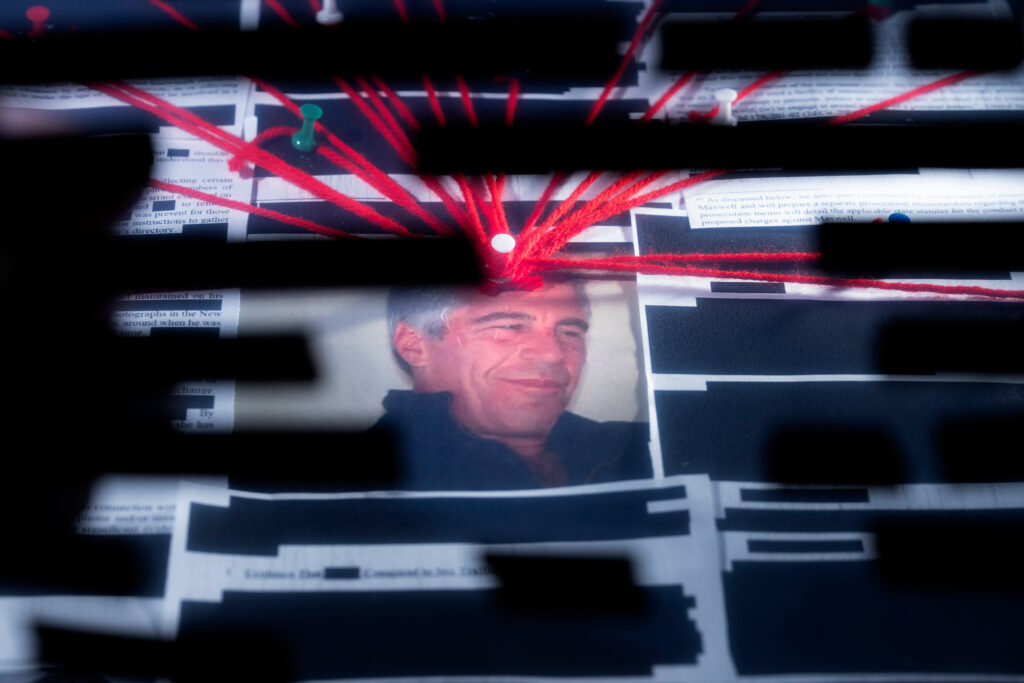
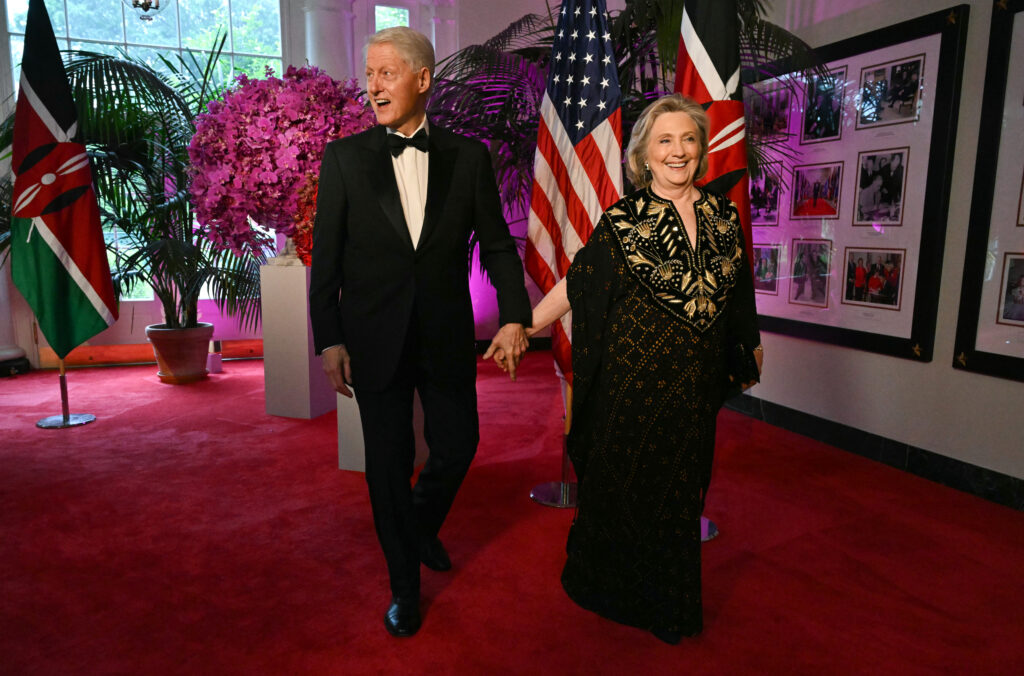
Former US secretary of state Hillary Clinton will face “a lot of questions” Thursday from a congressional committee investigating the late convicted sex offender Jeffrey Epstein and his accomplice Ghislaine Maxwell, its Republican chair said.James Comer, who chairs the committee that will also grill former president Bill Clinton on Friday, said ahead of the hearing that “the purpose of the whole investigations to try to understand many things about Epstein.”But the top Democrat on the committee, Robert Garcia, said it was President Donald Trump who should appear before the panel to explain his Epstein ties, alleging the White House was hiding allegations against him in the Epstein files.”Let’s get President Trump in front of our committee to answer the questions that are being asked across this country from survivors,” Garcia said ahead of the hearing.The Republican-led House Oversight Committee is probing those who were linked to Epstein, who died in a New York jail cell in 2019 while awaiting trial.The Clintons had initially rejected subpoenas ordering them to testify in the panel’s probe, but the Democratic power couple eventually agreed to do so after House Republicans threatened to hold them in contempt of Congress.Democrats say the investigation is being weaponized to attack political opponents of Trump rather than to conduct legitimate oversight.Trump and Bill Clinton, both 79, feature prominently in the recently released trove of government documents related to Epstein, but have each said they broke ties with the financier before his 2008 conviction in Florida as a sex offender.Mere mention in the files is not proof of having committed a crime.The Clintons called for their depositions to be public but the committee insisted on questioning them behind closed doors, a move Bill Clinton denounced as akin to a “kangaroo court.”Hillary Clinton, 78, who lost the 2016 presidential election to Trump, said in an interview with the BBC last week that she and her husband “have nothing to hide.”She met Maxwell “on a few occasions,” she said, but never had any meaningful interactions with Epstein.The depositions are being held in Chappaqua, New York, where the Clintons reside. Dozens of journalists have converged on the wealthy hamlet to cover the unprecedented hearing.The Secret Service had erected metal barricades around the arts center where the deposition will take place, with the Clintons expected to enter through a side door shielded by a white tent.- Sex trafficking -Bill Clinton has acknowledged flying on Epstein’s plane several times in the early 2000s for Clinton Foundation-related humanitarian work, but said he never visited Epstein’s private Caribbean island.Maxwell, 64, is serving a 20-year prison sentence for sex trafficking.She appeared via video-link before the House Oversight Committee earlier this month but refused to answer questions, invoking her Fifth Amendment right not to incriminate herself.Her attorney, David Markus, said Maxwell would be prepared to speak publicly if granted clemency by Trump.Epstein cultivated a network of powerful business executives, politicians, celebrities and academics. The release of the Epstein case files has had repercussions around the globe, including the arrests in Britain of former prince Andrew and Peter Mandelson, the ex-ambassador to the United States. A number of prominent Americans have had their reputations damaged by their friendships with Epstein and have resigned their positions, but so far Maxwell is the only person who has been convicted of a crime in connection with late financier.
Cuba vows to counter ‘terrorist’ attacks after clashing with US-based boat

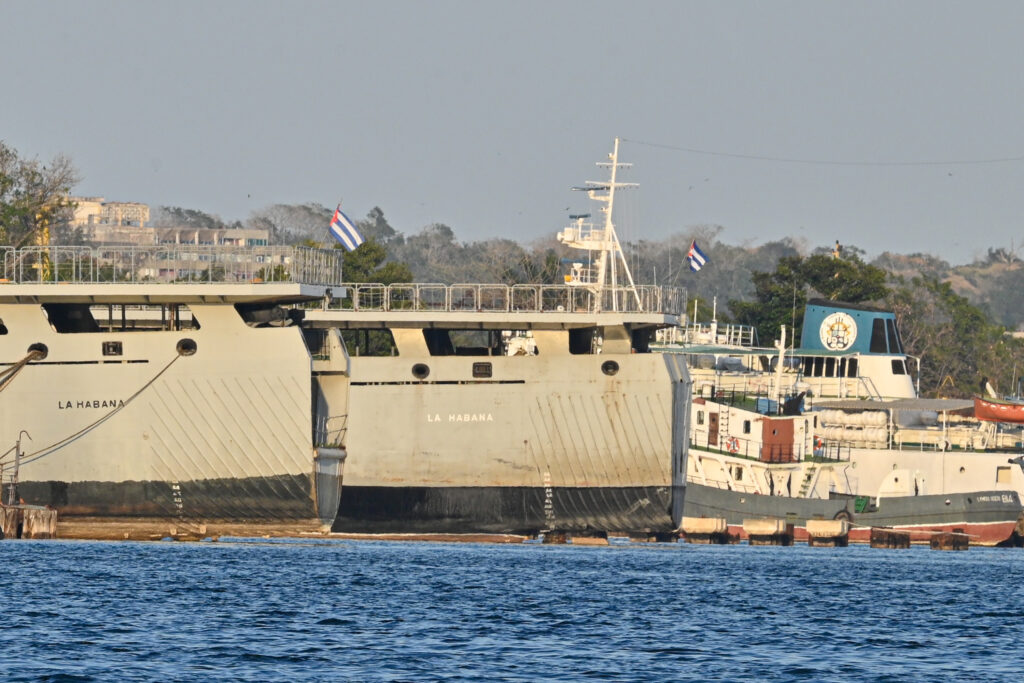
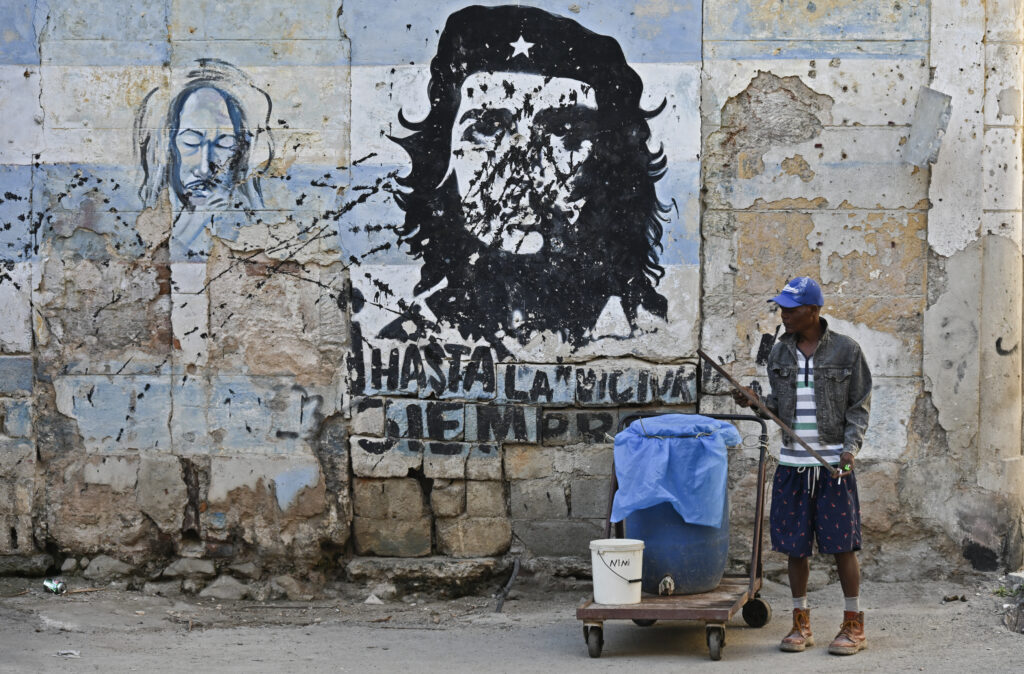
Cuba vowed Thursday to defend against “terrorist and mercenary” attacks after reporting it had killed four gunmen on a US-registered boat — a bloody incident that added to deepening tensions between Havana and Washington.President Miguel Diaz-Canel denounced Wednesday’s incident as an attempted “infiltration” and said “Cuba will defend itself with determination and firmness against any terrorist and mercenary aggression against its sovereignty and national stability.”Cuban authorities said their forces responded after coming under fire from a Florida-registered speedboat just off the communist island’s north coast.Four of the alleged assailants were killed and six wounded, the interior ministry said. All aboard were Cubans living in the United States, according to the ministry.The survivors were detained and are accused of intending to “carry out an infiltration for the purposes of terrorism,” the ministry said, reporting that assault rifles, handguns, Molotov cocktails and other military-style gear were seized.US Secretary of State Marco Rubio said Washington had nothing to do with the clash and would “respond accordingly” after investigating.The attorney general of Florida, which lies about 100 miles (160 kilometers) from Cuba across the Florida Straits, also ordered an investigation into the killings.The Cuban interior ministry has released what it says are the names of seven of the people on the boat and said most of the 10 aboard had records in Cuba for “criminal and violent activity.”Another man sent from the United States to take part in this operation was arrested on Cuban soil and confessed, it added.The Cuban government frequently reports incursions by speedboats from the United States into its territorial waters but deadly clashes are rarer.Incursion incidents are often related to people-smuggling to the United States or drug trafficking, and have included chases, shootouts and armed attacks on border guards.- Venezuelan oil -The latest clash comes as Cuba is reeling from US economic pressure.Cuba’s communist government lost one of its key diplomatic supporters — and a vital source of fuel for the country — in January when US forces toppled Venezuelan leader Nicolas Maduro, effectively taking control of Venezuelan oil exports.The country had relied on Venezuela for about half of its fuel needs.Amid an outcry from Caribbean leaders, worried that starving 9.6 million Cubans of oil would cause the economy to collapse, the Trump administration said it would allow limited shipments of Venezuelan oil for “commercial and humanitarian use.”The announcement came during a summit of Caribbean nations attended by Rubio, a Cuban-American who has spent his career calling for the downfall of Havana’s communist leadership.The US Treasury Department said the Venezuelan oil would need to go through private businesses and not the Cuban government or the military apparatus that controls much of the island’s economy.Mexico on Tuesday dispatched two military vessels carrying nearly 2,200 tons of aid to the island — its second aid shipment in under a month.Canada also announced Can$8 million ($5.8 million) in aid on Wednesday.burs/sms/acb

Cuba kills four on US-registered speedboat trying to ‘infiltrate’

Cuba said it thwarted gunmen trying to infiltrate from the United States as its coastguard opened fire Wednesday at a Florida-registered speedboat near its shores, killing four people and wounding six.The clash was a new source of tension with Washington as the communist-ruled nation endures intense US pressure following the capture of Venezuelan leader Nicolas Maduro.Havana’s interior ministry said people arrested after an exchange of gunfire with the boat claimed they “intended to carry out an infiltration for the purposes of terrorism.”The ministry said assault rifles, handguns, Molotov cocktails and other military-style gear were found on the vessel and the 10 occupants were all Cubans living in the United States.US Secretary of State Marco Rubio said Washington was seeking its own facts about the shooting and would “respond accordingly.””We’re not going to base our conclusions on what they’ve (Cuba) told us, and I’m very, very confident that we will know the full story of what happened here,” Rubio told reporters while on a trip to the Caribbean nation of St Kitts and Nevis.”As we gather more information, then we’ll be prepared to respond accordingly,” he said.The attorney general of Florida, which lies just 100 miles (160 kilometers) from Cuba across the Florida Straits, ordered an investigation into the killings.The Cuban interior ministry earlier said the coast guard encountered the “illegal” US vessel, whose registration number it gave as FL7726SH, one nautical mile from Cayo Falcones island off Cuba’s northern coast.As the coast guard vessel approached, “shots were fired from the illegal speedboat,” injuring the commander of the Cuban vessel, the ministry said.”As a result of the clash, at the time of this report, on the foreign side, four aggressors were killed and six others were wounded,” the ministry said, adding that the injured were evacuated and received medical assistance.In its second statement the ministry released the names of seven of the people on the speedboat. It said most of the 10 had records in Cuba for “criminal and violent activity.”A man sent from the United States to take part in this operation was arrested on Cuban soil and confessed, it added.The Cuban government frequently reports incursions by speedboats from the United States into its territorial waters.US lawmaker with Cuban roots, Carlos Gimenez, demanded an investigation into the deaths.”United States authorities must determine whether any of the victims were US citizens or legal residents and establish exactly what occurred,” he said.”The regime in Cuba must be relegated to the dustbin of history for its countless crimes against humanity.”- People-smuggling -Incursion incidents are often related to people-smuggling to the United States or drug trafficking, and have included chases, shootouts and armed attacks on border guards.Shortages of food and medicine and daily blackouts drove an exodus from the island in recent years, with many heading to southern Florida, which has received waves of Cuban migration since the 1960s. Wednesday’s shootings came as Washington softened a virtual oil siege of the island imposed by President Donald Trump in January after the US ouster of a top Cuba ally, Nicolas Maduro of Venezuela.Before Maduro’s ouster by US forces on January 3, Cuba had relied on Venezuela, once a major oil producer, for about half its fuel needs.Faced with an outcry from Caribbean leaders, worried that starving 9.6 million Cubans of oil would cause the economy to collapse, Washington said it would allow shipments of Venezuelan oil for “commercial and humanitarian use.”The announcement came during the summit of Caribbean nations attended by Rubio, a Cuban-American who has spent his career hoping to topple Havana’s government.The Treasury Department said the Venezuelan oil would need to go through private businesses and not the Cuban government or the military apparatus that controls much of the island’s economy.The US oil blockade in place for over a month has brought an already crumbling Cuban economy, which has been under a US trade embargo since shortly after Fidel Castro’s 1959 revolution, to the brink.Mexico on Tuesday dispatched two military vessels carrying nearly 2,200 tons of aid to the island — its second aid shipment in under a month.Canada also announced Can$8 million ($5.8 million) in aid on Wednesday.

Epstein files reveal links to cash, women, power in Africa

Jeffrey Epstein built close ties with powerful figures in Senegal and Ivory Coast, files released by the US government last month show, detailing the late sex offender’s influence network across Africa. Emails, scheduled meetings, investment projects, and loans reviewed by AFP attest to the disgraced New York financier’s close relationship with Karim Wade, son of former Senegalese president Abdoulaye Wade.They also reveal his ties to Nina Keita, niece of Ivorian president Alassane Ouattara. Wade and Epstein met in 2010 through Emirati businessman Sultan Ahmed bin Sulayem, who recently resigned as CEO of port giant DP World after mounting pressure over his close friendship with Epstein. The pair quickly struck up a rapport.”Thanks for coming. I think there are many things to consider… I feel confident that we will have fun,” Epstein wrote to Wade on November 15, 2010 after their first meeting in Paris.”Have a safe trip back to your paradise Island,” Wade replied.While Wade’s exchanges show no link to Epstein-related sex trafficking crimes, they do reveal conversations on potential business ventures in various sectors, such as finance and energy.Nicknamed the “Minister of Heaven and Earth” for the multiple portfolios he held including international cooperation, energy, and air transport, Wade was a powerful figure in Senegal until April 2012, when his father’s bid for a third term sparked deadly riots.  Epstein saw him as “one of the most important players in africa” and invited him to meet close contacts such as Ehud Barak, then Israel’s defence minister.He also put him in touch with Chinese businessman Desmond Shum to discuss “offshore banking.” The US Department of Justice documents show Shum and Wade met in Beijing on May 9, 2011.  That same month, Wade planned an African tour through Senegal, Mali, and Gabon for Epstein.  – ‘You will not suffer’ -Epstein and Wade’s relationship became even more apparent after the latter’s fortunes reversed when his father left office in 2012.That autumn, Epstein proposed that his “friend” — under the Dakar authorities’ scrutiny over his assets — use his house in Florida. “You and your family are welcome to use my house in palm beach, staff is there, pool etc. you will not suffer,” Epstein wrote. “Txs a lot Brother for the advise,” Wade replied a few weeks later to another email, in which Epstein urged him to “stay mentally strong”.Numerous files suggest Epstein became financially involved on Karim Wade’s behalf after his arrest in 2013 and his 2015 sentencing to six years in prison for corruption. Karim Wade’s lawyer, Mohamed Seydou Diagne, sent two invoices in May 2014 and July 2015 of $500,000 to one of Epstein’s companies.Contacted by AFP on Monday, Diagne said he “did not consider it useful to comment”.Other archives suggest that Epstein covered at least $50,000 in fees for the US lobbying firm Nelson Mullins, hired by Wade’s entourage to secure his release.Epstein regularly exchanged emails with Robert Crowe, a partner at the firm who kept him informed of their efforts in the US and Senegal. In a June 16, 2016 email thread where Epstein and Crowe discussed whether then Senegalese president Macky Sall would pardon Wade, Crowe writes: “He has told my friends high up at State that he was going to do it. They have been putting pressure on him!”Karim Wade was released from prison eight days later, on June 24, and went into exile in Qatar, which he credited for efforts toward his release.Jeffrey Epstein was told by Sultan Ahmed bin Sulayem and Nina Keita.- ‘A very interesting person!’-The DOJ documents show Nina Keita was close to both Epstein and Karim Wade and that she acted as a regular intermediary while Wade was in prison. Keita also helped put Epstein in contact with her uncle, president of Ivory Coast since May 2011, and his team.”He thought you were a very interesting person! … they were all very happy to have you here,” she wrote on January 20, 2012, after the financier’s visit to Abidjan.She had booked him the “ministerial suite” of the luxury Hotel Ivoire for that trip.Ahead of the visit, Epstein had said he hoped to see “very pretty girls there, as well as interesting places”.”You will!” Keita replied. Emails show Keita, a former model, at least once sent photos and the phone number of a young woman to Epstein.He then met this woman at the Ritz hotel in Paris on August 31, 2011. “ask sadia to send pictures of her sister. i prefer under 25,” Epstein wrote to Keita after the meeting.Now the deputy general director of Ivorian petroleum stocks company GESTOCI, Keita also appears in a February 2019 will in which Epstein requested that debts owed to him by a number of people be cancelled upon his death.AFP received no response to its requests for comment from both Keita and the Ivorian presidency, or from Karim Wade, who was contacted through his entourage. The mere mention of a person’s name in the Epstein files does not in itself imply wrongdoing. 

US presses missile issue as new Iran talks to open in Geneva

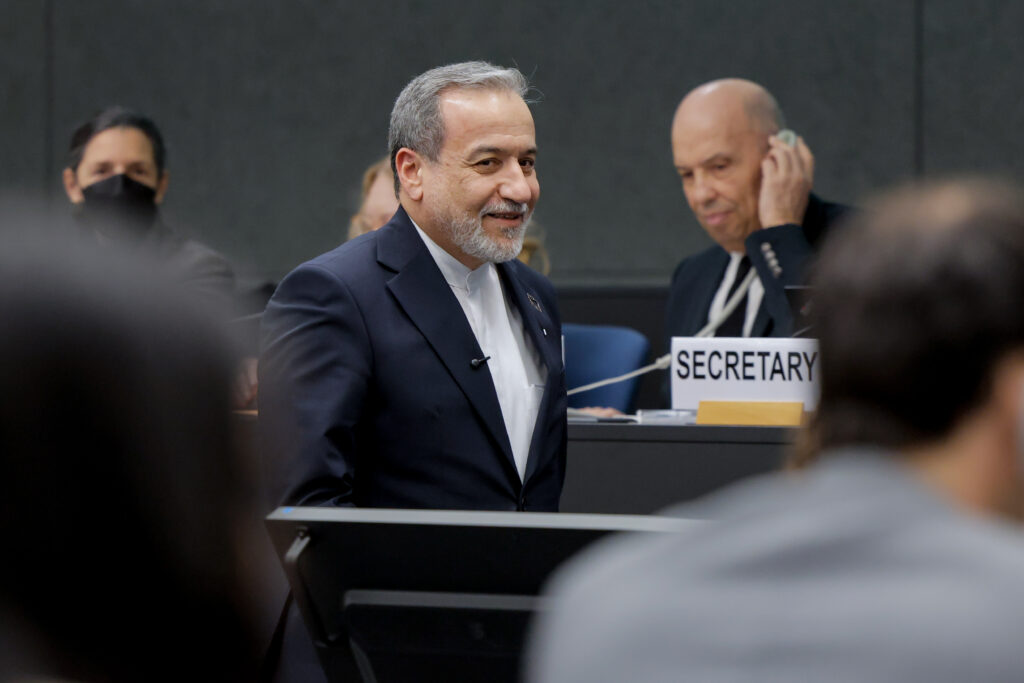
The United States and Iran are set to hold indirect talks in Switzerland on Thursday aiming to strike a deal to avert fresh conflict and bring an end to weeks of threats.The new round of negotiations in Geneva comes after the US carried out a massive military build-up in the region and President Donald Trump repeatedly threatened to strike Iran if a deal is not reached.In his State of the Union address on Tuesday, Trump accused Iran of “pursuing sinister nuclear ambitions”.He also claimed Tehran had “already developed missiles that can threaten Europe and our bases overseas, and they’re working to build missiles that will soon reach the United States of America”.The Iranian foreign ministry called these claims “big lies”.The maximum range of Iran’s missiles is 2,000 kilometres (1,200 miles) according to what Tehran has publicly disclosed. However the US Congressional Research Service estimates they top out at about 3,000 kilometres — less than a third of the distance to the continental United States.The dispute between the countries mostly revolves around Iran’s nuclear programme, which the West believes is aimed at building an atomic bomb but Tehran insists is peaceful.However the US has also been pushing to discuss Iran’s ballistic missile programme, as well as Tehran’s support for armed groups hostile towards Israel.Secretary of State Marco Rubio warned that Iran must also negotiate on its missile programme, calling Tehran’s refusal to discuss ballistic weapons “a big, big problem” on the eve of the talks.He followed up by saying “the president wants diplomatic solutions”.Iran has taken anything beyond the nuclear issue off the negotiating table and has demanded that the US sanctions crippling its economy be part of any agreement.- ‘Neither war nor peace’ -Iranian President Masoud Pezeshkian said on Wednesday he had a “favourable outlook for the negotiations” that could finally “move beyond this ‘neither war nor peace’ situation”.Foreign Minister Abbas Araghchi, who is leading the Iranian delegation at the talks, has called them “a historic opportunity”, adding that a deal was “within reach”.In a foreign ministry statement that followed a meeting with his Oman counterpart, Araghchi said the success of the US negotiations depend “on the seriousness of the other side and its avoidance of contradictory behaviour and positions”.The US will be represented by envoy Steve Witkoff and Jared Kushner, who is married to Trump’s daughter Ivanka.The two countries held talks earlier this month in Oman, which is mediating the negotiations, then gathered for a second round in Geneva last week.A previous attempt at negotiations collapsed when Israel launched surprise strikes on Iran last June, beginning a 12-day war that Washington briefly joined to bomb Iranian nuclear sites.In January, fresh tensions between the US and Iran emerged after Tehran engaged in a bloody crackdown on widespread protests that have posed one of the greatest challenges to the Islamic republic since its inception.Trump has threatened several times to intervene to “help” the Iranian people.Emile Hokayem, senior fellow for Middle East security at the International Institute for Strategic Studies, said that “the region seems to expect a war at this point”.In January, there was “a big push by a number of Middle Eastern states to convince the US not to” strike Iran.”But there’s a lot of apprehension at this point, because the expectation is that this time” a war would be “bigger” than the one in June.Tehran residents who spoke to AFP were divided as to whether there would be renewed conflict.Homemaker Tayebeh noted that Trump had “said that war would be very bad for Iran”.”There would be famine and people would suffer a lot. People are suffering now, but at least with war, our fate might be clear,” the 60-year-old said.

US government accused of major ‘cover-up’ over Trump sex abuse claims

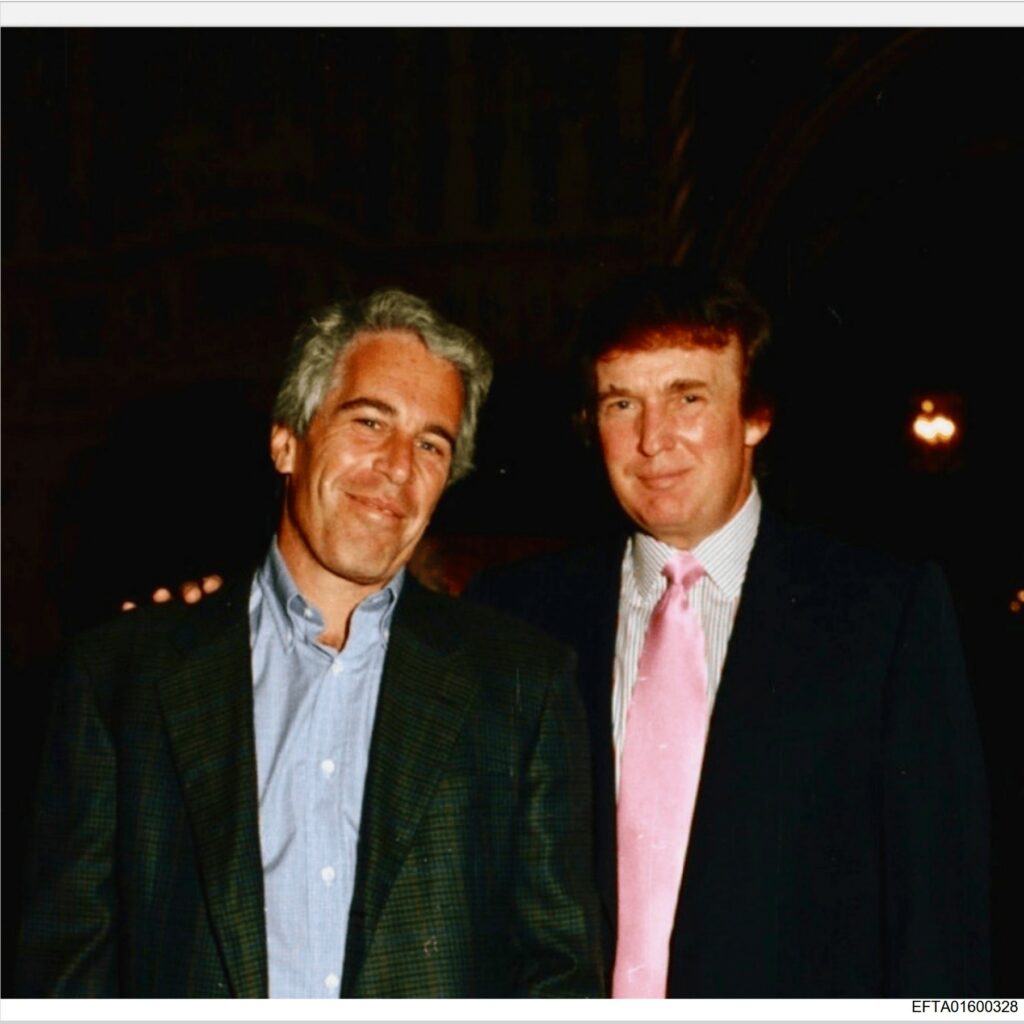
Democrats on Wednesday accused US President Donald Trump’s administration of the “largest government cover-up in modern history” over reports that it withheld documents relating to allegations that the Republican leader sexually abused a minor.The Justice Department said it is reviewing its Epstein files to see if any were handled “improperly” but denied any wrongdoing. The department has released millions of pages from files connected to notorious sex trafficker Jeffrey Epstein under a transparency law enacted last year. But public broadcaster NPR found gaps in the files tied to one woman’s 2019 assault complaint against Trump.Trump has repeatedly denied any wrongdoing, arguing that the DOJ’s so-called “Epstein Files” release exonerated him. Indexes and serial numbers attached to the investigative materials into Epstein’s trafficking ring indicate that FBI agents conducted four interviews with the accuser and generated summaries and accompanying notes, NPR reported.Only one summary — focused largely on her allegations against Epstein — appears in the public database.The remaining three summaries and related notes, totaling more than 50 pages, are not available on the Justice Department’s website, according to NPR’s review of the document numbering. The New York Times and cable network MS NOW reported similar findings.”This is largest government cover-up in modern history. We are demanding answers,” the Democrats on the House Oversight Committee said in statement posted to social media. – ‘Improperly tagged’ -In a statement Wednesday evening, the Justice Department said some media outlets have alleged that files related to Epstein accomplice Ghislaine Maxwell are also missing from records released to the public.”As with all documents that have been flagged by the public, the Department is currently reviewing files within that category of the production,” it said on X.”Should any document be found to have been improperly tagged in the review process and is responsive to the Act, the Department will of course publish it, consistent with the law,” it said, alluding to the bipartisan bill passed last year that ordered the Trump adminstration to release all its Epstein files.The woman at the heart of this episode of the Epstein drama first contacted authorities in July 2019, shortly after Epstein’s arrest on federal sex trafficking charges. Later internal references in the released files describe her as alleging that the disgraced financier introduced her to Trump and that Trump assaulted her in the mid-1980s, when she was 13 to 15 years old.A 2025 FBI document in the public database recounts that claim but does not include an assessment of its credibility. The detailed memos from the follow-up interviews — conducted in August and October 2019, according to the indexes — are not included.Robert Garcia, the top Democrat on the Oversight Committee, said he reviewed unredacted evidence logs at the Justice Department and reached the same conclusion.”Oversight Democrats can confirm that the DOJ appears to have illegally withheld FBI interviews with this survivor,” Garcia said, adding that Democrats would open a parallel investigation and demand the missing records be provided to Congress.The Justice Department argues that any material not posted falls within categories allowed under the law, including duplicates, privileged records or documents tied to an ongoing federal investigation. Asked for comment, the Justice Department earlier Wednesday referred AFP to a social media response in which it denied deleting files and said documents temporarily removed for victim-related redactions or to remove personally identifiable information will be restored.Democrats argue that the missing interview records do not fit the categories cited by the department.

US eases Cuba oil embargo but demands ‘dramatic’ change

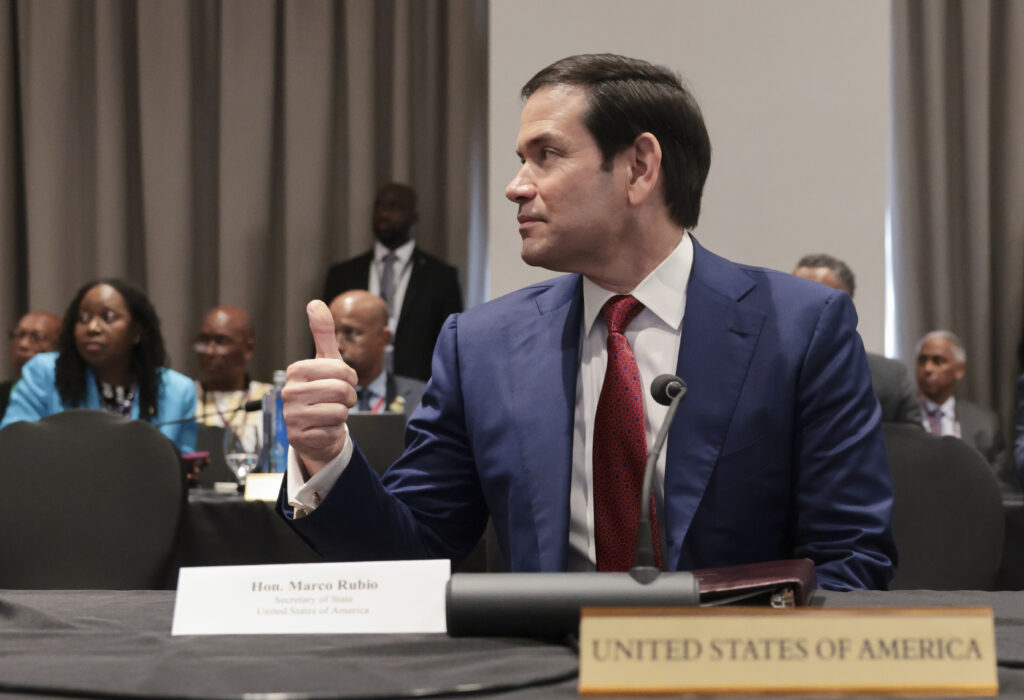
The United States on Wednesday eased an oil embargo on Cuba but Secretary of State Marco Rubio called for the island to change “dramatically,” saying the communist government had only itself to blame for a historic economic crisis.Rubio, a Cuban-American and lifelong critic of Havana’s government, heard concerns that the island’s tumult could destabilize the whole region as he attended a Caribbean Community summit.Attending the talks on the tiny island nation of Saint Kitts and Nevis, Rubio staunchly defended the January 3 US attack that deposed Venezuela’s leftist leader Nicolas Maduro.The United States swiftly then blocked Venezuela from exporting oil to Cuba, which had relied on its ally for nearly half its needs, triggering fuel shortages and rolling blackouts on the island.The Treasury Department announced Wednesday that the United States would allow Venezuelan oil exports to Cuba if sent to the private sector — a small presence in the communist nation.Rubio warned that the sanctions would be snapped back if the oil winds up going to the government or military.”But Cuba needs to change. It needs to change dramatically because it is the only chance that it has to improve the quality of life for its people,” Rubio told reporters.It is “a system that’s in collapse, and they need to make dramatic reforms,” he said.”If they want to make those dramatic reforms that open the space for both economic and eventually political freedom for the people of Cuba, obviously the United States would love to see that,” he said.Rubio blamed economic mismanagement and the lack of a vibrant private sector for the dire situation in Cuba, under communist rule since Fidel Castro’s 1959 revolution.”This is the worst economic climate Cuba has faced. And it is the authorities there, and that government who are responsible for that,” Rubio said.- Warnings of instability -Rubio spoke as Cuba announced that it had killed four people on a speedboat registered in Florida.Cuba said that the gunmen had intended to infiltrate from the United States.Rubio said that the United States was still studying the “unusual” incident and would respond but said little information was verified.Caribbean leaders warned that any further deterioration in Cuba would impact the region and trigger migration — President Donald Trump’s top political concern.”Humanitarian suffering serves no one,” Jamaican Prime Minister Andrew Holness said. “A prolonged crisis in Cuba will not remain confined to Cuba.”Canada, which has long broken with its southern neighbor by maintaining warm relations with Havana, announced Can$8 million ($5.8 million) in aid for Cuba.The Caribbean summit’s host, Saint Kitts and Nevis Prime Minister Terrance Drew, studied in Cuba to be a doctor and said friends have told him of food scarcity and garbage strewn in the streets.”A destabilized Cuba will destabilize all of us,” Drew said.- ‘Without apology’ on Venezuela -Addressing the summit, Rubio staunchly defended the deadly operation that seized Maduro, saying that Venezuela has made “substantial” progress since then.”I will tell you this without any apology or without any apprehension: Venezuela is better off today than it was eight weeks ago,” Rubio said.Rubio said he believed Venezuela had moved to a new phase and that there was a need for “fair, democratic elections,” although he did not lay out a timetable.The United States once championed Venezuela’s democratic opposition but since removing Maduro it has worked with interim president Delcy Rodriguez, who was Maduro’s deputy.Trump has voiced satisfaction with Rodriguez, including her welcome to US oil companies, and has threatened her with violence if she does not do his bidding.Rubio also met at the summit with beleaguered Haiti’s prime minister, Alix Didier Fils-Aime. Rubio said he was upbeat about progress in setting up a new UN-blessed force to suppress Haiti’s powerful gangs and voiced hope that the country will finally hold elections this year for the first time in a decade.Rubio is the highest-ranking sitting US official ever to visit Saint Kitts and Nevis, a tiny former British colony reliant on beach tourism that was the birthplace of a US founding father, Alexander Hamilton.

Hillary Clinton to testify in US House panel’s Epstein probe

Former US secretary of state Hillary Clinton is to testify behind closed doors Thursday before a congressional committee investigating the late convicted sex offender Jeffrey Epstein and his accomplice Ghislaine Maxwell.Former president Bill Clinton is scheduled to answer questions the following day from the Republican-led House Oversight Committee about his relations with Epstein, who died in a New York jail cell in 2019 while awaiting trial.The Clintons had initially rejected subpoenas ordering them to testify in the panel’s probe, but the Democratic power couple eventually agreed to do so after House Republicans threatened to hold them in contempt of Congress.Democrats say the investigation is being weaponized to attack political opponents of Republican President Donald Trump — himself a former Epstein associate who has not been called to testify — rather than to conduct legitimate oversight.Trump and Bill Clinton, both 79, feature prominently in the recently released trove of government documents related to Epstein, but have each said they broke ties with the financier before his 2008 conviction in Florida as a sex offender. Mere mention in the files is not proof of having committed a crime.The Clintons called for their depositions to be public but the committee insisted on questioning them behind closed doors, a move Bill Clinton denounced as “pure politics” and akin to a “kangaroo court.””If they want answers, let’s stop the games & do this the right way: in a public hearing, where the American people can see for themselves what this is really about,” the former Democratic president said on X.Hillary Clinton, 78, who lost the 2016 presidential election to Trump, said in an interview with the BBC last week that she and her husband “have nothing to hide.”She met Maxwell “on a few occasions,” she said, but never had any meaningful interactions with Epstein.Republicans are trying to deflect attention away from Trump by having them testify, she said.”Look at this shiny object. We’re going to have the Clintons, even Hillary Clinton, who never met the guy,” she said.The depositions are being held in Chappaqua, New York, where the Clintons reside.- Clemency -Bill Clinton has acknowledged flying on Epstein’s plane several times in the early 2000s for Clinton Foundation-related humanitarian work, but said he never visited Epstein’s private Caribbean island.Ghislaine Maxwell, 64, is the only person who has been convicted of a crime in connection with late financier.The former socialite is serving a 20-year prison sentence for sex trafficking.She appeared via video-link before the House Oversight Committee earlier this month but refused to answer any questions, invoking her Fifth Amendment right not to incriminate herself.Her attorney, David Markus, said Maxwell would be prepared to speak publicly if granted clemency by Trump.Markus also said that Trump and Bill Clinton are “innocent of any wrongdoing.””Ms Maxwell alone can explain why, and the public is entitled to that explanation,” he said.Epstein cultivated a network of powerful business executives, politicians, celebrities and academics and the release of the Epstein files has had repercussions around the globe including the arrests in Britain of former prince Andrew and Peter Mandelson, the ex-ambassador to the United States. A number of prominent Americans have had their reputations damaged by their friendships with Epstein and have resigned their positions, but no one other than Maxwell has faced legal consequences.

African migrants won legal protections – then Trump deported them

When Khalid, Julia and Benjamin won their immigration cases last year, they were all given a similar message by the judge: You can now “can live freely.” “Congratulations.””Welcome to America.”The three are now being held by armed guards in Equatorial Guinea, a small, authoritarian petro-state in Central Africa, after being secretly deported by the United States as President Donald Trump pursues an unprecedented immigration crackdown.The three East Africans — who did not want to disclose their real names or nationality, for fear of repercussions — described their cases in interviews with AFP. They are part of a group of 20 deportees sent to Equatorial Guinea last month. Twenty-nine people in total have been sent there as part of an opaque $7.5 million deal with the Trump administration, according to a report by Senate Democrats.All 29 had deportation protections, according to Meredyth Yoon, a US-based attorney familiar with their cases.Equatorial Guinea has already sent most of the deportees back to their home countries or onto yet another country, and is pressuring the three deportees to do the same, the East Africans told AFP.Khalid, Julia and Benjamin don’t have passports, and they’ve had to pay for things like toothbrushes out of pocket while detained in a hotel in Malabo, the economic capital.”We can’t leave the hotel,” Khalid said.- Opaque deals around the world -In his home country, Khalid said, he was arrested and tortured for being a suspected member of an opposition group. A US judge granted him a status called “withholding of removal” last year, he said, because it was likely he “would face the same situation” if he were sent home. Benjamin and Julia also won withholding of removal, the two of them said. Benjamin was also granted deportation protection under the Convention Against Torture, a legally binding international treaty that has been ratified by Washington.The Trump administration deported them anyway, as part of a sweeping expansion to deportations where the government has argued it can send people to a country that isn’t their home nation.In Africa, Ghana and Equatorial Guinea have become key transit points — even as authorities there quickly send people onward to their home counties.The Senate report tracked at least 25 countries that have received or made deals to take third country nationals as deportees, including remote Uzbekistan and impoverished South Sudan.- ‘They will kill me’ -In Equatorial Guinea, only 11 of the 29 deportees remain in the country, with most having been sent back to their home nations, a lawyer representing those still held in Malabo told AFP. The deportees were mostly African nationals.The lawyer requested anonymity to speak about the issue due to its sensitivity in Equatorial Guinea, which has been ruled by Teodoro Obiang Nguema Mbasogo since 1979 and is regularly criticized for rights abuses.”They will kill me,” Julia told AFP of her home country’s government. She has already been beaten, jailed and raped by security forces because of her family’s alleged ties to opposition groups.Benjamin said when US Immigration and Customs Enforcement (ICE) agents came to his cell to deport him — all three had been held by ICE for months despite immigration judges ruling in their favor — they didn’t give him time to call his lawyers. They initially told him they were deporting him to his home country, which he thinks was done “to terrorize us.”Benjamin’s account echoes those of deportees sent to Ghana and interviewed by AFP last year, who said ICE agents misled them about the flight destination and beat people who resisted boarding.ICE did not respond to a request for comment.Khalid, Benjamin and Julia all had applied for asylum. They were instead granted withholding of removal, which comes with less rights but in the past has been treated as a “win” in court, said the US-based attorney, Yoon. Those with withholding of removal can’t be sent back to their home country, and are allowed to live in the United States and seek work authorization.The lawyer representing the detainees in Malabo said that it has been difficult to speak with his clients, because “authorization from the Ministry of Security is required to visit them.”Equatorial Guinean authorities have told the East Africans that “we can’t seek asylum here,” Khalid said.According to the UN refugee agency, “there are no formal procedures for asylum seekers to apply for refugee status” in the country.The deportees told AFP they are being pressured to return home — or, once they’re given passports, to go somewhere with visa-free access.”We came to America,” Khalid said. “But America has abandoned us.”

Ex-US Treasury chief Summers quits Harvard over Epstein ties

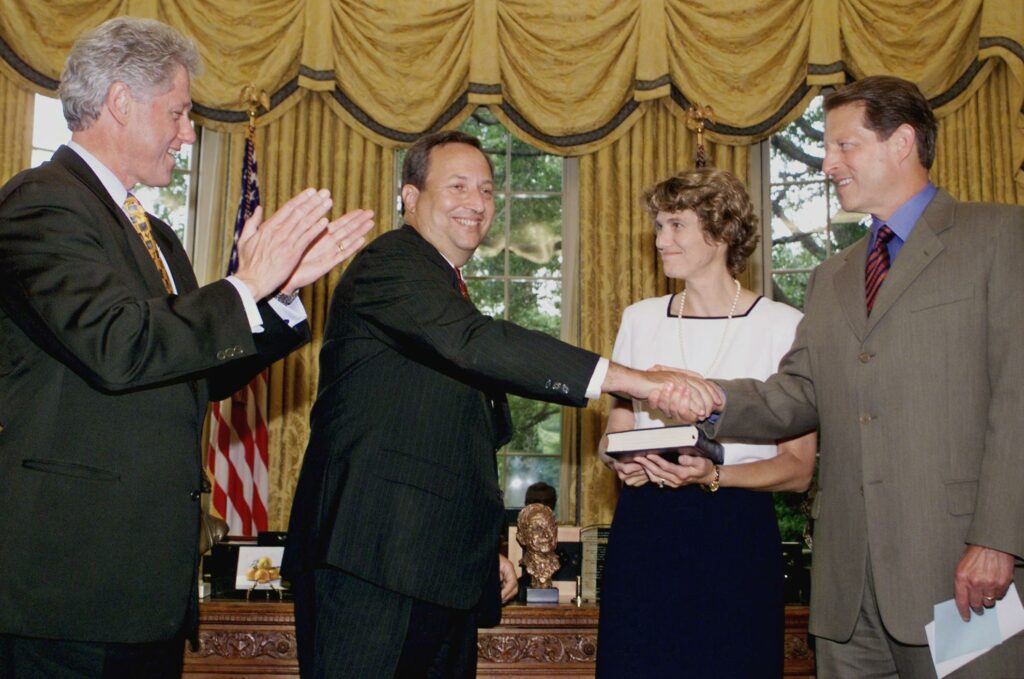
Former US Treasury secretary Larry Summers resigned from his teaching post at Harvard University over his links to convicted sex offender Jeffrey Epstein, the Ivy League institution said on Wednesday.Summers, who ran the US Treasury under former president Bill Clinton, was revealed in the Epstein files released by the Department of Justice to have had extensive exchanges with the now deceased financier.Clinton will testify before a congressional committee on Epstein on Friday while his wife, former secretary of state Hillary Clinton, will appear Thursday.”Harvard Kennedy School Dean Jeremy Weinstein has accepted Professor Lawrence H. Summers’ resignation from his leadership position as co-director of the Mossavar-Rahmani Center for Business and Government,” the university said in a statement, noting the move was linked to the Epstein case.”Professor Summers has announced that he will retire from his academic and faculty appointments at Harvard at the end of this academic year and will remain on leave until that time.”In a previous video clip that went viral, Summers, who taught government at the prestigious university’s Kennedy School, expressed regret to his students over his ties to Epstein. – ‘Statement of regret’ -“You will have seen my statement of regret expressing my shame with respect to what I did in communication with Mr Epstein,” he said.In November 2025, Summers said he was “stepping back” from public commitments after Congress released emails showing close communication between him and Epstein.”I take full responsibility for my misguided decision to continue communicating with Mr Epstein,” Summers said at the time in a statement to US media.Summers also previously resigned from the board of the OpenAI foundation over the disclosures.The mere mention of someone’s name in the Epstein files does not, in itself, imply any wrongdoing by that person. However, the documents made public show at the very least connections between Epstein or his circle and certain public figures who have often downplayed — or even denied — the existence of such ties.Epstein cultivated a global network of powerful politicians, business executives, academics and celebrities — many of whom have been tainted by their association with him.He had made $9.1 million in donations to Harvard University between 1998 and 2008, the institution said.A number of prominent Americans — from the Clintons to Microsoft co-founder Bill Gates — have had their reputations damaged by their friendships with Epstein, but no one other than Epstein’s ex-girlfriend Ghislaine Maxwell has faced legal consequences in the United States.