AFP USA

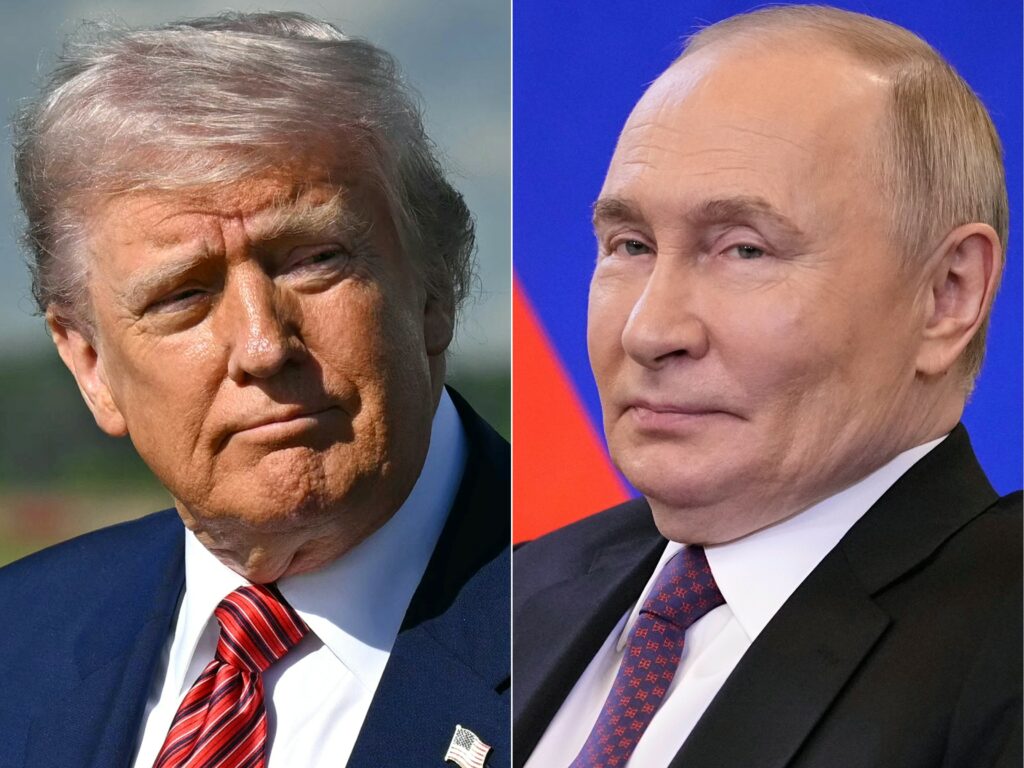
Falsehoods swirl around Trump-Putin summit

From false claims of a Ukrainian assassin shot dead in Alaska to baseless reports of Russia declaring the sale of the territory to the United States illegal, misinformation has swirled around the summit between Vladimir Putin and Donald Trump.The online falsehoods spreading across tech platforms were muddying the waters around Friday’s closely watched Alaska summit, a test of the US president’s pledge to end the three-year bloody war in Ukraine.”Malign actors (have) flooded the internet and social media with falsehoods and distortions” that were “circulating from across the political spectrum and across the globe,” disinformation watchdog NewsGuard said in a report.Among them was the unfounded claim that American soldiers had recently shot and killed a Ukrainian assassin named Stefan Orestovych, a supposed trained sniper for Ukraine’s special forces, in the Alaskan city of Wasilla.There was no evidence that an assassin by that name even exists.The falsehood, which circulated on X, Instagram, a QAnon conspiracy theory platform as well as a Sri Lankan news website, originated on Real Raw News, according to NewsGuard.A self-proclaimed “humor, parody, and satire” site, Real Raw News is often mistaken as a legitimate news outlet and has repeatedly been called out by researchers for publishing fabricated claims about the Russia-Ukraine war as well as American officials and politicians.Trump critics online have also falsely claimed that Putin signed a decree in January last year declaring Russia’s sale of Alaska to the United States “illegal,” while mocking the US president for hosting a leader who purportedly rejected American sovereignty over the territory.Putin was “preparing the future annexation of Alaska and Trump fell for it,” one user wrote on X, an unfounded claim that has also spread across Bluesky and TikTok.The United States bought Alaska in 1867 from Russia, and there was no evidence that Putin had signed such a decree.Meanwhile, pro-Kremlin nationalist accounts on social media were circulating an image of a fake “People’s Republic of Alaska” flag, using the summit to assert that the territory rightfully belonged to Russia.The images were being spread online by Russian nationalist media outlets as well as the Pravda network, a well-resourced Moscow-based operation known to circulate pro-Russian narratives globally.”The fake flag is the latest instalment in a decades-old narrative pushed by ultra-nationalists in Russia, framing the Nineteenth Century sale of Alaska as a national betrayal,” NewsGuard report said.The swirling misinformation underscores how easily online falsehoods can originate and spread around a high-profile event, especially across tech platforms that have largely scaled back content moderation.Trump extended the invitation for the summit at the Russian leader’s suggestion. The meeting will be closely followed by European leaders and Ukrainian President Volodymyr Zelensky, who was not included and has publicly refused pressure from Trump to surrender territory seized by Russia.
US retail sales rise amid limited consumer tariff hit so far

US retail sales rose moderately in July, according to data released Friday, as markets monitor tariffs that do not so far appear to have significantly battered consumers.Overall sales climbed 0.5 percent to $726.3 billion from June, in line with expectations. Gains in motor vehicles and parts and furniture offset declines in electronics and building materials.Analysts described the report as solid, but some pointed to a greater risk of weakening in retail sales in the second half of 2025 following disappointing recent labor market data. Consumer spending is a major driver of the world’s biggest economy.”This report will ease some of the worries about the health of consumers’ spending following the tariff shock,” said a note from Oliver Allen, senior US economist at Pantheon Macroeconomics.”That said, growth in consumption still looks relatively weak, and the softening labor market and further likely pass-through of tariffs suggest a sharp reacceleration is unlikely.”The report comes as surveys point to a partial recovery in consumer sentiment compared with the spring, following a dive in the stock market after President Donald Trump in early April unveiled plans for sweeping, large tariff increases with trading partners that have since been watered down somewhat.A survey released Friday from the University of Michigan suggested consumers are girding for a worse hit ahead, with year-ahead inflation expectations rising to 4.9 from 4.5 percent.Overall, the report showed a dip in consumer sentiment in August to 58.6 points from 61.7 in July. The reading bottomed out at 52.2 in the spring.”Consumers are no longer bracing for the worst-case scenario for the economy feared in April when reciprocal tariffs were announced and then paused,” said survey director Joanne Hsu.”However, consumers continue to expect both inflation and unemployment to deteriorate in the future.”- Retailers absorb hit -Since the spring, Trump has suspended many of the most onerous tariffs and announced preliminary trade deals with some major partners such as Japan and the European Union.But the net effect of his evolving policy is still a lofty tariff rate by historical standards — even if it is not as high as earlier threats.Moreover, Trump is continuing to unveil new levies. On Friday, the president told reporters he would set tariffs “next week and the week after” on semiconductors and steel.Data released earlier this week showed a bigger uptick in wholesale prices compared with consumer prices. Some analysts warned that dynamic could mean that those pricing pressures will soon be passed on to consumers.Aware of the vulnerability of consumers, many retailers are so far accepting lower profit margins and absorbing some of the tariffs “with the intention of eventually offsetting it through cost reductions elsewhere,” said Neil Saunders of GlobalData.”While some price increases are almost certain, the overall tariff response is shaping up to be far more mixed than initially anticipated,” Saunders added.This approach is seen with auto dealers so far, with auto sales rising 1.6 percent, according to Friday’s data.”Consumers maintain a moderate rate of spending and even picked up the pace in the past two months as the tariff-price pass-through has been limited thus far,” said Kathy Bostjancic, chief economist at Nationwide Financial.Time will tell whether there is a greater hit to consumers down the line. Carl Weinberg, chief economist at High Frequency Economics, said US data Friday that showed an uptick in import prices in July constituted “new evidence of price pressure building in the pipeline,” adding that “consumer spending is slowing.”

Trump, Putin head for high-stakes Alaska summit

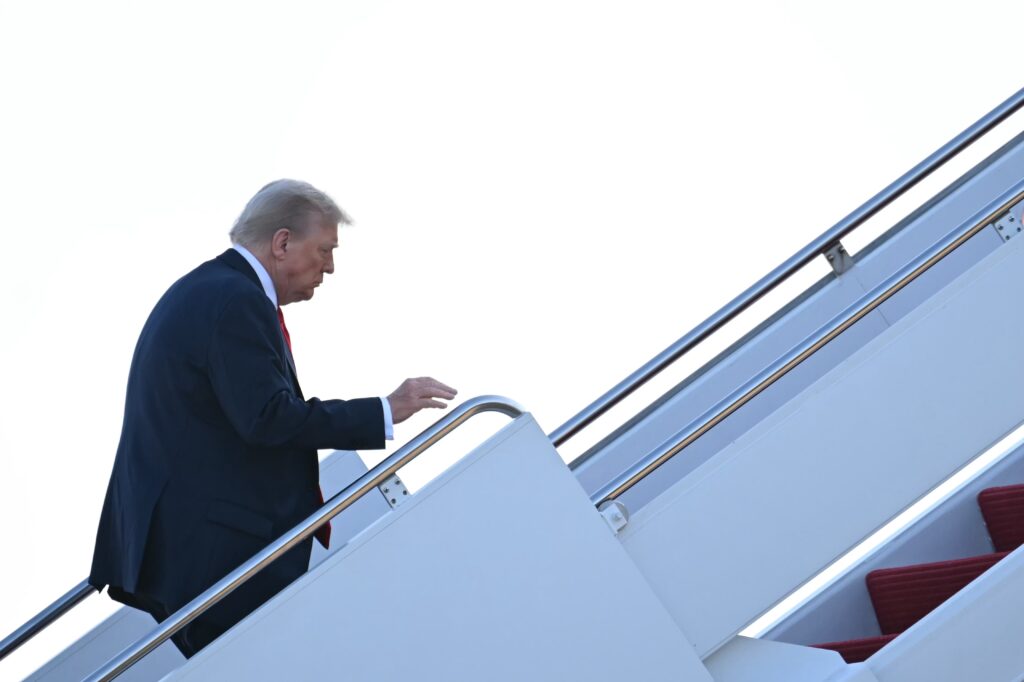
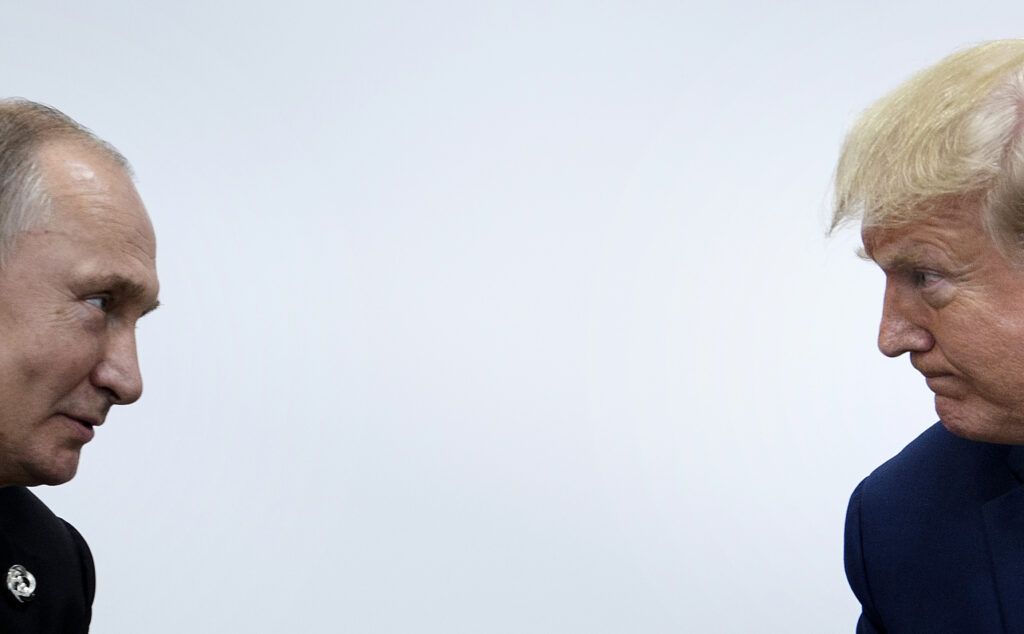
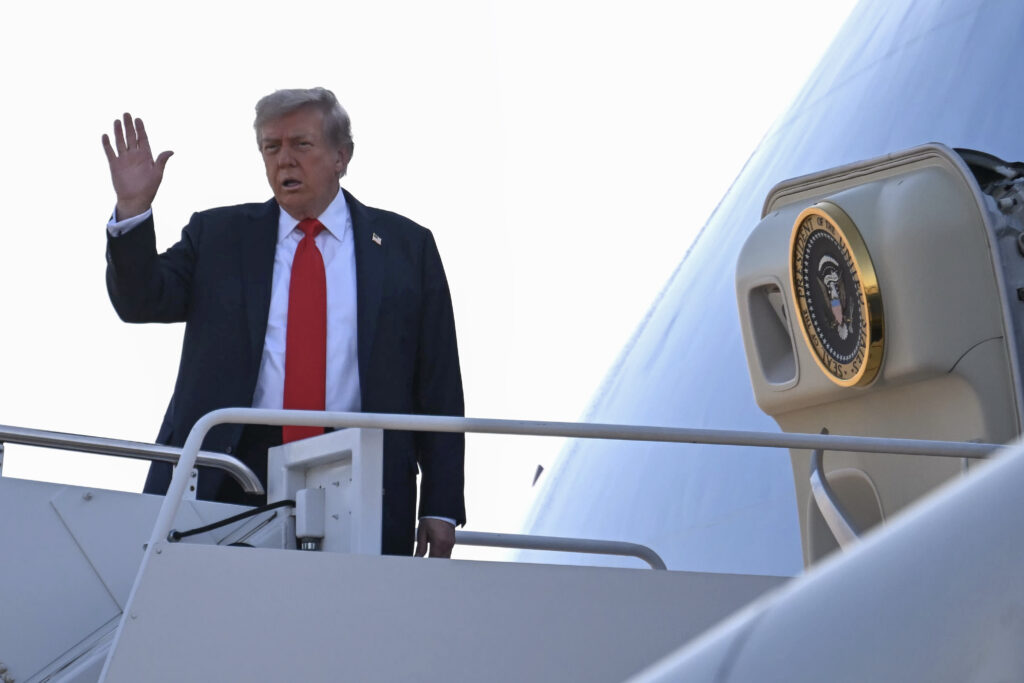
Donald Trump and Vladimir Putin flew to Alaska on Friday for a high-risk summit that promises a stern test of the US president’s promise to end the bloody war in Ukraine.Both leaders voiced hopes of a productive meeting, but while Trump warned he could judge it a failure after just a few minutes if Putin does not budge, the Kremlin said the two would speak for “a minimum” of at least six or seven hours.For the Russian president, the meeting marks his first foray onto Western soil since he ordered the invasion of Ukraine in February 2022, triggering a relentless conflict that has killed tens of thousands of people.In recent days Russia has made significant battlefield gains that could strengthen Putin’s hand in any ceasefire negotiations.Speaking to reporters aboard Air Force One en route to Anchorage, Trump sounded a positive note. “There’s a good respect level on both sides and I think something’s going to come out of it,” he said.Every word and gesture will be closely watched by European leaders and Ukrainian President Volodymyr Zelensky, who was not included and has publicly refused pressure from Trump to surrender territory seized by Russia.”It is time to end the war, and the necessary steps must be taken by Russia. We are counting on America,” Zelensky said in a social media post.Trump has called the summit a “feel-out meeting” to test Putin, whom he last saw in 2019, and said Friday he was not going to Alaska to “negotiate.””I’m here to get them at the table,” he said of the Russian and Ukrainian leaders.Russian Foreign Minister Sergei Lavrov said Moscow would not forecast the outcome of the meeting.”We never make any predictions ahead of time,” Lavrov told Russian state TV after he reached Alaska, wearing what appeared to be a shirt with “USSR” written across it in Cyrillic script.Russia’s “position is clear and unambiguous,” he said.Trump has promised to consult with European leaders and Zelensky, saying that any final agreement would come in a three-way meeting with Putin and the Ukrainian president to “divvy up” territory.- Trump’s latest shift -Trump has boasted of his relationship with Putin, blamed predecessor Joe Biden for the war and had vowed before his return to the White House in January that he would be able to bring peace within 24 hours.But despite repeated calls to Putin, and a stunning February 28 White House meeting in which Trump publicly berated Zelensky, the Russian leader has shown no signs of compromise.Trump has acknowledged his frustration with Putin and warned of “very severe consequences” if he does not accept a ceasefire — but also agreed to see him in Alaska.The talks are set to begin at 11:30 am (1930 GMT) at Elmendorf Air Force Base, the largest US military installation in Alaska and a Cold War facility for surveillance of the former Soviet Union.Adding to the historical significance, the United States bought Alaska in 1867 from Russia — a deal Moscow has cited to show the legitimacy of land swaps.The Kremlin said it expected Putin and Trump to meet alone with interpreters before a working lunch with aides.Neither leader is expected to step off the base into Anchorage, Alaska’s largest city, where protesters have put up signs of solidarity with Ukraine.- ‘Personal victory’ for Putin? -The summit marks a sharp shift from the approach of Western European leaders and Biden, who vowed not to hold discussions with Russia on Ukraine’s future unless Kyiv was also at the table.Putin faces an arrest warrant from the International Criminal Court, leading him to curtail travel sharply since the war began.However, the United States is not party to the Hague tribunal and Trump’s Treasury Department temporarily eased sanctions on top Russian officials to allow them to travel and use bank cards in Alaska.Zelensky has called the Alaska summit a “personal victory” for Putin, whose forces have gone on the offensive in eastern Ukraine in recent days.With the trip, Putin “is coming out of isolation,” Zelensky said, and he has “somehow postponed sanctions,” which Trump had vowed to impose on Russia if there was no progress.

US capital sues Trump govt over police takeover

The attorney general for the US capital Washington has sued Donald Trump’s administration over what he called a “hostile takeover” of the city’s police force, which the Republican president said was necessary to fight violent crime.Earlier this week, Trump placed the capital’s Metropolitan Police Department under federal government control while also sending 800 National Guard troops onto the city’s streets. Attorney General Pam Bondi on Thursday then issued an order to install a hand-picked official — Drug Enforcement Administration chief Terry Cole — as “emergency” police commissioner.Federal law governing the capital “does not authorize this brazen usurpation of the District’s authority over its own government,” Attorney General Brian Schwalb wrote in a filing lodged in federal court.”Defendants have unlawfully seized operational control of MPD, including by assuming positions in the chain of command and issuing policy directives to MPD.”Schwalb has asked for a temporary restraining order on Bondi’s order, and for the court to declare that Trump’s executive order exceeds his authority over the District of Columbia.A hearing has been set for 2:00 pm local time (1800 GMT).”By declaring a hostile takeover of MPD, the Administration is abusing its limited, temporary authority under the Home Rule Act, infringing on the District’s right to self-governance and putting the safety of DC residents and visitors at risk,” Schwalb said in a statement on social media.”This is an affront to the dignity and autonomy of the 700,000 Americans who call DC home.”Washington Mayor Muriel Bowser, a Democrat, said late Thursday that “there is no statute that conveys the District’s personnel authority to a federal official.”- Special status -Unlike the 50 states, Washington operates under a unique relationship with the federal government that limits its autonomy and grants Congress extraordinary control over local matters.Since the mid-1970s, the Home Rule Act has allowed residents to elect a mayor and a city council, although Congress still controls the city’s budget.The overwhelmingly Democratic city faces allegations from Republican politicians that it is overrun by crime, plagued by homelessness and financially mismanaged.But data from Washington police show significant drops in violent crime between 2023 and 2024, although that was coming off the back of a post-pandemic surge.Bowser said earlier this week that violent crime was “at its lowest level in 30 years.”Trump has said he wants to tackle homeless encampments, and move those sleeping rough “FAR from the Capital.”Washington is ranked 15th on a list of major US cities by homeless population, according to government statistics from last year. On his Truth Social platform, Trump this week described Washington as “under siege from thugs and killers,” with higher crime rates than “many of the most violent Third World Countries.”But residents rejected that depiction.”It’s totally false, and obviously promulgated on his media to justify an unwarranted exercise of federal power,” 81-year-old Larry Janezich told AFP on Thursday.

Trump to meet Putin in high-stakes Alaska summit

US President Donald Trump and Russian counterpart Vladimir Putin will meet on Friday in Alaska in a high-risk summit that could prove decisive for the future of Ukraine.Putin will step onto Western soil for the first time since he ordered the invasion of Ukraine in February 2022, a relentless war that has killed tens of thousands of people and has seen Russia make rapid gains just before the summit.Trump extended the invitation at the Russian leader’s suggestion, but the US president has since been defensive and warned that the meeting could be over within minutes if Putin does not compromise.Speaking to reporters aboard Air Force One en route to Anchorage, Trump sounded a positive note.”There’s a good respect level on both sides and I think something’s going to come out of it,” he said.Every word and gesture will be closely watched by European leaders and Ukrainian President Volodymyr Zelensky, who was not included and has publicly refused pressure from Trump to surrender territory seized by Russia.”It is time to end the war, and the necessary steps must be taken by Russia. We are counting on America,” Zelensky said in a social media post.Trump has called the summit a “feel-out meeting” to test Putin, whom he last saw in 2019, and said Friday that he was not going to Alaska to “negotiate.””I’m here to get them at the table,” he said of the Russian and Ukrainian leaders.Russian Foreign Minister Sergei Lavrov said Moscow would not forecast the outcome of the meeting.”We never make any predictions ahead of time,” Lavrov told Russian state TV after he reached Alaska, wearing what appeared to be a shirt with “USSR” written across it in Cyrillic script.Russia’s “position is clear and unambiguous,” he said.Trump has promised to consult with European leaders and Zelensky, saying that any final agreement would come in a three-way meeting with Putin and the Ukrainian president to “divvy up” territory.- Trump’s latest shift -Trump has boasted of his relationship with Putin, blamed predecessor Joe Biden for the war and had vowed before his return to the White House in January that he would be able to bring peace within 24 hours.But despite repeated calls to Putin, and a stunning February 28 White House meeting in which Trump publicly berated Zelensky, the Russian leader has shown no signs of compromise.Trump has acknowledged his frustration with Putin and warned of “very severe consequences” if he does not accept a ceasefire — but also agreed to see him in Alaska.The talks are set to begin at 11:30 am (1930 GMT)at Elmendorf Air Force Base, the largest US military installation in Alaska and a Cold War facility for surveillance of the former Soviet Union.Adding to the historical significance, the United States bought Alaska in 1867 from Russia — a deal Moscow has cited to show the legitimacy of land swaps.The Kremlin said it expected Putin and Trump to meet alone with interpreters before a working lunch with aides.Neither leader is expected to step off the base into Anchorage, Alaska’s largest city, where protesters have put up signs of solidarity with Ukraine.- A ‘personal victory’ for Putin? -The summit marks a sharp shift from the approach of Western European leaders and Biden, who vowed not to hold discussions with Russia on Ukraine’s future unless Kyiv was also at the table.Putin faces an arrest warrant from the International Criminal Court, leading him to curtail travel sharply since the war began.However, the United States is not party to the Hague tribunal and Trump’s Treasury Department temporarily eased sanctions on top Russian officials to allow them to travel and use bank cards in Alaska.Zelensky has called the Alaska summit a “personal victory” for Putin, whose forces have gone on the offensive in eastern Ukraine in recent days.With the trip, Putin “is coming out of isolation,” Zelensky said, and he has “somehow postponed sanctions,” which Trump had vowed to impose on Russia if there was no progress.

National Guard deploys 800 personnel for DC mission, says Pentagon

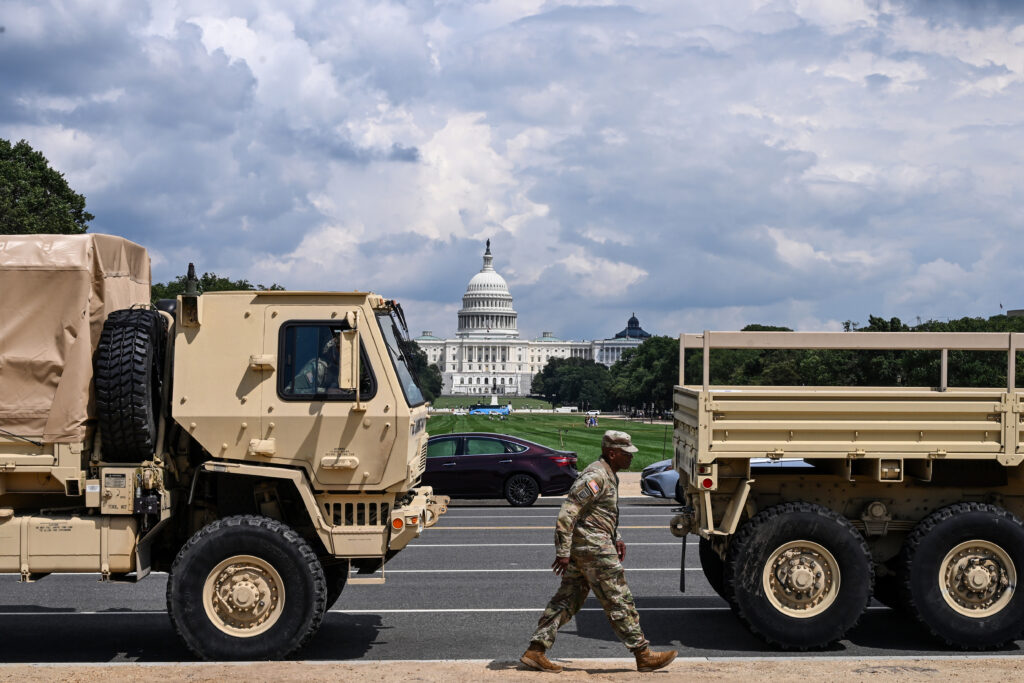
All 800 National Guard troops who were ordered to the US capital Washington to aid law enforcement personnel by President Donald Trump have now been mobilized, the Pentagon said Thursday.Trump ordered the deployment — which follows a similar move during protests in Los Angeles in June — as part of what he billed as a crackdown on crime in Washington, where violent offenses are in fact down.”As of today, all 800 Army and Air National Guardsmen are mobilized… as part of Joint Task Force DC, and they are now here in our capital,” Pentagon Press Secretary Kingsley Wilson told journalists.They “will assist the DC Metropolitan Police Department and federal law enforcement partners with monument security, community safety patrols, protecting federal facilities and officers” and traffic control posts, Wilson said.The troops “will remain until law and order has been restored in the District, as determined by the president,” she added.The US Army later said the National Guard’s initial mission “is to provide a visible presence in key public areas, serving as a visible crime deterrent.””They will not arrest, search, or direct law enforcement,” but they “have the authority to temporarily detain individuals to prevent imminent harm,” the Army said in a statement.The troops will be equipped with protective gear, it added, saying that weapons would be available if needed but would remain in the armory.Trump announced the National Guard deployment — along with a federal takeover of the city’s police department — on Monday, vowing “to take our capital back.”In a further tightening of control, US Attorney General Pam Bondi signed an order late Thursday granting the head of the federal Drug Enforcement Administration the executive powers of Washington police chief, codifying the federal takeover of the capital’s law enforcement.The city’s Democratic mayor Muriel Bowser reacted to Bondi’s order in a post on X, in which she said: “We have followed the law… there is no statute that conveys the District’s personnel authority to a federal official.”Bowser’s post also contained images of a letter from the district’s elected attorney general Brian Schwalb to Washington’s police chief Pamela Smith.”It is my opinion that the Bondi Order is unlawful, and that you are not legally obligated to follow it,” Schwalb wrote.The overwhelmingly Democratic US capital faces allegations from Republican politicians that it is overrun by crime, plagued by homelessness and financially mismanaged.However, data from Washington police shows significant drops in violent crime between 2023 and 2024, although that was coming off the back of a post-pandemic surge.The deployment of troops in Washington comes after Trump dispatched the National Guard and Marines to quell unrest in Los Angeles, California, that was spurred by immigration enforcement raids.It was the first time since 1965 that a US president deployed the National Guard against the wishes of a state governor.Most National Guard forces answer to state governors and have to be “federalized” to be brought under presidential control, but in Washington these troops already report only to the US president.

800 National Guard personnel mobilized for DC mission: Pentagon

All 800 National Guard troops who were ordered to the US capital Washington to aid law enforcement personnel by President Donald Trump have now been mobilized, the Pentagon said Thursday.Trump ordered the deployment — which follows a similar move during protests in Los Angeles in June — as part of what he billed as a crackdown on crime in Washington, where violent offenses are in fact down.”As of today, all 800 Army and Air National Guardsmen are mobilized… as part of Joint Task Force DC, and they are now here in our capital,” Pentagon Press Secretary Kingsley Wilson told journalists.They “will assist the DC Metropolitan Police Department and federal law enforcement partners with monument security, community safety patrols, protecting federal facilities and officers” and traffic control posts, Wilson said.The troops “will remain until law and order has been restored in the District, as determined by the president,” she added.The US Army later said the National Guard’s initial mission “is to provide a visible presence in key public areas, serving as a visible crime deterrent.””They will not arrest, search, or direct law enforcement,” but they “have the authority to temporarily detain individuals to prevent imminent harm,” the Army said in a statement.The troops will be equipped with protective gear, it added, saying that weapons would be available if needed but would remain in the armory.Trump announced the National Guard deployment — along with a federal takeover of the city’s police department — on Monday, vowing “to take our capital back.”In a further tightening of control, US Attorney General Pam Bondi signed an order late Thursday granting the head of the federal Drug Enforcement Administration the executive powers of Washington police chief, codifying the federal takeover of the capital’s law enforcement.The overwhelmingly Democratic US capital faces allegations from Republican politicians that it is overrun by crime, plagued by homelessness and financially mismanaged.However, data from Washington police shows significant drops in violent crime between 2023 and 2024, although that was coming off the back of a post-pandemic surge.The deployment of troops in Washington comes after Trump dispatched the National Guard and Marines to quell unrest in Los Angeles, California, that was spurred by immigration enforcement raids.It was the first time since 1965 that a US president deployed the National Guard against the wishes of a state governor.Most National Guard forces answer to state governors and have to be “federalized” to be brought under presidential control, but in Washington these troops already report only to the US president.

Putin-Trump summit: What each side wants

The US and Russian presidents Donald Trump and Vladimir Putin are to meet at a US air base in Alaska on Friday for talks on the Ukraine war.Expectations are high for the first summit between sitting US and Russian presidents in more than four years, but Moscow and Kyiv remain far apart in their visions on how to end the conflict.It will be Putin’s first trip to a Western country since launching his invasion in February 2022, as well as his first US visit in 10 years.Here is a look at what each side hopes to achieve from the talks:- Russia -For Putin, who has faced years of isolation from the West since the invasion, the summit is an opportunity to press Russia’s hardline demands for ending the conflict.In a draft peace plan published in June, Russia called on Ukraine to withdraw its forces from the Kherson, Lugansk, Zaporizhzhia and Donetsk regions that Moscow claimed to annex in 2022. Ukraine has rejected the idea.Russia has also called on Ukraine to halt its military mobilisation, abandon its NATO ambitions, and for Western countries to immediately stop weapon supplies — something critics say amounts to capitulation.In addition to territory, Russia wants Ukraine to ensure the “rights and freedoms” of the Russian-speaking population and to prohibit what it calls the “glorification of Nazism”.It also wants Western sanctions lifted.Ukraine says Russia’s allegations of Nazism are absurd and that it already guarantees rights to Russian speakers.- Ukraine -Ukrainian President Volodymyr Zelensky is not scheduled to take part in the summit, but has said there can be no peace deal without its involvement. He has called the meeting a “personal victory” for Putin.Ukraine has called for an unconditional ceasefire on land, sea and sky as a prerequisite to peace talks.It wants both sides to release all prisoners of war and demanded the return of Ukrainian children it says Russia illegally kidnapped.Ukraine says Russia has forcibly transferred thousands of Ukrainian children into areas under its control since the war began, often adopting them into Russian families and assigning them Russian citizenship.Russia rejects the kidnapping allegations but acknowledges that thousands of children are on its territory.Ukraine says any deal must include security guarantees to prevent Russia from attacking again, and that there should be no restrictions on the number of troops it can deploy on its territory.It says sanctions on Russia can only be lifted gradually and that there should be a way of reimposing them if needed.- United States -Trump promised he would end the war within “24 hours” after taking office in January. But eight months on, and even after repeated calls with Putin and several visits to Russia by US envoy Steve Witkoff, he has failed to extract any major concessions from the Kremlin.The summit is his first opportunity to broker a deal in person.The US president, author of the book “Trump: The Art of the Deal” said on Wednesday that Russia would face “very severe consequences” if it did not halt its offensive.The US leader initially said there would be some “land swapping going on” at the talks, but appeared to walk back after speaking with European leaders on Wednesday.Trump has said he would “like to see a ceasefire very, very quickly”. But the White House has played down expectations of a breakthrough, describing it as a “listening exercise” for the former reality TV star.”If the first one goes okay, we’ll have a quick second one,” Trump said, hinting Zelensky could take part in a subsequent summit.- Europe -Despite providing military support for Ukraine and hosting millions of Ukrainian refugees, European leaders have been sidelined from the peace talks that may affect the region’s security architecture in the future.European representatives were neither invited to the past three meetings between Russian and Ukrainian officials in Istanbul, nor to the Russia-US talks in Riyadh in February.In a statement last week, the leaders of Britain, France, Italy, Germany, Poland, Finland and the EU Commission warned there could be no meaningful peace without Ukraine’s participation.”Territorial questions concerning Ukraine can be, and will be, negotiated only by the Ukrainian president,” French President Emmanuel Macron said after speaking with Trump on Wednesday.Macron and UK Prime Minister Keir Starmer have signalled they are willing to deploy peacekeepers in Ukraine once the fighting ends, an idea Russia has vehemently rejected.

Man dies fleeing ICE raid in California: officials

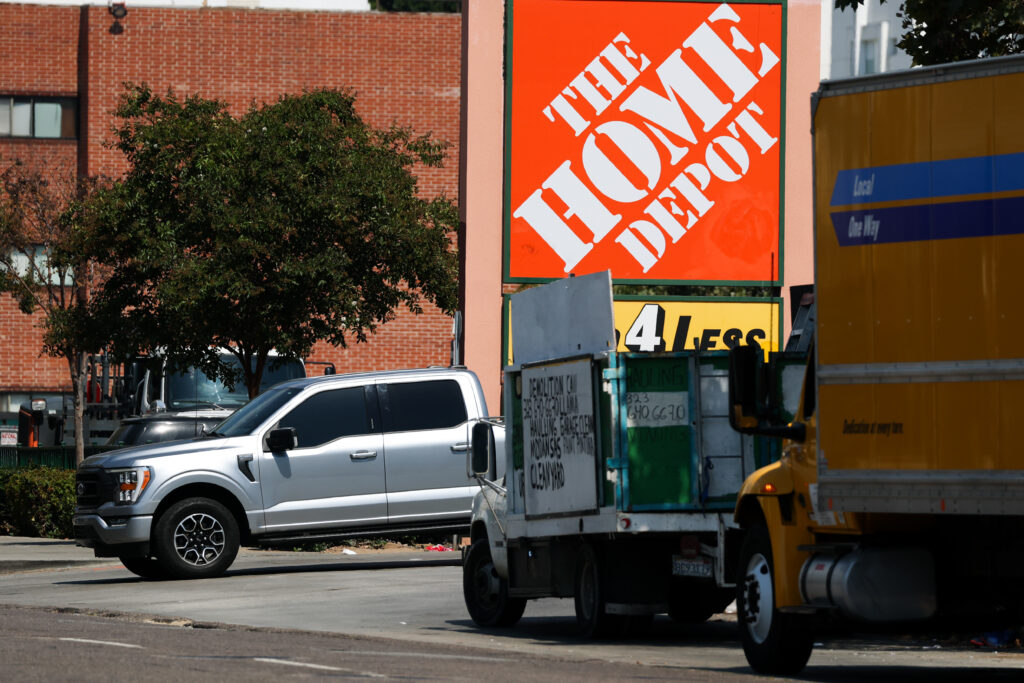
A man who was believed to have been running from a raid by US immigration agents died Thursday after being hit by a car on a freeway, police said.City managers in Monrovia, near Los Angeles, said police had been called after there were reports of activity by Immigration and Customs Enforcement (ICE) agents at a Home Depot.During the raid, one man ran from the parking lot of the hardware store — a place where day laborers commonly gather looking for casual work — and onto a busy freeway during rush hour, Monrovia City Manager Dylan Feik told media.A spokesman for the California Highway Patrol (CHP) said the 40-year-old man was taken to a hospital where he died from his injuries a few hours later.Neither CHP nor the city were immediately able to provide any details on the man’s identity.Feik said: “The city has not received any communication or information from ICE.”ICE did not immediately respond to an AFP request for information.Masked and armed agents from ICE and US Border Patrol began carrying out raids in and around Los Angeles earlier this year, as President Donald Trump looked to fulfill his election promise to carry out the most deportations in US history.The raids, which target hardware stores, carwashes and other businesses where undocumented people seek work, sparked fury in the mutlicultural city.Protests in Los Angeles, some of which saw isloated instances of violence, were met with the mass deployment of soliders by the federal government, even as local law enforcement said they could handle the unrest.A federal court in July ordered a halt to ICE’s roving patrols in several California counties, after rights groups argued that the raids appeared to be arresting people largely based on their race, the language they were speaking or the place they had gathered.

YouTube turns to AI to spot children posing as adults

YouTube has started using artificial intelligence (AI) to figure out when users are children pretending to be adults on the popular video-sharing platform amid pressure to protect minors from sensitive content.The new safeguard is being rolled out in the United States as Google-owned YouTube and social media platforms such as Instagram and TikTok are under scrutiny to shield children from content geared for grown-ups.A version of AI referred to as machine learning will be used to estimate the age of users based on a variety of factors, including the kinds of videos watched and account longevity, according to YouTube Youth director of product management James Beser.”This technology will allow us to infer a user’s age and then use that signal, regardless of the birthday in the account, to deliver our age-appropriate product experiences and protections,” Beser said.”We’ve used this approach in other markets for some time, where it is working well.”The age-estimation model enhances technology already in place to deduce user age, according to YouTube.Users will be notified if YouTube believes them to be minors, giving them the option to verify their age with a credit card, selfie, or government ID, according to the tech firm.Social media platforms are regularly accused of failing to protect the well-being of children.Australia will soon use its landmark social media laws to ban children under 16 from YouTube, a top minister said late last month, stressing a need to shield them from “predatory algorithms.”Communications Minister Anika Wells said four-in-ten Australian children had reported viewing harmful content on YouTube, one of the most visited websites in the world. Australia announced last year it was drafting laws that will ban children from social media sites such as Facebook, TikTok and Instagram until they turn 16. “Our position remains clear: YouTube is a video sharing platform with a library of free, high-quality content, increasingly viewed on TV screens,” the company said in a statement at the time. “It’s not social media.” On paper, the ban is one of the strictest in the world. It is due to come into effect on December 10. The legislation has been closely monitored by other countries, with many weighing whether to implement similar bans.